
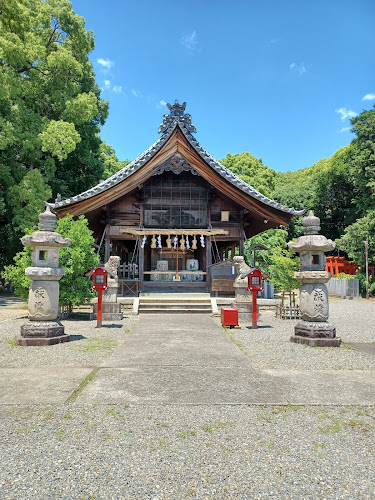
Hakusan Shrine
About Hakusan Shrine
Description
Hakusan Shrine is one of those places that doesn’t shout for your attention, and honestly, that’s part of its charm. It’s a Shinto shrine with a long memory, the kind of spot that has watched generations of locals come and go, offering prayers, tying fortunes, and just… breathing for a moment. Travelers often stumble upon it while exploring the neighborhood and end up staying longer than planned. That happens a lot here.
The shrine is dedicated to deities associated with Mount Hakusan, one of Japan’s revered sacred mountains. Historically, that connection mattered deeply. Mountains were seen as bridges between the human world and the divine, and Hakusan Shrine carries that old belief quietly into the present day. You can feel it, especially if you visit early in the morning when the air is still a bit sleepy and the city noise hasn’t fully woken up.
It’s not a flashy place. Some visitors expect grand architecture and leave feeling mildly underwhelmed. Others, myself included, find the simplicity grounding. The shrine grounds are compact, easy to navigate, and framed by trees that do their own kind of storytelling depending on the season. In spring, the greenery feels fresh and hopeful. In autumn, the leaves lean toward melancholy in the best possible way.
There’s also a very human side to Hakusan Shrine. Locals come here for everyday reasons: safe travels, good health, exams, relationships that are complicated (aren’t they all). Watching that routine devotion can be more meaningful than any guidebook explanation. One time I stood off to the side, pretending to check my camera settings, and overheard a grandmother explaining to her grandkid how to bow properly. That moment stuck with me longer than any photo.
While the shrine doesn’t cater heavily to international tourists, that’s not a downside. It means the experience feels honest. Signage may be limited in English, and accessibility features like wheelchair-friendly paths are unfortunately not well-developed. Still, if you’re comfortable navigating uneven ground and steps, the visit is straightforward and rewarding.
Key Features
- Traditional Shinto architecture with a modest, time-worn feel
- Connection to Mount Hakusan worship and mountain-based spirituality
- Seasonal scenery that changes the mood of the shrine dramatically
- Omamori charms and shuin stamps available for collectors and pilgrims
- A calm, local atmosphere rather than a tourist-heavy scene
- Occasional festivals that bring color, food stalls, and community energy
- Compact grounds that are easy to explore without rushing
One small note: the shuin stamp here has a distinct style that fans of shrine calligraphy tend to appreciate. I’ve met travelers who plan entire afternoons around collecting these, and Hakusan Shrine usually earns a quiet nod of approval from them.
Best Time to Visit
If you ask me, mornings are the sweet spot. Arrive before 9 a.m., and you’ll likely have the grounds mostly to yourself, aside from a few locals doing their daily prayers. The light at that hour is soft, and the atmosphere feels contemplative instead of rushed. It’s easier to slow your breathing without even trying.
Season-wise, spring and autumn are the obvious winners, but with a caveat. Spring brings fresh greens and sometimes cherry blossoms nearby, though they aren’t always the main event inside the shrine grounds. Autumn, on the other hand, adds depth. The colors tend to make the place feel older, heavier with history. If you’re the type who likes reflective travel moments, autumn hits harder.
Summer can be humid, and the shrine doesn’t have a ton of shade in certain areas, so bring water and patience. That said, summer festivals can be lively and fun, especially if you enjoy seeing how neighborhoods celebrate together. Winter is quiet, sometimes stark, but there’s a beauty in that too. Just know it may feel almost empty, which some people love and others find a bit lonely.
Weekdays are calmer than weekends. And if there’s a local event or festival scheduled, expect crowds and noise, which isn’t bad, just different. Personally, I like seeing both sides: the serene weekday shrine and the lively festival version. They feel like two personalities of the same old friend.
How to Get There
Hakusan Shrine is accessible via public transportation, and that’s really the best way to go. Trains and buses get you close, followed by a short walk through regular city streets. That walk is part of the experience, honestly. You’ll pass homes, small shops, maybe a vending machine humming in the background. It reminds you that this shrine exists inside everyday life, not apart from it.
Driving isn’t recommended unless you really know what you’re doing. Parking is limited and can be a hassle. And if mobility is a concern, it’s important to note that the shrine does not have wheelchair-accessible entrances or parking. Paths include steps and uneven surfaces. I’ve seen visitors manage with assistance, but it’s something to plan for in advance.
Once you’re nearby, signage is subtle. Don’t expect big tourist arrows pointing the way. Use your map, trust your instincts, and if you look a little lost, a local might point you in the right direction. That’s happened to me more than once, and it’s always a nice reminder that travel is a shared experience.
Tips for Visiting
First tip: slow down. This isn’t a place to rush through in ten minutes just to tick a box. Even a half-hour spent wandering, sitting, and observing can change your mood for the rest of the day. I usually sit on a bench or low wall and just watch people come and go. It’s oddly therapeutic.
Second, learn the basic shrine etiquette before you go. Bowing, hand washing at the purification basin, offering coins properly. It shows respect, and it helps you feel more connected rather than like an outsider peeking in. Don’t worry about being perfect; sincerity counts more than precision.
Bring cash. Small coins are useful for offerings, and if you want an omamori or shuin stamp, you’ll need it. Credit cards aren’t really a thing here. I learned that the awkward way once and had to backtrack to find an ATM.
Photography is generally allowed, but be mindful. If there’s a ceremony happening, put the camera down. I’ve seen tourists get a bit carried away, and it changes the vibe fast. Sometimes the best memories don’t need a photo anyway. I know that sounds cheesy, but it’s true.
Dress comfortably and respectfully. There’s no strict dress code, but this is a place of worship, not a theme park. Comfortable shoes are a must because of steps and gravel paths. And if it’s summer, bring something to wipe sweat. Japan humidity doesn’t play fair.
Lastly, manage expectations. Hakusan Shrine isn’t trying to impress you. It’s just being what it’s been for a long time. Some travelers leave feeling neutral, others unexpectedly moved. I fall into the second camp. It’s the kind of place that grows on you, especially if you let it.
For travelers interested in history, spirituality, or simply seeing how daily life and tradition overlap in Japan, Hakusan Shrine offers a grounded, quietly meaningful stop. It may not be the highlight you planned, but it could end up being the one you remember most. And yeah, that’s happened to me more than once.
Key Features
- Traditional Shinto architecture with a modest, time-worn feel
- Connection to Mount Hakusan worship and mountain-based spirituality
- Seasonal scenery that changes the mood of the shrine dramatically
- Omamori charms and shuin stamps available for collectors and pilgrims
- A calm, local atmosphere rather than a tourist-heavy scene
- Occasional festivals that bring color, food stalls, and community energy
- Compact grounds that are easy to explore without rushing
More Details
Updated December 31, 2025
Table of Contents
Description
Hakusan Shrine is one of those places that doesn’t shout for your attention, and honestly, that’s part of its charm. It’s a Shinto shrine with a long memory, the kind of spot that has watched generations of locals come and go, offering prayers, tying fortunes, and just… breathing for a moment. Travelers often stumble upon it while exploring the neighborhood and end up staying longer than planned. That happens a lot here.
The shrine is dedicated to deities associated with Mount Hakusan, one of Japan’s revered sacred mountains. Historically, that connection mattered deeply. Mountains were seen as bridges between the human world and the divine, and Hakusan Shrine carries that old belief quietly into the present day. You can feel it, especially if you visit early in the morning when the air is still a bit sleepy and the city noise hasn’t fully woken up.
It’s not a flashy place. Some visitors expect grand architecture and leave feeling mildly underwhelmed. Others, myself included, find the simplicity grounding. The shrine grounds are compact, easy to navigate, and framed by trees that do their own kind of storytelling depending on the season. In spring, the greenery feels fresh and hopeful. In autumn, the leaves lean toward melancholy in the best possible way.
There’s also a very human side to Hakusan Shrine. Locals come here for everyday reasons: safe travels, good health, exams, relationships that are complicated (aren’t they all). Watching that routine devotion can be more meaningful than any guidebook explanation. One time I stood off to the side, pretending to check my camera settings, and overheard a grandmother explaining to her grandkid how to bow properly. That moment stuck with me longer than any photo.
While the shrine doesn’t cater heavily to international tourists, that’s not a downside. It means the experience feels honest. Signage may be limited in English, and accessibility features like wheelchair-friendly paths are unfortunately not well-developed. Still, if you’re comfortable navigating uneven ground and steps, the visit is straightforward and rewarding.
Key Features
- Traditional Shinto architecture with a modest, time-worn feel
- Connection to Mount Hakusan worship and mountain-based spirituality
- Seasonal scenery that changes the mood of the shrine dramatically
- Omamori charms and shuin stamps available for collectors and pilgrims
- A calm, local atmosphere rather than a tourist-heavy scene
- Occasional festivals that bring color, food stalls, and community energy
- Compact grounds that are easy to explore without rushing
One small note: the shuin stamp here has a distinct style that fans of shrine calligraphy tend to appreciate. I’ve met travelers who plan entire afternoons around collecting these, and Hakusan Shrine usually earns a quiet nod of approval from them.
Best Time to Visit
If you ask me, mornings are the sweet spot. Arrive before 9 a.m., and you’ll likely have the grounds mostly to yourself, aside from a few locals doing their daily prayers. The light at that hour is soft, and the atmosphere feels contemplative instead of rushed. It’s easier to slow your breathing without even trying.
Season-wise, spring and autumn are the obvious winners, but with a caveat. Spring brings fresh greens and sometimes cherry blossoms nearby, though they aren’t always the main event inside the shrine grounds. Autumn, on the other hand, adds depth. The colors tend to make the place feel older, heavier with history. If you’re the type who likes reflective travel moments, autumn hits harder.
Summer can be humid, and the shrine doesn’t have a ton of shade in certain areas, so bring water and patience. That said, summer festivals can be lively and fun, especially if you enjoy seeing how neighborhoods celebrate together. Winter is quiet, sometimes stark, but there’s a beauty in that too. Just know it may feel almost empty, which some people love and others find a bit lonely.
Weekdays are calmer than weekends. And if there’s a local event or festival scheduled, expect crowds and noise, which isn’t bad, just different. Personally, I like seeing both sides: the serene weekday shrine and the lively festival version. They feel like two personalities of the same old friend.
How to Get There
Hakusan Shrine is accessible via public transportation, and that’s really the best way to go. Trains and buses get you close, followed by a short walk through regular city streets. That walk is part of the experience, honestly. You’ll pass homes, small shops, maybe a vending machine humming in the background. It reminds you that this shrine exists inside everyday life, not apart from it.
Driving isn’t recommended unless you really know what you’re doing. Parking is limited and can be a hassle. And if mobility is a concern, it’s important to note that the shrine does not have wheelchair-accessible entrances or parking. Paths include steps and uneven surfaces. I’ve seen visitors manage with assistance, but it’s something to plan for in advance.
Once you’re nearby, signage is subtle. Don’t expect big tourist arrows pointing the way. Use your map, trust your instincts, and if you look a little lost, a local might point you in the right direction. That’s happened to me more than once, and it’s always a nice reminder that travel is a shared experience.
Tips for Visiting
First tip: slow down. This isn’t a place to rush through in ten minutes just to tick a box. Even a half-hour spent wandering, sitting, and observing can change your mood for the rest of the day. I usually sit on a bench or low wall and just watch people come and go. It’s oddly therapeutic.
Second, learn the basic shrine etiquette before you go. Bowing, hand washing at the purification basin, offering coins properly. It shows respect, and it helps you feel more connected rather than like an outsider peeking in. Don’t worry about being perfect; sincerity counts more than precision.
Bring cash. Small coins are useful for offerings, and if you want an omamori or shuin stamp, you’ll need it. Credit cards aren’t really a thing here. I learned that the awkward way once and had to backtrack to find an ATM.
Photography is generally allowed, but be mindful. If there’s a ceremony happening, put the camera down. I’ve seen tourists get a bit carried away, and it changes the vibe fast. Sometimes the best memories don’t need a photo anyway. I know that sounds cheesy, but it’s true.
Dress comfortably and respectfully. There’s no strict dress code, but this is a place of worship, not a theme park. Comfortable shoes are a must because of steps and gravel paths. And if it’s summer, bring something to wipe sweat. Japan humidity doesn’t play fair.
Lastly, manage expectations. Hakusan Shrine isn’t trying to impress you. It’s just being what it’s been for a long time. Some travelers leave feeling neutral, others unexpectedly moved. I fall into the second camp. It’s the kind of place that grows on you, especially if you let it.
For travelers interested in history, spirituality, or simply seeing how daily life and tradition overlap in Japan, Hakusan Shrine offers a grounded, quietly meaningful stop. It may not be the highlight you planned, but it could end up being the one you remember most. And yeah, that’s happened to me more than once.
Key Highlights
- Traditional Shinto architecture with a modest, time-worn feel
- Connection to Mount Hakusan worship and mountain-based spirituality
- Seasonal scenery that changes the mood of the shrine dramatically
- Omamori charms and shuin stamps available for collectors and pilgrims
- A calm, local atmosphere rather than a tourist-heavy scene
- Occasional festivals that bring color, food stalls, and community energy
- Compact grounds that are easy to explore without rushing
Location
Places to Stay Near Hakusan Shrine
Find and Book a Tour
Explore More Travel Guides
No reviews found! Be the first to review!
Traveler Reviews for Hakusan Shrine
There are no reviews yet. Be the first one to write one.
Have you visited Hakusan Shrine? Help other travelers by sharing your review.
You Might Also Like

Ichinomiya City Museum

Twin Arch 138

Urasaki-21-3 Kōmyōji
Find Accommodations Nearby
Recommended Tours & Activities
Visitor Reviews
There are no reviews yet. Be the first one to write one.
Share Your Experience
Have you visited Hakusan Shrine? Help other travelers by leaving a review.