

Milton Keynes Museum
About Milton Keynes Museum
Description
The Milton Keynes Museum is a hands-on, locally rooted museum that feels less like a solemn archive and more like a friendly neighbour inviting visitors into the past. Situated in Wolverton on the edge of Milton Keynes, it brings together a surprising mix: a working Victorian farm with horses and gardens, interactive displays, and community-led heritage days that tell the story of the area's growth into the new city people know today. It’s the kind of place where the history is tactile — you can hear, smell, sometimes even touch, and that makes the learning stick in a way sterile glass cases rarely do.
What makes this museum stand out is how it knits together rural life and industrial change. The farm is authentic — not a theme-park approximation — with real animals cared for by volunteers who are proud, opinionated, and often happily willing to chat about the quirks of heritage breeds. Around the farmyard there are restored buildings and a collection of community artifacts that speak to how the locality evolved: tools, household items, photos and exhibits focused on how people lived before the new city reshaped the landscape. The museum succeeds at showing continuity — the past isn’t a separate world, it’s a set of layers people still walk on every day.
Volunteers are the backbone here. They run much of the programming, explain exhibits, and arrange the seasonal displays. That gives the place a particular character: sometimes delightfully informal, occasionally a little rough around the edges, but always earnest. Expect to meet folks who grew up nearby and will happily tell you about a flood, a factory, or a favourite local shop. Those conversations are often the best part. The museum’s events — especially the heritage days — draw a crowd, and there’s a good chance to stumble on a living-history demonstration or a hands-on craft workshop aimed at children and adults alike.
One of the more memorable corners is the garden area. It’s not a manicured, show-garden; it’s a working heritage plot that demonstrates older planting methods and varieties that used to feed local families. On a sunny day the scent of herb beds and freshly turned earth feels unexpectedly soothing, a small reminder that history isn’t just dates and documents. And yes, horses are on site — calm, polite animals that give the place a steady, grounded tempo. If someone in the family is into animals, this is often the highlight.
The museum doesn’t try to be everything. It focuses on the local narrative and does that job well. There are displays about how the area transformed with the creation of the new city: the planning, the social changes, and the ripple effects on local industry and housing. Visitors curious about the wider story of Milton Keynes will come away with a clearer sense of how planning decisions, transport links, and community choices intersected to create the modern town. The interpretation is accessible — sometimes playful, sometimes solemn — but always aimed at connecting the past to the present.
Accessibility and practical comforts have been taken seriously. There is a wheelchair-accessible entrance and parking, and accessible restroom facilities, which makes the museum visit possible for a wide range of people. A small on-site restaurant (simple, honest food) and restrooms mean visitors can plan to stay two or three hours without the stress of going elsewhere for basic needs. Free parking is available — a small but welcome detail, especially on busy event days when families and groups converge on the museum.
It’s worth noting that the museum feels like a community project first and a polished tourist product second. That’s not a complaint — far from it. That aesthetic gives the place warmth. There may be days when certain exhibits are being rotated or volunteers are busy with a workshop, so the experience can be slightly different every time. That variability is charming for many visitors, though people expecting museum-polish at a national-institution level might be surprised. The trade-off is genuine engagement and local personality, which many find far more rewarding.
For families, the museum tends to score highly. Children can feed a sense of curiosity without being shushed; they can explore safe outdoor spaces, meet animals, and join in craft activities. Exhibits aimed at younger audiences are simple and clear, and volunteers are usually good at adjusting explanations to a child’s level. The overall atmosphere is relaxed, so parents can linger and talk with volunteers without feeling rushed. That said, the museum is equally appealing to history buffs and people who enjoy small museums that preserve local stories in a lovingly specific way.
Behind the scenes, conservation and curation are quiet labours. Volunteers and staff sometimes restore tools, repair old signage, and maintain the farm equipment. It’s a museum where the process of preservation is visible — sawdust on the floor, new paint on an old cart, sketches of restoration plans pinned to a noticeboard. For visitors who like to see how museums work, this transparency is fascinating. The museum’s volunteer-driven model also means that visitor input often matters; community groups have helped shape exhibits and events, so the narrative remains relevant to local memory.
There are special days when the museum truly comes alive: heritage fairs, craft weekends, and demonstrations where period costumes, traditional skills, and live storytelling turn the grounds into a small festival. On those days, the sense of community is thick in the air — local stalls, kids running between activities, and the hum of conversation. The author remembers one chilly spring afternoon watching a volunteer demonstrate traditional bread-making in a small recreated kitchen; the smell of baking drew a small crowd and suddenly the history felt deliciously immediate. Little moments like that make the museum linger in memory.
For people curious about transport connections and urban planning, the museum offers a quiet, tangible complement to abstract texts. Rather than reading about the development of the new city in a book, visitors can see objects and hear stories from people who lived through the changes. It provides perspective: the planned modernity of Milton Keynes did not erase what came before; instead it layered over a landscape of farms, industries, and communities, and this museum traces those layers with care.
Practical expectations: visitors commonly plan for a two-hour visit, though curious folks could easily spend half a day exploring the farm, the exhibition rooms, and lingering over a coffee. The on-site restaurant is handy but modest; if someone is hoping for a long, gourmet lunch, they might want to bring a picnic or combine a visit with a trip into central Milton Keynes for more dining options. Parking tends to be free and easy, but on major event days arriving earlier is advisable.
Finally, the sense of stewardship that runs through the museum is compelling. Because volunteers are so involved, donations and memberships make a visible difference. The place rewards caring visitors: contribute a bit of your time on a community day, buy a memento, or just tell a friend — the museum thrives on word-of-mouth. The Milton Keynes Museum is not trying to outshine large national museums; rather, it aims to preserve the local heartbeat. For travelers seeking a genuine, locally-grounded experience of Wolverton and the wider Milton Keynes area, it’s a quiet gem — unexpected, honest, and full of small, human stories that stick with you long after you’ve left the farm gate.
Key Features
More Details
Updated August 30, 2025
Table of Contents
Description
The Milton Keynes Museum is a hands-on, locally rooted museum that feels less like a solemn archive and more like a friendly neighbour inviting visitors into the past. Situated in Wolverton on the edge of Milton Keynes, it brings together a surprising mix: a working Victorian farm with horses and gardens, interactive displays, and community-led heritage days that tell the story of the area’s growth into the new city people know today. It’s the kind of place where the history is tactile — you can hear, smell, sometimes even touch, and that makes the learning stick in a way sterile glass cases rarely do.
What makes this museum stand out is how it knits together rural life and industrial change. The farm is authentic — not a theme-park approximation — with real animals cared for by volunteers who are proud, opinionated, and often happily willing to chat about the quirks of heritage breeds. Around the farmyard there are restored buildings and a collection of community artifacts that speak to how the locality evolved: tools, household items, photos and exhibits focused on how people lived before the new city reshaped the landscape. The museum succeeds at showing continuity — the past isn’t a separate world, it’s a set of layers people still walk on every day.
Volunteers are the backbone here. They run much of the programming, explain exhibits, and arrange the seasonal displays. That gives the place a particular character: sometimes delightfully informal, occasionally a little rough around the edges, but always earnest. Expect to meet folks who grew up nearby and will happily tell you about a flood, a factory, or a favourite local shop. Those conversations are often the best part. The museum’s events — especially the heritage days — draw a crowd, and there’s a good chance to stumble on a living-history demonstration or a hands-on craft workshop aimed at children and adults alike.
One of the more memorable corners is the garden area. It’s not a manicured, show-garden; it’s a working heritage plot that demonstrates older planting methods and varieties that used to feed local families. On a sunny day the scent of herb beds and freshly turned earth feels unexpectedly soothing, a small reminder that history isn’t just dates and documents. And yes, horses are on site — calm, polite animals that give the place a steady, grounded tempo. If someone in the family is into animals, this is often the highlight.
The museum doesn’t try to be everything. It focuses on the local narrative and does that job well. There are displays about how the area transformed with the creation of the new city: the planning, the social changes, and the ripple effects on local industry and housing. Visitors curious about the wider story of Milton Keynes will come away with a clearer sense of how planning decisions, transport links, and community choices intersected to create the modern town. The interpretation is accessible — sometimes playful, sometimes solemn — but always aimed at connecting the past to the present.
Accessibility and practical comforts have been taken seriously. There is a wheelchair-accessible entrance and parking, and accessible restroom facilities, which makes the museum visit possible for a wide range of people. A small on-site restaurant (simple, honest food) and restrooms mean visitors can plan to stay two or three hours without the stress of going elsewhere for basic needs. Free parking is available — a small but welcome detail, especially on busy event days when families and groups converge on the museum.
It’s worth noting that the museum feels like a community project first and a polished tourist product second. That’s not a complaint — far from it. That aesthetic gives the place warmth. There may be days when certain exhibits are being rotated or volunteers are busy with a workshop, so the experience can be slightly different every time. That variability is charming for many visitors, though people expecting museum-polish at a national-institution level might be surprised. The trade-off is genuine engagement and local personality, which many find far more rewarding.
For families, the museum tends to score highly. Children can feed a sense of curiosity without being shushed; they can explore safe outdoor spaces, meet animals, and join in craft activities. Exhibits aimed at younger audiences are simple and clear, and volunteers are usually good at adjusting explanations to a child’s level. The overall atmosphere is relaxed, so parents can linger and talk with volunteers without feeling rushed. That said, the museum is equally appealing to history buffs and people who enjoy small museums that preserve local stories in a lovingly specific way.
Behind the scenes, conservation and curation are quiet labours. Volunteers and staff sometimes restore tools, repair old signage, and maintain the farm equipment. It’s a museum where the process of preservation is visible — sawdust on the floor, new paint on an old cart, sketches of restoration plans pinned to a noticeboard. For visitors who like to see how museums work, this transparency is fascinating. The museum’s volunteer-driven model also means that visitor input often matters; community groups have helped shape exhibits and events, so the narrative remains relevant to local memory.
There are special days when the museum truly comes alive: heritage fairs, craft weekends, and demonstrations where period costumes, traditional skills, and live storytelling turn the grounds into a small festival. On those days, the sense of community is thick in the air — local stalls, kids running between activities, and the hum of conversation. The author remembers one chilly spring afternoon watching a volunteer demonstrate traditional bread-making in a small recreated kitchen; the smell of baking drew a small crowd and suddenly the history felt deliciously immediate. Little moments like that make the museum linger in memory.
For people curious about transport connections and urban planning, the museum offers a quiet, tangible complement to abstract texts. Rather than reading about the development of the new city in a book, visitors can see objects and hear stories from people who lived through the changes. It provides perspective: the planned modernity of Milton Keynes did not erase what came before; instead it layered over a landscape of farms, industries, and communities, and this museum traces those layers with care.
Practical expectations: visitors commonly plan for a two-hour visit, though curious folks could easily spend half a day exploring the farm, the exhibition rooms, and lingering over a coffee. The on-site restaurant is handy but modest; if someone is hoping for a long, gourmet lunch, they might want to bring a picnic or combine a visit with a trip into central Milton Keynes for more dining options. Parking tends to be free and easy, but on major event days arriving earlier is advisable.
Finally, the sense of stewardship that runs through the museum is compelling. Because volunteers are so involved, donations and memberships make a visible difference. The place rewards caring visitors: contribute a bit of your time on a community day, buy a memento, or just tell a friend — the museum thrives on word-of-mouth. The Milton Keynes Museum is not trying to outshine large national museums; rather, it aims to preserve the local heartbeat. For travelers seeking a genuine, locally-grounded experience of Wolverton and the wider Milton Keynes area, it’s a quiet gem — unexpected, honest, and full of small, human stories that stick with you long after you’ve left the farm gate.
Key Highlights
Milton Keynes Museum
Location
Places to Stay Near Milton Keynes Museum
Find and Book a Tour
Explore More Travel Guides
No reviews found! Be the first to review!
Traveler Reviews for Milton Keynes Museum
There are no reviews yet. Be the first one to write one.
Have you visited Milton Keynes Museum? Help other travelers by sharing your review.
You Might Also Like
Concrete Cows
Locked In A Room
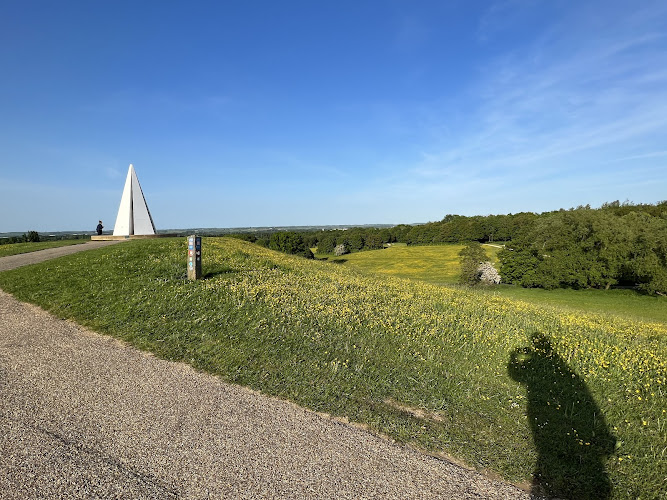
Campbell Park, Milton Keynes
Find Accommodations Nearby
Recommended Tours & Activities
Visitor Reviews
There are no reviews yet. Be the first one to write one.
Share Your Experience
Have you visited Milton Keynes Museum? Help other travelers by leaving a review.