
Military Museum of the Legion
About Military Museum of the Legion
Description
You know how some museums kind of blend together after awhile? You see a few cannons, some old uniforms behind glass, a plaque or two, and—boom—you’re on to the next stop, maybe dreaming of tapas and a shady café. Not this one. The Military Museum of the Legion pulls you right into the heart of Spain’s storied and sometimes controversial Legion history. And it does so with a bit of swagger—if a museum could ever swagger, this one would.
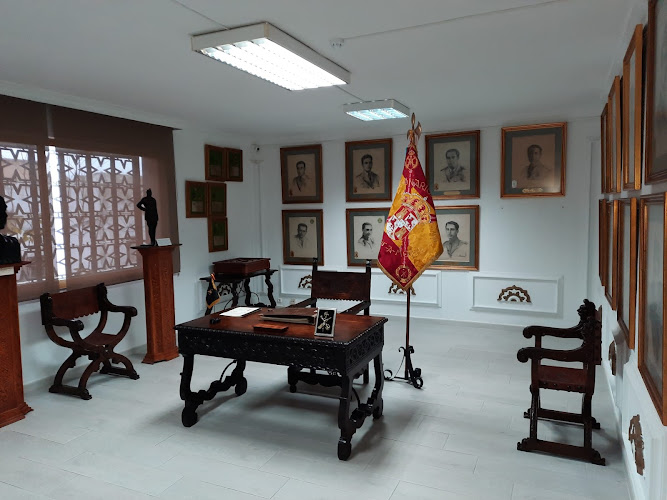
This isn’t a massive, echoey place where you end up racing through dusty corridors. Instead, expect a tidy, engaging space packed with artifacts: flags with a history (and maybe some battle scars if you look closely enough), photos that capture a raw kind of camaraderie and, sure, a few paintings where that unique Legion pride nearly pops off the canvas. These are real stories of men who served, intertwined with Spanish military history in a border outpost that has seen more than its fair share of drama over the decades.
There’s a certain no-nonsense honesty here. Placards tend to stick to the facts—sometimes blunt, sometimes celebratory, but always direct. Personally, I really appreciate when museums don't try to sell you a pretty picture but let you draw your own conclusions. Plus, you don’t have to be a military buff to feel the gravity of what’s on display. I visited with my nephew, who’s 10 and only really interested in football, and even he was glued to a display of medals and asked a ton of questions. And since the space is accessible for those with wheelchairs, it’s clear the staff put thought into making it welcoming for as many people as possible.
One thing that I think sets it apart is just how connected you feel to Ceuta itself. You’ll come away with an appreciation for why the Spanish Legion is so significant here. There’s a bittersweet air to some displays, particularly those honoring fallen soldiers—move slowly through these bits, they’re powerful in a quiet, almost stubbornly proud way.
Key Features
- Extensive collection of authentic Spanish Legion memorabilia, including uniforms, ceremonial flags, medals, weapons, and personal artifacts from several eras.
- Galleries filled with striking photographs and paintings capturing both the daily life and dramatic moments of Legion soldiers throughout history.
- Accessible design with ramps and a wheelchair-friendly restroom, so everyone can explore comfortably.
- Child-friendly exhibits—no ultra-graphic content, and thoughtfully presented artifacts that encourage questions and hands-on learning (but hands off the displays, of course...museum rules).
- Detailed explanatory panels—mostly in Spanish but often with English translations. If you’re fluent, the stories are richer, but even with basic Spanish you’ll pick up a lot.
- Quiet reflection spaces, particularly near memorials dedicated to Legionnaires lost in service.
- Rotating special exhibits focusing on unique aspects of Legion history or related military topics, so there’s always the chance for a surprise on your visit.
- Compact layout: even with a deep dive into the exhibits, you can enjoy the entire museum in about an hour to 90 minutes. Great if you’re trying to squeeze in a few sights in one day.
- Restroom facilities on site (but FYI—no restaurant or dedicated café)
Best Time to Visit
If you’re anything like me, you try to dodge the crowds—especially hordes of school kids on field trips or the occasional coach-load of curious day-trippers. The best time to swing by is on weekday mornings, ideally just after opening. You get the chance to explore at your own pace, letting all those amazing artifacts tell their stories without rushing.
I probably don’t need to tell you: Ceuta can get baking hot in the summer (seriously, bring water, especially if you’re walking between sights), so the museum's cool interiors become a bit of a haven. That said, visiting during Ceuta’s big Legion commemorative events (usually in September) adds a dramatic bit of local flavor—think processions, music, and a city buzzing with pride. It can be busier, sure, but sometimes the energy is infectious.
Avoid public holidays if you can, unless you like the energy of crowds or want to soak up the festive spirit. If you have a flexible itinerary, late spring and early fall are absolutely ideal: it's warm but not suffocating, and the city’s pace is just about perfect.
How to Get There
So, you’re in Ceuta—lucky you! Getting to the Military Museum of the Legion really couldn’t be more straightforward. If you’re staying downtown or near any of the main hotels, you can probably walk there in under 20 minutes. Ceuta’s compact, so you’ll get a decent dose of the city’s winding streets—always a treat if you ask me.
For those coming off the ferry from Algeciras, you’ll land at the port and be about a 15-minute stroll away. A taxi isn’t strictly necessary unless you’re traveling with a heap of luggage. But if you opt for one, they’re easy to hail and pretty affordable. There are some public bus routes that swing by nearby stops; just check current timetables (and maybe brush up on a bit of Spanish!) as routes do change.
If you’re driving, street parking can be competitive, especially midweek and during lunchtime. But there are a few paid parking lots close by—don’t risk a ticket, the local wardens don’t have much mercy from what I’ve seen. And don’t rely on ride-sharing apps—they’re just not a thing in this part of the world (yet).
Tips for Visiting
Let me toss in some hard-earned wisdom for you—gathered through my own wanderings and the occasional learning curve the hard way:
- Bring a bit of cash – Some smaller museums in Spain (including this one, last time I checked!) don’t accept cards for admission, especially during special exhibits or events. The entrance fee is usually nominal, but it’s frustrating to get caught out.
- English translations may be spotty – If you’re a true history buff, consider brushing up on basic military terms in Spanish or downloading a translation app. But even without, you’ll still appreciate the displays—photos, flags, and medals don’t really need words to move you!
- Ask the staff questions – In my experience, the hosts are passionate, sometimes retired military folks. If you're curious or just want a recommendation for somewhere to eat afterward, they’ve got the insider tips.
- Photography is usually allowed—but respectfully – No flash! You’ll find some tourists snapping selfies, but keep in mind it’s a commemorative space for many visitors.
- Plan for other local stops – The museum pairs perfectly with a stroll through Ceuta’s historic quarter or a visit to the city walls—pace yourself and wear good walking shoes. And sunscreen. Always sunscreen.
- Traveling with kids? – They’ll be drawn to the uniforms, dioramas, and sometimes the sheer “cool factor” of the displays. Just remind them not to touch, and take the chance to offer your own stories—they always mean more coming from you.
- Restroom check – Facilities are clean but compact. No on-site dining, so maybe plan lunch nearby in advance. Ceuta has loads of small cafés waiting for you just outside!
One last thing—don’t rush. The museum has a way of creeping up on you, inviting you to pause and reflect, regardless of your own background or views on military history. Even if you only have a passing interest, the Museum of the Legion in Ceuta will leave a mark. It’s one of those rare places that delivers history in a way that’s both sincere and surprisingly moving.
Whether you’re a solo adventurer, part of a family gang, or tagging along with a group of friends who weren’t quite sure what to expect, set aside a bit of time here. You’ll leave with stories to share, and maybe a fresh perspective or two—because, frankly, the Spanish Legion’s tale is unlike any other.
Key Features
- Extensive collection of authentic Spanish Legion memorabilia, including uniforms, ceremonial flags, medals, weapons, and personal artifacts from several eras.
- Galleries filled with striking photographs and paintings capturing both the daily life and dramatic moments of Legion soldiers throughout history.
- Accessible design with ramps and a wheelchair-friendly restroom, so everyone can explore comfortably.
- Child-friendly exhibits—no ultra-graphic content, and thoughtfully presented artifacts that encourage questions and hands-on learning (but hands off the displays, of course...museum rules).
- Detailed explanatory panels—mostly in Spanish but often with English translations. If you’re fluent, the stories are richer, but even with basic Spanish you’ll pick up a lot.
- Quiet reflection spaces, particularly near memorials dedicated to Legionnaires lost in service.
- Rotating special exhibits focusing on unique aspects of Legion history or related military topics, so there’s always the chance for a surprise on your visit.
- Compact layout: even with a deep dive into the exhibits, you can enjoy the entire museum in about an hour to 90 minutes. Great if you’re trying to squeeze in a few sights in one day.
More Details
Updated July 2, 2025
Table of Contents
Description
You know how some museums kind of blend together after awhile? You see a few cannons, some old uniforms behind glass, a plaque or two, and—boom—you’re on to the next stop, maybe dreaming of tapas and a shady café. Not this one. The Military Museum of the Legion pulls you right into the heart of Spain’s storied and sometimes controversial Legion history. And it does so with a bit of swagger—if a museum could ever swagger, this one would.
This isn’t a massive, echoey place where you end up racing through dusty corridors. Instead, expect a tidy, engaging space packed with artifacts: flags with a history (and maybe some battle scars if you look closely enough), photos that capture a raw kind of camaraderie and, sure, a few paintings where that unique Legion pride nearly pops off the canvas. These are real stories of men who served, intertwined with Spanish military history in a border outpost that has seen more than its fair share of drama over the decades.
There’s a certain no-nonsense honesty here. Placards tend to stick to the facts—sometimes blunt, sometimes celebratory, but always direct. Personally, I really appreciate when museums don’t try to sell you a pretty picture but let you draw your own conclusions. Plus, you don’t have to be a military buff to feel the gravity of what’s on display. I visited with my nephew, who’s 10 and only really interested in football, and even he was glued to a display of medals and asked a ton of questions. And since the space is accessible for those with wheelchairs, it’s clear the staff put thought into making it welcoming for as many people as possible.
One thing that I think sets it apart is just how connected you feel to Ceuta itself. You’ll come away with an appreciation for why the Spanish Legion is so significant here. There’s a bittersweet air to some displays, particularly those honoring fallen soldiers—move slowly through these bits, they’re powerful in a quiet, almost stubbornly proud way.
Key Features
- Extensive collection of authentic Spanish Legion memorabilia, including uniforms, ceremonial flags, medals, weapons, and personal artifacts from several eras.
- Galleries filled with striking photographs and paintings capturing both the daily life and dramatic moments of Legion soldiers throughout history.
- Accessible design with ramps and a wheelchair-friendly restroom, so everyone can explore comfortably.
- Child-friendly exhibits—no ultra-graphic content, and thoughtfully presented artifacts that encourage questions and hands-on learning (but hands off the displays, of course…museum rules).
- Detailed explanatory panels—mostly in Spanish but often with English translations. If you’re fluent, the stories are richer, but even with basic Spanish you’ll pick up a lot.
- Quiet reflection spaces, particularly near memorials dedicated to Legionnaires lost in service.
- Rotating special exhibits focusing on unique aspects of Legion history or related military topics, so there’s always the chance for a surprise on your visit.
- Compact layout: even with a deep dive into the exhibits, you can enjoy the entire museum in about an hour to 90 minutes. Great if you’re trying to squeeze in a few sights in one day.
- Restroom facilities on site (but FYI—no restaurant or dedicated café)
Best Time to Visit
If you’re anything like me, you try to dodge the crowds—especially hordes of school kids on field trips or the occasional coach-load of curious day-trippers. The best time to swing by is on weekday mornings, ideally just after opening. You get the chance to explore at your own pace, letting all those amazing artifacts tell their stories without rushing.
I probably don’t need to tell you: Ceuta can get baking hot in the summer (seriously, bring water, especially if you’re walking between sights), so the museum’s cool interiors become a bit of a haven. That said, visiting during Ceuta’s big Legion commemorative events (usually in September) adds a dramatic bit of local flavor—think processions, music, and a city buzzing with pride. It can be busier, sure, but sometimes the energy is infectious.
Avoid public holidays if you can, unless you like the energy of crowds or want to soak up the festive spirit. If you have a flexible itinerary, late spring and early fall are absolutely ideal: it’s warm but not suffocating, and the city’s pace is just about perfect.
How to Get There
So, you’re in Ceuta—lucky you! Getting to the Military Museum of the Legion really couldn’t be more straightforward. If you’re staying downtown or near any of the main hotels, you can probably walk there in under 20 minutes. Ceuta’s compact, so you’ll get a decent dose of the city’s winding streets—always a treat if you ask me.
For those coming off the ferry from Algeciras, you’ll land at the port and be about a 15-minute stroll away. A taxi isn’t strictly necessary unless you’re traveling with a heap of luggage. But if you opt for one, they’re easy to hail and pretty affordable. There are some public bus routes that swing by nearby stops; just check current timetables (and maybe brush up on a bit of Spanish!) as routes do change.
If you’re driving, street parking can be competitive, especially midweek and during lunchtime. But there are a few paid parking lots close by—don’t risk a ticket, the local wardens don’t have much mercy from what I’ve seen. And don’t rely on ride-sharing apps—they’re just not a thing in this part of the world (yet).
Tips for Visiting
Let me toss in some hard-earned wisdom for you—gathered through my own wanderings and the occasional learning curve the hard way:
- Bring a bit of cash – Some smaller museums in Spain (including this one, last time I checked!) don’t accept cards for admission, especially during special exhibits or events. The entrance fee is usually nominal, but it’s frustrating to get caught out.
- English translations may be spotty – If you’re a true history buff, consider brushing up on basic military terms in Spanish or downloading a translation app. But even without, you’ll still appreciate the displays—photos, flags, and medals don’t really need words to move you!
- Ask the staff questions – In my experience, the hosts are passionate, sometimes retired military folks. If you’re curious or just want a recommendation for somewhere to eat afterward, they’ve got the insider tips.
- Photography is usually allowed—but respectfully – No flash! You’ll find some tourists snapping selfies, but keep in mind it’s a commemorative space for many visitors.
- Plan for other local stops – The museum pairs perfectly with a stroll through Ceuta’s historic quarter or a visit to the city walls—pace yourself and wear good walking shoes. And sunscreen. Always sunscreen.
- Traveling with kids? – They’ll be drawn to the uniforms, dioramas, and sometimes the sheer “cool factor” of the displays. Just remind them not to touch, and take the chance to offer your own stories—they always mean more coming from you.
- Restroom check – Facilities are clean but compact. No on-site dining, so maybe plan lunch nearby in advance. Ceuta has loads of small cafés waiting for you just outside!
One last thing—don’t rush. The museum has a way of creeping up on you, inviting you to pause and reflect, regardless of your own background or views on military history. Even if you only have a passing interest, the Museum of the Legion in Ceuta will leave a mark. It’s one of those rare places that delivers history in a way that’s both sincere and surprisingly moving.
Whether you’re a solo adventurer, part of a family gang, or tagging along with a group of friends who weren’t quite sure what to expect, set aside a bit of time here. You’ll leave with stories to share, and maybe a fresh perspective or two—because, frankly, the Spanish Legion’s tale is unlike any other.
Key Highlights
- Extensive collection of authentic Spanish Legion memorabilia, including uniforms, ceremonial flags, medals, weapons, and personal artifacts from several eras.
- Galleries filled with striking photographs and paintings capturing both the daily life and dramatic moments of Legion soldiers throughout history.
- Accessible design with ramps and a wheelchair-friendly restroom, so everyone can explore comfortably.
- Child-friendly exhibits—no ultra-graphic content, and thoughtfully presented artifacts that encourage questions and hands-on learning (but hands off the displays, of course…museum rules).
- Detailed explanatory panels—mostly in Spanish but often with English translations. If you’re fluent, the stories are richer, but even with basic Spanish you’ll pick up a lot.
- Quiet reflection spaces, particularly near memorials dedicated to Legionnaires lost in service.
- Rotating special exhibits focusing on unique aspects of Legion history or related military topics, so there’s always the chance for a surprise on your visit.
- Compact layout: even with a deep dive into the exhibits, you can enjoy the entire museum in about an hour to 90 minutes. Great if you’re trying to squeeze in a few sights in one day.
Location
Places to Stay Near Military Museum of the Legion
Find and Book a Tour
Explore More Travel Guides
No reviews found! Be the first to review!
Traveler Reviews for Military Museum of the Legion
There are no reviews yet. Be the first one to write one.
Have you visited Military Museum of the Legion? Help other travelers by sharing your review.
You Might Also Like
Torrecilla Guard Corps
Hércules statue
Calle Independencia
Find Accommodations Nearby
Recommended Tours & Activities
Visitor Reviews
There are no reviews yet. Be the first one to write one.
Share Your Experience
Have you visited Military Museum of the Legion? Help other travelers by leaving a review.