Michael C. Carlos Museum
About Michael C. Carlos Museum
Description
The Michael C. Carlos Museum stands as one of Atlanta's most remarkable cultural treasures, though it often flies under the radar compared to some of the city's bigger attractions. And honestly, that's part of its charm. This isn't your typical massive museum where you'll get lost in endless hallways – it's an intimate space that houses an extraordinary collection of ancient art spanning thousands of years of human history. Located on the Emory University campus, the Carlos Museum showcases impressive collections of Greek and Roman antiquities alongside one of the Southeast's finest Egyptian exhibits. The moment you step inside, you're transported across millennia. I've visited countless museums over the years, but there's something uniquely special about seeing a 3,000-year-old mummy case up close, knowing that real people created these objects for purposes that mattered deeply to them. The museum's architecture itself deserves mention – designed by renowned architect Michael Graves, the building combines postmodern elements with classical references that somehow perfectly complement the ancient artifacts housed within. It's not just a container for art; it's part of the experience. The natural light filtering through carefully placed windows illuminates sculptures and pottery in ways that make you appreciate the craftsmanship even more. What makes the Carlos Museum particularly valuable for travelers is its manageable size. You can genuinely see the entire collection in a few hours without feeling rushed or exhausted. But don't let the smaller footprint fool you – the quality of what's here rivals institutions ten times its size. The curators have done exceptional work selecting pieces that tell compelling stories about ancient civilizations, from everyday life to religious practices to artistic innovation.Key Features
The Carlos Museum offers visitors several standout collections and amenities that enhance the overall experience: • Extensive Egyptian collection featuring multiple mummies, canopic jars, and burial artifacts that provide insight into ancient funerary practices • Impressive Greek and Roman galleries showcasing pottery, sculptures, and everyday objects from classical antiquity • Ancient Near Eastern artifacts including Mesopotamian cylinder seals and cuneiform tablets • Sub-Saharan African art collection highlighting diverse cultural traditions • Ancient Americas exhibit featuring pre-Columbian artifacts from various indigenous cultures • Special rotating exhibitions that bring fresh perspectives and rarely-seen pieces to visitors • Live performances and cultural events that bring ancient traditions to life in contemporary contexts • Active military discounts making cultural enrichment accessible to service members • Fully wheelchair accessible facilities including entrance, restrooms, seating areas, and even wheelchair rentals for those who need them • Onsite gift shop offering unique reproductions, books, and culturally-inspired items you won't find elsewhere • Free parking garage access, which is honestly a godsend in Atlanta where parking can be a nightmare • Educational tours led by knowledgeable staff who genuinely love sharing these collections • Theater space for lectures, film screenings, and special presentations • Cafe area where you can grab refreshments and discuss what you've seen • Complimentary Wi-Fi throughout the museum • Family-friendly environment with educational programs designed for children • LGBTQ+ friendly and designated transgender safe space, ensuring all visitors feel welcomeBest Time to Visit
Timing your visit to the Carlos Museum can significantly impact your experience. Weekday mornings, particularly Tuesday through Thursday between 10 AM and noon, offer the most peaceful browsing. You'll often have entire galleries almost to yourself, which really lets you connect with the artifacts without distractions. Weekends tend to draw more families and can get busier, though it rarely feels crowded compared to major metropolitan museums. If you're traveling with kids, Saturday mornings around 11 AM work well since the museum offers family-oriented programming that makes ancient history accessible and engaging for younger visitors. The academic calendar plays a role since the museum sits on a university campus. During Emory's summer break (late May through August), you'll find fewer students, which means quieter galleries. But during the school year, you might encounter class groups – usually they're focused on specific exhibits and won't interfere much with your visit. Season-wise, spring and fall bring the most pleasant weather for walking around the campus and exploring the outdoor sculpture installations. Atlanta summers can be brutally hot, but since the museum is climate-controlled, it actually makes for a perfect respite from the heat. Winter visits have their own appeal – there's something contemplative about viewing ancient artifacts while it's cold and gray outside. Special exhibitions and events can dramatically change the experience. The museum hosts occasional evening events with live performances reflecting ancient cultures – these are absolutely worth planning around if your schedule allows. Check their calendar before your trip because these events fill up quickly and provide a completely different perspective on the collections. Avoid the first Sunday of major exhibition openings unless you specifically want to be part of the buzz. These draw significant crowds of art enthusiasts and can make careful viewing challenging.How to Get There
Getting to the Michael C. Carlos Museum requires a bit of navigation since it's situated on a university campus rather than in downtown Atlanta, but it's definitely manageable with a little planning. If you're driving, the museum provides both free and paid parking garage options right on campus, which is genuinely convenient. From downtown Atlanta, take I-85 North to the North Druid Hills exit, then follow the signs toward Emory University. The campus can feel a bit maze-like if you're unfamiliar with it, so using GPS navigation is recommended even for locals. Look for the Peavine parking deck – it's closest to the museum and typically has availability. For those using rideshare services like Uber or Lyft, simply enter "Michael C. Carlos Museum" as your destination. Drivers are generally familiar with the location, and there's a convenient dropoff area near the entrance. The ride from downtown Atlanta typically takes 15-20 minutes depending on traffic, though Atlanta traffic being what it is, always budget extra time. Public transportation is trickier but doable. MARTA, Atlanta's public transit system, doesn't have a direct route to the museum. Your best bet is taking MARTA to the Lindbergh Center or Brookhaven stations, then catching an Emory shuttle or rideshare for the final leg. It's not the most efficient route, honestly, but it works if you're committed to avoiding driving. Many travelers staying in the Buckhead or Midtown areas find the museum quite accessible – it's only about 10-15 minutes from either neighborhood during non-rush hours. And if you're already planning to visit the Centers for Disease Control Museum or other Emory-adjacent attractions, you can easily combine them into a single trip.Tips for Visiting
After multiple visits to the Carlos Museum, I've picked up some insights that'll help you make the most of your time there. First off, don't rush through the Egyptian collection. I know everyone wants to see the mummies – they're undeniably fascinating – but spend time with the smaller objects too. The jewelry, cosmetic containers, and everyday items tell stories about real people's lives in ways that the monumental stuff sometimes misses. There's a beautiful cosmetic spoon shaped like a swimming girl that I could look at for hours. Download or grab a printed gallery guide when you arrive. The museum does an excellent job explaining context, but having that extra information enhances your understanding tremendously. Some artifacts look simple at first glance but represent revolutionary artistic or technological achievements when you know their history. If you're traveling with kids, ask about the family activity packs at the admission desk. These include hands-on materials that help children engage with what they're seeing rather than just walking past displays. And the museum genuinely welcomes families – the staff understands that kids learn through interaction and won't frown at reasonable questions or excitement. Plan at least two hours for your visit, maybe three if you're particularly interested in ancient cultures. While the museum isn't huge, giving yourself time to actually absorb what you're seeing rather than just checking boxes makes all the difference. I've done both the rushed version and the leisurely version, and trust me, slower is better here. The gift shop deserves more than a cursory browse on your way out. It's stocked with thoughtfully curated items including quality reproductions, scholarly books, and unique gifts. I picked up a reproduction of an ancient Greek oil lamp once that's become one of my favorite conversation pieces at home. Take advantage of the free tours if timing works out. The docents bring incredible knowledge and passion to their presentations. They'll point out details you'd absolutely miss on your own and share stories that make the ancient world feel immediate and relevant. Wear comfortable shoes even though the museum isn't enormous. You'll want to move between galleries, possibly multiple times, and those marble floors can be hard on tired feet after a while. Photography is generally allowed for personal use, but check current policies and be respectful of other visitors. And please, no flash photography – it's bad for the artifacts and annoying for everyone around you. If you need a break, the cafe provides a comfortable spot to rest and reflect on what you've seen. Sometimes stepping away and then returning to galleries with fresh eyes helps you notice things you missed initially. Finally, consider becoming a member if you're in Atlanta frequently or planning multiple visits. The membership pays for itself quickly and supports the museum's educational mission. Plus members get early access to special exhibitions and invitations to exclusive events. The Carlos Museum represents something increasingly rare – a place where you can engage with human creativity and ingenuity across thousands of years without feeling overwhelmed or processed through a corporate experience. It's authentic, educational, and surprisingly moving if you let yourself slow down and really look at what our ancestors created.Key Features
- Extensive ancient art collections (Egyptian, Greek, Roman, Near Eastern, African, Pre-Columbian)
- Notable Egyptian funerary art and mummies
- Rotating special exhibitions and scholarly programming
- Accessible, well-labeled galleries suited to families and students
- Location on Emory University's historic quadrangle with easy campus access
More Details
Updated January 19, 2026
Table of Contents
Description
The Michael C. Carlos Museum stands as one of Atlanta’s most remarkable cultural treasures, though it often flies under the radar compared to some of the city’s bigger attractions. And honestly, that’s part of its charm. This isn’t your typical massive museum where you’ll get lost in endless hallways – it’s an intimate space that houses an extraordinary collection of ancient art spanning thousands of years of human history.
Located on the Emory University campus, the Carlos Museum showcases impressive collections of Greek and Roman antiquities alongside one of the Southeast’s finest Egyptian exhibits. The moment you step inside, you’re transported across millennia. I’ve visited countless museums over the years, but there’s something uniquely special about seeing a 3,000-year-old mummy case up close, knowing that real people created these objects for purposes that mattered deeply to them.
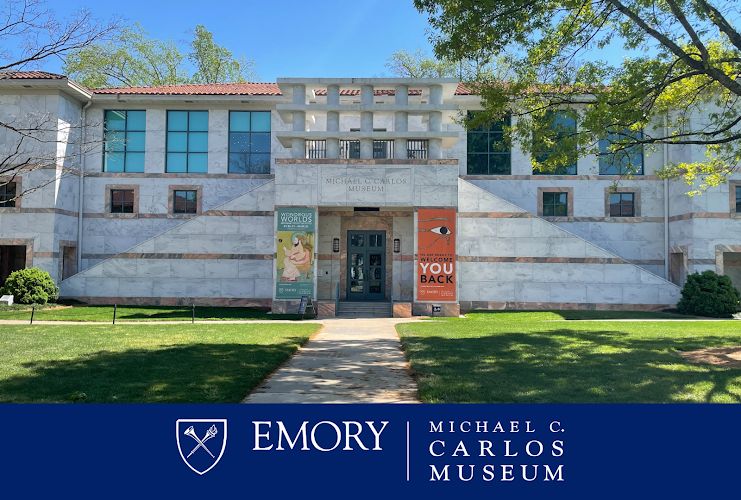
The museum’s architecture itself deserves mention – designed by renowned architect Michael Graves, the building combines postmodern elements with classical references that somehow perfectly complement the ancient artifacts housed within. It’s not just a container for art; it’s part of the experience. The natural light filtering through carefully placed windows illuminates sculptures and pottery in ways that make you appreciate the craftsmanship even more.
What makes the Carlos Museum particularly valuable for travelers is its manageable size. You can genuinely see the entire collection in a few hours without feeling rushed or exhausted. But don’t let the smaller footprint fool you – the quality of what’s here rivals institutions ten times its size. The curators have done exceptional work selecting pieces that tell compelling stories about ancient civilizations, from everyday life to religious practices to artistic innovation.
Key Features
The Carlos Museum offers visitors several standout collections and amenities that enhance the overall experience:
• Extensive Egyptian collection featuring multiple mummies, canopic jars, and burial artifacts that provide insight into ancient funerary practices
• Impressive Greek and Roman galleries showcasing pottery, sculptures, and everyday objects from classical antiquity
• Ancient Near Eastern artifacts including Mesopotamian cylinder seals and cuneiform tablets
• Sub-Saharan African art collection highlighting diverse cultural traditions
• Ancient Americas exhibit featuring pre-Columbian artifacts from various indigenous cultures
• Special rotating exhibitions that bring fresh perspectives and rarely-seen pieces to visitors
• Live performances and cultural events that bring ancient traditions to life in contemporary contexts
• Active military discounts making cultural enrichment accessible to service members
• Fully wheelchair accessible facilities including entrance, restrooms, seating areas, and even wheelchair rentals for those who need them
• Onsite gift shop offering unique reproductions, books, and culturally-inspired items you won’t find elsewhere
• Free parking garage access, which is honestly a godsend in Atlanta where parking can be a nightmare
• Educational tours led by knowledgeable staff who genuinely love sharing these collections
• Theater space for lectures, film screenings, and special presentations
• Cafe area where you can grab refreshments and discuss what you’ve seen
• Complimentary Wi-Fi throughout the museum
• Family-friendly environment with educational programs designed for children
• LGBTQ+ friendly and designated transgender safe space, ensuring all visitors feel welcome
Best Time to Visit
Timing your visit to the Carlos Museum can significantly impact your experience. Weekday mornings, particularly Tuesday through Thursday between 10 AM and noon, offer the most peaceful browsing. You’ll often have entire galleries almost to yourself, which really lets you connect with the artifacts without distractions.
Weekends tend to draw more families and can get busier, though it rarely feels crowded compared to major metropolitan museums. If you’re traveling with kids, Saturday mornings around 11 AM work well since the museum offers family-oriented programming that makes ancient history accessible and engaging for younger visitors.
The academic calendar plays a role since the museum sits on a university campus. During Emory’s summer break (late May through August), you’ll find fewer students, which means quieter galleries. But during the school year, you might encounter class groups – usually they’re focused on specific exhibits and won’t interfere much with your visit.
Season-wise, spring and fall bring the most pleasant weather for walking around the campus and exploring the outdoor sculpture installations. Atlanta summers can be brutally hot, but since the museum is climate-controlled, it actually makes for a perfect respite from the heat. Winter visits have their own appeal – there’s something contemplative about viewing ancient artifacts while it’s cold and gray outside.
Special exhibitions and events can dramatically change the experience. The museum hosts occasional evening events with live performances reflecting ancient cultures – these are absolutely worth planning around if your schedule allows. Check their calendar before your trip because these events fill up quickly and provide a completely different perspective on the collections.
Avoid the first Sunday of major exhibition openings unless you specifically want to be part of the buzz. These draw significant crowds of art enthusiasts and can make careful viewing challenging.
How to Get There
Getting to the Michael C. Carlos Museum requires a bit of navigation since it’s situated on a university campus rather than in downtown Atlanta, but it’s definitely manageable with a little planning.
If you’re driving, the museum provides both free and paid parking garage options right on campus, which is genuinely convenient. From downtown Atlanta, take I-85 North to the North Druid Hills exit, then follow the signs toward Emory University. The campus can feel a bit maze-like if you’re unfamiliar with it, so using GPS navigation is recommended even for locals. Look for the Peavine parking deck – it’s closest to the museum and typically has availability.
For those using rideshare services like Uber or Lyft, simply enter “Michael C. Carlos Museum” as your destination. Drivers are generally familiar with the location, and there’s a convenient dropoff area near the entrance. The ride from downtown Atlanta typically takes 15-20 minutes depending on traffic, though Atlanta traffic being what it is, always budget extra time.
Public transportation is trickier but doable. MARTA, Atlanta’s public transit system, doesn’t have a direct route to the museum. Your best bet is taking MARTA to the Lindbergh Center or Brookhaven stations, then catching an Emory shuttle or rideshare for the final leg. It’s not the most efficient route, honestly, but it works if you’re committed to avoiding driving.
Many travelers staying in the Buckhead or Midtown areas find the museum quite accessible – it’s only about 10-15 minutes from either neighborhood during non-rush hours. And if you’re already planning to visit the Centers for Disease Control Museum or other Emory-adjacent attractions, you can easily combine them into a single trip.
Tips for Visiting
After multiple visits to the Carlos Museum, I’ve picked up some insights that’ll help you make the most of your time there.
First off, don’t rush through the Egyptian collection. I know everyone wants to see the mummies – they’re undeniably fascinating – but spend time with the smaller objects too. The jewelry, cosmetic containers, and everyday items tell stories about real people’s lives in ways that the monumental stuff sometimes misses. There’s a beautiful cosmetic spoon shaped like a swimming girl that I could look at for hours.
Download or grab a printed gallery guide when you arrive. The museum does an excellent job explaining context, but having that extra information enhances your understanding tremendously. Some artifacts look simple at first glance but represent revolutionary artistic or technological achievements when you know their history.
If you’re traveling with kids, ask about the family activity packs at the admission desk. These include hands-on materials that help children engage with what they’re seeing rather than just walking past displays. And the museum genuinely welcomes families – the staff understands that kids learn through interaction and won’t frown at reasonable questions or excitement.
Plan at least two hours for your visit, maybe three if you’re particularly interested in ancient cultures. While the museum isn’t huge, giving yourself time to actually absorb what you’re seeing rather than just checking boxes makes all the difference. I’ve done both the rushed version and the leisurely version, and trust me, slower is better here.
The gift shop deserves more than a cursory browse on your way out. It’s stocked with thoughtfully curated items including quality reproductions, scholarly books, and unique gifts. I picked up a reproduction of an ancient Greek oil lamp once that’s become one of my favorite conversation pieces at home.
Take advantage of the free tours if timing works out. The docents bring incredible knowledge and passion to their presentations. They’ll point out details you’d absolutely miss on your own and share stories that make the ancient world feel immediate and relevant.
Wear comfortable shoes even though the museum isn’t enormous. You’ll want to move between galleries, possibly multiple times, and those marble floors can be hard on tired feet after a while.
Photography is generally allowed for personal use, but check current policies and be respectful of other visitors. And please, no flash photography – it’s bad for the artifacts and annoying for everyone around you.
If you need a break, the cafe provides a comfortable spot to rest and reflect on what you’ve seen. Sometimes stepping away and then returning to galleries with fresh eyes helps you notice things you missed initially.
Finally, consider becoming a member if you’re in Atlanta frequently or planning multiple visits. The membership pays for itself quickly and supports the museum’s educational mission. Plus members get early access to special exhibitions and invitations to exclusive events.
The Carlos Museum represents something increasingly rare – a place where you can engage with human creativity and ingenuity across thousands of years without feeling overwhelmed or processed through a corporate experience. It’s authentic, educational, and surprisingly moving if you let yourself slow down and really look at what our ancestors created.
Key Highlights
- Extensive ancient art collections (Egyptian, Greek, Roman, Near Eastern, African, Pre-Columbian)
- Notable Egyptian funerary art and mummies
- Rotating special exhibitions and scholarly programming
- Accessible, well-labeled galleries suited to families and students
- Location on Emory University’s historic quadrangle with easy campus access
Location
Places to Stay Near Michael C. Carlos Museum
Find and Book a Tour
Explore More Travel Guides
No reviews found! Be the first to review!
Traveler Reviews for Michael C. Carlos Museum
There are no reviews yet. Be the first one to write one.
Have you visited Michael C. Carlos Museum? Help other travelers by sharing your review.
Nearby Attractions
Find Accommodations Nearby
Recommended Tours & Activities
Visitor Reviews
There are no reviews yet. Be the first one to write one.
Share Your Experience
Have you visited Michael C. Carlos Museum? Help other travelers by leaving a review.
