Mežciems Memorial of the Genocide against Jews and Daugavpils Ghetto victims
About Mežciems Memorial of the Genocide against Jews and Daugavpils Ghetto victims
Description
The Mežciems Memorial of the Genocide against Jews and Daugavpils Ghetto victims isn't your usual park or solemn stone monument you'd find tucked away in a textbook or quietly listed in a city guide. There's something quietly haunting, yet unapologetically honest about this memorial in Daugavpils pilsēta, Latvia. It's a place that settles in your memory long after you walk through—I'd even go as far as to call it necessary, not just for history buffs or the deeply curious traveler, but for anyone who wants to look at the world a little more honestly.
In the 1940s, this region witnessed one of the darkest epochs of the 20th century. The Nazi occupation saw thousands of Latvia's Jewish population forced into the Daugavpils Ghetto—cruelly cut off from the rest of the world, stripped of dignity, and ultimately, for many, life itself. The Mežciems Memorial doesn’t just acknowledge these horrors; it channels them into something palpable, etched in stone and silence. The way the park is laid out gives you space—to feel, reflect, maybe even grieve, or just try to wrap your head around the scale of loss the numbers can barely hint at.
I've wandered my fair share of memorials in Europe, and I’ll tell you: there’s an unfiltered, raw humility here. There’s no commercial overload or cheery desperation to be uplifting. Instead, you get information panels and sculpted stones, some nearly swallowed by nature, setting a tone that's both respectful and deeply sobering. Kids, dogs—everyone’s allowed, and that feels right, like it’s a space belonging to the living, carrying remembrance forward.
But don't be put off by the gravity of the subject; this park is as much about peace and learning as it is about sorrow. Bring your questions, your patience, and maybe a friend for a thoughtful stroll. Or just come as you are. No one's going to judge you here. Everyone’s got their own way of processing places like this.
Key Features
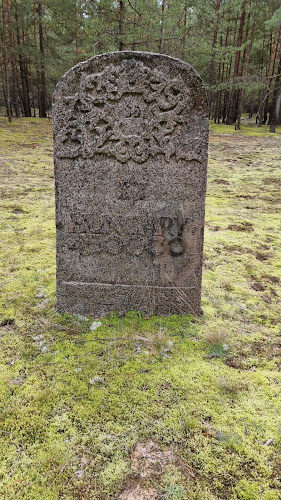
- Memorial Stones and Sculptures: Striking stone markers detail personal stories and pay tribute to individuals—these aren’t faceless victims. Memorial artworks and plaques are set within the landscape and invite close-up reading and quiet reflection. I spent a while tracing my fingers over names. It’s a simple act, but it kinda tethers you to the past, you know?
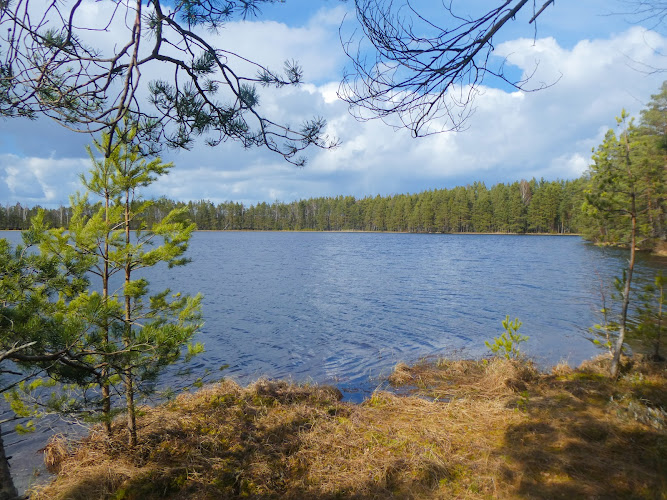
- Serene Natural Surroundings: The park is woven into the woods outside the city. Birds, wind, rustling leaves—the natural soundscape fosters reflection. If you’re someone who needs air and space to process heavy topics, you’ll appreciate it here.
- Educational Displays: Information panels explain harrowing historical events in a clear, no-nonsense style. You won't get lost in jargon, which I always find helps focus on the real stories. Great for all ages—kids will probably have questions, so be ready.
- Accessibility: Gentle walking paths make the site suitable for families, older travellers, and even four-legged companions. Strollers or wheelchairs can manage most of the terrain, though after rain it might get a bit mushy, so plan footwear accordingly.
- Quiet Spaces for Remembrance: Benches and secluded corners allow for private contemplation. Sometimes it’s just nice to sit with your thoughts, and this memorial seems to get that.
Best Time to Visit
Honestly, there's no bad time to visit the Mežciems Memorial, but certain seasons give the place a unique atmosphere. In spring and summer, everything's lush—flowers poking up through the grass, trees casting shifting shadows over the stones. You might catch families taking quiet strolls or locals tending to the space, keeping memory alive in small ways.
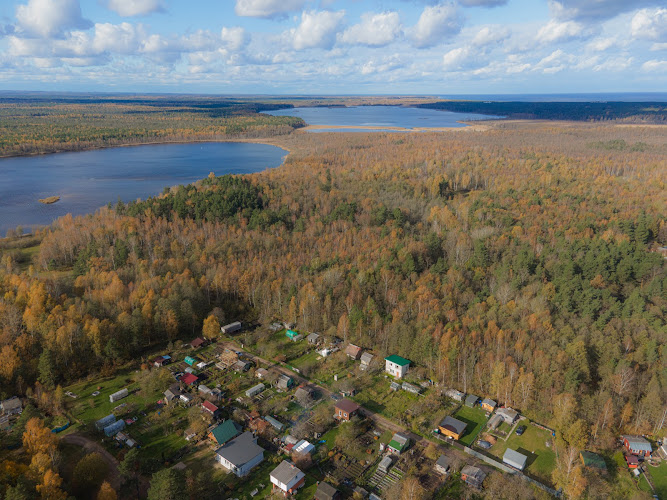
Autumn—now there’s something special about coming when the leaves begin turning. The changing colors seem to echo the complexity and inevitable passage of time. The air is crisp. It's dramatic, even, if you don't mind pulling on an extra sweater or braving a bit of chill.
Winter offers stark beauty; the snow muffles footsteps and amplifies the silence, making the gravity of the memorial feel even more profound. It's cold, sure, but sometimes experiencing places like this with fewer distractions—just you, the stones, and the pale sky—can be transformative.
If crowds matter to you, you’ll be relieved to hear this place is rarely “packed.” It’s a local secret more than a tourist hotspot. Weekdays are especially peaceful. But if you want a chance to join in commemorative events (think Holocaust Remembrance Day or other memorial moments), check ahead—these gatherings bring a different, communal energy worth experiencing at least once.
How to Get There
Getting to the Mežciems Memorial requires a bit of planning, but it’s well worth the effort. If you’re already in Daugavpils, you’re in luck—it’s just a short drive or bus ride out of the city center. Taxis and rideshares are also an option, particularly handy if you’re not keen on public transport or fancy a more flexible schedule.
For the more adventurous among you (or those who, like me, believe every detour is a potential mini-adventure), walking or cycling to the site offers a unique introduction to the outskirts of the city. Wear comfy shoes—parts of the route turn into dirt tracks and forest paths, and they’re not always marked the way you'd want them to be, but honestly, that's half the fun. Just remember to map it out in advance and bring some water, especially in summer.
If you choose to go by bus, routes servicing the Mežciems area are fairly regular on weekdays, less so on Sundays or late at night. Double-check schedules lest you end up with a long wait at a cold bus stop. Oh, and if you’re traveling with a dog, Latvia’s quite pet-friendly—so no worries bringing along your furry buddy.
Tips for Visiting
- Plan for Reflection: I suggest blocking out at least an hour—even longer if the weather’s inviting—and allowing yourself to wander, read, and just sit. There's a lot to take in, both historically and emotionally. And if you need a moment, those benches will be waiting.
- Dress for the Weather: The memorial park is outdoors and Latvia’s weather can be capricious. Bring an umbrella or layers just in case, and shoes that won’t mind a bit of mud—especially in autumn or after rain.
- Bring Children, But Be Ready for Questions: Kids are welcome, but the story here is heavy. Depending on your child’s age, be ready to explain events sensitively—though seeing other families in the space is heartening. History can’t just be sanitized, after all.
- Photos Are Allowed (But With Respect): If you want to take pictures, go ahead—but avoid posing in a way that’d miss the gravity of the place. Some spots just ask to be encountered, not Instagrammed.
- Pets Are Welcome, But Keep Them Close: If your dog’s tagging along, keep them on a leash and don’t let them climb the sculptures. Simple respect—plus, there’s plenty of open space for a brisk walk after your visit.
- Accessibility: Most of the park is wheelchair and stroller accessible, though in rainy months or heavy snow, some paths can get tricky. If you or a companion needs assistance, better to call ahead or check with a local organizer.
- No Entrance Fees: Visiting is free. If you want to support preservation or local education efforts, look out for donation boxes or inquire about volunteering opportunities.
- Local Knowledge: Chat with locals if you meet them around. Some have personal or family memory of the events or might share a perspective you'll never find in a history book. I once met an elderly man who simply nodded as he laid a single stone atop a monument—a tiny gesture, but weighty with meaning.
- Combine With Other Sights: If you’re traveling through Daugavpils, consider fitting in a visit to the local fortress or art centers. Reflecting at the Mežciems Memorial gives powerful context to the city’s layered landscape—past, present, future all weaving together.
In the end, the Mežciems Memorial is more than a waypoint on a Latvian itinerary; it’s a lesson, a place to recalibrate our sense of history and empathy. Stay curious. Stay open. And take a moment to remember not just what happened, but how we, today, choose to honor that memory. If that’s not travel with a purpose, I don’t know what is.
Key Features
- Key Features
- Best Time to Visit
- How to Get There
- Tips for Visiting
More Details
Updated July 4, 2025
Table of Contents
- Description
- Key Features
- Best Time to Visit
- How to Get There
- Tips for Visiting
- Key Highlights
- Location
- Places to Stay Near Mežciems Memorial of the Genocide against Jews and Daugavpils Ghetto victims
- Find and Book a Tour
- Explore More Travel Guides
- Nearby Places You Might Like
- Traveler Reviews for Mežciems Memorial of the Genocide against Jews and Daugavpils Ghetto victims
- Share Your Experience
Description
The Mežciems Memorial of the Genocide against Jews and Daugavpils Ghetto victims isn’t your usual park or solemn stone monument you’d find tucked away in a textbook or quietly listed in a city guide. There’s something quietly haunting, yet unapologetically honest about this memorial in Daugavpils pilsēta, Latvia. It’s a place that settles in your memory long after you walk through—I’d even go as far as to call it necessary, not just for history buffs or the deeply curious traveler, but for anyone who wants to look at the world a little more honestly.
In the 1940s, this region witnessed one of the darkest epochs of the 20th century. The Nazi occupation saw thousands of Latvia’s Jewish population forced into the Daugavpils Ghetto—cruelly cut off from the rest of the world, stripped of dignity, and ultimately, for many, life itself. The Mežciems Memorial doesn’t just acknowledge these horrors; it channels them into something palpable, etched in stone and silence. The way the park is laid out gives you space—to feel, reflect, maybe even grieve, or just try to wrap your head around the scale of loss the numbers can barely hint at.
I’ve wandered my fair share of memorials in Europe, and I’ll tell you: there’s an unfiltered, raw humility here. There’s no commercial overload or cheery desperation to be uplifting. Instead, you get information panels and sculpted stones, some nearly swallowed by nature, setting a tone that’s both respectful and deeply sobering. Kids, dogs—everyone’s allowed, and that feels right, like it’s a space belonging to the living, carrying remembrance forward.
But don’t be put off by the gravity of the subject; this park is as much about peace and learning as it is about sorrow. Bring your questions, your patience, and maybe a friend for a thoughtful stroll. Or just come as you are. No one’s going to judge you here. Everyone’s got their own way of processing places like this.
Key Features
- Memorial Stones and Sculptures: Striking stone markers detail personal stories and pay tribute to individuals—these aren’t faceless victims. Memorial artworks and plaques are set within the landscape and invite close-up reading and quiet reflection. I spent a while tracing my fingers over names. It’s a simple act, but it kinda tethers you to the past, you know?
- Serene Natural Surroundings: The park is woven into the woods outside the city. Birds, wind, rustling leaves—the natural soundscape fosters reflection. If you’re someone who needs air and space to process heavy topics, you’ll appreciate it here.
- Educational Displays: Information panels explain harrowing historical events in a clear, no-nonsense style. You won’t get lost in jargon, which I always find helps focus on the real stories. Great for all ages—kids will probably have questions, so be ready.
- Accessibility: Gentle walking paths make the site suitable for families, older travellers, and even four-legged companions. Strollers or wheelchairs can manage most of the terrain, though after rain it might get a bit mushy, so plan footwear accordingly.
- Quiet Spaces for Remembrance: Benches and secluded corners allow for private contemplation. Sometimes it’s just nice to sit with your thoughts, and this memorial seems to get that.
Best Time to Visit
Honestly, there’s no bad time to visit the Mežciems Memorial, but certain seasons give the place a unique atmosphere. In spring and summer, everything’s lush—flowers poking up through the grass, trees casting shifting shadows over the stones. You might catch families taking quiet strolls or locals tending to the space, keeping memory alive in small ways.
Autumn—now there’s something special about coming when the leaves begin turning. The changing colors seem to echo the complexity and inevitable passage of time. The air is crisp. It’s dramatic, even, if you don’t mind pulling on an extra sweater or braving a bit of chill.
Winter offers stark beauty; the snow muffles footsteps and amplifies the silence, making the gravity of the memorial feel even more profound. It’s cold, sure, but sometimes experiencing places like this with fewer distractions—just you, the stones, and the pale sky—can be transformative.
If crowds matter to you, you’ll be relieved to hear this place is rarely “packed.” It’s a local secret more than a tourist hotspot. Weekdays are especially peaceful. But if you want a chance to join in commemorative events (think Holocaust Remembrance Day or other memorial moments), check ahead—these gatherings bring a different, communal energy worth experiencing at least once.
How to Get There
Getting to the Mežciems Memorial requires a bit of planning, but it’s well worth the effort. If you’re already in Daugavpils, you’re in luck—it’s just a short drive or bus ride out of the city center. Taxis and rideshares are also an option, particularly handy if you’re not keen on public transport or fancy a more flexible schedule.
For the more adventurous among you (or those who, like me, believe every detour is a potential mini-adventure), walking or cycling to the site offers a unique introduction to the outskirts of the city. Wear comfy shoes—parts of the route turn into dirt tracks and forest paths, and they’re not always marked the way you’d want them to be, but honestly, that’s half the fun. Just remember to map it out in advance and bring some water, especially in summer.
If you choose to go by bus, routes servicing the Mežciems area are fairly regular on weekdays, less so on Sundays or late at night. Double-check schedules lest you end up with a long wait at a cold bus stop. Oh, and if you’re traveling with a dog, Latvia’s quite pet-friendly—so no worries bringing along your furry buddy.
Tips for Visiting
- Plan for Reflection: I suggest blocking out at least an hour—even longer if the weather’s inviting—and allowing yourself to wander, read, and just sit. There’s a lot to take in, both historically and emotionally. And if you need a moment, those benches will be waiting.
- Dress for the Weather: The memorial park is outdoors and Latvia’s weather can be capricious. Bring an umbrella or layers just in case, and shoes that won’t mind a bit of mud—especially in autumn or after rain.
- Bring Children, But Be Ready for Questions: Kids are welcome, but the story here is heavy. Depending on your child’s age, be ready to explain events sensitively—though seeing other families in the space is heartening. History can’t just be sanitized, after all.
- Photos Are Allowed (But With Respect): If you want to take pictures, go ahead—but avoid posing in a way that’d miss the gravity of the place. Some spots just ask to be encountered, not Instagrammed.
- Pets Are Welcome, But Keep Them Close: If your dog’s tagging along, keep them on a leash and don’t let them climb the sculptures. Simple respect—plus, there’s plenty of open space for a brisk walk after your visit.
- Accessibility: Most of the park is wheelchair and stroller accessible, though in rainy months or heavy snow, some paths can get tricky. If you or a companion needs assistance, better to call ahead or check with a local organizer.
- No Entrance Fees: Visiting is free. If you want to support preservation or local education efforts, look out for donation boxes or inquire about volunteering opportunities.
- Local Knowledge: Chat with locals if you meet them around. Some have personal or family memory of the events or might share a perspective you’ll never find in a history book. I once met an elderly man who simply nodded as he laid a single stone atop a monument—a tiny gesture, but weighty with meaning.
- Combine With Other Sights: If you’re traveling through Daugavpils, consider fitting in a visit to the local fortress or art centers. Reflecting at the Mežciems Memorial gives powerful context to the city’s layered landscape—past, present, future all weaving together.
In the end, the Mežciems Memorial is more than a waypoint on a Latvian itinerary; it’s a lesson, a place to recalibrate our sense of history and empathy. Stay curious. Stay open. And take a moment to remember not just what happened, but how we, today, choose to honor that memory. If that’s not travel with a purpose, I don’t know what is.
Key Highlights
- Key Features
- Best Time to Visit
- How to Get There
- Tips for Visiting
Location
Places to Stay Near Mežciems Memorial of the Genocide against Jews and Daugavpils Ghetto victims
Find and Book a Tour
Explore More Travel Guides
No reviews found! Be the first to review!
Traveler Reviews for Mežciems Memorial of the Genocide against Jews and Daugavpils Ghetto victims
There are no reviews yet. Be the first one to write one.
Have you visited Mežciems Memorial of the Genocide against Jews and Daugavpils Ghetto victims? Help other travelers by sharing your review.
Find Accommodations Nearby
Recommended Tours & Activities
Visitor Reviews
There are no reviews yet. Be the first one to write one.
Share Your Experience
Have you visited Mežciems Memorial of the Genocide against Jews and Daugavpils Ghetto victims? Help other travelers by leaving a review.