

Memory space – CMB
About Memory space – CMB
Description
Ever wander into a place that immediately makes you pause and reflect, maybe even rethink what a city remembers and what it lets fade into the background? Memory space – CMB in Barreiro, Portugal, is one of those rare museums. It’s not about pristine, shiny objects behind glass, but more about stories, people, and the very soul of Barreiro’s industrial past. Tucked inside what was once a beating heart of Portuguese industry—Parque Empresarial da Quimiparque—this museum invites you to dig beneath the surface of Portugal’s history.
Stepping through its wheelchair-accessible entrance, you’re greeted not by stuffy silence, but an easy-going atmosphere that feels both intentional and welcoming. It's obvious from the get-go that Memory space – CMB was built with thoughtfulness—families, school groups, solo explorers, even folks just curious about what this place on the map is all about, all feel at home. There’s something endearing and granular in the way Memory space doesn’t just show off artifacts, but instead weaves you straight into the narratives of workers, communities, and a city on the outskirts of Lisbon that so often gets overlooked.
On a practical note, accessibility isn’t lip service here: accessible parking, restrooms, you name it. And yes, it’s good for kids, even the ones who can’t sit still for more than five minutes. Kids can wander, point, and ask those big, impossible questions about life “back then.” But honestly, the grown-ups end up doing the same thing. I still remember my last trip. There was a guide, clearly passionate, who peppered her stories with tiny local details. The pride in her voice echoed the pride once booming through these now-quiet halls.
For travelers seeking an alternative to the usual tourist trail, Memory space – CMB is a portal into Barreiro’s layered narrative. It’s more than a museum; it’s a living, breathing repository of collective memory that highlights the city’s resilience, struggles, and transformation. It’s the kind of place where the scent of old paper and oil mingles, reminding you this isn’t just about the past but how memory shapes what Barreiro might become.
Key Features
- Immersive Industrial Heritage: Unravel the deeply woven ties between Barreiro and Portugal’s industrial revolution. This isn’t a run-of-the-mill tribute. The exhibits are grounded in real stories: machines, tools, uniforms, and countless faded photographs sourced from local workers and their families.
- Family-Friendly & Educational: Whether you're shepherding energetic kids, curious teens, or just yourself, there’s a genuinely engaging experience. Interactive displays mean children can learn by touching, questioning, and exploring.
- Accessible to All: Every corner is thoughtfully designed with accessibility in mind—wheelchair users can navigate easily from the parking lot to the restroom to the galleries.
- Atmosphere That Resonates: The vibe is relaxed, authentic, and unpretentious. There’s zero pressure to “be quiet,” but a subtle encouragement to connect and converse—almost like the museum was built for the city to talk to itself.
- No Restaurant, But Worth It: Yes, there’s no café or restaurant onsite, which caught me off guard the first time. But think of it as a nudge to explore nearby eateries in Barreiro afterwards, most of which ooze local flavor and hospitality.
- Inclusive Programming: From school visits to community events, the Memory space often hosts talks, workshops, and temporary exhibits that regularly switch things up. Even if you’ve visited before, check out what’s new.
- Genuine Reviews: Memory space – CMB enjoys a solid, positive reputation with hundreds of visitors leaving robust four- and five-star reviews. Of course, not everyone’s smitten—some folks find it humbler than flashier Lisbon museums—but most walk away feeling enriched, not just entertained.
Best Time to Visit
There’s beauty in timing your visit right, though Memory space – CMB operates year-round. My two cents? Target spring or autumn. Barreiro is glorious during these months—think pleasant temperatures, leafy breezes, and just enough sun to make wandering the city after your museum visit feel like a reward rather than a chore. Summer brings a busier vibe, which can mean not just hotter galleries (though well ventilated!) but louder footfalls, especially if you’re after some quiet reflection.
Off-peak weekdays are your best bet if you want space to linger, chat with a guide, or lose yourself in a particularly poignant exhibit. I once dropped by on a drizzly Tuesday morning, and it felt as if the whole museum had opened just for me. Winter is mild in Barreiro, so it’s never truly uncomfortable, but weather can occasionally be a downer if you’re mixing museum trips with riverside strolls.
Keep an eye out for local holidays and community events—which sometimes bring in extra programs or guided walks. If you’re the type who likes local curiosity piqued by a side of storytelling, call ahead to see if any special exhibits or talks are lined up around your visit date.
How to Get There
Honestly, getting to Memory space – CMB is half the charm, especially if you love a slice of authentic Portuguese daily life. Barreiro sits just southeast of Lisbon. If you’re flying in, Lisbon’s Humberto Delgado Airport is your likely entry, and from there, you’ve got options: ferries, trains, buses, private taxis, or car hires. I've hopped the ferry from Cais do Sodré to Barreiro more than once. It's a scenic ride, cheap, and lands you smack in the center of local activity. The train or bus from Lisbon is straightforward—often a smoother, more predictable journey, especially if you’re loaded with luggage or kids.
Once in Barreiro, the local bus network (Rodoviária) can get you within a short stroll. If you drive, parking right outside Memory space – CMB is possible, with ample space and dedicated accessible spots, so don’t stress about walking a mile with toddlers or mobility aids. The area is light on traffic compared to Lisbon’s city center, but do watch for local workers coming and going if you show up at peak industrial hours.
For the map-obsessed, it helps to know you’re heading towards the industrial Parque Empresarial da Quimiparque quadrant of Barreiro. There’s a certain “hidden-gem” feeling in wandering past factory gates, only to stumble upon the tranquil, story-rich halls of the museum. Some folks worry about the area being industrial—don’t. It’s safe, and the mix of old structures and new energy creates a visual history lesson in itself.
Tips for Visiting
- Pace Yourself: It’s easy to get swept up trying to see everything at once. Give yourself at least 1.5–2 hours. Some exhibits are more text-heavy or interactive, so allow time to listen, absorb, and reflect.
- No Onsite Restaurant: Don’t arrive starving. Grab a snack in central Barreiro or pack some light bites. There’s no café inside, but plenty of local spots within walking or short driving distance. I’ve had my best post-museum meals wandering into unassuming places nearby.
- Photos and Memories: Photography is generally allowed, but always check for specific exhibit signs. Some photo ops end up being the best souvenirs, so charge your phone or camera.
- Ask Questions: Staff are open and genuinely passionate. If a display seems mysterious or you crave deeper understanding, just ask. On my last visit, a local guide shared stories that aren't printed anywhere—about families, strikes, and the transformation of Barreiro itself.
- Avoid the Rush: Come early in the day or in the late afternoon when energy is lower. School groups and community visitors tend to come mid-mornings.
- Explore Nearby Attractions: If you’re making Memory space – CMB part of a wider Barreiro adventure, don’t miss the riverside walk along Baía do Tejo or the smaller cultural spots scattered nearby. Barreiro surprises with its overlooked corners—local bakeries, public art, even eclectic bookshops.
- Accommodation and Stays: While Barreiro isn’t thick with five-star hotels, there are several charming guesthouses and modern hotels near memory space – CMB. Booking ahead is wise, especially during festival season or school holidays. And you’ll find rates far gentler than those across the river in Lisbon.
- Accessibility Matters: If you’re traveling with someone who uses a wheelchair or mobility device, you’ll find navigation easy here. This isn’t always true in older Portuguese museums, so it’s a real relief.
- Bring an Open Mind: A lot of what you’ll discover isn’t just about objects, but intangible memory. If you approach the museum as a dialogue with the city’s own identity, you’ll get a lot more out of your visit.
To sum it up, Memory space – CMB stands out as a place where the stories of Barreiro’s people are kept alive, evolving with each visitor who walks in. Come for the history, linger for the humanity, and leave with a fresh perspective on what Portuguese memory truly means. And hey—if you stumble across a local sharing a family story in the gallery, count yourself lucky. That’s the best part of traveling—moments you can’t plan for, but can only find in places like this.
Key Features
- Local industrial and river-port history exhibits
- Documentary archives and photographic collections
- Community-driven temporary exhibitions and oral histories
- Compact, contemplative layout ideal for slow visits
- Educational displays connecting past labor and migration to modern Barreiro
More Details
Updated August 7, 2025
Table of Contents
Description
Ever wander into a place that immediately makes you pause and reflect, maybe even rethink what a city remembers and what it lets fade into the background? Memory space – CMB in Barreiro, Portugal, is one of those rare museums. It’s not about pristine, shiny objects behind glass, but more about stories, people, and the very soul of Barreiro’s industrial past. Tucked inside what was once a beating heart of Portuguese industry—Parque Empresarial da Quimiparque—this museum invites you to dig beneath the surface of Portugal’s history.
Stepping through its wheelchair-accessible entrance, you’re greeted not by stuffy silence, but an easy-going atmosphere that feels both intentional and welcoming. It’s obvious from the get-go that Memory space – CMB was built with thoughtfulness—families, school groups, solo explorers, even folks just curious about what this place on the map is all about, all feel at home. There’s something endearing and granular in the way Memory space doesn’t just show off artifacts, but instead weaves you straight into the narratives of workers, communities, and a city on the outskirts of Lisbon that so often gets overlooked.
On a practical note, accessibility isn’t lip service here: accessible parking, restrooms, you name it. And yes, it’s good for kids, even the ones who can’t sit still for more than five minutes. Kids can wander, point, and ask those big, impossible questions about life “back then.” But honestly, the grown-ups end up doing the same thing. I still remember my last trip. There was a guide, clearly passionate, who peppered her stories with tiny local details. The pride in her voice echoed the pride once booming through these now-quiet halls.
For travelers seeking an alternative to the usual tourist trail, Memory space – CMB is a portal into Barreiro’s layered narrative. It’s more than a museum; it’s a living, breathing repository of collective memory that highlights the city’s resilience, struggles, and transformation. It’s the kind of place where the scent of old paper and oil mingles, reminding you this isn’t just about the past but how memory shapes what Barreiro might become.
Key Features
- Immersive Industrial Heritage: Unravel the deeply woven ties between Barreiro and Portugal’s industrial revolution. This isn’t a run-of-the-mill tribute. The exhibits are grounded in real stories: machines, tools, uniforms, and countless faded photographs sourced from local workers and their families.
- Family-Friendly & Educational: Whether you’re shepherding energetic kids, curious teens, or just yourself, there’s a genuinely engaging experience. Interactive displays mean children can learn by touching, questioning, and exploring.
- Accessible to All: Every corner is thoughtfully designed with accessibility in mind—wheelchair users can navigate easily from the parking lot to the restroom to the galleries.
- Atmosphere That Resonates: The vibe is relaxed, authentic, and unpretentious. There’s zero pressure to “be quiet,” but a subtle encouragement to connect and converse—almost like the museum was built for the city to talk to itself.
- No Restaurant, But Worth It: Yes, there’s no café or restaurant onsite, which caught me off guard the first time. But think of it as a nudge to explore nearby eateries in Barreiro afterwards, most of which ooze local flavor and hospitality.
- Inclusive Programming: From school visits to community events, the Memory space often hosts talks, workshops, and temporary exhibits that regularly switch things up. Even if you’ve visited before, check out what’s new.
- Genuine Reviews: Memory space – CMB enjoys a solid, positive reputation with hundreds of visitors leaving robust four- and five-star reviews. Of course, not everyone’s smitten—some folks find it humbler than flashier Lisbon museums—but most walk away feeling enriched, not just entertained.
Best Time to Visit
There’s beauty in timing your visit right, though Memory space – CMB operates year-round. My two cents? Target spring or autumn. Barreiro is glorious during these months—think pleasant temperatures, leafy breezes, and just enough sun to make wandering the city after your museum visit feel like a reward rather than a chore. Summer brings a busier vibe, which can mean not just hotter galleries (though well ventilated!) but louder footfalls, especially if you’re after some quiet reflection.
Off-peak weekdays are your best bet if you want space to linger, chat with a guide, or lose yourself in a particularly poignant exhibit. I once dropped by on a drizzly Tuesday morning, and it felt as if the whole museum had opened just for me. Winter is mild in Barreiro, so it’s never truly uncomfortable, but weather can occasionally be a downer if you’re mixing museum trips with riverside strolls.
Keep an eye out for local holidays and community events—which sometimes bring in extra programs or guided walks. If you’re the type who likes local curiosity piqued by a side of storytelling, call ahead to see if any special exhibits or talks are lined up around your visit date.
How to Get There
Honestly, getting to Memory space – CMB is half the charm, especially if you love a slice of authentic Portuguese daily life. Barreiro sits just southeast of Lisbon. If you’re flying in, Lisbon’s Humberto Delgado Airport is your likely entry, and from there, you’ve got options: ferries, trains, buses, private taxis, or car hires. I’ve hopped the ferry from Cais do Sodré to Barreiro more than once. It’s a scenic ride, cheap, and lands you smack in the center of local activity. The train or bus from Lisbon is straightforward—often a smoother, more predictable journey, especially if you’re loaded with luggage or kids.
Once in Barreiro, the local bus network (Rodoviária) can get you within a short stroll. If you drive, parking right outside Memory space – CMB is possible, with ample space and dedicated accessible spots, so don’t stress about walking a mile with toddlers or mobility aids. The area is light on traffic compared to Lisbon’s city center, but do watch for local workers coming and going if you show up at peak industrial hours.
For the map-obsessed, it helps to know you’re heading towards the industrial Parque Empresarial da Quimiparque quadrant of Barreiro. There’s a certain “hidden-gem” feeling in wandering past factory gates, only to stumble upon the tranquil, story-rich halls of the museum. Some folks worry about the area being industrial—don’t. It’s safe, and the mix of old structures and new energy creates a visual history lesson in itself.
Tips for Visiting
- Pace Yourself: It’s easy to get swept up trying to see everything at once. Give yourself at least 1.5–2 hours. Some exhibits are more text-heavy or interactive, so allow time to listen, absorb, and reflect.
- No Onsite Restaurant: Don’t arrive starving. Grab a snack in central Barreiro or pack some light bites. There’s no café inside, but plenty of local spots within walking or short driving distance. I’ve had my best post-museum meals wandering into unassuming places nearby.
- Photos and Memories: Photography is generally allowed, but always check for specific exhibit signs. Some photo ops end up being the best souvenirs, so charge your phone or camera.
- Ask Questions: Staff are open and genuinely passionate. If a display seems mysterious or you crave deeper understanding, just ask. On my last visit, a local guide shared stories that aren’t printed anywhere—about families, strikes, and the transformation of Barreiro itself.
- Avoid the Rush: Come early in the day or in the late afternoon when energy is lower. School groups and community visitors tend to come mid-mornings.
- Explore Nearby Attractions: If you’re making Memory space – CMB part of a wider Barreiro adventure, don’t miss the riverside walk along Baía do Tejo or the smaller cultural spots scattered nearby. Barreiro surprises with its overlooked corners—local bakeries, public art, even eclectic bookshops.
- Accommodation and Stays: While Barreiro isn’t thick with five-star hotels, there are several charming guesthouses and modern hotels near memory space – CMB. Booking ahead is wise, especially during festival season or school holidays. And you’ll find rates far gentler than those across the river in Lisbon.
- Accessibility Matters: If you’re traveling with someone who uses a wheelchair or mobility device, you’ll find navigation easy here. This isn’t always true in older Portuguese museums, so it’s a real relief.
- Bring an Open Mind: A lot of what you’ll discover isn’t just about objects, but intangible memory. If you approach the museum as a dialogue with the city’s own identity, you’ll get a lot more out of your visit.
To sum it up, Memory space – CMB stands out as a place where the stories of Barreiro’s people are kept alive, evolving with each visitor who walks in. Come for the history, linger for the humanity, and leave with a fresh perspective on what Portuguese memory truly means. And hey—if you stumble across a local sharing a family story in the gallery, count yourself lucky. That’s the best part of traveling—moments you can’t plan for, but can only find in places like this.
Key Highlights
- Local industrial and river-port history exhibits
- Documentary archives and photographic collections
- Community-driven temporary exhibitions and oral histories
- Compact, contemplative layout ideal for slow visits
- Educational displays connecting past labor and migration to modern Barreiro
Location
Places to Stay Near Memory space - CMB
Find and Book a Tour
Explore More Travel Guides
No reviews found! Be the first to review!
Traveler Reviews for Memory space – CMB
There are no reviews yet. Be the first one to write one.
Have you visited Memory space – CMB? Help other travelers by sharing your review.
Nearby Attractions
You Might Also Like
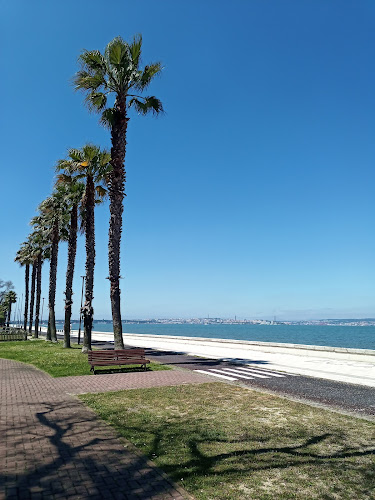
Avenida da Praia

Convento da Madre de Deus da Verderena
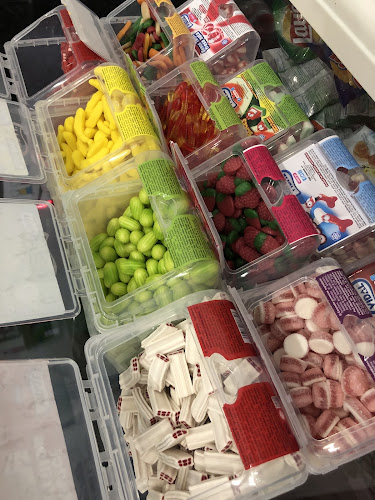
Hobby - Game Spot
Find Accommodations Nearby
Recommended Tours & Activities
Visitor Reviews
There are no reviews yet. Be the first one to write one.
Share Your Experience
Have you visited Memory space – CMB? Help other travelers by leaving a review.