
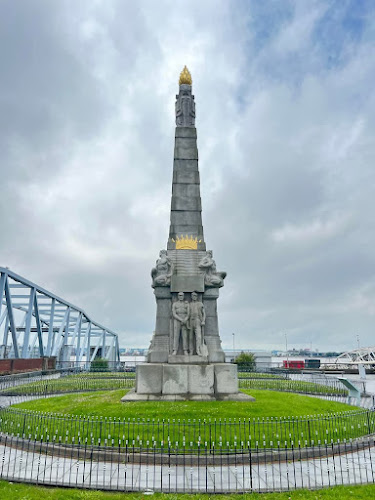
Memorial to the Marine Engine Room Heroes
About Memorial to the Marine Engine Room Heroes
Description
The Memorial to the Marine Engine Room Heroes stands as a powerful tribute to 244 engineers who perished in the 1912 Titanic disaster. This granite monument honors the brave men who stayed at their posts in the ship's engine rooms, maintaining power and pumping systems even as the vessel sank into the icy Atlantic waters. Their dedication allowed hundreds of passengers to escape while they themselves had virtually no chance of survival. When you stand before this memorial, you're not just looking at another historical marker. You're witnessing a testament to extraordinary courage under the most unthinkable circumstances. These engineers could have fled to the lifeboats, but they chose to remain below deck, working desperately to keep the lights on and the pumps running. I've visited quite a few memorials in my time, and there's something particularly moving about this one - maybe it's because these heroes didn't get the same recognition as the ship's band or the captain. They worked in obscurity during their lives and died the same way. The monument itself is crafted from solid granite, a material chosen deliberately for its endurance and strength. It mirrors the steadfast nature of those it commemorates. While many Titanic memorials focus on passengers or the tragedy as a whole, this particular landmark shines a light on the unsung heroes whose names are often lost to history. These weren't wealthy first-class passengers or famous musicians. They were working men with families, doing their jobs right up until the end. For travelers interested in maritime history or the Titanic story specifically, this memorial offers a different perspective than what you'll find in museums or exhibitions. It's a contemplative space that encourages reflection on sacrifice, duty, and the human cost of historical disasters.Key Features
The Memorial to the Marine Engine Room Heroes presents several distinctive elements that make it worth including in your travel itinerary: • Solid granite construction that has weathered decades while maintaining its dignified appearance • Dedicated specifically to the 244 engineers and crew members who worked in the Titanic's engine rooms, boiler rooms, and electrical departments • Wheelchair accessible entrance ensuring all visitors can pay their respects regardless of mobility challenges • Quieter atmosphere compared to more tourist-heavy Titanic attractions, allowing for genuine reflection • Historical significance as one of the few memorials exclusively honoring the ship's engineering staff • Photographic opportunities that capture both the monument's architectural details and its emotional impact • Educational value for those wanting to understand the complete Titanic story beyond passenger experiences • Free to visit, making it an accessible attraction for budget-conscious travelers • Parking facilities available nearby for those arriving by car • Year-round accessibility for visitors in different seasonsBest Time to Visit
Timing your visit to the Memorial to the Marine Engine Room Heroes can significantly impact your experience. And honestly, there's no single "perfect" time because it depends on what you're looking for. If you prefer a quieter, more contemplative visit, early mornings during weekdays are your best bet. I've found that showing up around 8 or 9 AM means you'll likely have the memorial practically to yourself. There's something special about standing there in the morning light without crowds, really taking in the weight of what you're seeing. The atmosphere feels more personal, more reflective. Weather-wise, late spring through early autumn offers the most comfortable conditions. April through October generally provides mild temperatures that make standing and reading the memorial's inscriptions pleasant. But don't completely write off winter visits. There's an appropriate solemnity to seeing the memorial in cold, gray weather - it somehow feels fitting given the circumstances these engineers faced in the freezing Atlantic. Summer months, particularly July and August, bring more tourists to the area. You'll encounter more visitors, which can detract from the contemplative atmosphere. However, if you're traveling with family or want to combine this visit with other attractions, summer offers the most flexibility with longer daylight hours. For those interested in Titanic remembrance events, visiting around April 15th - the anniversary of the sinking - can be meaningful. Some years see small ceremonies or gatherings of Titanic enthusiasts. Though check ahead because these aren't guaranteed annual events. Weekends obviously draw more visitors than weekdays, but the memorial rarely gets truly crowded compared to other tourist attractions. Even on a busy Saturday, you can usually find a moment of quiet if you're patient. One thing to consider: if you're combining this visit with other maritime or historical sites in the area, plan accordingly. Don't rush through this memorial because you've got five other places to hit that day. Give yourself at least 20-30 minutes to really absorb the experience.How to Get There
Reaching the Memorial to the Marine Engine Room Heroes is straightforward, though your transportation method will depend on where you're staying and your personal preferences. For those driving, the memorial provides access to a paid parking lot nearby. This is probably your most convenient option if you're exploring the broader region by car. The parking fees are standard for tourist areas - nothing outrageous but factor it into your budget. I always recommend arriving with some change or ensuring your parking app is set up beforehand to avoid that annoying scramble when you arrive. Public transportation options vary depending on your starting point, but the memorial is generally accessible via local bus routes. Check current schedules before you head out because service frequency can change seasonally. And be aware that some routes might require a short walk from the nearest stop to the memorial itself. Walking to the memorial is entirely feasible if you're staying in the immediate vicinity. It's actually a pleasant way to approach the monument, giving you time to mentally prepare for the experience. The area around the memorial is pedestrian-friendly, and the wheelchair accessible entrance means those with mobility devices won't encounter barriers. Taxi or rideshare services work perfectly fine for getting to the memorial, though you'll want to confirm pickup logistics ahead of time. Not every location has strong cell service for arranging rides, so plan your return journey before you arrive. For international travelers or those coming from farther distances, you'll likely arrive at a regional airport first. From there, rental cars offer the most flexibility for visiting this and other area attractions. Public transit connections exist but may involve transfers depending on your exact route. One practical tip: download or screenshot directions before you leave your accommodation. GPS generally works well, but having backup navigation never hurts, especially if you're in an area with spotty coverage.Tips for Visiting
Making the most of your visit to the Memorial to the Marine Engine Room Heroes requires some practical preparation and the right mindset. First off, dress appropriately for the weather. This might seem obvious, but I've seen too many tourists shivering in shorts when they didn't check the forecast. The memorial is outdoors with limited shelter, so if there's rain predicted, bring an umbrella or waterproof jacket. Comfortable walking shoes are essential even though you won't be hiking miles. Bring a camera or ensure your phone is charged. The memorial photographs beautifully, and you'll want to capture both wide shots of the entire monument and close-ups of the inscriptions and details. Early morning or late afternoon light provides the best conditions for photography, with softer shadows and warmer tones. Take time to actually read the inscriptions and information plaques. Too many visitors snap a quick photo and leave without understanding what they're seeing. The names, when listed, represent real people with real families who waited desperately for news that never came. Reading them aloud, even quietly to yourself, can make the memorial more personal. If you're visiting with children, prepare them beforehand about what they'll see and why it matters. This isn't a playground - it's a solemn memorial. That doesn't mean kids can't visit, but they should understand the appropriate behavior. I've found that explaining the story of the engineers beforehand helps children appreciate what they're seeing rather than just viewing it as another boring monument. The memorial is wheelchair accessible, which is fantastic, but if you're visiting with someone who has mobility challenges, confirm the specific access routes beforehand. Sometimes "accessible" doesn't mean "easily accessible," and knowing what to expect prevents frustration. Plan to spend at least 20-30 minutes here, maybe longer if you're a history enthusiast. Rushing through defeats the purpose. Bring some water, especially in warmer months, and find a spot to just sit and reflect for a few minutes. Be respectful of others who are visiting. Keep conversations quiet and avoid treating the memorial as merely a photo backdrop for selfies. I know that sounds preachy, but memorials deserve reverence, particularly one honoring people who died so horrifically. If you're interested in learning more about the engineers specifically, do some research beforehand. The memorial itself provides basic information, but knowing individual stories makes the visit more impactful. There are several books and online resources about the Titanic's engineering crew that can deepen your understanding. Paid parking means bringing payment methods the lot accepts - whether that's coins, cards, or app-based payment. Nothing's more frustrating than arriving and realizing you can't pay for parking. Finally, consider visiting during off-peak hours not just for smaller crowds but for better reflection opportunities. The memorial's purpose is remembrance, and that's hard to achieve when you're surrounded by chattering tour groups. Early mornings, as I mentioned before, really are ideal. The Memorial to the Marine Engine Room Heroes offers something that's increasingly rare in our rushed tourist culture: a chance to slow down and genuinely contemplate heroism and sacrifice. These 244 engineers represent the countless workers throughout history whose bravery goes unrecognized. They deserve our time and our respect, and this memorial provides the perfect setting for offering both.Key Features
- Granite obelisk dedicated to 244 engine-room staff from the Titanic
- Gilded decorative elements (sun rays, torch flames) and maritime iconography
- Located on St Nicholas Place at Liverpool Pier Head with river and city views
- Visible wartime shrapnel damage offering layered historical context
- Grade II* listed monument with connections to the White Star Line and local maritime history
More Details
Updated March 30, 2026
Table of Contents
- Description
- Key Features
- Best Time to Visit
- How to Get There
- Tips for Visiting
- Key Highlights
- Location
- Places to Stay Near Memorial to the Marine Engine Room Heroes
- Find and Book a Tour
- Explore More Travel Guides
- Nearby Places You Might Like
- Traveler Reviews for Memorial to the Marine Engine Room Heroes
- Share Your Experience
Description
The Memorial to the Marine Engine Room Heroes stands as a powerful tribute to 244 engineers who perished in the 1912 Titanic disaster. This granite monument honors the brave men who stayed at their posts in the ship’s engine rooms, maintaining power and pumping systems even as the vessel sank into the icy Atlantic waters. Their dedication allowed hundreds of passengers to escape while they themselves had virtually no chance of survival.
When you stand before this memorial, you’re not just looking at another historical marker. You’re witnessing a testament to extraordinary courage under the most unthinkable circumstances. These engineers could have fled to the lifeboats, but they chose to remain below deck, working desperately to keep the lights on and the pumps running. I’ve visited quite a few memorials in my time, and there’s something particularly moving about this one – maybe it’s because these heroes didn’t get the same recognition as the ship’s band or the captain. They worked in obscurity during their lives and died the same way.
The monument itself is crafted from solid granite, a material chosen deliberately for its endurance and strength. It mirrors the steadfast nature of those it commemorates. While many Titanic memorials focus on passengers or the tragedy as a whole, this particular landmark shines a light on the unsung heroes whose names are often lost to history. These weren’t wealthy first-class passengers or famous musicians. They were working men with families, doing their jobs right up until the end.
For travelers interested in maritime history or the Titanic story specifically, this memorial offers a different perspective than what you’ll find in museums or exhibitions. It’s a contemplative space that encourages reflection on sacrifice, duty, and the human cost of historical disasters.
Key Features
The Memorial to the Marine Engine Room Heroes presents several distinctive elements that make it worth including in your travel itinerary:
• Solid granite construction that has weathered decades while maintaining its dignified appearance
• Dedicated specifically to the 244 engineers and crew members who worked in the Titanic’s engine rooms, boiler rooms, and electrical departments
• Wheelchair accessible entrance ensuring all visitors can pay their respects regardless of mobility challenges
• Quieter atmosphere compared to more tourist-heavy Titanic attractions, allowing for genuine reflection
• Historical significance as one of the few memorials exclusively honoring the ship’s engineering staff
• Photographic opportunities that capture both the monument’s architectural details and its emotional impact
• Educational value for those wanting to understand the complete Titanic story beyond passenger experiences
• Free to visit, making it an accessible attraction for budget-conscious travelers
• Parking facilities available nearby for those arriving by car
• Year-round accessibility for visitors in different seasons
Best Time to Visit
Timing your visit to the Memorial to the Marine Engine Room Heroes can significantly impact your experience. And honestly, there’s no single “perfect” time because it depends on what you’re looking for.
If you prefer a quieter, more contemplative visit, early mornings during weekdays are your best bet. I’ve found that showing up around 8 or 9 AM means you’ll likely have the memorial practically to yourself. There’s something special about standing there in the morning light without crowds, really taking in the weight of what you’re seeing. The atmosphere feels more personal, more reflective.
Weather-wise, late spring through early autumn offers the most comfortable conditions. April through October generally provides mild temperatures that make standing and reading the memorial’s inscriptions pleasant. But don’t completely write off winter visits. There’s an appropriate solemnity to seeing the memorial in cold, gray weather – it somehow feels fitting given the circumstances these engineers faced in the freezing Atlantic.
Summer months, particularly July and August, bring more tourists to the area. You’ll encounter more visitors, which can detract from the contemplative atmosphere. However, if you’re traveling with family or want to combine this visit with other attractions, summer offers the most flexibility with longer daylight hours.
For those interested in Titanic remembrance events, visiting around April 15th – the anniversary of the sinking – can be meaningful. Some years see small ceremonies or gatherings of Titanic enthusiasts. Though check ahead because these aren’t guaranteed annual events.
Weekends obviously draw more visitors than weekdays, but the memorial rarely gets truly crowded compared to other tourist attractions. Even on a busy Saturday, you can usually find a moment of quiet if you’re patient.
One thing to consider: if you’re combining this visit with other maritime or historical sites in the area, plan accordingly. Don’t rush through this memorial because you’ve got five other places to hit that day. Give yourself at least 20-30 minutes to really absorb the experience.
How to Get There
Reaching the Memorial to the Marine Engine Room Heroes is straightforward, though your transportation method will depend on where you’re staying and your personal preferences.
For those driving, the memorial provides access to a paid parking lot nearby. This is probably your most convenient option if you’re exploring the broader region by car. The parking fees are standard for tourist areas – nothing outrageous but factor it into your budget. I always recommend arriving with some change or ensuring your parking app is set up beforehand to avoid that annoying scramble when you arrive.
Public transportation options vary depending on your starting point, but the memorial is generally accessible via local bus routes. Check current schedules before you head out because service frequency can change seasonally. And be aware that some routes might require a short walk from the nearest stop to the memorial itself.
Walking to the memorial is entirely feasible if you’re staying in the immediate vicinity. It’s actually a pleasant way to approach the monument, giving you time to mentally prepare for the experience. The area around the memorial is pedestrian-friendly, and the wheelchair accessible entrance means those with mobility devices won’t encounter barriers.
Taxi or rideshare services work perfectly fine for getting to the memorial, though you’ll want to confirm pickup logistics ahead of time. Not every location has strong cell service for arranging rides, so plan your return journey before you arrive.
For international travelers or those coming from farther distances, you’ll likely arrive at a regional airport first. From there, rental cars offer the most flexibility for visiting this and other area attractions. Public transit connections exist but may involve transfers depending on your exact route.
One practical tip: download or screenshot directions before you leave your accommodation. GPS generally works well, but having backup navigation never hurts, especially if you’re in an area with spotty coverage.
Tips for Visiting
Making the most of your visit to the Memorial to the Marine Engine Room Heroes requires some practical preparation and the right mindset.
First off, dress appropriately for the weather. This might seem obvious, but I’ve seen too many tourists shivering in shorts when they didn’t check the forecast. The memorial is outdoors with limited shelter, so if there’s rain predicted, bring an umbrella or waterproof jacket. Comfortable walking shoes are essential even though you won’t be hiking miles.
Bring a camera or ensure your phone is charged. The memorial photographs beautifully, and you’ll want to capture both wide shots of the entire monument and close-ups of the inscriptions and details. Early morning or late afternoon light provides the best conditions for photography, with softer shadows and warmer tones.
Take time to actually read the inscriptions and information plaques. Too many visitors snap a quick photo and leave without understanding what they’re seeing. The names, when listed, represent real people with real families who waited desperately for news that never came. Reading them aloud, even quietly to yourself, can make the memorial more personal.
If you’re visiting with children, prepare them beforehand about what they’ll see and why it matters. This isn’t a playground – it’s a solemn memorial. That doesn’t mean kids can’t visit, but they should understand the appropriate behavior. I’ve found that explaining the story of the engineers beforehand helps children appreciate what they’re seeing rather than just viewing it as another boring monument.
The memorial is wheelchair accessible, which is fantastic, but if you’re visiting with someone who has mobility challenges, confirm the specific access routes beforehand. Sometimes “accessible” doesn’t mean “easily accessible,” and knowing what to expect prevents frustration.
Plan to spend at least 20-30 minutes here, maybe longer if you’re a history enthusiast. Rushing through defeats the purpose. Bring some water, especially in warmer months, and find a spot to just sit and reflect for a few minutes.
Be respectful of others who are visiting. Keep conversations quiet and avoid treating the memorial as merely a photo backdrop for selfies. I know that sounds preachy, but memorials deserve reverence, particularly one honoring people who died so horrifically.
If you’re interested in learning more about the engineers specifically, do some research beforehand. The memorial itself provides basic information, but knowing individual stories makes the visit more impactful. There are several books and online resources about the Titanic’s engineering crew that can deepen your understanding.
Paid parking means bringing payment methods the lot accepts – whether that’s coins, cards, or app-based payment. Nothing’s more frustrating than arriving and realizing you can’t pay for parking.
Finally, consider visiting during off-peak hours not just for smaller crowds but for better reflection opportunities. The memorial’s purpose is remembrance, and that’s hard to achieve when you’re surrounded by chattering tour groups. Early mornings, as I mentioned before, really are ideal.
The Memorial to the Marine Engine Room Heroes offers something that’s increasingly rare in our rushed tourist culture: a chance to slow down and genuinely contemplate heroism and sacrifice. These 244 engineers represent the countless workers throughout history whose bravery goes unrecognized. They deserve our time and our respect, and this memorial provides the perfect setting for offering both.
Key Highlights
- Granite obelisk dedicated to 244 engine-room staff from the Titanic
- Gilded decorative elements (sun rays, torch flames) and maritime iconography
- Located on St Nicholas Place at Liverpool Pier Head with river and city views
- Visible wartime shrapnel damage offering layered historical context
- Grade II* listed monument with connections to the White Star Line and local maritime history
Location
Places to Stay Near Memorial to the Marine Engine Room Heroes
Find and Book a Tour
Explore More Travel Guides
No reviews found! Be the first to review!
Memorial to the Marine Engine Room Heroes is a prominent attractions located in Liverpool.
Visit us at: St Nicholas Pl, Canada Blvd, Liverpool L3 1QW, United Kingdom.
Traveler Reviews for Memorial to the Marine Engine Room Heroes
There are no reviews yet. Be the first one to write one.
Have you visited Memorial to the Marine Engine Room Heroes? Help other travelers by sharing your review.
Nearby Attractions
You Might Also Like
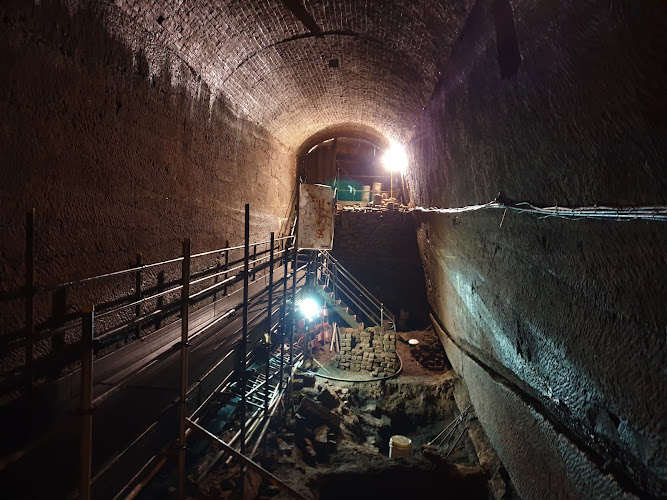
Williamson Tunnels Heritage Centre

Stanley Park & Garden

Wheel of Liverpool
Find Accommodations Nearby
Recommended Tours & Activities
Visitor Reviews
There are no reviews yet. Be the first one to write one.
Share Your Experience
Have you visited Memorial to the Marine Engine Room Heroes? Help other travelers by leaving a review.