
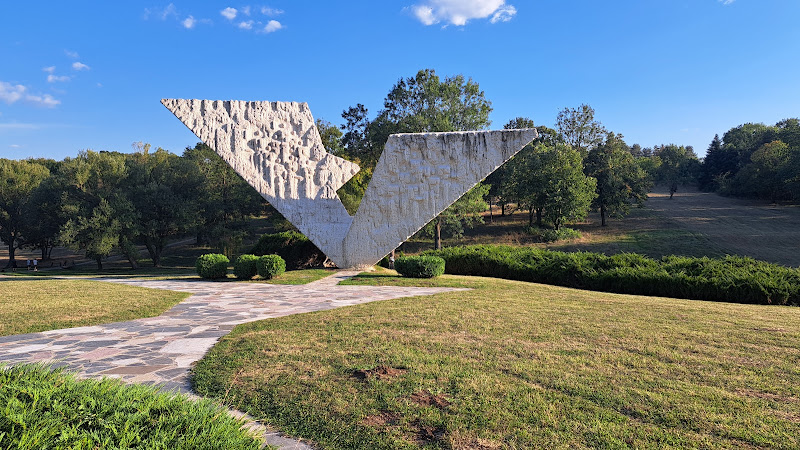
Memorial Park October in Kragujevac
About Memorial Park October in Kragujevac
Description
Memorial Park October in Kragujevac is one of those places that makes you stop, slow down, and really think about the weight of history. It’s not just a park – it’s a living reminder of one of the most tragic events of World War II, when thousands of civilians, including schoolchildren, were executed by occupying forces in 1941. Spread across 352 hectares, the park combines open green spaces, walking paths, and dozens of poignant sculptures that speak volumes without a single word. You can feel the silence here – not the awkward kind, but the kind that commands respect. It’s peaceful, yes, but it’s also heavy with memory.
The park is meticulously maintained, with wide paths that make it accessible for wheelchairs and strollers. And if you’re the kind of traveler who likes to take their time, you’ll appreciate how the layout encourages slow exploration. There’s a certain rhythm to walking here – you wander from one monument to the next, each telling a different part of the same heartbreaking story. Some visitors come for the history, others for the art, and some simply to pay their respects. Whatever your reason, it’s hard to leave without feeling moved.
Now, I’ll be honest – if you’re expecting a flashy tourist attraction, this isn’t it. This is a place for reflection, not entertainment. But that’s exactly what makes it so powerful. I still remember my first visit: I went in the late afternoon, when the sun was low and the shadows stretched long across the grass. It felt like the whole park was holding its breath. And that’s the thing – you don’t just see this place, you feel it.
Key Features
- Expansive 352-hectare grounds with open lawns, wooded areas, and memorial sites
- Dozens of sculptures and monuments, including the famous Monument to Executed Pupils
- Wheelchair accessible paths and entrances
- Free parking and on-site amenities like free Wi-Fi and a restaurant
- Peaceful walking trails designed for quiet reflection
- On-site museum offering deeper historical context
- Combination of art, history, and nature in one location
Best Time to Visit
While the park is open year-round, the experience changes with the seasons. Spring brings blooming trees and fresh greenery, which softens the somber mood just a little. Summer offers long daylight hours, making it easier to explore every corner. But if you ask me, autumn is the most powerful time to visit – the falling leaves and golden light seem to echo the passage of time and loss. Winter, on the other hand, strips everything down to its bare essence. Fewer visitors, crisp air, and a quiet that feels almost sacred.
Weekdays tend to be calmer, which is ideal if you want to reflect without distraction. Mornings are especially serene, while late afternoons can be downright atmospheric. Just remember, this is an outdoor space, so dress for the weather. I once underestimated a chilly October morning here – let’s just say my coffee didn’t stay hot for long.
How to Get There
Kragujevac is well-connected by road, and the park is just a short drive from the city center. If you’re coming from Belgrade, you’re looking at roughly a two-hour drive, depending on traffic. Public buses run from the main station, though schedules can be a bit unpredictable – so if you’re on a tight itinerary, renting a car or taking a taxi might be less stressful. Once you arrive, you’ll find free parking right by the entrance, which is a small but welcome perk.
If you’re the kind of traveler who likes to combine destinations, you can easily pair a visit here with other historical sites in the region. Just keep in mind that this park deserves more than a rushed hour – give yourself at least half a day to take it in properly.
Tips for Visiting
First and foremost, approach the park with respect. This is a memorial, not a picnic spot, and the atmosphere reflects that. Wear comfortable shoes – the grounds are vast, and you’ll be doing a fair bit of walking. If you’re visiting in summer, bring water; there’s shade, but the sun can still be relentless. And if you’re into photography, you’ll find plenty of striking compositions, though I’d recommend putting the camera down now and then to simply be present.
For history buffs, the on-site museum is a must. It’s not huge, but it’s packed with personal stories and artifacts that put faces to the numbers. If you don’t speak Serbian, you might want to arrange for a guide or use a translation app to get the most out of the exhibits. Families should be prepared for some difficult conversations – the story here is intense, and it’s important to handle it thoughtfully with younger visitors.
Finally, don’t rush your exit. There’s something about sitting on one of the benches, letting your thoughts settle before you leave, that feels right. I’ve done it every time I’ve visited, and it’s become my own quiet ritual. You might find it becomes yours too.
Key Features
- Expansive 352-hectare grounds with open lawns, wooded areas, and memorial sites
- Dozens of sculptures and monuments, including the famous Monument to Executed Pupils
- Wheelchair accessible paths and entrances
- Free parking and on-site amenities like free Wi-Fi and a restaurant
- Peaceful walking trails designed for quiet reflection
- On-site museum offering deeper historical context
- Combination of art, history, and nature in one location
More Details
Updated August 10, 2025
Table of Contents
- Description
- Key Features
- Best Time to Visit
- How to Get There
- Tips for Visiting
- Key Highlights
- Location
- Places to Stay Near Memorial Park October in Kragujevac
- Find and Book a Tour
- Explore More Travel Guides
- Nearby Places You Might Like
- Traveler Reviews for Memorial Park October in Kragujevac
- Share Your Experience
Description
Memorial Park October in Kragujevac is one of those places that makes you stop, slow down, and really think about the weight of history. It’s not just a park – it’s a living reminder of one of the most tragic events of World War II, when thousands of civilians, including schoolchildren, were executed by occupying forces in 1941. Spread across 352 hectares, the park combines open green spaces, walking paths, and dozens of poignant sculptures that speak volumes without a single word. You can feel the silence here – not the awkward kind, but the kind that commands respect. It’s peaceful, yes, but it’s also heavy with memory.
The park is meticulously maintained, with wide paths that make it accessible for wheelchairs and strollers. And if you’re the kind of traveler who likes to take their time, you’ll appreciate how the layout encourages slow exploration. There’s a certain rhythm to walking here – you wander from one monument to the next, each telling a different part of the same heartbreaking story. Some visitors come for the history, others for the art, and some simply to pay their respects. Whatever your reason, it’s hard to leave without feeling moved.
Now, I’ll be honest – if you’re expecting a flashy tourist attraction, this isn’t it. This is a place for reflection, not entertainment. But that’s exactly what makes it so powerful. I still remember my first visit: I went in the late afternoon, when the sun was low and the shadows stretched long across the grass. It felt like the whole park was holding its breath. And that’s the thing – you don’t just see this place, you feel it.
Key Features
- Expansive 352-hectare grounds with open lawns, wooded areas, and memorial sites
- Dozens of sculptures and monuments, including the famous Monument to Executed Pupils
- Wheelchair accessible paths and entrances
- Free parking and on-site amenities like free Wi-Fi and a restaurant
- Peaceful walking trails designed for quiet reflection
- On-site museum offering deeper historical context
- Combination of art, history, and nature in one location
Best Time to Visit
While the park is open year-round, the experience changes with the seasons. Spring brings blooming trees and fresh greenery, which softens the somber mood just a little. Summer offers long daylight hours, making it easier to explore every corner. But if you ask me, autumn is the most powerful time to visit – the falling leaves and golden light seem to echo the passage of time and loss. Winter, on the other hand, strips everything down to its bare essence. Fewer visitors, crisp air, and a quiet that feels almost sacred.
Weekdays tend to be calmer, which is ideal if you want to reflect without distraction. Mornings are especially serene, while late afternoons can be downright atmospheric. Just remember, this is an outdoor space, so dress for the weather. I once underestimated a chilly October morning here – let’s just say my coffee didn’t stay hot for long.
How to Get There
Kragujevac is well-connected by road, and the park is just a short drive from the city center. If you’re coming from Belgrade, you’re looking at roughly a two-hour drive, depending on traffic. Public buses run from the main station, though schedules can be a bit unpredictable – so if you’re on a tight itinerary, renting a car or taking a taxi might be less stressful. Once you arrive, you’ll find free parking right by the entrance, which is a small but welcome perk.
If you’re the kind of traveler who likes to combine destinations, you can easily pair a visit here with other historical sites in the region. Just keep in mind that this park deserves more than a rushed hour – give yourself at least half a day to take it in properly.
Tips for Visiting
First and foremost, approach the park with respect. This is a memorial, not a picnic spot, and the atmosphere reflects that. Wear comfortable shoes – the grounds are vast, and you’ll be doing a fair bit of walking. If you’re visiting in summer, bring water; there’s shade, but the sun can still be relentless. And if you’re into photography, you’ll find plenty of striking compositions, though I’d recommend putting the camera down now and then to simply be present.
For history buffs, the on-site museum is a must. It’s not huge, but it’s packed with personal stories and artifacts that put faces to the numbers. If you don’t speak Serbian, you might want to arrange for a guide or use a translation app to get the most out of the exhibits. Families should be prepared for some difficult conversations – the story here is intense, and it’s important to handle it thoughtfully with younger visitors.
Finally, don’t rush your exit. There’s something about sitting on one of the benches, letting your thoughts settle before you leave, that feels right. I’ve done it every time I’ve visited, and it’s become my own quiet ritual. You might find it becomes yours too.
Key Highlights
- Expansive 352-hectare grounds with open lawns, wooded areas, and memorial sites
- Dozens of sculptures and monuments, including the famous Monument to Executed Pupils
- Wheelchair accessible paths and entrances
- Free parking and on-site amenities like free Wi-Fi and a restaurant
- Peaceful walking trails designed for quiet reflection
- On-site museum offering deeper historical context
- Combination of art, history, and nature in one location
Location
Places to Stay Near Memorial Park October in Kragujevac
Find and Book a Tour
Explore More Travel Guides
No reviews found! Be the first to review!
Traveler Reviews for Memorial Park October in Kragujevac
There are no reviews yet. Be the first one to write one.
Have you visited Memorial Park October in Kragujevac? Help other travelers by sharing your review.
You Might Also Like

Amidza Palace

Kragujevac
Kрагујевац historical
Find Accommodations Nearby
Recommended Tours & Activities
Visitor Reviews
There are no reviews yet. Be the first one to write one.
Share Your Experience
Have you visited Memorial Park October in Kragujevac? Help other travelers by leaving a review.