Memorial Museum for Political Prisoners
About Memorial Museum for Political Prisoners
Description
The Memorial Museum for Political Prisoners in Ternopil offers a quietly powerful look into the darker chapters of 20th-century Ukrainian history. Housed in a compact, somber building that itself once served as a place of detention and interrogation, the museum focuses on the lives, stories, and resistance of people labeled political prisoners by occupying or repressive regimes. The narrative threads here weave together the Soviet-era repressions, the wartime occupations, and the local resistance movements, but always through personal stories — letters, photographs, cell reconstructions, and oral history recordings that make history feel immediate and human.
Visitors will notice that the museum is not a flashy, high-tech attraction. Instead, it leans into authenticity: worn shoes left behind, thin blankets recreated on prison bunks, archival documents with hand-scribbled notes. That pared-back approach is deliberate and effective; it asks the visitor to slow down and pay attention. The atmosphere is reflective more than didactic, and many people leave feeling quietly moved or unsettled. The museum manages to balance memorialization and education — it honors victims while encouraging visitors to ask tough questions about state power, security services, and the cost of dissent.
Practical note: the entrance and immediate surroundings are not wheelchair accessible, and there is no onsite parking specifically designed for wheelchair users. Also, there isn’t a restaurant or café inside the museum complex, so plan ahead if you’re thinking of a long visit. On a brighter note, the space is considered good for kids who are a bit older and curious; exhibitions include kid-friendly labels and contextual explanations that help younger visitors grasp the basics without being overwhelmed.
It’s hard to write about this place without being a little subjective. The writer of this piece once spent an hour listening to an elderly woman’s recorded testimony about the night she was taken away by state security. It stuck with him — the cadence of her voice, the small laugh at an absurd memory, the way she kept saying she didn’t feel like a hero. That kind of intimacy is typical here. If you are someone who likes museums that tell you the date and move on, this museum will make you sit with a single person’s life for a long time, and sometimes that’s exactly the kind of history one needs.
Key Features
- Authentic cell reconstructions and original artifacts that belonged to political prisoners, including personal items and handmade keepsakes
- Extensive archival documents from regional state security departments, with many items translated or summarized for visitors
- Oral histories and recorded testimonies that give first-person perspectives — expect audio stations and small listening areas
- Guided tours led by knowledgeable local guides; tours often explain regional specifics, the role of NKVD/KGB structures, and local resistance movements
- Small but thoughtful rotating exhibitions that connect local stories to larger historical events, such as Soviet repressions and wartime occupation regimes
- Educational materials tailored for school groups and older children, making it a good stop for families with curious kids
- Research and reference corner for those looking into family histories or academic projects; staff can direct visitors to relevant documents
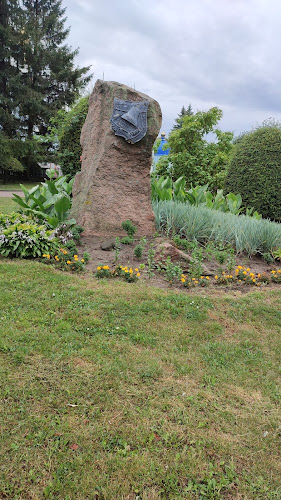
- Quiet memorial space for reflection — benches, plaques, and a modest commemorative display honoring victims
- Volunteer-run programs and occasional live talks or memorial events, especially around important historical anniversaries
Best Time to Visit
The museum is best visited in the morning on a weekday, when the foot traffic is lighter and the small rooms feel less cramped. Mornings make it easier to linger at listening stations without feeling rushed. That said, the museum also holds special events and commemorations on certain dates — those can be deeply meaningful, but they do draw crowds and local media, so expect a busier experience.
Seasons matter here mostly for comfort. Summers in Ternopil can be warm, and the museum’s older building may feel stuffy in the heat. Winters bring a certain solemn quiet that can make the exhibits feel even more poignant, but dressing warmly helps because some rooms maintain a cooler temperature for preservation reasons. If the weather’s nice, combine your visit with a walk through nearby streets — there are often small outdoor memorials or plaques in the neighborhood that add context to the indoor exhibits.
The museum is quieter outside peak tourist months. If you prefer fewer distractions, aim for late autumn or early spring. And one more little tip from experience: avoid late afternoon on weekends if you hate crowded audio stations. A bit of planning goes a long way here.
How to Get There
The Memorial Museum for Political Prisoners sits within the urban fabric of Ternopil and is comfortably reachable from the city center. Many visitors walk from the central square or main tram/bus stops, which is convenient if your accommodation is central. For those coming from further away, local buses and minibuses connect various parts of the city; a short taxi ride from the main train or bus station will usually get you there in under 15 minutes depending on traffic.
Parking around the museum is limited and the grounds are not set up for wheelchair-accessible parking. If driving, it’s reasonable to plan to park a little further away and walk in — the area is walkable, but do expect cobblestones in places. Taxis and ride-sharing apps are a practical choice for travelers who want a direct route without the hassle of navigating local bus lines. If you like using public transport, ask at your hotel for the best route; locals are generally helpful and will point out the nearest stop and which bus numbers to take.
The building’s modest signage means it’s a good idea to download a map or take a screenshot of the area beforehand. Also, if you plan a guided tour in English, email or call ahead; guides who speak English are available but sometimes need to be scheduled in advance.
Tips for Visiting
Plan to spend 1 to 2 hours. That gives you time to read exhibits, listen to several testimonies, and sit in the memorial corner without rushing. If you’re a researcher or someone tracing family history, allocate extra time — the staff can help but document retrieval and review take longer than a casual browse.
Respect the tone. This is a memorial space as much as it is a museum. Visitors are asked to keep voices low, turn phones to silent, and be mindful in memorial areas. Photography rules vary: many of the main exhibit rooms allow non-flash photography, but check signs or ask staff before taking pictures, especially at listening stations or in research areas.
Bring small bills in local currency. The museum has a modest entrance fee (which goes toward upkeep and educational programs), and souvenir purchases or donation boxes often prefer cash. On that note, consider adding a small donation if you found the visit meaningful; this museum operates on limited funding and community support matters.
If you’re visiting with children, prepare them with a simple explanation beforehand. The displays are educational rather than graphic, but the emotional weight can be heavy. The museum’s kid-friendly labels are helpful, and staff are used to school groups; they can point you to sections that explain things in an age-appropriate way.
Ask for a guided tour. The guides are local and their stories add essential context that you won’t get from labels alone. And if you’re lucky enough to have a guide who lived through part of the era, listen — the small personal asides are what make the difficult history come alive. The writer still remembers a guide who spoke quietly about a neighbor who left a knitted scarf behind; small, human details like that are unforgettable.
Use the research corner if you have time. Whether you are pursuing genealogical leads or academic questions, the museum staff can often point to names, photographs, and documents. Be patient: archives require time and sometimes appointments, but the payoff can be significant if you’re trying to connect family stories with historical records.
Mind accessibility. The museum lacks wheelchair accessible entrance and parking, and some interior doorways and exhibits are narrow. If accessibility is a concern, contact the museum ahead of your visit — they may be able to arrange an alternative route or a staff member to assist.
Combine the visit with nearby historical sites. The museum sits within a district that contains other reminders of regional history. Plan a half-day itinerary that includes a nearby memorial or a local history museum, and you’ll get a fuller sense of Ternopil’s past. One caveat: no restaurant is attached to the museum, so pack a water bottle or plan a stop at a café afterward.
Finally, be open to being unsettled. The Memorial Museum for Political Prisoners does not aim to comfort. It aims to remember and to teach. If you leave feeling a little raw, that’s part of the point — history, when done well, leaves a mark. And if you come away curious, ask questions, buy a pamphlet, and talk with a guide. That kind of engagement keeps memory alive and supports the ongoing work of the museum.
Key Features
- Authentic cell reconstructions and original artifacts that belonged to political prisoners, including personal items and handmade keepsakes
- Extensive archival documents from regional state security departments, with many items translated or summarized for visitors
- Oral histories and recorded testimonies that give first-person perspectives — expect audio stations and small listening areas
- Guided tours led by knowledgeable local guides; tours often explain regional specifics, the role of NKVD/KGB structures, and local resistance movements
- Small but thoughtful rotating exhibitions that connect local stories to larger historical events, such as Soviet repressions and wartime occupation regimes
- Educational materials tailored for school groups and older children, making it a good stop for families with curious kids
- Research and reference corner for those looking into family histories or academic projects; staff can direct visitors to relevant documents
- Quiet memorial space for reflection — benches, plaques, and a modest commemorative display honoring victims
More Details
Updated August 30, 2025
Table of Contents
- Description
- Key Features
- Best Time to Visit
- How to Get There
- Tips for Visiting
- Key Highlights
- Location
- Places to Stay Near Memorial Museum for Political Prisoners
- Find and Book a Tour
- Explore More Travel Guides
- Nearby Places You Might Like
- Traveler Reviews for Memorial Museum for Political Prisoners
- Share Your Experience
Description
The Memorial Museum for Political Prisoners in Ternopil offers a quietly powerful look into the darker chapters of 20th-century Ukrainian history. Housed in a compact, somber building that itself once served as a place of detention and interrogation, the museum focuses on the lives, stories, and resistance of people labeled political prisoners by occupying or repressive regimes. The narrative threads here weave together the Soviet-era repressions, the wartime occupations, and the local resistance movements, but always through personal stories — letters, photographs, cell reconstructions, and oral history recordings that make history feel immediate and human.
Visitors will notice that the museum is not a flashy, high-tech attraction. Instead, it leans into authenticity: worn shoes left behind, thin blankets recreated on prison bunks, archival documents with hand-scribbled notes. That pared-back approach is deliberate and effective; it asks the visitor to slow down and pay attention. The atmosphere is reflective more than didactic, and many people leave feeling quietly moved or unsettled. The museum manages to balance memorialization and education — it honors victims while encouraging visitors to ask tough questions about state power, security services, and the cost of dissent.
Practical note: the entrance and immediate surroundings are not wheelchair accessible, and there is no onsite parking specifically designed for wheelchair users. Also, there isn’t a restaurant or café inside the museum complex, so plan ahead if you’re thinking of a long visit. On a brighter note, the space is considered good for kids who are a bit older and curious; exhibitions include kid-friendly labels and contextual explanations that help younger visitors grasp the basics without being overwhelmed.
It’s hard to write about this place without being a little subjective. The writer of this piece once spent an hour listening to an elderly woman’s recorded testimony about the night she was taken away by state security. It stuck with him — the cadence of her voice, the small laugh at an absurd memory, the way she kept saying she didn’t feel like a hero. That kind of intimacy is typical here. If you are someone who likes museums that tell you the date and move on, this museum will make you sit with a single person’s life for a long time, and sometimes that’s exactly the kind of history one needs.
Key Features
- Authentic cell reconstructions and original artifacts that belonged to political prisoners, including personal items and handmade keepsakes
- Extensive archival documents from regional state security departments, with many items translated or summarized for visitors
- Oral histories and recorded testimonies that give first-person perspectives — expect audio stations and small listening areas
- Guided tours led by knowledgeable local guides; tours often explain regional specifics, the role of NKVD/KGB structures, and local resistance movements
- Small but thoughtful rotating exhibitions that connect local stories to larger historical events, such as Soviet repressions and wartime occupation regimes
- Educational materials tailored for school groups and older children, making it a good stop for families with curious kids
- Research and reference corner for those looking into family histories or academic projects; staff can direct visitors to relevant documents
- Quiet memorial space for reflection — benches, plaques, and a modest commemorative display honoring victims
- Volunteer-run programs and occasional live talks or memorial events, especially around important historical anniversaries
Best Time to Visit
The museum is best visited in the morning on a weekday, when the foot traffic is lighter and the small rooms feel less cramped. Mornings make it easier to linger at listening stations without feeling rushed. That said, the museum also holds special events and commemorations on certain dates — those can be deeply meaningful, but they do draw crowds and local media, so expect a busier experience.
Seasons matter here mostly for comfort. Summers in Ternopil can be warm, and the museum’s older building may feel stuffy in the heat. Winters bring a certain solemn quiet that can make the exhibits feel even more poignant, but dressing warmly helps because some rooms maintain a cooler temperature for preservation reasons. If the weather’s nice, combine your visit with a walk through nearby streets — there are often small outdoor memorials or plaques in the neighborhood that add context to the indoor exhibits.
The museum is quieter outside peak tourist months. If you prefer fewer distractions, aim for late autumn or early spring. And one more little tip from experience: avoid late afternoon on weekends if you hate crowded audio stations. A bit of planning goes a long way here.
How to Get There
The Memorial Museum for Political Prisoners sits within the urban fabric of Ternopil and is comfortably reachable from the city center. Many visitors walk from the central square or main tram/bus stops, which is convenient if your accommodation is central. For those coming from further away, local buses and minibuses connect various parts of the city; a short taxi ride from the main train or bus station will usually get you there in under 15 minutes depending on traffic.
Parking around the museum is limited and the grounds are not set up for wheelchair-accessible parking. If driving, it’s reasonable to plan to park a little further away and walk in — the area is walkable, but do expect cobblestones in places. Taxis and ride-sharing apps are a practical choice for travelers who want a direct route without the hassle of navigating local bus lines. If you like using public transport, ask at your hotel for the best route; locals are generally helpful and will point out the nearest stop and which bus numbers to take.
The building’s modest signage means it’s a good idea to download a map or take a screenshot of the area beforehand. Also, if you plan a guided tour in English, email or call ahead; guides who speak English are available but sometimes need to be scheduled in advance.
Tips for Visiting
Plan to spend 1 to 2 hours. That gives you time to read exhibits, listen to several testimonies, and sit in the memorial corner without rushing. If you’re a researcher or someone tracing family history, allocate extra time — the staff can help but document retrieval and review take longer than a casual browse.
Respect the tone. This is a memorial space as much as it is a museum. Visitors are asked to keep voices low, turn phones to silent, and be mindful in memorial areas. Photography rules vary: many of the main exhibit rooms allow non-flash photography, but check signs or ask staff before taking pictures, especially at listening stations or in research areas.
Bring small bills in local currency. The museum has a modest entrance fee (which goes toward upkeep and educational programs), and souvenir purchases or donation boxes often prefer cash. On that note, consider adding a small donation if you found the visit meaningful; this museum operates on limited funding and community support matters.
If you’re visiting with children, prepare them with a simple explanation beforehand. The displays are educational rather than graphic, but the emotional weight can be heavy. The museum’s kid-friendly labels are helpful, and staff are used to school groups; they can point you to sections that explain things in an age-appropriate way.
Ask for a guided tour. The guides are local and their stories add essential context that you won’t get from labels alone. And if you’re lucky enough to have a guide who lived through part of the era, listen — the small personal asides are what make the difficult history come alive. The writer still remembers a guide who spoke quietly about a neighbor who left a knitted scarf behind; small, human details like that are unforgettable.
Use the research corner if you have time. Whether you are pursuing genealogical leads or academic questions, the museum staff can often point to names, photographs, and documents. Be patient: archives require time and sometimes appointments, but the payoff can be significant if you’re trying to connect family stories with historical records.
Mind accessibility. The museum lacks wheelchair accessible entrance and parking, and some interior doorways and exhibits are narrow. If accessibility is a concern, contact the museum ahead of your visit — they may be able to arrange an alternative route or a staff member to assist.
Combine the visit with nearby historical sites. The museum sits within a district that contains other reminders of regional history. Plan a half-day itinerary that includes a nearby memorial or a local history museum, and you’ll get a fuller sense of Ternopil’s past. One caveat: no restaurant is attached to the museum, so pack a water bottle or plan a stop at a café afterward.
Finally, be open to being unsettled. The Memorial Museum for Political Prisoners does not aim to comfort. It aims to remember and to teach. If you leave feeling a little raw, that’s part of the point — history, when done well, leaves a mark. And if you come away curious, ask questions, buy a pamphlet, and talk with a guide. That kind of engagement keeps memory alive and supports the ongoing work of the museum.
Key Highlights
- Authentic cell reconstructions and original artifacts that belonged to political prisoners, including personal items and handmade keepsakes
- Extensive archival documents from regional state security departments, with many items translated or summarized for visitors
- Oral histories and recorded testimonies that give first-person perspectives — expect audio stations and small listening areas
- Guided tours led by knowledgeable local guides; tours often explain regional specifics, the role of NKVD/KGB structures, and local resistance movements
- Small but thoughtful rotating exhibitions that connect local stories to larger historical events, such as Soviet repressions and wartime occupation regimes
- Educational materials tailored for school groups and older children, making it a good stop for families with curious kids
- Research and reference corner for those looking into family histories or academic projects; staff can direct visitors to relevant documents
- Quiet memorial space for reflection — benches, plaques, and a modest commemorative display honoring victims
Location
Places to Stay Near Memorial Museum for Political Prisoners
Find and Book a Tour
Explore More Travel Guides
No reviews found! Be the first to review!
Traveler Reviews for Memorial Museum for Political Prisoners
There are no reviews yet. Be the first one to write one.
Have you visited Memorial Museum for Political Prisoners? Help other travelers by sharing your review.
Find Accommodations Nearby
Recommended Tours & Activities
Visitor Reviews
There are no reviews yet. Be the first one to write one.
Share Your Experience
Have you visited Memorial Museum for Political Prisoners? Help other travelers by leaving a review.