
Medieval Ruin Garden
About Medieval Ruin Garden
Description
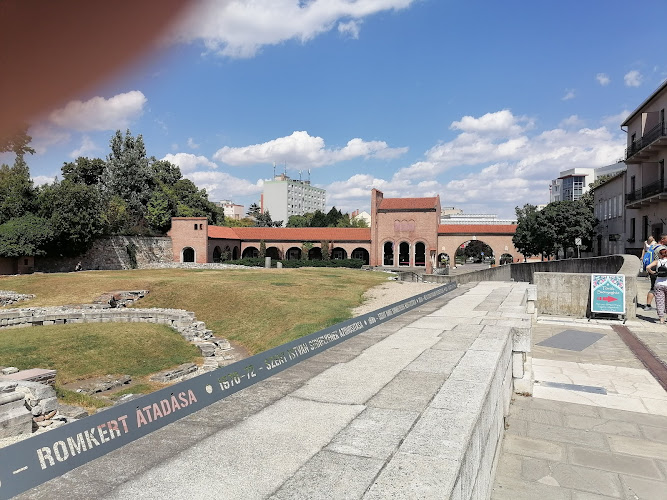
The Medieval Ruin Garden is one of those rare spots where history practically whispers from every cracked stone and weathered tomb. Imagine wandering through the remnants of a basilica that once witnessed the crowning of kings and the solemn resting of royalty. It’s not just a garden—it’s a living, breathing piece of medieval life frozen in time. The stone walls, worn but resilient, outline a sacred space that held immense significance centuries ago, serving as the backdrop for ceremonies that shaped entire kingdoms.
What really gets me about this place is how it manages to balance the eerie with the enchanting. You’re not just looking at ruins; you’re stepping into a story that’s been told and retold through generations. The tomb sites scattered throughout the garden add a somber, reflective tone, reminding visitors of the human lives behind the grandeur. It’s a historical landmark that doesn’t just show you the past—it makes you feel it.
For families traveling with kids, this spot surprisingly works well. The open spaces and intriguing ruins spark curiosity and imagination. Kids can run around safely while adults soak in the deep historical vibes. It’s like a museum without walls, where the exhibits are the stones themselves. The quiet atmosphere invites you to slow down and take in the layers of history, rather than rushing through a typical tourist trap.
But fair warning: this isn’t your polished, glossy tourist site. Some visitors find the lack of modern amenities or interpretive signage a bit frustrating. If you’re the type who likes a guided tour with every detail spelled out, you might have to do a little homework before you go. Still, for those who love a bit of mystery and the thrill of piecing together history on their own, the Medieval Ruin Garden delivers in spades.
In all, it’s a place that rewards patience and curiosity. You won’t find flashy exhibitions here, but you will find an authentic slice of medieval heritage that sticks with you long after you leave. Whether you’re a history buff, a casual traveler, or someone looking to escape the usual tourist crowds, this garden offers a quiet, thought-provoking experience that’s hard to forget.
Key Features
- Stone walls and ruins of a historic basilica used for medieval coronations and royal burials
- Ancient tomb sites scattered throughout the garden, providing a solemn glimpse into royal history
- Open-air layout allowing for easy exploration and photography
- Family-friendly environment with safe spaces for children to explore
- Authentic medieval atmosphere without over-commercialization
- Quiet, contemplative setting ideal for history enthusiasts and casual visitors alike
- Located within a larger historical district, offering additional context for the site
Best Time to Visit
Visiting the Medieval Ruin Garden is best done in the spring or early autumn when the weather is mild and the crowds are thinner. Summer can get surprisingly busy, especially on weekends, and the lack of shade in some parts of the garden can make it a bit uncomfortable on hot days. Early morning visits are golden if you want to enjoy the ruins with soft light perfect for photos and a peaceful atmosphere that feels almost sacred.
Winter visits are less common but have their own charm if you’re up for a brisk walk. The starkness of the ruins against a pale winter sky adds a dramatic flair, though keep in mind some pathways might be slippery or muddy. Personally, I think the quiet of the off-season helps you connect more deeply with the history here—there’s something about the cold air and empty spaces that makes the past feel closer.
How to Get There
Getting to the Medieval Ruin Garden is pretty straightforward, but it does require a bit of planning depending on where you’re coming from. If you’re traveling by public transport, local buses run regularly from the city center to the nearby historical district, and from there it’s a short walk. The walk itself is actually a highlight—passing through charming streets and catching glimpses of other historical spots along the way.
If you’re driving, there’s parking available nearby, though it can fill up quickly during peak tourist seasons. I’d recommend arriving early to snag a good spot and avoid the hassle. And hey, if you’re into cycling, the area is bike-friendly with some scenic routes that make the journey part of the adventure.
One thing to keep in mind: the garden is best explored on foot, so wear comfortable shoes. The uneven stone paths and grassy patches can be tricky if you’re not prepared. Trust me, I once tried to do the whole thing in flip-flops—not my smartest move.
Tips for Visiting
First off, don’t rush. The Medieval Ruin Garden is a place to soak in slowly. Take your time wandering among the tombs and walls, and let your imagination fill in the blanks. Bring a guidebook or download a map with historical notes if you want a bit more context—it really enhances the experience.
Photography lovers, this is your playground. The interplay of light and shadow on the ancient stones is mesmerizing, especially during the golden hours around sunrise and sunset. Just be respectful—some areas are considered sacred, so avoid climbing on the ruins or disturbing the tomb sites.
If you’re visiting with kids, pack some snacks and water, and maybe a little story about medieval times to keep them engaged. The open spaces are great for letting kids burn off energy, but keep an eye on them around the uneven ground.
Weather-wise, dress in layers. The garden’s microclimate can surprise you, especially if a breeze sneaks through the stone walls. And don’t forget sunscreen in the warmer months—there isn’t much shade in some parts.
Finally, consider pairing your visit with a stop at the nearby local history museum. It offers fascinating exhibits that complement what you see in the garden, giving you a fuller picture of the medieval era and the significance of the basilica ruins.
All in all, the Medieval Ruin Garden is a gem for travelers who crave a genuine connection to history without the fluff. It’s a quiet place that invites you to slow down, reflect, and maybe even daydream about the centuries gone by. If you’re up for a little adventure into the past, this spot is well worth your time.
Key Features
- Stone walls and ruins of a historic basilica used for medieval coronations and royal burials
- Ancient tomb sites scattered throughout the garden, providing a solemn glimpse into royal history
- Open-air layout allowing for easy exploration and photography
- Family-friendly environment with safe spaces for children to explore
- Authentic medieval atmosphere without over-commercialization
- Quiet, contemplative setting ideal for history enthusiasts and casual visitors alike
- Located within a larger historical district, offering additional context for the site
More Details
Updated July 16, 2025
Table of Contents
Description
The Medieval Ruin Garden is one of those rare spots where history practically whispers from every cracked stone and weathered tomb. Imagine wandering through the remnants of a basilica that once witnessed the crowning of kings and the solemn resting of royalty. It’s not just a garden—it’s a living, breathing piece of medieval life frozen in time. The stone walls, worn but resilient, outline a sacred space that held immense significance centuries ago, serving as the backdrop for ceremonies that shaped entire kingdoms.
What really gets me about this place is how it manages to balance the eerie with the enchanting. You’re not just looking at ruins; you’re stepping into a story that’s been told and retold through generations. The tomb sites scattered throughout the garden add a somber, reflective tone, reminding visitors of the human lives behind the grandeur. It’s a historical landmark that doesn’t just show you the past—it makes you feel it.
For families traveling with kids, this spot surprisingly works well. The open spaces and intriguing ruins spark curiosity and imagination. Kids can run around safely while adults soak in the deep historical vibes. It’s like a museum without walls, where the exhibits are the stones themselves. The quiet atmosphere invites you to slow down and take in the layers of history, rather than rushing through a typical tourist trap.
But fair warning: this isn’t your polished, glossy tourist site. Some visitors find the lack of modern amenities or interpretive signage a bit frustrating. If you’re the type who likes a guided tour with every detail spelled out, you might have to do a little homework before you go. Still, for those who love a bit of mystery and the thrill of piecing together history on their own, the Medieval Ruin Garden delivers in spades.
In all, it’s a place that rewards patience and curiosity. You won’t find flashy exhibitions here, but you will find an authentic slice of medieval heritage that sticks with you long after you leave. Whether you’re a history buff, a casual traveler, or someone looking to escape the usual tourist crowds, this garden offers a quiet, thought-provoking experience that’s hard to forget.
Key Features
- Stone walls and ruins of a historic basilica used for medieval coronations and royal burials
- Ancient tomb sites scattered throughout the garden, providing a solemn glimpse into royal history
- Open-air layout allowing for easy exploration and photography
- Family-friendly environment with safe spaces for children to explore
- Authentic medieval atmosphere without over-commercialization
- Quiet, contemplative setting ideal for history enthusiasts and casual visitors alike
- Located within a larger historical district, offering additional context for the site
Best Time to Visit
Visiting the Medieval Ruin Garden is best done in the spring or early autumn when the weather is mild and the crowds are thinner. Summer can get surprisingly busy, especially on weekends, and the lack of shade in some parts of the garden can make it a bit uncomfortable on hot days. Early morning visits are golden if you want to enjoy the ruins with soft light perfect for photos and a peaceful atmosphere that feels almost sacred.
Winter visits are less common but have their own charm if you’re up for a brisk walk. The starkness of the ruins against a pale winter sky adds a dramatic flair, though keep in mind some pathways might be slippery or muddy. Personally, I think the quiet of the off-season helps you connect more deeply with the history here—there’s something about the cold air and empty spaces that makes the past feel closer.
How to Get There
Getting to the Medieval Ruin Garden is pretty straightforward, but it does require a bit of planning depending on where you’re coming from. If you’re traveling by public transport, local buses run regularly from the city center to the nearby historical district, and from there it’s a short walk. The walk itself is actually a highlight—passing through charming streets and catching glimpses of other historical spots along the way.
If you’re driving, there’s parking available nearby, though it can fill up quickly during peak tourist seasons. I’d recommend arriving early to snag a good spot and avoid the hassle. And hey, if you’re into cycling, the area is bike-friendly with some scenic routes that make the journey part of the adventure.
One thing to keep in mind: the garden is best explored on foot, so wear comfortable shoes. The uneven stone paths and grassy patches can be tricky if you’re not prepared. Trust me, I once tried to do the whole thing in flip-flops—not my smartest move.
Tips for Visiting
First off, don’t rush. The Medieval Ruin Garden is a place to soak in slowly. Take your time wandering among the tombs and walls, and let your imagination fill in the blanks. Bring a guidebook or download a map with historical notes if you want a bit more context—it really enhances the experience.
Photography lovers, this is your playground. The interplay of light and shadow on the ancient stones is mesmerizing, especially during the golden hours around sunrise and sunset. Just be respectful—some areas are considered sacred, so avoid climbing on the ruins or disturbing the tomb sites.
If you’re visiting with kids, pack some snacks and water, and maybe a little story about medieval times to keep them engaged. The open spaces are great for letting kids burn off energy, but keep an eye on them around the uneven ground.
Weather-wise, dress in layers. The garden’s microclimate can surprise you, especially if a breeze sneaks through the stone walls. And don’t forget sunscreen in the warmer months—there isn’t much shade in some parts.
Finally, consider pairing your visit with a stop at the nearby local history museum. It offers fascinating exhibits that complement what you see in the garden, giving you a fuller picture of the medieval era and the significance of the basilica ruins.
All in all, the Medieval Ruin Garden is a gem for travelers who crave a genuine connection to history without the fluff. It’s a quiet place that invites you to slow down, reflect, and maybe even daydream about the centuries gone by. If you’re up for a little adventure into the past, this spot is well worth your time.
Key Highlights
- Stone walls and ruins of a historic basilica used for medieval coronations and royal burials
- Ancient tomb sites scattered throughout the garden, providing a solemn glimpse into royal history
- Open-air layout allowing for easy exploration and photography
- Family-friendly environment with safe spaces for children to explore
- Authentic medieval atmosphere without over-commercialization
- Quiet, contemplative setting ideal for history enthusiasts and casual visitors alike
- Located within a larger historical district, offering additional context for the site
Location
Places to Stay Near Medieval Ruin Garden
Find and Book a Tour
Explore More Travel Guides
No reviews found! Be the first to review!
Traveler Reviews for Medieval Ruin Garden
There are no reviews yet. Be the first one to write one.
Have you visited Medieval Ruin Garden? Help other travelers by sharing your review.
You Might Also Like

Sóstó Vadvédelmi Központ

Székesfehérvár, palotavárosi tavak

A II. Világháború Áldozatainak Emlékműve
Find Accommodations Nearby
Recommended Tours & Activities
Visitor Reviews
There are no reviews yet. Be the first one to write one.
Share Your Experience
Have you visited Medieval Ruin Garden? Help other travelers by leaving a review.