
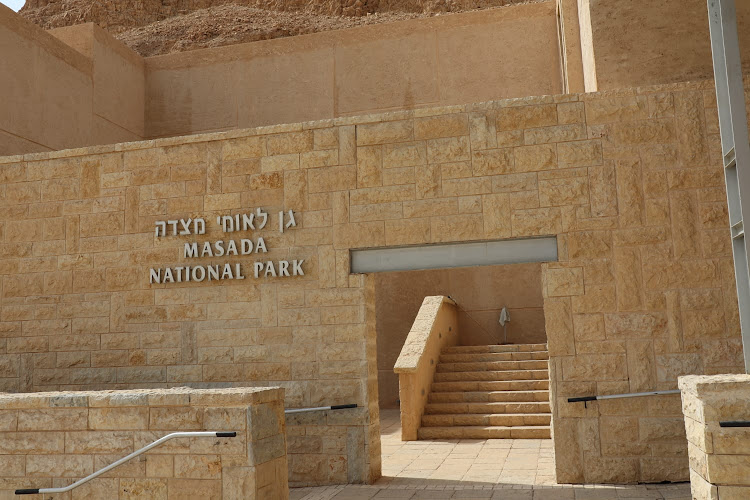
Masada National Park
About Masada National Park
Description
Masada National Park is one of those places that leaves you feeling a little humbled and a lot awestruck. Perched high above the Judean Desert and overlooking the Dead Sea, it’s not just a national park—it’s a living, breathing story carved into stone. The ancient fortress ruins here tell a tale of resilience and tragedy that’s hard to shake off once you’ve walked the same paths as those who lived (and died) here nearly two thousand years ago. Whether you’re a history buff, a hiking enthusiast, or just someone who appreciates a view that makes your jaw drop, Masada has a way of pulling you in.
And here’s the thing—it’s not just about the ruins. Sure, the archaeological remains are the main draw, but there’s also this raw, almost otherworldly landscape surrounding it. The desert stretches endlessly, the Dead Sea shimmers in the distance, and the silence (when you find a quiet spot away from the crowds) is almost meditative. You can explore the site at your own pace, wander through the remnants of palaces and storerooms, or climb up to observation points that make you feel like you’re standing at the edge of the world. The park is well-maintained, with a visitor center, restrooms, and even wheelchair-accessible areas, which is a big plus for travelers of all abilities.
It’s not perfect—sometimes it gets busy, especially during peak tourist season, and the midday heat can be brutal. But if you time your visit right, you’ll understand why so many people walk away from Masada with a deep respect for the place. It’s a mix of natural beauty, human history, and a little bit of that intangible magic that certain places seem to have. And honestly, once you’ve watched the sunrise from the top, you’ll probably find yourself mentally planning your next trip back before you’ve even left.
Key Features
- Ancient fortress ruins dating back to the reign of King Herod
- Panoramic observation points with sweeping views of the Dead Sea and Judean Desert
- Multiple hiking trails, including the iconic Snake Path and Roman Ramp
- Visitor center with historical exhibits, maps, and facilities
- Wheelchair-accessible entrance and parking
- Kid-friendly hiking options and educational displays
- Public restrooms and shaded rest areas
- Opportunities for sunrise and sunset photography
- On-site camping for those who want the full desert experience
Best Time to Visit
If you ask me, the absolute best time to visit Masada is early in the morning—before the sun decides to crank up the heat to “oven” mode. Sunrise hikes are legendary here. There’s something about watching the first light spill over the desert and hit the Dead Sea that makes you forget how early your alarm went off. Late autumn through early spring (roughly November to March) is generally the most pleasant weather-wise. It’s cooler, the air is crisp, and you can hike without feeling like you’re melting. Summer can be brutally hot—sometimes dangerously so—so if that’s when you’re visiting, plan for a pre-dawn start or take the cable car up instead of hiking.
Weekdays tend to be less crowded than weekends, and avoiding major holidays will make your experience a lot more peaceful. I once went on a Tuesday in February and practically had whole sections of the site to myself. On the flip side, I’ve been there on a holiday weekend in April and it felt like half the country had the same idea. Lesson learned.
How to Get There
Masada is located in the southern part of Israel, near the Dead Sea, and getting there is pretty straightforward. If you’re coming from Jerusalem, it’s about a 1.5 to 2-hour drive, depending on traffic and how many times you pull over to take photos of the desert (which, trust me, you will). The drive itself is part of the experience, with winding roads and dramatic scenery that make the time fly by.
There are two main entrances to the park: the eastern side (near the Dead Sea) and the western side (via the Roman Ramp). The eastern entrance has the visitor center, cable car, and more facilities, while the western side is quieter and offers a shorter hike up. Public transportation is available—buses run from major cities—but if you want flexibility, renting a car is the way to go. Just make sure to bring plenty of water and maybe a good playlist for the drive.
Tips for Visiting
Here’s the thing—Masada is one of those places where a little preparation can turn a good visit into an unforgettable one. First off, water. Bring more than you think you’ll need. The desert is unforgiving, and dehydration can sneak up on you fast. Wear a hat, sunglasses, and sunscreen, even if you’re visiting in winter. The sun here doesn’t mess around.
If you’re planning to hike up, start early. Like, really early. The Snake Path is a workout, but the views and the sense of accomplishment are worth every drop of sweat. If hiking isn’t your thing, the cable car is a great alternative and still offers incredible views on the way up. And don’t rush through the site—some of the smaller ruins and side paths are just as fascinating as the main palace area, and they’re often less crowded.
Bring snacks or even a picnic if you want to linger. There are shaded spots where you can sit and just take it all in. And if you’re into photography, sunrise and sunset are golden hours here in every sense of the word. One last tip—read up a little on the history before you go. Knowing the backstory of Masada’s siege and its significance will make what you see up there hit a lot harder.
Above all, give yourself time. Masada isn’t the kind of place you want to rush through. It’s a site to be experienced—walk the paths, breathe in the desert air, and let the weight of its history sink in. You’ll leave with more than just photos—you’ll carry a story that’s been told for centuries.
Key Features
- Ancient fortress ruins dating back to the reign of King Herod
- Panoramic observation points with sweeping views of the Dead Sea and Judean Desert
- Multiple hiking trails, including the iconic Snake Path and Roman Ramp
- Visitor center with historical exhibits, maps, and facilities
- Wheelchair-accessible entrance and parking
- Kid-friendly hiking options and educational displays
- Public restrooms and shaded rest areas
- Opportunities for sunrise and sunset photography
More Details
Updated August 10, 2025
Table of Contents
Description
Masada National Park is one of those places that leaves you feeling a little humbled and a lot awestruck. Perched high above the Judean Desert and overlooking the Dead Sea, it’s not just a national park—it’s a living, breathing story carved into stone. The ancient fortress ruins here tell a tale of resilience and tragedy that’s hard to shake off once you’ve walked the same paths as those who lived (and died) here nearly two thousand years ago. Whether you’re a history buff, a hiking enthusiast, or just someone who appreciates a view that makes your jaw drop, Masada has a way of pulling you in.
And here’s the thing—it’s not just about the ruins. Sure, the archaeological remains are the main draw, but there’s also this raw, almost otherworldly landscape surrounding it. The desert stretches endlessly, the Dead Sea shimmers in the distance, and the silence (when you find a quiet spot away from the crowds) is almost meditative. You can explore the site at your own pace, wander through the remnants of palaces and storerooms, or climb up to observation points that make you feel like you’re standing at the edge of the world. The park is well-maintained, with a visitor center, restrooms, and even wheelchair-accessible areas, which is a big plus for travelers of all abilities.
It’s not perfect—sometimes it gets busy, especially during peak tourist season, and the midday heat can be brutal. But if you time your visit right, you’ll understand why so many people walk away from Masada with a deep respect for the place. It’s a mix of natural beauty, human history, and a little bit of that intangible magic that certain places seem to have. And honestly, once you’ve watched the sunrise from the top, you’ll probably find yourself mentally planning your next trip back before you’ve even left.
Key Features
- Ancient fortress ruins dating back to the reign of King Herod
- Panoramic observation points with sweeping views of the Dead Sea and Judean Desert
- Multiple hiking trails, including the iconic Snake Path and Roman Ramp
- Visitor center with historical exhibits, maps, and facilities
- Wheelchair-accessible entrance and parking
- Kid-friendly hiking options and educational displays
- Public restrooms and shaded rest areas
- Opportunities for sunrise and sunset photography
- On-site camping for those who want the full desert experience
Best Time to Visit
If you ask me, the absolute best time to visit Masada is early in the morning—before the sun decides to crank up the heat to “oven” mode. Sunrise hikes are legendary here. There’s something about watching the first light spill over the desert and hit the Dead Sea that makes you forget how early your alarm went off. Late autumn through early spring (roughly November to March) is generally the most pleasant weather-wise. It’s cooler, the air is crisp, and you can hike without feeling like you’re melting. Summer can be brutally hot—sometimes dangerously so—so if that’s when you’re visiting, plan for a pre-dawn start or take the cable car up instead of hiking.
Weekdays tend to be less crowded than weekends, and avoiding major holidays will make your experience a lot more peaceful. I once went on a Tuesday in February and practically had whole sections of the site to myself. On the flip side, I’ve been there on a holiday weekend in April and it felt like half the country had the same idea. Lesson learned.
How to Get There
Masada is located in the southern part of Israel, near the Dead Sea, and getting there is pretty straightforward. If you’re coming from Jerusalem, it’s about a 1.5 to 2-hour drive, depending on traffic and how many times you pull over to take photos of the desert (which, trust me, you will). The drive itself is part of the experience, with winding roads and dramatic scenery that make the time fly by.
There are two main entrances to the park: the eastern side (near the Dead Sea) and the western side (via the Roman Ramp). The eastern entrance has the visitor center, cable car, and more facilities, while the western side is quieter and offers a shorter hike up. Public transportation is available—buses run from major cities—but if you want flexibility, renting a car is the way to go. Just make sure to bring plenty of water and maybe a good playlist for the drive.
Tips for Visiting
Here’s the thing—Masada is one of those places where a little preparation can turn a good visit into an unforgettable one. First off, water. Bring more than you think you’ll need. The desert is unforgiving, and dehydration can sneak up on you fast. Wear a hat, sunglasses, and sunscreen, even if you’re visiting in winter. The sun here doesn’t mess around.
If you’re planning to hike up, start early. Like, really early. The Snake Path is a workout, but the views and the sense of accomplishment are worth every drop of sweat. If hiking isn’t your thing, the cable car is a great alternative and still offers incredible views on the way up. And don’t rush through the site—some of the smaller ruins and side paths are just as fascinating as the main palace area, and they’re often less crowded.
Bring snacks or even a picnic if you want to linger. There are shaded spots where you can sit and just take it all in. And if you’re into photography, sunrise and sunset are golden hours here in every sense of the word. One last tip—read up a little on the history before you go. Knowing the backstory of Masada’s siege and its significance will make what you see up there hit a lot harder.
Above all, give yourself time. Masada isn’t the kind of place you want to rush through. It’s a site to be experienced—walk the paths, breathe in the desert air, and let the weight of its history sink in. You’ll leave with more than just photos—you’ll carry a story that’s been told for centuries.
Key Highlights
- Ancient fortress ruins dating back to the reign of King Herod
- Panoramic observation points with sweeping views of the Dead Sea and Judean Desert
- Multiple hiking trails, including the iconic Snake Path and Roman Ramp
- Visitor center with historical exhibits, maps, and facilities
- Wheelchair-accessible entrance and parking
- Kid-friendly hiking options and educational displays
- Public restrooms and shaded rest areas
- Opportunities for sunrise and sunset photography
Location
Places to Stay Near Masada National Park
Find and Book a Tour
Explore More Travel Guides
No reviews found! Be the first to review!
Traveler Reviews for Masada National Park
There are no reviews yet. Be the first one to write one.
Have you visited Masada National Park? Help other travelers by sharing your review.
You Might Also Like
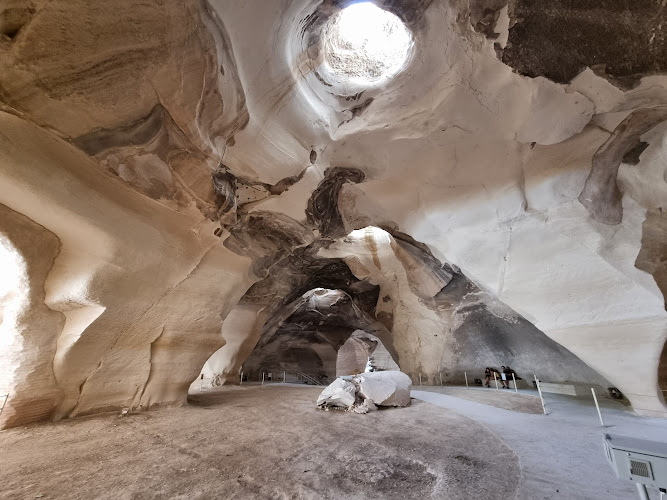
Beit Guvrin-Maresha National Park
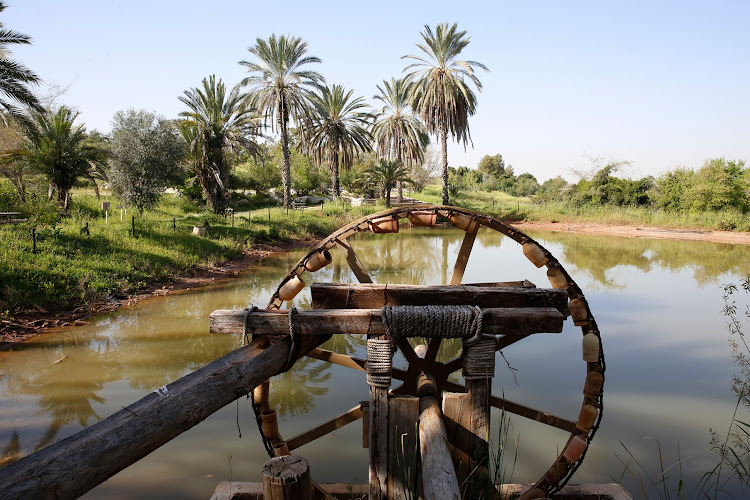
Neot Kedumim שמורת טבע נאות קדומים
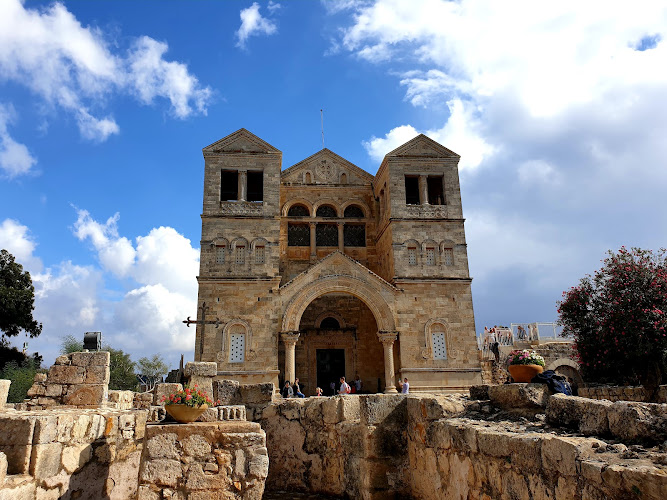
Church of the Transfiguration
Find Accommodations Nearby
Recommended Tours & Activities
Visitor Reviews
There are no reviews yet. Be the first one to write one.
Share Your Experience
Have you visited Masada National Park? Help other travelers by leaving a review.