
Maryland World War II Memorial
About Maryland World War II Memorial
Description
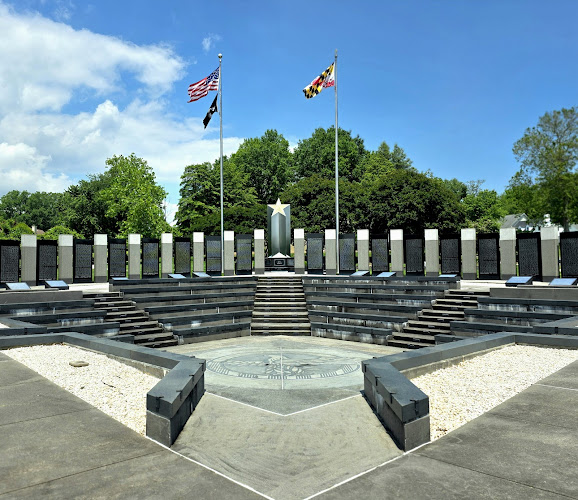
The Maryland World War II Memorial stands as a thoughtful, quietly powerful place that travelers often stumble upon and then end up lingering longer than planned. It’s a memorial park and tourist attraction, yes, but it feels more personal than that label suggests. Set within a peaceful landscape, the memorial honors the men and women from Maryland who served during World War II, and it does so without flashy theatrics. Instead, it relies on stone, space, and silence. And honestly, that restraint is part of what makes it hit harder.
The memorial’s design is intentionally simple. Granite pillars, engraved names, and a broad open plaza invite visitors to slow down. You’ll notice people speaking in lower voices here, even kids seem to pick up on the mood. It’s not a place that overwhelms you with information panels or dense text. It lets you feel first, then think. For travelers interested in history, especially American military history, this memorial offers context without demanding an academic mindset.
What makes the Maryland World War II Memorial especially meaningful is its focus on the state’s contribution. That local lens matters. World War II can feel abstract sometimes, all big numbers and faraway places. Here, it becomes about neighbors, towns, and families. Reading through names or dates, visitors often realize someone from their own hometown might be represented. That realization tends to linger. I remember visiting with a friend whose grandfather served, and we ended up sitting on a bench longer than expected, just talking. Or not talking. Both felt appropriate.
The atmosphere is calm, reflective, and yes, beautiful in a very grounded way. There’s landscaping, open sky, and enough space to breathe. It’s also welcoming. Families, solo travelers, history buffs, and casual tourists all seem to fit here without stepping on each other’s experience. And while most visitors walk away impressed, a few feel it could offer more interpretive detail. That’s fair. But for many, the simplicity is the point.
Key Features
- Granite pillars honoring Maryland’s World War II service members
- Open memorial plaza designed for reflection and quiet observation
- Wheelchair accessible entrance and parking area
- Family-friendly layout that works well with children
- Well-maintained grounds suitable for short walks and pauses
- Clear sightlines and open space that encourage contemplation
- Subtle design elements that avoid overwhelming the visitor
Best Time to Visit
The memorial can be visited year-round, but some seasons definitely enhance the experience. Spring and fall tend to be favorites, thanks to mild temperatures and softer light. In spring, the surrounding greenery adds a gentle contrast to the stone, and in fall, the changing leaves bring a quiet warmth that pairs well with the memorial’s tone. Summer is fine too, though midday heat can make longer stays less comfortable. And winter? It’s stark, colder, and honestly kind of fitting. Fewer visitors, more solitude.
Time of day matters more than people realize. Early mornings are peaceful, often nearly empty. If you’re the type who likes to absorb a place without distraction, that’s the sweet spot. Late afternoons can be lovely as well, especially when the light starts to soften and shadows stretch across the plaza. Weekends tend to draw more visitors, including families and tour groups, but it never feels chaotic. Even at busier times, there’s a general respect for the space.
Holidays related to military service, like Memorial Day or Veterans Day, bring a different energy. There may be ceremonies or more foot traffic. Some travelers love that sense of shared remembrance. Others prefer quieter days. Neither is wrong. It just depends on what kind of experience you’re after.
How to Get There
Getting to the Maryland World War II Memorial is straightforward, especially for travelers already exploring central Maryland. It’s accessible by car, and the surrounding road network makes it easy to combine with other nearby attractions. Parking is available and designed to accommodate visitors with mobility needs, which is something not every historical site gets right.
Public transportation options can work, depending on where you’re coming from, but most visitors find driving the simplest approach. Once you arrive, the layout is intuitive. You won’t need a map or guide to figure out where to go. The memorial unfolds naturally as you walk through it. That ease of navigation is underrated, but when you’re traveling, not having to think too hard about logistics is a gift.
If you’re road-tripping through Maryland, this memorial makes for a meaningful stop without eating up your entire day. Plan for an hour, maybe two if you like to sit and reflect. It’s not a place you rush through, but it doesn’t demand a half-day commitment either.
Tips for Visiting
First tip: give yourself permission to slow down. This isn’t a check-the-box attraction. The Maryland World War II Memorial rewards patience. Sit on a bench. Walk the perimeter. Read a few inscriptions, then step back and let the space do its thing. And don’t feel weird if it gets emotional. That happens. More often than people admit.
If you’re visiting with kids, a little context beforehand helps. The memorial is good for children, but they’ll get more out of it if they understand, even in simple terms, why it exists. I once overheard a parent explaining World War II in about three sentences. Not perfect, but enough. The kid asked questions. That’s a win.
Wear comfortable shoes. It’s not a massive area, but you’ll likely do more standing and slow walking than you expect. Bring water in warmer months. Shade is present but not everywhere. And while photography is allowed, be mindful. This isn’t the place for elaborate photo shoots. A quick snapshot is fine, but most people seem to sense where the line is.
Accessibility is solid here, which makes a real difference. Wheelchair users can navigate the memorial without feeling like an afterthought. That inclusivity adds to the sense that this place is meant for everyone, not just the able-bodied or the historically inclined.
One more thing, and this is more of a personal aside. Don’t overplan this visit. Leave some space in your day. The memorial has a way of sticking with you, and rushing off to the next attraction can feel jarring. Grab a coffee afterward. Sit somewhere quiet. Let the experience settle. Travel isn’t always about movement. Sometimes it’s about pause.
For travelers seeking meaningful attractions in Maryland, the Maryland World War II Memorial offers a grounded, human-scale experience. It doesn’t shout. It doesn’t entertain. It remembers. And in a travel world full of noise, that kind of place is rare, and worth your time.
Key Features
- Granite pillars honoring Maryland’s World War II service members
- Open memorial plaza designed for reflection and quiet observation
- Wheelchair accessible entrance and parking area
- Family-friendly layout that works well with children
- Well-maintained grounds suitable for short walks and pauses
- Clear sightlines and open space that encourage contemplation
- Subtle design elements that avoid overwhelming the visitor
More Details
Updated December 31, 2025
Table of Contents
Description
The Maryland World War II Memorial stands as a thoughtful, quietly powerful place that travelers often stumble upon and then end up lingering longer than planned. It’s a memorial park and tourist attraction, yes, but it feels more personal than that label suggests. Set within a peaceful landscape, the memorial honors the men and women from Maryland who served during World War II, and it does so without flashy theatrics. Instead, it relies on stone, space, and silence. And honestly, that restraint is part of what makes it hit harder.
The memorial’s design is intentionally simple. Granite pillars, engraved names, and a broad open plaza invite visitors to slow down. You’ll notice people speaking in lower voices here, even kids seem to pick up on the mood. It’s not a place that overwhelms you with information panels or dense text. It lets you feel first, then think. For travelers interested in history, especially American military history, this memorial offers context without demanding an academic mindset.
What makes the Maryland World War II Memorial especially meaningful is its focus on the state’s contribution. That local lens matters. World War II can feel abstract sometimes, all big numbers and faraway places. Here, it becomes about neighbors, towns, and families. Reading through names or dates, visitors often realize someone from their own hometown might be represented. That realization tends to linger. I remember visiting with a friend whose grandfather served, and we ended up sitting on a bench longer than expected, just talking. Or not talking. Both felt appropriate.
The atmosphere is calm, reflective, and yes, beautiful in a very grounded way. There’s landscaping, open sky, and enough space to breathe. It’s also welcoming. Families, solo travelers, history buffs, and casual tourists all seem to fit here without stepping on each other’s experience. And while most visitors walk away impressed, a few feel it could offer more interpretive detail. That’s fair. But for many, the simplicity is the point.
Key Features
- Granite pillars honoring Maryland’s World War II service members
- Open memorial plaza designed for reflection and quiet observation
- Wheelchair accessible entrance and parking area
- Family-friendly layout that works well with children
- Well-maintained grounds suitable for short walks and pauses
- Clear sightlines and open space that encourage contemplation
- Subtle design elements that avoid overwhelming the visitor
Best Time to Visit
The memorial can be visited year-round, but some seasons definitely enhance the experience. Spring and fall tend to be favorites, thanks to mild temperatures and softer light. In spring, the surrounding greenery adds a gentle contrast to the stone, and in fall, the changing leaves bring a quiet warmth that pairs well with the memorial’s tone. Summer is fine too, though midday heat can make longer stays less comfortable. And winter? It’s stark, colder, and honestly kind of fitting. Fewer visitors, more solitude.
Time of day matters more than people realize. Early mornings are peaceful, often nearly empty. If you’re the type who likes to absorb a place without distraction, that’s the sweet spot. Late afternoons can be lovely as well, especially when the light starts to soften and shadows stretch across the plaza. Weekends tend to draw more visitors, including families and tour groups, but it never feels chaotic. Even at busier times, there’s a general respect for the space.
Holidays related to military service, like Memorial Day or Veterans Day, bring a different energy. There may be ceremonies or more foot traffic. Some travelers love that sense of shared remembrance. Others prefer quieter days. Neither is wrong. It just depends on what kind of experience you’re after.
How to Get There
Getting to the Maryland World War II Memorial is straightforward, especially for travelers already exploring central Maryland. It’s accessible by car, and the surrounding road network makes it easy to combine with other nearby attractions. Parking is available and designed to accommodate visitors with mobility needs, which is something not every historical site gets right.
Public transportation options can work, depending on where you’re coming from, but most visitors find driving the simplest approach. Once you arrive, the layout is intuitive. You won’t need a map or guide to figure out where to go. The memorial unfolds naturally as you walk through it. That ease of navigation is underrated, but when you’re traveling, not having to think too hard about logistics is a gift.
If you’re road-tripping through Maryland, this memorial makes for a meaningful stop without eating up your entire day. Plan for an hour, maybe two if you like to sit and reflect. It’s not a place you rush through, but it doesn’t demand a half-day commitment either.
Tips for Visiting
First tip: give yourself permission to slow down. This isn’t a check-the-box attraction. The Maryland World War II Memorial rewards patience. Sit on a bench. Walk the perimeter. Read a few inscriptions, then step back and let the space do its thing. And don’t feel weird if it gets emotional. That happens. More often than people admit.
If you’re visiting with kids, a little context beforehand helps. The memorial is good for children, but they’ll get more out of it if they understand, even in simple terms, why it exists. I once overheard a parent explaining World War II in about three sentences. Not perfect, but enough. The kid asked questions. That’s a win.
Wear comfortable shoes. It’s not a massive area, but you’ll likely do more standing and slow walking than you expect. Bring water in warmer months. Shade is present but not everywhere. And while photography is allowed, be mindful. This isn’t the place for elaborate photo shoots. A quick snapshot is fine, but most people seem to sense where the line is.
Accessibility is solid here, which makes a real difference. Wheelchair users can navigate the memorial without feeling like an afterthought. That inclusivity adds to the sense that this place is meant for everyone, not just the able-bodied or the historically inclined.
One more thing, and this is more of a personal aside. Don’t overplan this visit. Leave some space in your day. The memorial has a way of sticking with you, and rushing off to the next attraction can feel jarring. Grab a coffee afterward. Sit somewhere quiet. Let the experience settle. Travel isn’t always about movement. Sometimes it’s about pause.
For travelers seeking meaningful attractions in Maryland, the Maryland World War II Memorial offers a grounded, human-scale experience. It doesn’t shout. It doesn’t entertain. It remembers. And in a travel world full of noise, that kind of place is rare, and worth your time.
Key Highlights
- Granite pillars honoring Maryland’s World War II service members
- Open memorial plaza designed for reflection and quiet observation
- Wheelchair accessible entrance and parking area
- Family-friendly layout that works well with children
- Well-maintained grounds suitable for short walks and pauses
- Clear sightlines and open space that encourage contemplation
- Subtle design elements that avoid overwhelming the visitor
Location
Places to Stay Near Maryland World War II Memorial
Find and Book a Tour
Explore More Travel Guides
No reviews found! Be the first to review!
Traveler Reviews for Maryland World War II Memorial
There are no reviews yet. Be the first one to write one.
Have you visited Maryland World War II Memorial? Help other travelers by sharing your review.
You Might Also Like
Tawes Garden

Museum of Historic Annapolis

William Paca House & Garden
Find Accommodations Nearby
Recommended Tours & Activities
Visitor Reviews
There are no reviews yet. Be the first one to write one.
Share Your Experience
Have you visited Maryland World War II Memorial? Help other travelers by leaving a review.