

William Paca House & Garden
About William Paca House & Garden
Description
The William Paca House & Garden is one of those places that sneaks up on you. You walk in thinking, okay, nice old house, check the history box, move on. And then an hour later you’re still wandering the garden paths, slightly sunburned, wondering how a place this calm exists in the middle of a busy historic district. Built in the 1760s for William Paca, a signer of the Declaration of Independence and later governor of Maryland, this Georgian mansion isn’t just preserved—it feels lived in, in a good way. Like the walls remember things. The house itself is a carefully restored snapshot of upper-class colonial life. The rooms aren’t huge by modern standards, but that’s part of the charm. You notice the woodwork, the symmetry, the way natural light pours in from tall windows. I remember standing in one of the upstairs rooms thinking, wow, these floorboards have heard some stuff. Political arguments, family drama, probably a lot of foot shuffling during long summers with no AC. And yeah, that thought stuck with me longer than any placard text. But honestly, the real star here is the two-acre garden. Designed in the 18th-century style and restored using archaeological evidence (which is cooler than it sounds), it’s laid out in terraces that slope gently away from the house. There are brick paths, boxwood hedges, a fish-shaped pond, and quiet corners where you can sit and just breathe. It’s not flashy. It’s deliberate. And that makes it memorable. Travelers who enjoy history museums, historical landmarks, and gardens tend to linger here longer than expected. Families do well too, especially if kids are allowed to roam the garden a bit. It’s also known as a wedding venue, and once you see the garden at golden hour, that makes perfect sense. Romantic, but not over-the-top. Elegant without being stiff. I’m not even a wedding person and I caught myself thinking, yeah, I get it. The overall experience is welcoming. The staff usually strike a nice balance between informative and relaxed. You don’t feel rushed. You also don’t feel like you’re being talked down to, which matters. The site is known for being inclusive and LGBTQ+ friendly, and that atmosphere is noticeable. It feels safe, respectful, and open. For a place rooted in 18th-century politics, that’s refreshing.Key Features
- Restored 1760s Georgian mansion once owned by William Paca, a Declaration of Independence signer
- Two-acre terraced garden based on original archaeological findings
- Period-furnished rooms that show daily life, not just fancy furniture
- Interpretive exhibits that explain colonial politics, family life, and slavery with honesty
- Brick walkways, ornamental ponds, and formal garden layouts ideal for slow strolling
- Popular wedding and special event location, especially in warmer months
- Wheelchair-accessible restroom and family-friendly layout
- Welcoming environment for LGBTQ+ visitors and families with kids
Best Time to Visit
Spring and early fall are the sweet spots. April through early June is when the garden really shows off. Flowers bloom in stages, so it’s not a one-week wonder, and the weather is usually cooperative. Fall, especially late September and October, brings cooler air and fewer crowds, which makes the house tour feel more personal. Summer is fine, but be prepared. The garden is beautiful in the heat, yes, but it’s also Maryland heat. Humid, sticky, the kind that makes you grateful for shade trees. I visited once in July and loved it, but I also drank an embarrassing amount of water and spent more time sitting than planned. Winter visits are quieter and more introspective. The garden loses its color, but the architecture stands out more, and the house interiors feel extra cozy. If you like history without distractions, winter might actually be your thing. Weekdays are generally calmer than weekends. Mornings tend to be quieter, especially right when they open. If you’re the type who likes to take photos without strangers drifting into every shot, aim early. And if there’s a wedding scheduled, parts of the garden may be busier later in the day. Not a dealbreaker, just something to know.How to Get There
The William Paca House & Garden sits right in Annapolis’ historic area, which means narrow streets and a lot of foot traffic. Driving is possible, but parking can be tricky and usually involves paid street parking. If you’re already exploring downtown Annapolis, walking is honestly the easiest and most pleasant option. You pass other historic buildings, little shops, and the harbor isn’t far either. For travelers coming from nearby cities, Annapolis is well connected by major roads, and once you’re in town, signage makes the historic sites easy to find. Public transportation can get you close, but expect to walk the last stretch. That walk, by the way, is part of the experience. Cobblestones, old brick sidewalks, the whole thing. Wear comfortable shoes. Trust me on that one—I didn’t once, and I regretted it before lunchtime.Tips for Visiting
First tip: give yourself more time than you think you need. Many people plan for 45 minutes and end up staying twice that. The house tour is engaging, and the garden invites lingering. Bring a book or just sit on a bench and people-watch. It’s allowed. Encouraged, even. Second, read the exhibit text, but don’t stress about reading every word. The best moments come from stepping back and imagining the lives lived here. Ask questions if staff are around. They usually have little stories that aren’t on the signs, and those are gold. Third, if you’re visiting with kids, let them explore the garden first. Burn off energy, then do the house. This strategy has saved many a family outing. The site is considered good for kids, but like any history museum, attention spans vary. Fourth, accessibility is mixed. While there is a wheelchair-accessible restroom, some areas, especially in the historic house and garden paths, can be uneven. If mobility is a concern, call ahead or ask staff for the best route. They’re generally helpful and honest about what works and what doesn’t. Fifth, photography is worth planning. The garden changes with the light, and late afternoon gives you soft shadows and warmer tones. I once spent ten minutes trying to capture the reflection in the pond and failed completely, but it was still fun. Sometimes the memory is better than the photo anyway. And finally, keep an open mind. The William Paca House & Garden doesn’t sugarcoat history. It addresses slavery and inequality as part of the story, which might surprise some visitors expecting a purely romantic colonial experience. But that honesty is what gives the place weight. It’s not just pretty. It matters. If you’re traveling through Annapolis and want an attraction that blends history, architecture, and a genuinely calming outdoor space, this one earns its reputation. It’s not loud about it. It doesn’t have to be. The place knows what it is. And after you’ve been there, you kind of do too.Key Features
- Restored 1760s Georgian mansion once owned by William Paca, a Declaration of Independence signer
- Two-acre terraced garden based on original archaeological findings
- Period-furnished rooms that show daily life, not just fancy furniture
- Interpretive exhibits that explain colonial politics, family life, and slavery with honesty
- Brick walkways, ornamental ponds, and formal garden layouts ideal for slow strolling
- Popular wedding and special event location, especially in warmer months
- Wheelchair-accessible restroom and family-friendly layout
- Welcoming environment for LGBTQ+ visitors and families with kids
More Details
Updated December 31, 2025
Table of Contents
Description
The William Paca House & Garden is one of those places that sneaks up on you. You walk in thinking, okay, nice old house, check the history box, move on. And then an hour later you’re still wandering the garden paths, slightly sunburned, wondering how a place this calm exists in the middle of a busy historic district. Built in the 1760s for William Paca, a signer of the Declaration of Independence and later governor of Maryland, this Georgian mansion isn’t just preserved—it feels lived in, in a good way. Like the walls remember things.
The house itself is a carefully restored snapshot of upper-class colonial life. The rooms aren’t huge by modern standards, but that’s part of the charm. You notice the woodwork, the symmetry, the way natural light pours in from tall windows. I remember standing in one of the upstairs rooms thinking, wow, these floorboards have heard some stuff. Political arguments, family drama, probably a lot of foot shuffling during long summers with no AC. And yeah, that thought stuck with me longer than any placard text.
But honestly, the real star here is the two-acre garden. Designed in the 18th-century style and restored using archaeological evidence (which is cooler than it sounds), it’s laid out in terraces that slope gently away from the house. There are brick paths, boxwood hedges, a fish-shaped pond, and quiet corners where you can sit and just breathe. It’s not flashy. It’s deliberate. And that makes it memorable.
Travelers who enjoy history museums, historical landmarks, and gardens tend to linger here longer than expected. Families do well too, especially if kids are allowed to roam the garden a bit. It’s also known as a wedding venue, and once you see the garden at golden hour, that makes perfect sense. Romantic, but not over-the-top. Elegant without being stiff. I’m not even a wedding person and I caught myself thinking, yeah, I get it.
The overall experience is welcoming. The staff usually strike a nice balance between informative and relaxed. You don’t feel rushed. You also don’t feel like you’re being talked down to, which matters. The site is known for being inclusive and LGBTQ+ friendly, and that atmosphere is noticeable. It feels safe, respectful, and open. For a place rooted in 18th-century politics, that’s refreshing.
Key Features
- Restored 1760s Georgian mansion once owned by William Paca, a Declaration of Independence signer
- Two-acre terraced garden based on original archaeological findings
- Period-furnished rooms that show daily life, not just fancy furniture
- Interpretive exhibits that explain colonial politics, family life, and slavery with honesty
- Brick walkways, ornamental ponds, and formal garden layouts ideal for slow strolling
- Popular wedding and special event location, especially in warmer months
- Wheelchair-accessible restroom and family-friendly layout
- Welcoming environment for LGBTQ+ visitors and families with kids
Best Time to Visit
Spring and early fall are the sweet spots. April through early June is when the garden really shows off. Flowers bloom in stages, so it’s not a one-week wonder, and the weather is usually cooperative. Fall, especially late September and October, brings cooler air and fewer crowds, which makes the house tour feel more personal.
Summer is fine, but be prepared. The garden is beautiful in the heat, yes, but it’s also Maryland heat. Humid, sticky, the kind that makes you grateful for shade trees. I visited once in July and loved it, but I also drank an embarrassing amount of water and spent more time sitting than planned. Winter visits are quieter and more introspective. The garden loses its color, but the architecture stands out more, and the house interiors feel extra cozy. If you like history without distractions, winter might actually be your thing.
Weekdays are generally calmer than weekends. Mornings tend to be quieter, especially right when they open. If you’re the type who likes to take photos without strangers drifting into every shot, aim early. And if there’s a wedding scheduled, parts of the garden may be busier later in the day. Not a dealbreaker, just something to know.
How to Get There
The William Paca House & Garden sits right in Annapolis’ historic area, which means narrow streets and a lot of foot traffic. Driving is possible, but parking can be tricky and usually involves paid street parking. If you’re already exploring downtown Annapolis, walking is honestly the easiest and most pleasant option. You pass other historic buildings, little shops, and the harbor isn’t far either.
For travelers coming from nearby cities, Annapolis is well connected by major roads, and once you’re in town, signage makes the historic sites easy to find. Public transportation can get you close, but expect to walk the last stretch. That walk, by the way, is part of the experience. Cobblestones, old brick sidewalks, the whole thing. Wear comfortable shoes. Trust me on that one—I didn’t once, and I regretted it before lunchtime.
Tips for Visiting
First tip: give yourself more time than you think you need. Many people plan for 45 minutes and end up staying twice that. The house tour is engaging, and the garden invites lingering. Bring a book or just sit on a bench and people-watch. It’s allowed. Encouraged, even.
Second, read the exhibit text, but don’t stress about reading every word. The best moments come from stepping back and imagining the lives lived here. Ask questions if staff are around. They usually have little stories that aren’t on the signs, and those are gold.
Third, if you’re visiting with kids, let them explore the garden first. Burn off energy, then do the house. This strategy has saved many a family outing. The site is considered good for kids, but like any history museum, attention spans vary.
Fourth, accessibility is mixed. While there is a wheelchair-accessible restroom, some areas, especially in the historic house and garden paths, can be uneven. If mobility is a concern, call ahead or ask staff for the best route. They’re generally helpful and honest about what works and what doesn’t.
Fifth, photography is worth planning. The garden changes with the light, and late afternoon gives you soft shadows and warmer tones. I once spent ten minutes trying to capture the reflection in the pond and failed completely, but it was still fun. Sometimes the memory is better than the photo anyway.
And finally, keep an open mind. The William Paca House & Garden doesn’t sugarcoat history. It addresses slavery and inequality as part of the story, which might surprise some visitors expecting a purely romantic colonial experience. But that honesty is what gives the place weight. It’s not just pretty. It matters.
If you’re traveling through Annapolis and want an attraction that blends history, architecture, and a genuinely calming outdoor space, this one earns its reputation. It’s not loud about it. It doesn’t have to be. The place knows what it is. And after you’ve been there, you kind of do too.
Key Highlights
- Restored 1760s Georgian mansion once owned by William Paca, a Declaration of Independence signer
- Two-acre terraced garden based on original archaeological findings
- Period-furnished rooms that show daily life, not just fancy furniture
- Interpretive exhibits that explain colonial politics, family life, and slavery with honesty
- Brick walkways, ornamental ponds, and formal garden layouts ideal for slow strolling
- Popular wedding and special event location, especially in warmer months
- Wheelchair-accessible restroom and family-friendly layout
- Welcoming environment for LGBTQ+ visitors and families with kids
Location
Places to Stay Near William Paca House & Garden
Find and Book a Tour
Explore More Travel Guides
No reviews found! Be the first to review!
Traveler Reviews for William Paca House & Garden
There are no reviews yet. Be the first one to write one.
Have you visited William Paca House & Garden? Help other travelers by sharing your review.
You Might Also Like

Annapolis Waterworks Park

Thomas Point Park
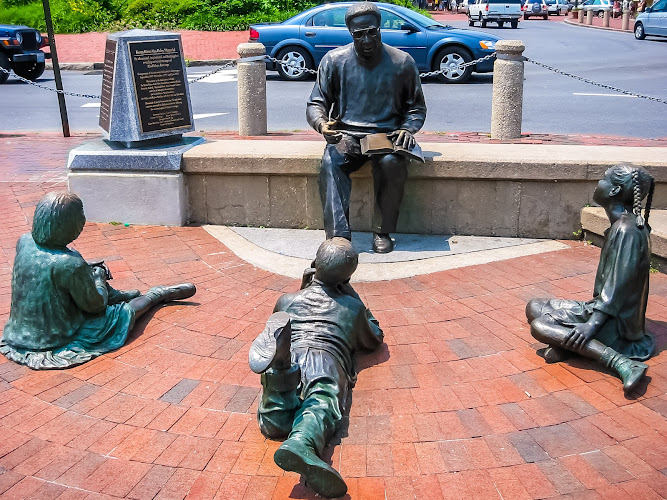
Kunta Kinte - Alex Haley Memorial
Find Accommodations Nearby
Recommended Tours & Activities
Visitor Reviews
There are no reviews yet. Be the first one to write one.
Share Your Experience
Have you visited William Paca House & Garden? Help other travelers by leaving a review.