

Mariposario De Padre Cocha
About Mariposario De Padre Cocha
Description
The Mariposario De Padre Cocha is one of those places that quietly sneaks up on you. You think you’re just going to see butterflies. And yes, you will see butterflies. Lots of them. But you’ll also walk out with muddy shoes, a head full of rainforest trivia, and maybe a caterpillar memory burned into your brain. That happened to me, by the way. A guide placed a chunky green caterpillar on my palm and said, very casually, “This one will fly in ten days.” I didn’t fully believe him. But that’s the kind of place this is. It messes with your assumptions.
Set in the Amazon region near the river community of Padre Cocha, this butterfly sanctuary focuses on education and conservation more than flashy presentation. And I like that. It feels real. Not overly polished, not pretending to be a theme park. The mariposario exists to protect native butterfly species and to show visitors how fragile and complex their life cycles are, from egg to caterpillar to chrysalis to winged adult. You see all of that here, sometimes literally inches from your face.
Travelers often ask if it’s “worth it.” The honest answer: it depends on what you’re looking for. If you want perfect signage, air-conditioning, and Instagram setups, you might feel a little underwhelmed. But if you’re curious, patient, and open to learning how butterflies survive in the Amazon rainforest, this place delivers. And kids? They usually love it. There’s something about watching a butterfly emerge that makes screens feel pointless for a while.
The space itself is modest, with netted enclosures, leafy plants, and narrow paths. Butterflies fly freely, sometimes landing on your shoulder or hat without asking permission. It can feel chaotic, but in a good way. Nature doesn’t follow straight lines. And neither does this place.
Key Features
- Live butterfly enclosures featuring native Amazon species
- Observation of the full butterfly life cycle, including eggs and caterpillars
- Educational explanations from local guides who clearly care about what they do
- Hands-on experiences that are especially engaging for children
- Shaded, natural environment that reflects real rainforest conditions
- Opportunities to see rare or less commonly known butterfly species
- Small-scale conservation efforts supporting local biodiversity
Best Time to Visit
If you want the most butterflies flapping around like they own the place, aim for the drier months, generally between June and September. That’s when conditions are more stable, and butterfly activity tends to be higher. But here’s the thing people don’t always tell you: butterflies don’t work on human schedules. Some days are magical, some are quieter, and that’s true year-round.
Mornings are usually better than afternoons. Butterflies are more active when it’s warm but not scorching, and guides have more energy early in the day too. I once visited in the late afternoon and could tell everyone, including the insects, was kind of over it. Still interesting, just slower.
Rainy season visits, typically from November to April, can be hit or miss. Heavy rain can limit movement, but it also brings lush plant growth and sometimes more caterpillars. If you’re the type who enjoys seeing behind-the-scenes processes rather than just the final pretty result, rainy season has its charm. Bring patience. And shoes you don’t love too much.
How to Get There
Getting to Mariposario De Padre Cocha is part of the adventure, and that’s not marketing fluff. From the city of Iquitos, you’ll travel by river, usually by small boat. The ride itself is worth paying attention to. Wooden houses on stilts, kids swimming near the shore, the hum of daily life along the Amazon. I remember thinking the journey felt like a preview of the visit, not just transportation.
Once you reach the community of Padre Cocha, it’s a short walk to the mariposario. Paths can be uneven, sometimes muddy, depending on the season. Wear shoes that forgive you easily. If you’re traveling with children or older family members, take it slow. There’s no rush here, and honestly, rushing kind of defeats the point.
Some travelers choose to go with a local guide or as part of a small tour, which can simplify logistics and add context. Others prefer to figure it out independently. Both options work. Just remember that river transport depends on weather and water levels, so flexibility is your friend.
Tips for Visiting
First tip, and I say this with love: lower your expectations just a notch. Not because the place isn’t good, but because it’s real. This isn’t a glossy zoo. It’s a working conservation space in the Amazon. When you meet it on its own terms, it shines.
Wear light clothing but cover your skin. Long sleeves help with mosquitoes, and trust me, they didn’t get the memo that you’re just visiting. Bring insect repellent, but use it sparingly so you don’t harm the butterflies. Guides will usually remind you, but it helps to be mindful.
If you’re visiting with kids, encourage them to ask questions. The guides are great with curious minds, and children often get more out of the experience than adults. I watched one guide explain metamorphosis using hand gestures and sound effects, and the kids were locked in. Adults too, if I’m honest.
Photography is allowed, but skip the flash. Butterflies are sensitive, and flashing them for a photo isn’t cool. Also, sometimes the best moments aren’t the ones you capture. I didn’t get a photo of that caterpillar on my hand, and I’m oddly glad. Some things can stay just yours.
Give yourself about an hour, maybe a bit more if you’re really into insects or traveling with family. It’s not an all-day attraction, and that’s fine. Pair it with other activities in the area, or just enjoy the slower pace of the community afterward.
Lastly, listen. Not just to the guide, but to the place. The buzzing, the flapping wings, the distant river sounds. The Mariposario De Padre Cocha isn’t trying to impress you loudly. It’s whispering. And if you pay attention, it leaves a mark.
Key Features
- Live butterfly enclosures featuring native Amazon species
- Observation of the full butterfly life cycle, including eggs and caterpillars
- Educational explanations from local guides who clearly care about what they do
- Hands-on experiences that are especially engaging for children
- Shaded, natural environment that reflects real rainforest conditions
- Opportunities to see rare or less commonly known butterfly species
- Small-scale conservation efforts supporting local biodiversity
More Details
Updated December 31, 2025
Table of Contents
Description
The Mariposario De Padre Cocha is one of those places that quietly sneaks up on you. You think you’re just going to see butterflies. And yes, you will see butterflies. Lots of them. But you’ll also walk out with muddy shoes, a head full of rainforest trivia, and maybe a caterpillar memory burned into your brain. That happened to me, by the way. A guide placed a chunky green caterpillar on my palm and said, very casually, “This one will fly in ten days.” I didn’t fully believe him. But that’s the kind of place this is. It messes with your assumptions.
Set in the Amazon region near the river community of Padre Cocha, this butterfly sanctuary focuses on education and conservation more than flashy presentation. And I like that. It feels real. Not overly polished, not pretending to be a theme park. The mariposario exists to protect native butterfly species and to show visitors how fragile and complex their life cycles are, from egg to caterpillar to chrysalis to winged adult. You see all of that here, sometimes literally inches from your face.
Travelers often ask if it’s “worth it.” The honest answer: it depends on what you’re looking for. If you want perfect signage, air-conditioning, and Instagram setups, you might feel a little underwhelmed. But if you’re curious, patient, and open to learning how butterflies survive in the Amazon rainforest, this place delivers. And kids? They usually love it. There’s something about watching a butterfly emerge that makes screens feel pointless for a while.
The space itself is modest, with netted enclosures, leafy plants, and narrow paths. Butterflies fly freely, sometimes landing on your shoulder or hat without asking permission. It can feel chaotic, but in a good way. Nature doesn’t follow straight lines. And neither does this place.
Key Features
- Live butterfly enclosures featuring native Amazon species
- Observation of the full butterfly life cycle, including eggs and caterpillars
- Educational explanations from local guides who clearly care about what they do
- Hands-on experiences that are especially engaging for children
- Shaded, natural environment that reflects real rainforest conditions
- Opportunities to see rare or less commonly known butterfly species
- Small-scale conservation efforts supporting local biodiversity
Best Time to Visit
If you want the most butterflies flapping around like they own the place, aim for the drier months, generally between June and September. That’s when conditions are more stable, and butterfly activity tends to be higher. But here’s the thing people don’t always tell you: butterflies don’t work on human schedules. Some days are magical, some are quieter, and that’s true year-round.
Mornings are usually better than afternoons. Butterflies are more active when it’s warm but not scorching, and guides have more energy early in the day too. I once visited in the late afternoon and could tell everyone, including the insects, was kind of over it. Still interesting, just slower.
Rainy season visits, typically from November to April, can be hit or miss. Heavy rain can limit movement, but it also brings lush plant growth and sometimes more caterpillars. If you’re the type who enjoys seeing behind-the-scenes processes rather than just the final pretty result, rainy season has its charm. Bring patience. And shoes you don’t love too much.
How to Get There
Getting to Mariposario De Padre Cocha is part of the adventure, and that’s not marketing fluff. From the city of Iquitos, you’ll travel by river, usually by small boat. The ride itself is worth paying attention to. Wooden houses on stilts, kids swimming near the shore, the hum of daily life along the Amazon. I remember thinking the journey felt like a preview of the visit, not just transportation.
Once you reach the community of Padre Cocha, it’s a short walk to the mariposario. Paths can be uneven, sometimes muddy, depending on the season. Wear shoes that forgive you easily. If you’re traveling with children or older family members, take it slow. There’s no rush here, and honestly, rushing kind of defeats the point.
Some travelers choose to go with a local guide or as part of a small tour, which can simplify logistics and add context. Others prefer to figure it out independently. Both options work. Just remember that river transport depends on weather and water levels, so flexibility is your friend.
Tips for Visiting
First tip, and I say this with love: lower your expectations just a notch. Not because the place isn’t good, but because it’s real. This isn’t a glossy zoo. It’s a working conservation space in the Amazon. When you meet it on its own terms, it shines.
Wear light clothing but cover your skin. Long sleeves help with mosquitoes, and trust me, they didn’t get the memo that you’re just visiting. Bring insect repellent, but use it sparingly so you don’t harm the butterflies. Guides will usually remind you, but it helps to be mindful.
If you’re visiting with kids, encourage them to ask questions. The guides are great with curious minds, and children often get more out of the experience than adults. I watched one guide explain metamorphosis using hand gestures and sound effects, and the kids were locked in. Adults too, if I’m honest.
Photography is allowed, but skip the flash. Butterflies are sensitive, and flashing them for a photo isn’t cool. Also, sometimes the best moments aren’t the ones you capture. I didn’t get a photo of that caterpillar on my hand, and I’m oddly glad. Some things can stay just yours.
Give yourself about an hour, maybe a bit more if you’re really into insects or traveling with family. It’s not an all-day attraction, and that’s fine. Pair it with other activities in the area, or just enjoy the slower pace of the community afterward.
Lastly, listen. Not just to the guide, but to the place. The buzzing, the flapping wings, the distant river sounds. The Mariposario De Padre Cocha isn’t trying to impress you loudly. It’s whispering. And if you pay attention, it leaves a mark.
Key Highlights
- Live butterfly enclosures featuring native Amazon species
- Observation of the full butterfly life cycle, including eggs and caterpillars
- Educational explanations from local guides who clearly care about what they do
- Hands-on experiences that are especially engaging for children
- Shaded, natural environment that reflects real rainforest conditions
- Opportunities to see rare or less commonly known butterfly species
- Small-scale conservation efforts supporting local biodiversity
Location
Places to Stay Near Mariposario De Padre Cocha
Find and Book a Tour
Explore More Travel Guides
No reviews found! Be the first to review!
Traveler Reviews for Mariposario De Padre Cocha
There are no reviews yet. Be the first one to write one.
Have you visited Mariposario De Padre Cocha? Help other travelers by sharing your review.
You Might Also Like
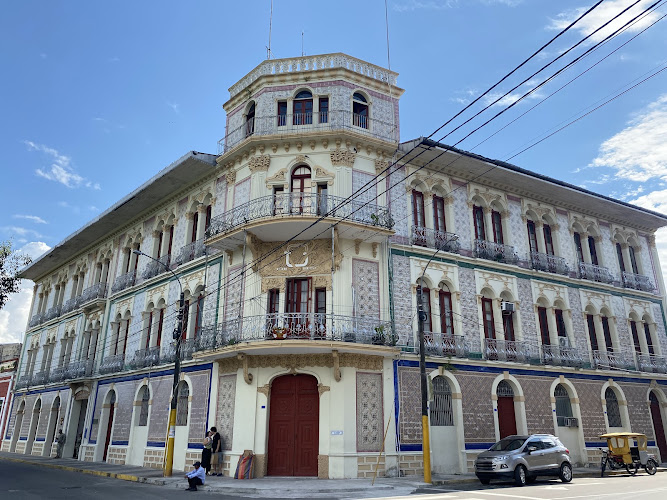
Old Hotel Palace
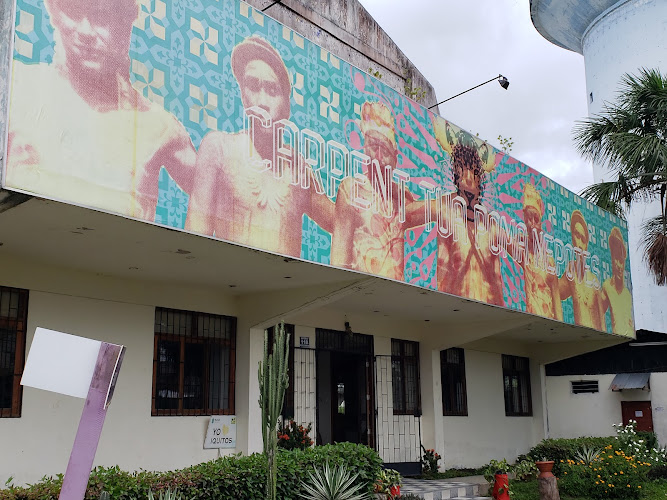
Mi Museo Iquitos
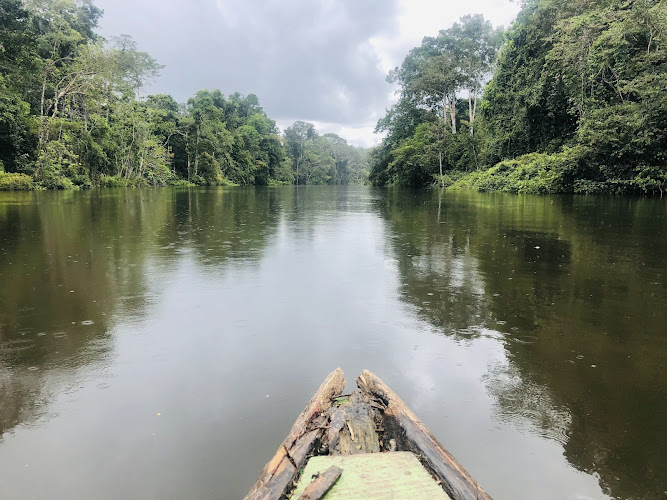
Amazon Experience
Find Accommodations Nearby
Recommended Tours & Activities
Visitor Reviews
There are no reviews yet. Be the first one to write one.
Share Your Experience
Have you visited Mariposario De Padre Cocha? Help other travelers by leaving a review.