
Marinid Tombs
About Marinid Tombs
Description
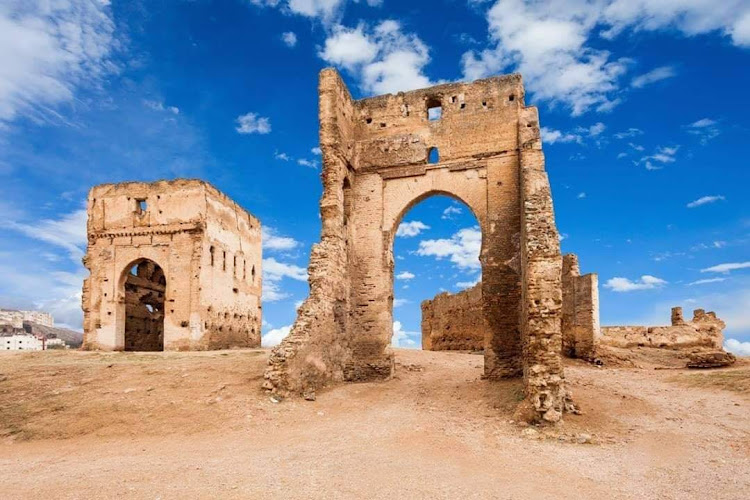
Perched high above the old medina of Fes, the Marinid Tombs stand quietly against the skyline, watching over the city like ancient sentinels. These 14th-century mausoleums, built by the Marinid dynasty, are more than just crumbling stone—they’re a glimpse into Morocco’s layered history, where dynasties rose, flourished, and eventually faded into dust. The tombs themselves are in ruins now, but honestly, that’s part of their charm. You can still see the traces of their once-grand horseshoe-shaped entrances, the kind that make you imagine what they must’ve looked like when the Marinid sultans were at their peak.
Standing there, the wind brushing past, you can almost hear the whispers of centuries gone by. The view is what really steals the show though—Fes laid out beneath you like a living tapestry, the old medina’s maze of rooftops glowing golden under the late afternoon sun. I remember the first time I climbed up here; my legs were burning by the time I reached the top, but when I turned around and saw that panoramic view, I forgot all about it. It’s one of those places that doesn’t need fancy signs or polished exhibits—it’s raw, real, and somehow humbling.
The Marinid Tombs aren’t the kind of attraction where you’ll find crowds of tourists snapping selfies every second. It’s quieter, more contemplative. Some people might find the ruins underwhelming at first glance, but if you linger a bit, you’ll feel the weight of history in the silence. The stones are weathered, yes, but they’ve survived centuries of wind, sun, and time. And there’s something beautiful in that endurance.
Key Features
- 14th-century mausoleums built by the Marinid dynasty, offering a glimpse into medieval Moroccan architecture.
- Distinctive horseshoe-shaped entrances that reflect traditional Islamic design.
- Spectacular panoramic views over the ancient medina of Fes, especially at sunset.
- Peaceful atmosphere away from the bustle of the city below.
- Historical significance as one of the last remnants of the Marinid dynasty’s architectural legacy.
- Accessible walking trails leading up the hill, suitable for both adults and children.
If you’re into photography, this spot is a dream. The lighting changes every few minutes, painting the ruins in shades of amber and rose. And for history buffs, it’s a quiet reminder of Morocco’s dynastic past—no flashy signs, no ticket booths, just you, the stones, and the city stretching endlessly below.
Best Time to Visit
The best time to visit the Marinid Tombs is late afternoon, hands down. That’s when the sun starts dipping low, casting everything in that warm, honey-colored glow that makes even the dust look magical. Sunset up here is something else—you’ll see the entire medina light up in gold, and if you stay long enough, the call to prayer will echo across the valley. It’s one of those goosebump moments, even if you’re not particularly spiritual.
If you’re visiting in summer, go either early morning or around sunset because the midday sun can be brutal—there’s not much shade up there. Spring and autumn are perfect seasons; the weather’s mild, the air’s clear, and the hillsides around the tombs are dotted with wildflowers. Winter has its own charm too, especially on crisp, clear days when you can see for miles.
How to Get There
Getting to the Marinid Tombs isn’t complicated, though you’ll definitely want comfortable shoes. The tombs sit on a hill overlooking Fes el-Bali, the old medina. You can walk up from the medina if you’re feeling adventurous—it’s a bit of a climb, but it’s doable. The path winds through quiet neighborhoods before opening up to the hillside, and honestly, the walk is part of the experience. You’ll pass locals chatting, kids playing, and maybe even a stray cat or two following you for a while.
If walking’s not your thing, taxis can take you most of the way up. Just remember to agree on the fare beforehand—drivers in Fes are friendly but bargaining is part of the culture. Some visitors also hire local guides who combine the tombs with other nearby viewpoints, which can be a great way to learn more about the city’s history without getting lost in the medina’s maze.
Once you’re at the top, take a few moments to catch your breath and just look around. The view stretches far beyond the city—to the hills, the plains, and beyond. It’s the kind of place that makes you realize how small you are compared to the sweep of time.
Tips for Visiting
If you’re planning a trip to the Marinid Tombs, here are a few things I’ve learned from experience (and a few mistakes):
- Bring water and snacks. There aren’t any shops or cafes up there, and the climb can get thirsty fast.
- Wear sturdy shoes. The ground is uneven, and the stones can be slippery, especially after rain.
- Go for sunset. It’s not just beautiful—it’s unforgettable. The light, the view, the sound of the city below—it all comes together perfectly.
- Respect the site. These are historic ruins, not playgrounds. Climbing on the tombs might seem tempting, but it’s best to admire them from a respectful distance.
- Keep an eye on your belongings. It’s generally safe, but like any tourist spot, it’s smart to stay aware.
- Bring a camera (or your phone). Even if you’re not a photographer, you’ll want to capture that view—it’s one of the best in Fes.
If you’re traveling with kids, don’t worry—it’s actually a good spot for families. The open space at the top gives children room to explore safely while you soak in the view. Just make sure they stay away from the edges, as there are a few steep drops.
And here’s a little personal tip: stay a bit after sunset. Most people leave as soon as the sun dips below the horizon, but if you linger, you’ll see the city lights flicker on one by one. The call to prayer echoes across the valley, and the air cools down just enough to make you want to stay a little longer. It’s peaceful, almost meditative. Bring a light jacket, sit on a rock, and just let the moment sink in.
The Marinid Tombs might not have the grandeur of Morocco’s palaces or the intricate beauty of its mosques, but they have something rarer—soul. They remind you that history isn’t always polished or perfect. Sometimes it’s broken, weathered, and quietly breathtaking. And that’s exactly what makes this place worth the climb.
Key Features
- 14th-century mausoleums built by the Marinid dynasty, offering a glimpse into medieval Moroccan architecture.
- Distinctive horseshoe-shaped entrances that reflect traditional Islamic design.
- Spectacular panoramic views over the ancient medina of Fes, especially at sunset.
- Peaceful atmosphere away from the bustle of the city below.
- Historical significance as one of the last remnants of the Marinid dynasty’s architectural legacy.
- Accessible walking trails leading up the hill, suitable for both adults and children.
More Details
Updated October 11, 2025
Table of Contents
Description
Perched high above the old medina of Fes, the Marinid Tombs stand quietly against the skyline, watching over the city like ancient sentinels. These 14th-century mausoleums, built by the Marinid dynasty, are more than just crumbling stone—they’re a glimpse into Morocco’s layered history, where dynasties rose, flourished, and eventually faded into dust. The tombs themselves are in ruins now, but honestly, that’s part of their charm. You can still see the traces of their once-grand horseshoe-shaped entrances, the kind that make you imagine what they must’ve looked like when the Marinid sultans were at their peak.
Standing there, the wind brushing past, you can almost hear the whispers of centuries gone by. The view is what really steals the show though—Fes laid out beneath you like a living tapestry, the old medina’s maze of rooftops glowing golden under the late afternoon sun. I remember the first time I climbed up here; my legs were burning by the time I reached the top, but when I turned around and saw that panoramic view, I forgot all about it. It’s one of those places that doesn’t need fancy signs or polished exhibits—it’s raw, real, and somehow humbling.
The Marinid Tombs aren’t the kind of attraction where you’ll find crowds of tourists snapping selfies every second. It’s quieter, more contemplative. Some people might find the ruins underwhelming at first glance, but if you linger a bit, you’ll feel the weight of history in the silence. The stones are weathered, yes, but they’ve survived centuries of wind, sun, and time. And there’s something beautiful in that endurance.
Key Features
- 14th-century mausoleums built by the Marinid dynasty, offering a glimpse into medieval Moroccan architecture.
- Distinctive horseshoe-shaped entrances that reflect traditional Islamic design.
- Spectacular panoramic views over the ancient medina of Fes, especially at sunset.
- Peaceful atmosphere away from the bustle of the city below.
- Historical significance as one of the last remnants of the Marinid dynasty’s architectural legacy.
- Accessible walking trails leading up the hill, suitable for both adults and children.
If you’re into photography, this spot is a dream. The lighting changes every few minutes, painting the ruins in shades of amber and rose. And for history buffs, it’s a quiet reminder of Morocco’s dynastic past—no flashy signs, no ticket booths, just you, the stones, and the city stretching endlessly below.
Best Time to Visit
The best time to visit the Marinid Tombs is late afternoon, hands down. That’s when the sun starts dipping low, casting everything in that warm, honey-colored glow that makes even the dust look magical. Sunset up here is something else—you’ll see the entire medina light up in gold, and if you stay long enough, the call to prayer will echo across the valley. It’s one of those goosebump moments, even if you’re not particularly spiritual.
If you’re visiting in summer, go either early morning or around sunset because the midday sun can be brutal—there’s not much shade up there. Spring and autumn are perfect seasons; the weather’s mild, the air’s clear, and the hillsides around the tombs are dotted with wildflowers. Winter has its own charm too, especially on crisp, clear days when you can see for miles.
How to Get There
Getting to the Marinid Tombs isn’t complicated, though you’ll definitely want comfortable shoes. The tombs sit on a hill overlooking Fes el-Bali, the old medina. You can walk up from the medina if you’re feeling adventurous—it’s a bit of a climb, but it’s doable. The path winds through quiet neighborhoods before opening up to the hillside, and honestly, the walk is part of the experience. You’ll pass locals chatting, kids playing, and maybe even a stray cat or two following you for a while.
If walking’s not your thing, taxis can take you most of the way up. Just remember to agree on the fare beforehand—drivers in Fes are friendly but bargaining is part of the culture. Some visitors also hire local guides who combine the tombs with other nearby viewpoints, which can be a great way to learn more about the city’s history without getting lost in the medina’s maze.
Once you’re at the top, take a few moments to catch your breath and just look around. The view stretches far beyond the city—to the hills, the plains, and beyond. It’s the kind of place that makes you realize how small you are compared to the sweep of time.
Tips for Visiting
If you’re planning a trip to the Marinid Tombs, here are a few things I’ve learned from experience (and a few mistakes):
- Bring water and snacks. There aren’t any shops or cafes up there, and the climb can get thirsty fast.
- Wear sturdy shoes. The ground is uneven, and the stones can be slippery, especially after rain.
- Go for sunset. It’s not just beautiful—it’s unforgettable. The light, the view, the sound of the city below—it all comes together perfectly.
- Respect the site. These are historic ruins, not playgrounds. Climbing on the tombs might seem tempting, but it’s best to admire them from a respectful distance.
- Keep an eye on your belongings. It’s generally safe, but like any tourist spot, it’s smart to stay aware.
- Bring a camera (or your phone). Even if you’re not a photographer, you’ll want to capture that view—it’s one of the best in Fes.
If you’re traveling with kids, don’t worry—it’s actually a good spot for families. The open space at the top gives children room to explore safely while you soak in the view. Just make sure they stay away from the edges, as there are a few steep drops.
And here’s a little personal tip: stay a bit after sunset. Most people leave as soon as the sun dips below the horizon, but if you linger, you’ll see the city lights flicker on one by one. The call to prayer echoes across the valley, and the air cools down just enough to make you want to stay a little longer. It’s peaceful, almost meditative. Bring a light jacket, sit on a rock, and just let the moment sink in.
The Marinid Tombs might not have the grandeur of Morocco’s palaces or the intricate beauty of its mosques, but they have something rarer—soul. They remind you that history isn’t always polished or perfect. Sometimes it’s broken, weathered, and quietly breathtaking. And that’s exactly what makes this place worth the climb.
Key Highlights
- 14th-century mausoleums built by the Marinid dynasty, offering a glimpse into medieval Moroccan architecture.
- Distinctive horseshoe-shaped entrances that reflect traditional Islamic design.
- Spectacular panoramic views over the ancient medina of Fes, especially at sunset.
- Peaceful atmosphere away from the bustle of the city below.
- Historical significance as one of the last remnants of the Marinid dynasty’s architectural legacy.
- Accessible walking trails leading up the hill, suitable for both adults and children.
Location
Places to Stay Near Marinid Tombs
Find and Book a Tour
Explore More Travel Guides
No reviews found! Be the first to review!
Traveler Reviews for Marinid Tombs
There are no reviews yet. Be the first one to write one.
Have you visited Marinid Tombs? Help other travelers by sharing your review.
You Might Also Like

Henna Souk and pottery
The Royal Palace of Fez

Place Seffarine
Find Accommodations Nearby
Recommended Tours & Activities
Visitor Reviews
There are no reviews yet. Be the first one to write one.
Share Your Experience
Have you visited Marinid Tombs? Help other travelers by leaving a review.