
Marine Mammal Care Center
About Marine Mammal Care Center
Description
The Marine Mammal Care Center is one of those places that quietly sticks with you long after you leave. It isn’t flashy. It doesn’t try to overwhelm you with spectacle. Instead, it does something far more powerful: it lets you see what care, patience, and science look like when they’re applied to real, living animals that had a rough go of it out in the ocean.
This facility operates as a working animal hospital, focusing mainly on seals and sea lions that have been stranded, injured, malnourished, or otherwise in trouble along the coast. And yes, travelers are welcome. But you’re stepping into an active rescue and rehabilitation center, not a zoo. That distinction matters. You’ll notice it right away in the tone of the place. Calm. Purposeful. A little serious, in a good way.
I remember my first visit pretty clearly. I expected something small and maybe a bit underwhelming. Instead, I found myself leaning over the railings, quietly watching a seal pup wobble awkwardly toward a pool, while a volunteer explained—almost casually—how common entanglement injuries are. That moment hit harder than any signboard ever could. You realize fast that this place exists because humans have messed things up, but also because humans are trying, at least some of the time, to fix them.
For travelers, especially those interested in wildlife tourism with substance, the Marine Mammal Care Center offers a rare behind-the-scenes look at conservation in action. You’re not just observing animals; you’re witnessing recovery. Some seals arrive severely underweight, others with shark bites, infections, or injuries from fishing gear. The goal is always the same: heal them enough to return to the ocean.
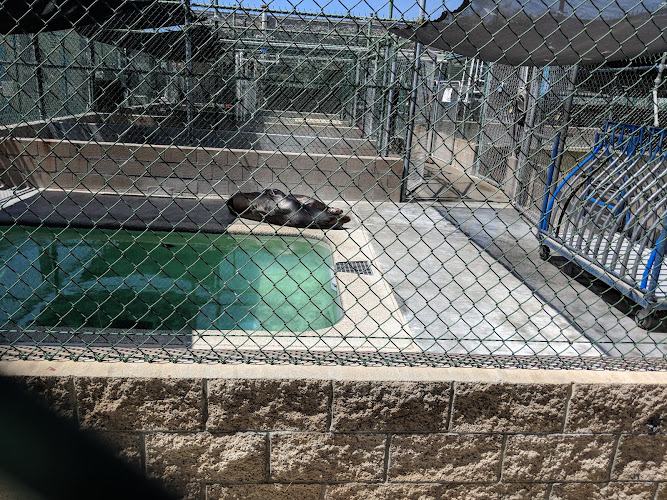
The layout is straightforward, with outdoor viewing areas where you can see seals resting, swimming, or being monitored. Informational displays explain what brought each animal in and how treatment works. And yes, sometimes you’ll see animals that don’t make it. The center doesn’t hide that reality. But honestly, that honesty is part of what makes the visit meaningful. It’s not sugar-coated, and I respect that.
Despite being a medical facility, it’s accessible and welcoming. Wheelchair-accessible paths, restrooms, and parking make it doable for most visitors. There’s a quiet sense of order here, punctuated by the occasional bark of a sea lion or splash of water. And if you’re traveling with kids, it’s an educational stop that doesn’t feel like homework.
Overall, the Marine Mammal Care Center balances its role as a tourist attraction with its primary mission as an animal hospital. Most visitors leave impressed and a little more aware of how fragile marine ecosystems really are. A few folks expect entertainment and leave disappointed, but that says more about expectations than the place itself.
Key Features
- Active marine mammal hospital specializing in seals and sea lions
- Outdoor viewing areas where visitors can observe rehabilitation in progress
- Educational signage explaining injuries, treatments, and rescue stories
- Knowledgeable staff and volunteers who answer questions honestly
- Free on-site parking, which is rare and appreciated
- Wheelchair-accessible entrance, restrooms, and parking areas
- Clean restroom facilities for visitors
- Focus on conservation, rescue, and release rather than entertainment
Best Time to Visit
Timing your visit to the Marine Mammal Care Center can really shape your experience. Late morning to early afternoon tends to be the sweet spot. That’s when staff activity is noticeable, and the animals are usually more alert. Early mornings can be quiet, which some people love, but you might miss seeing treatments or feedings in action.
Seasonally, late winter through early summer is peak rescue time. This coincides with pupping season, when young seals are more likely to strand. Translation: more animals on-site, more stories to learn, and more chances to see rehabilitation in progress. Summer can still be worthwhile, but the population may be lower as healthy animals are released back into the wild.
Weekdays are calmer, no surprise there. If you’re like me and prefer to read every sign without someone hovering behind you, aim for a weekday visit. Weekends draw more families and curious travelers, which can make the space feel busier, though still manageable.
Weather matters too. Since much of the center is outdoors, a mild, overcast day is ideal. Hot afternoons can make both visitors and seals a bit sluggish. I once visited during a heat wave and, honestly, everyone looked mildly annoyed—including the sea lions.
How to Get There
Getting to the Marine Mammal Care Center is fairly straightforward if you’re already exploring coastal Southern California. Most travelers arrive by car, which is the easiest option, especially since there’s free on-site parking. That alone makes it appealing when you’re juggling rental car costs and parking fees elsewhere.
If you’re relying on public transportation, it’s doable but requires a bit of planning and patience. Buses can get you part of the way, followed by a walk. Just know that the surrounding area feels more industrial than scenic, so don’t expect beachfront vibes on the approach. Stick with it, though—the destination is worth the slightly odd route.
Rideshare services are another practical choice, particularly if you’re visiting from nearby attractions or cruise terminals. Drivers generally know the center by name, which helps. And if they don’t, well, you’ll get a mini adventure explaining it. That’s happened to me more than once.
Tips for Visiting
First tip: adjust your expectations. This is not a petting zoo or an aquarium show. The animals are here to heal, not to perform. If you go in with that mindset, you’ll appreciate the experience so much more.
Second, take your time reading the informational displays. They’re surprisingly detailed and written in plain language. I’ve learned more about ocean pollution, domoic acid poisoning, and fishing gear impacts here than I ever did in school. And I say that as someone who actually liked science class.
Bring layers. Coastal weather can change fast, and the viewing areas are outdoors. I’ve made the mistake of dressing for sunshine only to end up shivering while watching a seal nap. Not ideal.
If you’re traveling with kids, prep them a little beforehand. Let them know they might see injured animals or hear sad stories alongside hopeful ones. Most kids handle it well, and many leave more compassionate than when they arrived.
Photography is usually allowed, but be respectful. No flash, and don’t linger too long in one spot if staff need access. Remember, you’re a guest in a working hospital.
Finally, consider how the visit might change you. Sounds dramatic, I know. But a lot of people leave thinking differently about plastic use, fishing practices, or how they interact with marine life at the beach. I certainly did. Even small changes—picking up trash, reporting stranded animals instead of approaching them—add up.
The Marine Mammal Care Center isn’t about instant gratification. It’s about awareness, responsibility, and quiet hope. For travelers looking to add depth to their itinerary, it’s a stop that feels real. And honestly, in a world full of overproduced attractions, that kind of authenticity is refreshing.
Key Features
- Active marine mammal hospital specializing in seals and sea lions
- Outdoor viewing areas where visitors can observe rehabilitation in progress
- Educational signage explaining injuries, treatments, and rescue stories
- Knowledgeable staff and volunteers who answer questions honestly
- Free on-site parking, which is rare and appreciated
- Wheelchair-accessible entrance, restrooms, and parking areas
- Clean restroom facilities for visitors
- Focus on conservation, rescue, and release rather than entertainment
More Details
Updated December 30, 2025
Table of Contents
Description
The Marine Mammal Care Center is one of those places that quietly sticks with you long after you leave. It isn’t flashy. It doesn’t try to overwhelm you with spectacle. Instead, it does something far more powerful: it lets you see what care, patience, and science look like when they’re applied to real, living animals that had a rough go of it out in the ocean.
This facility operates as a working animal hospital, focusing mainly on seals and sea lions that have been stranded, injured, malnourished, or otherwise in trouble along the coast. And yes, travelers are welcome. But you’re stepping into an active rescue and rehabilitation center, not a zoo. That distinction matters. You’ll notice it right away in the tone of the place. Calm. Purposeful. A little serious, in a good way.
I remember my first visit pretty clearly. I expected something small and maybe a bit underwhelming. Instead, I found myself leaning over the railings, quietly watching a seal pup wobble awkwardly toward a pool, while a volunteer explained—almost casually—how common entanglement injuries are. That moment hit harder than any signboard ever could. You realize fast that this place exists because humans have messed things up, but also because humans are trying, at least some of the time, to fix them.
For travelers, especially those interested in wildlife tourism with substance, the Marine Mammal Care Center offers a rare behind-the-scenes look at conservation in action. You’re not just observing animals; you’re witnessing recovery. Some seals arrive severely underweight, others with shark bites, infections, or injuries from fishing gear. The goal is always the same: heal them enough to return to the ocean.
The layout is straightforward, with outdoor viewing areas where you can see seals resting, swimming, or being monitored. Informational displays explain what brought each animal in and how treatment works. And yes, sometimes you’ll see animals that don’t make it. The center doesn’t hide that reality. But honestly, that honesty is part of what makes the visit meaningful. It’s not sugar-coated, and I respect that.
Despite being a medical facility, it’s accessible and welcoming. Wheelchair-accessible paths, restrooms, and parking make it doable for most visitors. There’s a quiet sense of order here, punctuated by the occasional bark of a sea lion or splash of water. And if you’re traveling with kids, it’s an educational stop that doesn’t feel like homework.
Overall, the Marine Mammal Care Center balances its role as a tourist attraction with its primary mission as an animal hospital. Most visitors leave impressed and a little more aware of how fragile marine ecosystems really are. A few folks expect entertainment and leave disappointed, but that says more about expectations than the place itself.
Key Features
- Active marine mammal hospital specializing in seals and sea lions
- Outdoor viewing areas where visitors can observe rehabilitation in progress
- Educational signage explaining injuries, treatments, and rescue stories
- Knowledgeable staff and volunteers who answer questions honestly
- Free on-site parking, which is rare and appreciated
- Wheelchair-accessible entrance, restrooms, and parking areas
- Clean restroom facilities for visitors
- Focus on conservation, rescue, and release rather than entertainment
Best Time to Visit
Timing your visit to the Marine Mammal Care Center can really shape your experience. Late morning to early afternoon tends to be the sweet spot. That’s when staff activity is noticeable, and the animals are usually more alert. Early mornings can be quiet, which some people love, but you might miss seeing treatments or feedings in action.
Seasonally, late winter through early summer is peak rescue time. This coincides with pupping season, when young seals are more likely to strand. Translation: more animals on-site, more stories to learn, and more chances to see rehabilitation in progress. Summer can still be worthwhile, but the population may be lower as healthy animals are released back into the wild.
Weekdays are calmer, no surprise there. If you’re like me and prefer to read every sign without someone hovering behind you, aim for a weekday visit. Weekends draw more families and curious travelers, which can make the space feel busier, though still manageable.
Weather matters too. Since much of the center is outdoors, a mild, overcast day is ideal. Hot afternoons can make both visitors and seals a bit sluggish. I once visited during a heat wave and, honestly, everyone looked mildly annoyed—including the sea lions.
How to Get There
Getting to the Marine Mammal Care Center is fairly straightforward if you’re already exploring coastal Southern California. Most travelers arrive by car, which is the easiest option, especially since there’s free on-site parking. That alone makes it appealing when you’re juggling rental car costs and parking fees elsewhere.
If you’re relying on public transportation, it’s doable but requires a bit of planning and patience. Buses can get you part of the way, followed by a walk. Just know that the surrounding area feels more industrial than scenic, so don’t expect beachfront vibes on the approach. Stick with it, though—the destination is worth the slightly odd route.
Rideshare services are another practical choice, particularly if you’re visiting from nearby attractions or cruise terminals. Drivers generally know the center by name, which helps. And if they don’t, well, you’ll get a mini adventure explaining it. That’s happened to me more than once.
Tips for Visiting
First tip: adjust your expectations. This is not a petting zoo or an aquarium show. The animals are here to heal, not to perform. If you go in with that mindset, you’ll appreciate the experience so much more.
Second, take your time reading the informational displays. They’re surprisingly detailed and written in plain language. I’ve learned more about ocean pollution, domoic acid poisoning, and fishing gear impacts here than I ever did in school. And I say that as someone who actually liked science class.
Bring layers. Coastal weather can change fast, and the viewing areas are outdoors. I’ve made the mistake of dressing for sunshine only to end up shivering while watching a seal nap. Not ideal.
If you’re traveling with kids, prep them a little beforehand. Let them know they might see injured animals or hear sad stories alongside hopeful ones. Most kids handle it well, and many leave more compassionate than when they arrived.
Photography is usually allowed, but be respectful. No flash, and don’t linger too long in one spot if staff need access. Remember, you’re a guest in a working hospital.
Finally, consider how the visit might change you. Sounds dramatic, I know. But a lot of people leave thinking differently about plastic use, fishing practices, or how they interact with marine life at the beach. I certainly did. Even small changes—picking up trash, reporting stranded animals instead of approaching them—add up.
The Marine Mammal Care Center isn’t about instant gratification. It’s about awareness, responsibility, and quiet hope. For travelers looking to add depth to their itinerary, it’s a stop that feels real. And honestly, in a world full of overproduced attractions, that kind of authenticity is refreshing.
Key Highlights
- Active marine mammal hospital specializing in seals and sea lions
- Outdoor viewing areas where visitors can observe rehabilitation in progress
- Educational signage explaining injuries, treatments, and rescue stories
- Knowledgeable staff and volunteers who answer questions honestly
- Free on-site parking, which is rare and appreciated
- Wheelchair-accessible entrance, restrooms, and parking areas
- Clean restroom facilities for visitors
- Focus on conservation, rescue, and release rather than entertainment
Location
Places to Stay Near Marine Mammal Care Center
Find and Book a Tour
Explore More Travel Guides
No reviews found! Be the first to review!
Traveler Reviews for Marine Mammal Care Center
There are no reviews yet. Be the first one to write one.
Have you visited Marine Mammal Care Center? Help other travelers by sharing your review.
You Might Also Like

Municipal De San Pedro Park

Battleship IOWA Museum
Los Angeles World Cruise Center
Find Accommodations Nearby
Recommended Tours & Activities
Visitor Reviews
There are no reviews yet. Be the first one to write one.
Share Your Experience
Have you visited Marine Mammal Care Center? Help other travelers by leaving a review.