About Manantiales Peñafiel Museo

Description

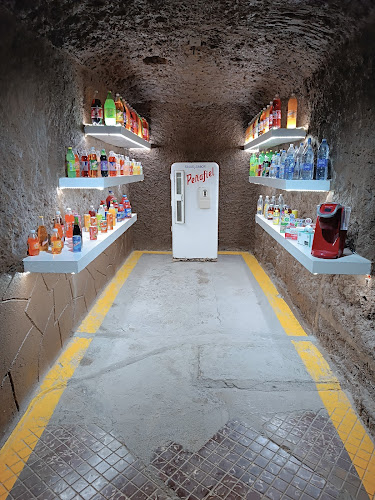
Manantiales Peñafiel Museo, tucked away in the heart of Tehuacán, Puebla, is one of those places that quietly surprises you. It’s not your typical museum filled with dusty relics behind glass. Instead, it’s a living story about water — yes, water — and how the mineral-rich springs of Tehuacán shaped an entire region’s identity. The museum dives deep into the history of the Peñafiel brand, one of Mexico’s most beloved mineral waters, but it also goes beyond the bottle. It tells the tale of the land, the geology, and the people who’ve been drawing from these springs for centuries.

Walking through the museum feels like stepping into a time capsule. You’ll see old bottling machines, vintage advertisements, and photographs showing how the once-glamorous Hotel Garci-Crespo stood proudly nearby, hosting famous guests who came to “take the waters.” The air has that faint mineral scent, a reminder that you’re standing above one of the most important hydromineral sources in Mexico. And while the exhibits are informative, they’re also surprisingly interactive — perfect for curious travelers or families looking to mix learning with fun.

What I personally love about this place is how it connects science and tradition. You start to realize that water isn’t just a drink here — it’s a legacy. The museum captures that beautifully, balancing technical explanations with local stories. Some displays even touch on how the springs were believed to have healing powers long before modern bottling began. It’s the kind of spot that makes you slow down, take a breath, and appreciate the simple but powerful things that sustain life.

Key Features

  • Historical Exhibits: Explore displays that trace the evolution of Peñafiel mineral water, from its early bottling days to modern production methods.
  • Natural Springs Insight: Learn about the geological formation of Tehuacán’s mineral springs and their unique chemical composition.
  • Old Bottling Equipment: Authentic machinery and tools used in early 20th-century production give a glimpse into Mexico’s industrial heritage.
  • Artistic Touches: A striking mural by Desiderio Hernández Xochitiotzin celebrates the cultural and natural richness of the region.
  • Garden of Cacti: The museum grounds feature a charming garden filled with local cactaceous species — a photographer’s dream spot.
  • Family-Friendly: The museum is great for kids, offering easy-to-understand displays and plenty of open space to explore safely.
  • Accessibility: Wheelchair-accessible entrances, restrooms, and parking make it comfortable for all visitors.
  • Guided Tours: Friendly staff offer guided tours that bring the exhibits to life with stories, trivia, and a bit of local humor.

It’s worth noting that while the museum doesn’t have a restaurant on-site, there are plenty of local eateries nearby. Some of the best tacos and aguas frescas I’ve had in Puebla were just a short walk away — so maybe plan your visit around lunch.

Best Time to Visit

Tehuacán’s weather is generally mild year-round, but the best time to visit the Manantiales Peñafiel Museo is between November and March, when the air is cooler and the skies are clear. During these months, the cacti gardens are particularly photogenic, and the museum tends to be less crowded. If you’re someone who enjoys quiet exploration, weekday mornings are ideal — you can wander through the exhibits at your own pace, without feeling rushed.

That said, visiting during local festivals can add an extra layer of excitement. The Tehuacán Valley is known for its cultural celebrations, and sometimes the museum hosts special events or themed tours during these times. I once visited in late February and ended up catching a small exhibit extension featuring local artisans who work with natural minerals — a total unexpected treat.

How to Get There

Getting to the museum is relatively straightforward if you’re already in Tehuacán. Most travelers arrive by car or taxi, and the route is well-marked. Public transport options are available, though a taxi or rideshare is usually the easiest choice if you’re not familiar with the area. The museum is located within the Peñafiel plant complex, so don’t be surprised if you see delivery trucks or workers going about their day — it’s part of the charm.

If you’re coming from Puebla City, expect about a three-hour drive depending on traffic. The road is smooth, and the scenery along the way — especially as you approach Tehuacán — is a real treat for anyone who loves desert landscapes. Just make sure to bring some water and snacks for the trip; roadside stops can be a bit sparse once you leave the main highway.

For those who like to plan ahead (and I definitely recommend it), booking tickets in advance is wise. The museum sometimes limits entry during peak times or special events, and having a reservation saves you from waiting around.

Tips for Visiting

Here’s the thing: while the Manantiales Peñafiel Museo isn’t massive, it’s packed with details that deserve your attention. Give yourself at least an hour and a half to explore properly. Don’t rush it; let the story unfold. I made the mistake of thinking I could breeze through in 30 minutes — big mistake. There’s so much nuance, especially in the older sections that show how mineral water was bottled by hand.

1. Bring a hat and sunscreen. The outdoor areas, especially the cactus garden, can get quite sunny. It’s beautiful but bright, and there’s not a ton of shade.

2. Ask questions. The guides here are incredibly knowledgeable, and they love sharing fun tidbits about the history of Peñafiel and the local geology. One guide told me about how early residents believed the springs had mystical healing powers — something that made me appreciate my next sip of mineral water a little more.

3. Take your time in the garden. It’s easy to overlook, but the cactus collection is one of the most underrated parts of the museum. Some of those species are found only in this region, and their shapes are wild — like something out of a sci-fi movie.

4. Keep an open mind. Even if you’re not a “museum person,” this place might surprise you. It’s part science, part history, part art — and somehow, it all works together.

5. Accessibility is solid. If you’re traveling with someone who uses a wheelchair or stroller, you’ll find ramps and accessible restrooms throughout. It’s one of the more inclusive museums I’ve seen in smaller Mexican cities.

6. Photography is allowed. Don’t forget your camera. Between the vintage machinery, the mural, and the outdoor gardens, there are plenty of Instagram-worthy moments. Just be respectful of other visitors and avoid flash in the indoor exhibits.

7. Combine your visit. If you’re planning a day trip, you can easily pair the museum visit with other local attractions in Tehuacán — like the Tehuacán-Cuicatlán Biosphere Reserve or the nearby archaeological sites. It makes for a full day of discovery that ties nature, culture, and history together beautifully.

One last thought: this museum may not scream “bucket list,” but it’s the kind of place that sticks with you. It reminds you that even something as ordinary as a bottle of mineral water has a story — one filled with science, community, and a deep respect for nature. And that’s what travel is really about, right? Finding meaning in the little things, the quiet corners, the places that don’t always make the headlines but leave you thinking long after you’ve gone home.

So if you’re ever in Tehuacán, take an hour or two to stop by the Manantiales Peñafiel Museo. It’s refreshing — in more ways than one.

Key Features

  • Key Features
  • Best Time to Visit
  • How to Get There
  • Tips for Visiting

More Details

Updated November 30, 2025

Description

Manantiales Peñafiel Museo, tucked away in the heart of Tehuacán, Puebla, is one of those places that quietly surprises you. It’s not your typical museum filled with dusty relics behind glass. Instead, it’s a living story about water — yes, water — and how the mineral-rich springs of Tehuacán shaped an entire region’s identity. The museum dives deep into the history of the Peñafiel brand, one of Mexico’s most beloved mineral waters, but it also goes beyond the bottle. It tells the tale of the land, the geology, and the people who’ve been drawing from these springs for centuries.

Walking through the museum feels like stepping into a time capsule. You’ll see old bottling machines, vintage advertisements, and photographs showing how the once-glamorous Hotel Garci-Crespo stood proudly nearby, hosting famous guests who came to “take the waters.” The air has that faint mineral scent, a reminder that you’re standing above one of the most important hydromineral sources in Mexico. And while the exhibits are informative, they’re also surprisingly interactive — perfect for curious travelers or families looking to mix learning with fun.

What I personally love about this place is how it connects science and tradition. You start to realize that water isn’t just a drink here — it’s a legacy. The museum captures that beautifully, balancing technical explanations with local stories. Some displays even touch on how the springs were believed to have healing powers long before modern bottling began. It’s the kind of spot that makes you slow down, take a breath, and appreciate the simple but powerful things that sustain life.

Key Features

  • Historical Exhibits: Explore displays that trace the evolution of Peñafiel mineral water, from its early bottling days to modern production methods.
  • Natural Springs Insight: Learn about the geological formation of Tehuacán’s mineral springs and their unique chemical composition.
  • Old Bottling Equipment: Authentic machinery and tools used in early 20th-century production give a glimpse into Mexico’s industrial heritage.
  • Artistic Touches: A striking mural by Desiderio Hernández Xochitiotzin celebrates the cultural and natural richness of the region.
  • Garden of Cacti: The museum grounds feature a charming garden filled with local cactaceous species — a photographer’s dream spot.
  • Family-Friendly: The museum is great for kids, offering easy-to-understand displays and plenty of open space to explore safely.
  • Accessibility: Wheelchair-accessible entrances, restrooms, and parking make it comfortable for all visitors.
  • Guided Tours: Friendly staff offer guided tours that bring the exhibits to life with stories, trivia, and a bit of local humor.

It’s worth noting that while the museum doesn’t have a restaurant on-site, there are plenty of local eateries nearby. Some of the best tacos and aguas frescas I’ve had in Puebla were just a short walk away — so maybe plan your visit around lunch.

Best Time to Visit

Tehuacán’s weather is generally mild year-round, but the best time to visit the Manantiales Peñafiel Museo is between November and March, when the air is cooler and the skies are clear. During these months, the cacti gardens are particularly photogenic, and the museum tends to be less crowded. If you’re someone who enjoys quiet exploration, weekday mornings are ideal — you can wander through the exhibits at your own pace, without feeling rushed.

That said, visiting during local festivals can add an extra layer of excitement. The Tehuacán Valley is known for its cultural celebrations, and sometimes the museum hosts special events or themed tours during these times. I once visited in late February and ended up catching a small exhibit extension featuring local artisans who work with natural minerals — a total unexpected treat.

How to Get There

Getting to the museum is relatively straightforward if you’re already in Tehuacán. Most travelers arrive by car or taxi, and the route is well-marked. Public transport options are available, though a taxi or rideshare is usually the easiest choice if you’re not familiar with the area. The museum is located within the Peñafiel plant complex, so don’t be surprised if you see delivery trucks or workers going about their day — it’s part of the charm.

If you’re coming from Puebla City, expect about a three-hour drive depending on traffic. The road is smooth, and the scenery along the way — especially as you approach Tehuacán — is a real treat for anyone who loves desert landscapes. Just make sure to bring some water and snacks for the trip; roadside stops can be a bit sparse once you leave the main highway.

For those who like to plan ahead (and I definitely recommend it), booking tickets in advance is wise. The museum sometimes limits entry during peak times or special events, and having a reservation saves you from waiting around.

Tips for Visiting

Here’s the thing: while the Manantiales Peñafiel Museo isn’t massive, it’s packed with details that deserve your attention. Give yourself at least an hour and a half to explore properly. Don’t rush it; let the story unfold. I made the mistake of thinking I could breeze through in 30 minutes — big mistake. There’s so much nuance, especially in the older sections that show how mineral water was bottled by hand.

1. Bring a hat and sunscreen. The outdoor areas, especially the cactus garden, can get quite sunny. It’s beautiful but bright, and there’s not a ton of shade.

2. Ask questions. The guides here are incredibly knowledgeable, and they love sharing fun tidbits about the history of Peñafiel and the local geology. One guide told me about how early residents believed the springs had mystical healing powers — something that made me appreciate my next sip of mineral water a little more.

3. Take your time in the garden. It’s easy to overlook, but the cactus collection is one of the most underrated parts of the museum. Some of those species are found only in this region, and their shapes are wild — like something out of a sci-fi movie.

4. Keep an open mind. Even if you’re not a “museum person,” this place might surprise you. It’s part science, part history, part art — and somehow, it all works together.

5. Accessibility is solid. If you’re traveling with someone who uses a wheelchair or stroller, you’ll find ramps and accessible restrooms throughout. It’s one of the more inclusive museums I’ve seen in smaller Mexican cities.

6. Photography is allowed. Don’t forget your camera. Between the vintage machinery, the mural, and the outdoor gardens, there are plenty of Instagram-worthy moments. Just be respectful of other visitors and avoid flash in the indoor exhibits.

7. Combine your visit. If you’re planning a day trip, you can easily pair the museum visit with other local attractions in Tehuacán — like the Tehuacán-Cuicatlán Biosphere Reserve or the nearby archaeological sites. It makes for a full day of discovery that ties nature, culture, and history together beautifully.

One last thought: this museum may not scream “bucket list,” but it’s the kind of place that sticks with you. It reminds you that even something as ordinary as a bottle of mineral water has a story — one filled with science, community, and a deep respect for nature. And that’s what travel is really about, right? Finding meaning in the little things, the quiet corners, the places that don’t always make the headlines but leave you thinking long after you’ve gone home.

So if you’re ever in Tehuacán, take an hour or two to stop by the Manantiales Peñafiel Museo. It’s refreshing — in more ways than one.

Key Highlights

  • Key Features
  • Best Time to Visit
  • How to Get There
  • Tips for Visiting

Location

Places to Stay Near Manantiales Peñafiel Museo

Find and Book a Tour

Explore More Travel Guides

No reviews found! Be the first to review!

Traveler Reviews for Manantiales Peñafiel Museo

There are no reviews yet. Be the first one to write one.

Share Your Experience

Have you visited Manantiales Peñafiel Museo? Help other travelers by sharing your review.

Find Accommodations Nearby

Recommended Tours & Activities

Visitor Reviews

There are no reviews yet. Be the first one to write one.

Share Your Experience

Have you visited Manantiales Peñafiel Museo? Help other travelers by leaving a review.