About Machida Tenmangu

Description

Machida Tenmangu is one of those places that quietly sneaks up on you — not because it’s flashy or grand, but because it feels so deeply rooted in the rhythm of everyday life in Tokyo’s Machida area. It’s a Shinto shrine, yes, but it’s also a gathering point, a small cultural hub, and a little pocket of calm tucked away from the city’s usual hum. The shrine is dedicated to Sugawara no Michizane, the deity of learning and scholarship, which explains the steady stream of students who come here before exams, hoping for a little divine nudge toward success. I’ve seen them myself — young folks clutching ema plaques, writing earnest wishes in careful handwriting. There’s something touching about that sincerity.

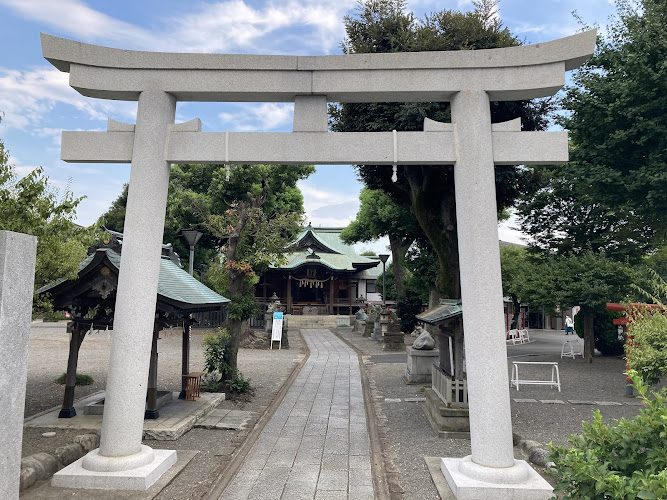
The shrine grounds aren’t massive, but they have a certain charm that makes you linger. The air feels different here — crisp, slightly perfumed with incense, and sometimes tinged with the earthy scent of old wood. Two ox statues greet visitors, both polished smooth from years of gentle touches. Locals believe that stroking the ox can bring good luck or help heal ailments. I tried it once, half-skeptical, half-hopeful, and walked away feeling oddly lighter. Maybe it’s the atmosphere, maybe it’s belief — either way, it works its quiet magic.

Machida Tenmangu is also known for its monthly antique market, which happens on the first day of every month. If you love browsing through vintage kimono, handmade pottery, or old Japanese toys, this is your spot. It’s not just a market; it’s like stepping into a living museum of Japanese design and nostalgia. I once found a beautiful old kokeshi doll there for just a few hundred yen — still one of my favorite souvenirs from Tokyo.

While some might say the shrine doesn’t have the grandeur of the big Tokyo ones like Meiji Jingu, that’s exactly what makes it special. It’s approachable, real, and woven into the daily life of Machida’s residents. You’ll see locals stopping by on their way to the station, bowing briefly before continuing their day. There’s something profoundly grounding about that.

Key Features

  • Dedicated to Sugawara no Michizane, the deity of learning and scholarship.
  • Two symbolic ox statues believed to bring good luck and healing.
  • Monthly antique market featuring vintage kimono, pottery, furniture, and crafts.
  • Peaceful shrine grounds with traditional architecture and seasonal blooms.
  • Popular spot for hatsumōde (New Year’s first shrine visit) and exam prayers.
  • Small shrine shop selling charms, ema plaques, and amulets for students.
  • Accessible location within walking distance from Machida Station.
  • Public restrooms and onsite amenities for visitors’ convenience.

Best Time to Visit

Honestly, Machida Tenmangu has its own kind of beauty year-round, but each season gives it a different personality. In early spring, plum blossoms pop up around the grounds — a fitting tribute to Sugawara no Michizane, who’s traditionally associated with plum trees. It’s not as crowded as the cherry blossom spots, which makes it a peaceful alternative if you prefer quiet appreciation over selfie sticks.

Summer brings a lush, green calm, though it can get humid. I like visiting in the early morning then, when the air is still cool and the cicadas are just starting their chorus. Autumn, though, might be my favorite. The shrine grounds turn golden and red, and the antique market feels extra cozy under the falling leaves. Winter has its own charm too, especially around New Year’s. The hatsumōde period draws locals in droves, and you’ll feel that shared sense of renewal and hope that makes Japanese New Year celebrations so special.

If you’re planning to see the antique market, mark your calendar for the first day of any month. It’s best to arrive early — the good finds go fast, and the morning light filtering through the shrine’s torii gate is just beautiful.

How to Get There

Getting to Machida Tenmangu is straightforward, which is part of its appeal. From central Tokyo, you can hop on the Odakyu Line from Shinjuku Station and ride directly to Machida Station. The trip takes roughly 35 minutes. Once you arrive, it’s about an eight-minute walk from the station to the shrine. You’ll pass through a mix of local shops and quiet streets before reaching the torii gate — it’s a pleasant little stroll that gives you a glimpse into the local neighborhood vibe.

If you’re coming from Yokohama or the western suburbs, the JR Yokohama Line also runs to Machida Station, making it easy to visit from multiple directions. The area around the station is lively, with plenty of cafes and restaurants, so you can easily make a half-day trip out of your visit.

For those traveling with kids or older family members, the path to the shrine is mostly flat and well-paved. There’s a restroom on-site, and the shrine grounds are compact enough that you won’t have to do much walking once you’re there.

Tips for Visiting

Here’s where a few insider tips can make your visit smoother — and maybe even more meaningful. First, if you’re planning to pray for exam success or any kind of study-related wish, pick up an ema plaque from the small shop near the main hall. Write your wish on it and hang it up with the others. It’s a simple ritual, but there’s something powerful about seeing hundreds of handwritten hopes gathered in one place.

If you’re going for the antique market, bring cash — most vendors don’t take cards. I learned that the hard way when I spotted a gorgeous old lacquer box and had to dash to a convenience store ATM. Also, bring a reusable bag or two; it’s easy to end up buying more than you planned.

Photography is allowed in most areas, but remember that this is an active place of worship. Be respectful of people praying, and avoid using flash inside shrine buildings. And if you’re visiting during hatsumōde, expect crowds. The line to the main shrine can get long, but it moves quickly, and everyone’s in good spirits.

One more thing — take a moment to just sit on one of the benches and watch the world go by. I did that on my last visit, sipping a canned coffee from a nearby vending machine, and it struck me how seamlessly tradition and modern life coexist here. A student bowing before the shrine, a grandmother chatting with a vendor, a couple taking a quiet stroll — it’s all part of what makes Machida Tenmangu so quietly special.

So if you’re looking for a Tokyo experience that feels a little more personal, a little more local, this shrine is worth your time. It’s not just about seeing another temple or taking another photo — it’s about slowing down, connecting, and maybe even finding a bit of luck along the way.

Key Features

  • Dedicated to Sugawara no Michizane, the deity of learning and scholarship.
  • Two symbolic ox statues believed to bring good luck and healing.
  • Monthly antique market featuring vintage kimono, pottery, furniture, and crafts.
  • Peaceful shrine grounds with traditional architecture and seasonal blooms.
  • Small shrine shop selling charms, ema plaques, and amulets for students.
  • Accessible location within walking distance from Machida Station.
  • Public restrooms and onsite amenities for visitors’ convenience.

More Details

Updated November 7, 2025

Description

Machida Tenmangu is one of those places that quietly sneaks up on you — not because it’s flashy or grand, but because it feels so deeply rooted in the rhythm of everyday life in Tokyo’s Machida area. It’s a Shinto shrine, yes, but it’s also a gathering point, a small cultural hub, and a little pocket of calm tucked away from the city’s usual hum. The shrine is dedicated to Sugawara no Michizane, the deity of learning and scholarship, which explains the steady stream of students who come here before exams, hoping for a little divine nudge toward success. I’ve seen them myself — young folks clutching ema plaques, writing earnest wishes in careful handwriting. There’s something touching about that sincerity.

The shrine grounds aren’t massive, but they have a certain charm that makes you linger. The air feels different here — crisp, slightly perfumed with incense, and sometimes tinged with the earthy scent of old wood. Two ox statues greet visitors, both polished smooth from years of gentle touches. Locals believe that stroking the ox can bring good luck or help heal ailments. I tried it once, half-skeptical, half-hopeful, and walked away feeling oddly lighter. Maybe it’s the atmosphere, maybe it’s belief — either way, it works its quiet magic.

Machida Tenmangu is also known for its monthly antique market, which happens on the first day of every month. If you love browsing through vintage kimono, handmade pottery, or old Japanese toys, this is your spot. It’s not just a market; it’s like stepping into a living museum of Japanese design and nostalgia. I once found a beautiful old kokeshi doll there for just a few hundred yen — still one of my favorite souvenirs from Tokyo.

While some might say the shrine doesn’t have the grandeur of the big Tokyo ones like Meiji Jingu, that’s exactly what makes it special. It’s approachable, real, and woven into the daily life of Machida’s residents. You’ll see locals stopping by on their way to the station, bowing briefly before continuing their day. There’s something profoundly grounding about that.

Key Features

  • Dedicated to Sugawara no Michizane, the deity of learning and scholarship.
  • Two symbolic ox statues believed to bring good luck and healing.
  • Monthly antique market featuring vintage kimono, pottery, furniture, and crafts.
  • Peaceful shrine grounds with traditional architecture and seasonal blooms.
  • Popular spot for hatsumōde (New Year’s first shrine visit) and exam prayers.
  • Small shrine shop selling charms, ema plaques, and amulets for students.
  • Accessible location within walking distance from Machida Station.
  • Public restrooms and onsite amenities for visitors’ convenience.

Best Time to Visit

Honestly, Machida Tenmangu has its own kind of beauty year-round, but each season gives it a different personality. In early spring, plum blossoms pop up around the grounds — a fitting tribute to Sugawara no Michizane, who’s traditionally associated with plum trees. It’s not as crowded as the cherry blossom spots, which makes it a peaceful alternative if you prefer quiet appreciation over selfie sticks.

Summer brings a lush, green calm, though it can get humid. I like visiting in the early morning then, when the air is still cool and the cicadas are just starting their chorus. Autumn, though, might be my favorite. The shrine grounds turn golden and red, and the antique market feels extra cozy under the falling leaves. Winter has its own charm too, especially around New Year’s. The hatsumōde period draws locals in droves, and you’ll feel that shared sense of renewal and hope that makes Japanese New Year celebrations so special.

If you’re planning to see the antique market, mark your calendar for the first day of any month. It’s best to arrive early — the good finds go fast, and the morning light filtering through the shrine’s torii gate is just beautiful.

How to Get There

Getting to Machida Tenmangu is straightforward, which is part of its appeal. From central Tokyo, you can hop on the Odakyu Line from Shinjuku Station and ride directly to Machida Station. The trip takes roughly 35 minutes. Once you arrive, it’s about an eight-minute walk from the station to the shrine. You’ll pass through a mix of local shops and quiet streets before reaching the torii gate — it’s a pleasant little stroll that gives you a glimpse into the local neighborhood vibe.

If you’re coming from Yokohama or the western suburbs, the JR Yokohama Line also runs to Machida Station, making it easy to visit from multiple directions. The area around the station is lively, with plenty of cafes and restaurants, so you can easily make a half-day trip out of your visit.

For those traveling with kids or older family members, the path to the shrine is mostly flat and well-paved. There’s a restroom on-site, and the shrine grounds are compact enough that you won’t have to do much walking once you’re there.

Tips for Visiting

Here’s where a few insider tips can make your visit smoother — and maybe even more meaningful. First, if you’re planning to pray for exam success or any kind of study-related wish, pick up an ema plaque from the small shop near the main hall. Write your wish on it and hang it up with the others. It’s a simple ritual, but there’s something powerful about seeing hundreds of handwritten hopes gathered in one place.

If you’re going for the antique market, bring cash — most vendors don’t take cards. I learned that the hard way when I spotted a gorgeous old lacquer box and had to dash to a convenience store ATM. Also, bring a reusable bag or two; it’s easy to end up buying more than you planned.

Photography is allowed in most areas, but remember that this is an active place of worship. Be respectful of people praying, and avoid using flash inside shrine buildings. And if you’re visiting during hatsumōde, expect crowds. The line to the main shrine can get long, but it moves quickly, and everyone’s in good spirits.

One more thing — take a moment to just sit on one of the benches and watch the world go by. I did that on my last visit, sipping a canned coffee from a nearby vending machine, and it struck me how seamlessly tradition and modern life coexist here. A student bowing before the shrine, a grandmother chatting with a vendor, a couple taking a quiet stroll — it’s all part of what makes Machida Tenmangu so quietly special.

So if you’re looking for a Tokyo experience that feels a little more personal, a little more local, this shrine is worth your time. It’s not just about seeing another temple or taking another photo — it’s about slowing down, connecting, and maybe even finding a bit of luck along the way.

Key Highlights

  • Dedicated to Sugawara no Michizane, the deity of learning and scholarship.
  • Two symbolic ox statues believed to bring good luck and healing.
  • Monthly antique market featuring vintage kimono, pottery, furniture, and crafts.
  • Peaceful shrine grounds with traditional architecture and seasonal blooms.
  • Small shrine shop selling charms, ema plaques, and amulets for students.
  • Accessible location within walking distance from Machida Station.
  • Public restrooms and onsite amenities for visitors’ convenience.

Location

Places to Stay Near Machida Tenmangu

Find and Book a Tour

Explore More Travel Guides

No reviews found! Be the first to review!

Traveler Reviews for Machida Tenmangu

There are no reviews yet. Be the first one to write one.

Share Your Experience

Have you visited Machida Tenmangu? Help other travelers by sharing your review.

Find Accommodations Nearby

Recommended Tours & Activities

Visitor Reviews

There are no reviews yet. Be the first one to write one.

Share Your Experience

Have you visited Machida Tenmangu? Help other travelers by leaving a review.