
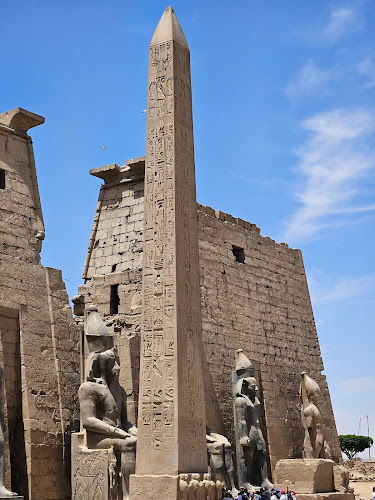
Luxor Temple
About Luxor Temple
Description
Look, I've seen my fair share of ancient Egyptian temples, but there's something absolutely magical about Luxor Temple. Standing proud along the east bank of the Nile River, this architectural masterpiece has been stopping visitors in their tracks for over 3,000 years - and trust me, it still packs the same punch today. Built during the New Kingdom period, this temple complex showcases the incredible vision of pharaohs Amenhotep III and Ramesses II. Ya know what's really cool? Unlike most Egyptian temples dedicated to a god or goddess, Luxor Temple was actually built to celebrate the divine nature of Egyptian kingship. It's basically ancient Egypt's version of a royal coronation hall! The temple's massive columns, towering statues, and intricate hieroglyphics tell stories that'll transport you straight back to the glory days of ancient Egypt. And those massive statues of Ramesses II at the entrance? They're absolutely jaw-dropping, especially when you realize they've been standing guard there since around 1260 BCE.Key Features
• The Avenue of Sphinxes - an ancient processional route that once connected Luxor Temple to Karnak Temple • The First Pylon - a massive 24-meter-high gateway featuring colossal statues of Ramesses II • The Court of Ramesses II - surrounded by double rows of papyrus columns • The Colonnade of Amenhotep III - featuring 14 papyrus-topped columns, each about 19 meters high • The Court of Amenhotep III - a stunning peristyle courtyard with double rows of columns • The Hypostyle Hall - leading to the temple's inner sanctuaries • The Roman fresco paintings - added when the temple was converted into a Roman legion camp • The functioning mosque of Abu El-Haggag - built right on top of the temple's ruinsBest Time to Visit
Speaking from experience, the absolute best time to check out Luxor Temple is during sunset or after dark. I remember standing there as the sun dipped below the horizon, watching the temple walls turn golden before being illuminated by strategic lighting - it's seriously one of those unforgettable travel moments. If you're coming during the day (which plenty of folks do), try to arrive early morning or late afternoon to dodge both the crowds and that intense Egyptian sun. Winter months (October to April) offer much more comfortable temperatures for exploring. Summer can be pretty brutal - I made that mistake once and felt like I was melting!How to Get There
Getting to Luxor Temple is actually pretty straightforward. It's right in the heart of modern Luxor, and you've got several options to reach it. Most hotels offer shuttle services or can arrange transportation for you. Taxis are readily available, but remember to negotiate the fare before hopping in - that's a lesson I learned the hard way! If you're staying on the east bank of Luxor, you might even be able to walk there. The temple's pretty hard to miss - just look for those massive pylons! And if you're on the west bank, you can catch one of the local ferries across the Nile.Tips for Visiting
Alright, let me share some real-talk tips that'll make your visit way better. First off, bring water - lots of it. The temple complex doesn't have many shaded areas, and that Egyptian sun is no joke. Grab yourself a good guide - either a knowledgeable local guide or at least a detailed guidebook. There's so much history and symbolism here that you might miss without some explanation. I wandered around on my own the first time and later realized I'd missed half the cool stuff! Wear comfortable shoes with good grip - those ancient stones can be slippery, and you'll be doing quite a bit of walking. Don't forget your camera (obviously), but keep in mind that using a flash inside the temple isn't allowed. If you're visiting at night (which I totally recommend), bring a light jacket. Desert evenings can get surprisingly chilly. Oh, and try to visit during the full moon if you can plan it - the way the moonlight plays on those ancient stones is absolutely incredible. Consider buying a combination ticket if you're planning to visit other sites in Luxor - it'll save you some cash. The ticket office accepts both Egyptian pounds and major international currencies, but having local currency is usually easier. And here's a pro tip that most guidebooks won't tell you: spend some time just sitting and observing. Find a quiet spot in one of the courtyards, maybe near those massive columns, and just soak it all in. Watch how the light changes the color of the stone, listen to the echoes of footsteps on ancient pavements, and imagine the ceremonies that took place here thousands of years ago. Sometimes, those quiet moments end up being the most memorable part of your visit.Key Features
- Key Features
- Best Time to Visit
- How to Get There
- Tips for Visiting
More Details
Updated May 15, 2025
Table of Contents
Description
Look, I’ve seen my fair share of ancient Egyptian temples, but there’s something absolutely magical about Luxor Temple. Standing proud along the east bank of the Nile River, this architectural masterpiece has been stopping visitors in their tracks for over 3,000 years – and trust me, it still packs the same punch today.
Built during the New Kingdom period, this temple complex showcases the incredible vision of pharaohs Amenhotep III and Ramesses II. Ya know what’s really cool? Unlike most Egyptian temples dedicated to a god or goddess, Luxor Temple was actually built to celebrate the divine nature of Egyptian kingship. It’s basically ancient Egypt’s version of a royal coronation hall!
The temple’s massive columns, towering statues, and intricate hieroglyphics tell stories that’ll transport you straight back to the glory days of ancient Egypt. And those massive statues of Ramesses II at the entrance? They’re absolutely jaw-dropping, especially when you realize they’ve been standing guard there since around 1260 BCE.
Key Features
• The Avenue of Sphinxes – an ancient processional route that once connected Luxor Temple to Karnak Temple
• The First Pylon – a massive 24-meter-high gateway featuring colossal statues of Ramesses II
• The Court of Ramesses II – surrounded by double rows of papyrus columns
• The Colonnade of Amenhotep III – featuring 14 papyrus-topped columns, each about 19 meters high
• The Court of Amenhotep III – a stunning peristyle courtyard with double rows of columns
• The Hypostyle Hall – leading to the temple’s inner sanctuaries
• The Roman fresco paintings – added when the temple was converted into a Roman legion camp
• The functioning mosque of Abu El-Haggag – built right on top of the temple’s ruins
Best Time to Visit
Speaking from experience, the absolute best time to check out Luxor Temple is during sunset or after dark. I remember standing there as the sun dipped below the horizon, watching the temple walls turn golden before being illuminated by strategic lighting – it’s seriously one of those unforgettable travel moments.
If you’re coming during the day (which plenty of folks do), try to arrive early morning or late afternoon to dodge both the crowds and that intense Egyptian sun. Winter months (October to April) offer much more comfortable temperatures for exploring. Summer can be pretty brutal – I made that mistake once and felt like I was melting!
How to Get There
Getting to Luxor Temple is actually pretty straightforward. It’s right in the heart of modern Luxor, and you’ve got several options to reach it. Most hotels offer shuttle services or can arrange transportation for you. Taxis are readily available, but remember to negotiate the fare before hopping in – that’s a lesson I learned the hard way!
If you’re staying on the east bank of Luxor, you might even be able to walk there. The temple’s pretty hard to miss – just look for those massive pylons! And if you’re on the west bank, you can catch one of the local ferries across the Nile.
Tips for Visiting
Alright, let me share some real-talk tips that’ll make your visit way better. First off, bring water – lots of it. The temple complex doesn’t have many shaded areas, and that Egyptian sun is no joke.
Grab yourself a good guide – either a knowledgeable local guide or at least a detailed guidebook. There’s so much history and symbolism here that you might miss without some explanation. I wandered around on my own the first time and later realized I’d missed half the cool stuff!
Wear comfortable shoes with good grip – those ancient stones can be slippery, and you’ll be doing quite a bit of walking. Don’t forget your camera (obviously), but keep in mind that using a flash inside the temple isn’t allowed.
If you’re visiting at night (which I totally recommend), bring a light jacket. Desert evenings can get surprisingly chilly. Oh, and try to visit during the full moon if you can plan it – the way the moonlight plays on those ancient stones is absolutely incredible.
Consider buying a combination ticket if you’re planning to visit other sites in Luxor – it’ll save you some cash. The ticket office accepts both Egyptian pounds and major international currencies, but having local currency is usually easier.
And here’s a pro tip that most guidebooks won’t tell you: spend some time just sitting and observing. Find a quiet spot in one of the courtyards, maybe near those massive columns, and just soak it all in. Watch how the light changes the color of the stone, listen to the echoes of footsteps on ancient pavements, and imagine the ceremonies that took place here thousands of years ago. Sometimes, those quiet moments end up being the most memorable part of your visit.
Key Highlights
- Key Features
- Best Time to Visit
- How to Get There
- Tips for Visiting
Location
Places to Stay Near Luxor Temple
Find and Book a Tour
Explore More Travel Guides
No reviews found! Be the first to review!
Traveler Reviews for Luxor Temple
There are no reviews yet. Be the first one to write one.
Have you visited Luxor Temple? Help other travelers by sharing your review.
You Might Also Like
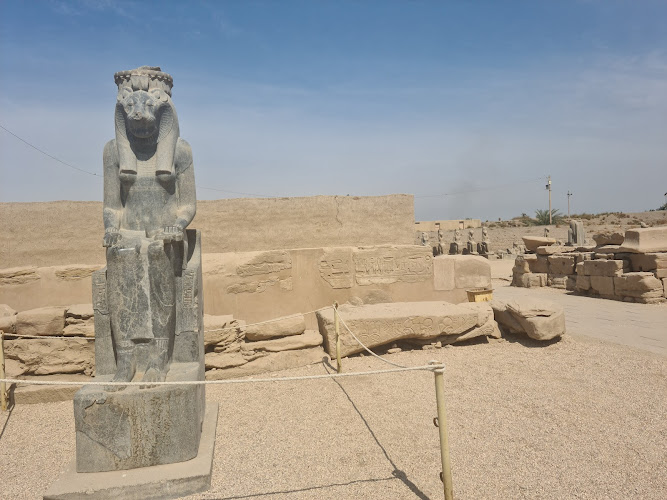
Mut Temple
First Pylon Luxor Temple
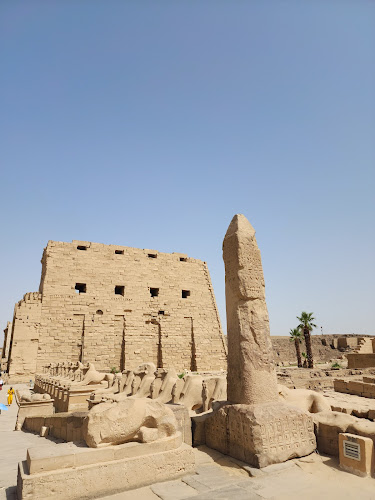
Karnak
Find Accommodations Nearby
Recommended Tours & Activities
Visitor Reviews
There are no reviews yet. Be the first one to write one.
Share Your Experience
Have you visited Luxor Temple? Help other travelers by leaving a review.