
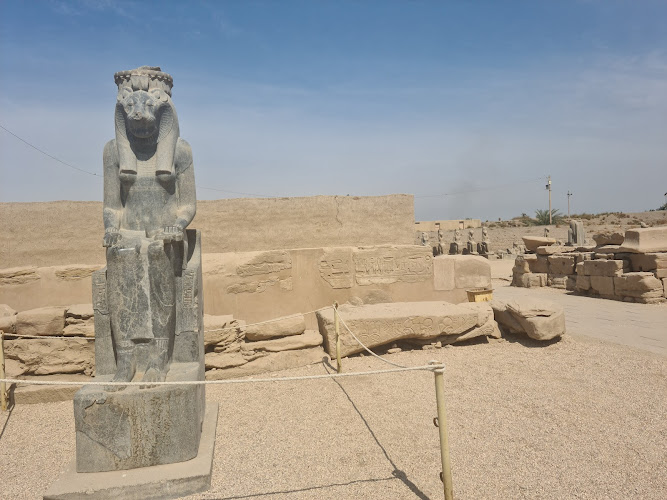
Mut Temple
About Mut Temple
Description
The Mut Temple, dedicated to the powerful Egyptian sky goddess and wife of Amun-Ra, stands as one of ancient Egypt's most fascinating yet often overlooked treasures. I remember my first visit - the way the morning sun cast long shadows across the ancient stone structures took my breath away. The temple complex, which forms part of the larger Karnak ensemble, showcases remarkable architectural achievements that have withstood millennia. What really gets me excited about this place is how it differs from other Egyptian temples. The precinct features hundreds of black granite statues of the lion-headed goddess Sekhmet, which honestly gave me goosebumps when I first saw them. These fierce guardians line the temple walls, each with their own unique characteristics - no two are exactly alike! The sacred lake, shaped like a crescent moon (how cool is that?), remains one of the few temple lakes in Egypt that still holds water. And let me tell ya, seeing the ancient stonework reflected in those still waters at sunset is something that'll stick with you forever.Key Features
• The colossal entrance gateway, which btw, was built during the reign of Ptolemy VI • That amazing collection of Sekhmet statues I mentioned (seriously, there are hundreds!) • The crescent-shaped sacred lake, Isheru • Multiple chapels dedicated to different aspects of Mut's worship • Original hieroglyphic inscriptions that have survived thousands of years • The temple's unique astronomical alignment with ancient Egyptian star charts • Several courtyards featuring well-preserved relief carvings • The remains of the original temple platform, showing different phases of constructionBest Time to Visit
From my experience, the ideal time to explore the Mut Temple is during the winter months between October and March. The temperature stays pretty manageable then - trust me, you don't wanna be climbing around ancient stones in 100-degree heat! Early mornings are particularly magical, especially around 7-8 AM when the light is perfect for photos and the tour buses haven't arrived yet. If you're anything like me and hate crowds, try visiting on a Tuesday or Wednesday - I've noticed these days tend to be quieter. And here's a pro tip: sunset visits during the full moon are absolutely incredible, as the light plays off the sacred lake in ways that'll make your Instagram followers jealous!How to Get There
Getting to the Mut Temple is pretty straightforward since it's part of the Karnak complex. Most visitors arrive via organized tours, but I prefer grabbing a taxi from downtown Luxor - it's cheaper and gives you more flexibility with timing. The temple's southern location within Karnak means you'll want to enter through the main gates and head toward the back of the complex. Local buses run regularly from Luxor's main station, but honestly, they can be a bit confusing if you're not familiar with the system. Horse-drawn carriages are available too - a bit touristy maybe, but hey, sometimes the cheesy option is also the most fun!Tips for Visiting
After multiple visits, I've learned a few things that might make your experience better. Bring plenty of water - the temple complex doesn't have many shaded areas, and the Egyptian sun can be brutal. Wearing comfortable shoes is crucial - you'll be doing lots of walking on uneven surfaces (learned that one the hard way when I wore sandals my first time!). Consider hiring a knowledgeable guide - there's so much symbolism and history here that's easy to miss otherwise. Photography is allowed, but bring a wide-angle lens if you can - the statues and architecture really deserve it. Early morning light makes for the best shots. The temple complex can get dusty, so if you've got allergies or respiratory issues, bring a light scarf or mask. Also, keep an eye out for the resident cats - they're the descendants of the sacred cats that once roamed these temples, and they add such character to the place! And one last thing - take your time here. So many visitors rush through on their way to the main Karnak temple, but this place deserves at least 2-3 hours of your time. Sit by the sacred lake for a while, count how many Sekhmet statues you can find (I'm still discovering new ones!), and just soak in the incredible atmosphere of this ancient sacred space.Key Features
- Key Features
- Best Time to Visit
- How to Get There
- Tips for Visiting
More Details
Updated May 15, 2025
Table of Contents
Description
The Mut Temple, dedicated to the powerful Egyptian sky goddess and wife of Amun-Ra, stands as one of ancient Egypt’s most fascinating yet often overlooked treasures. I remember my first visit – the way the morning sun cast long shadows across the ancient stone structures took my breath away. The temple complex, which forms part of the larger Karnak ensemble, showcases remarkable architectural achievements that have withstood millennia.
What really gets me excited about this place is how it differs from other Egyptian temples. The precinct features hundreds of black granite statues of the lion-headed goddess Sekhmet, which honestly gave me goosebumps when I first saw them. These fierce guardians line the temple walls, each with their own unique characteristics – no two are exactly alike!
The sacred lake, shaped like a crescent moon (how cool is that?), remains one of the few temple lakes in Egypt that still holds water. And let me tell ya, seeing the ancient stonework reflected in those still waters at sunset is something that’ll stick with you forever.
Key Features
• The colossal entrance gateway, which btw, was built during the reign of Ptolemy VI
• That amazing collection of Sekhmet statues I mentioned (seriously, there are hundreds!)
• The crescent-shaped sacred lake, Isheru
• Multiple chapels dedicated to different aspects of Mut’s worship
• Original hieroglyphic inscriptions that have survived thousands of years
• The temple’s unique astronomical alignment with ancient Egyptian star charts
• Several courtyards featuring well-preserved relief carvings
• The remains of the original temple platform, showing different phases of construction
Best Time to Visit
From my experience, the ideal time to explore the Mut Temple is during the winter months between October and March. The temperature stays pretty manageable then – trust me, you don’t wanna be climbing around ancient stones in 100-degree heat! Early mornings are particularly magical, especially around 7-8 AM when the light is perfect for photos and the tour buses haven’t arrived yet.
If you’re anything like me and hate crowds, try visiting on a Tuesday or Wednesday – I’ve noticed these days tend to be quieter. And here’s a pro tip: sunset visits during the full moon are absolutely incredible, as the light plays off the sacred lake in ways that’ll make your Instagram followers jealous!
How to Get There
Getting to the Mut Temple is pretty straightforward since it’s part of the Karnak complex. Most visitors arrive via organized tours, but I prefer grabbing a taxi from downtown Luxor – it’s cheaper and gives you more flexibility with timing. The temple’s southern location within Karnak means you’ll want to enter through the main gates and head toward the back of the complex.
Local buses run regularly from Luxor’s main station, but honestly, they can be a bit confusing if you’re not familiar with the system. Horse-drawn carriages are available too – a bit touristy maybe, but hey, sometimes the cheesy option is also the most fun!
Tips for Visiting
After multiple visits, I’ve learned a few things that might make your experience better. Bring plenty of water – the temple complex doesn’t have many shaded areas, and the Egyptian sun can be brutal. Wearing comfortable shoes is crucial – you’ll be doing lots of walking on uneven surfaces (learned that one the hard way when I wore sandals my first time!).
Consider hiring a knowledgeable guide – there’s so much symbolism and history here that’s easy to miss otherwise. Photography is allowed, but bring a wide-angle lens if you can – the statues and architecture really deserve it. Early morning light makes for the best shots.
The temple complex can get dusty, so if you’ve got allergies or respiratory issues, bring a light scarf or mask. Also, keep an eye out for the resident cats – they’re the descendants of the sacred cats that once roamed these temples, and they add such character to the place!
And one last thing – take your time here. So many visitors rush through on their way to the main Karnak temple, but this place deserves at least 2-3 hours of your time. Sit by the sacred lake for a while, count how many Sekhmet statues you can find (I’m still discovering new ones!), and just soak in the incredible atmosphere of this ancient sacred space.
Key Highlights
- Key Features
- Best Time to Visit
- How to Get There
- Tips for Visiting
Location
Places to Stay Near Mut Temple
Find and Book a Tour
Explore More Travel Guides
No reviews found! Be the first to review!
Traveler Reviews for Mut Temple
There are no reviews yet. Be the first one to write one.
Have you visited Mut Temple? Help other travelers by sharing your review.
You Might Also Like
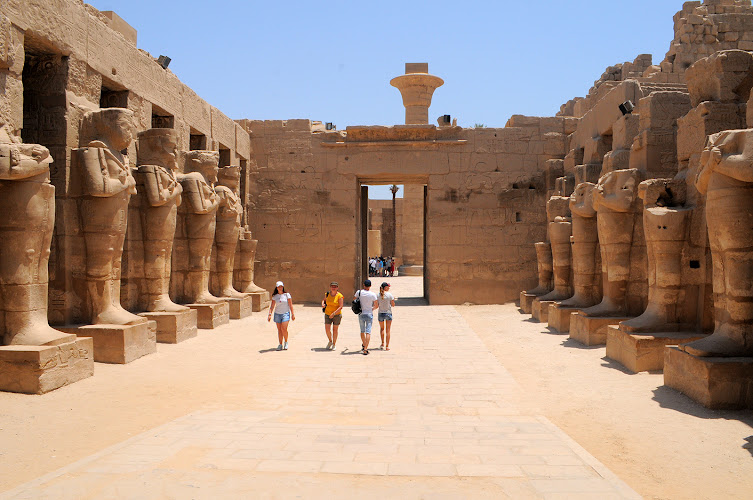
Ramesses III Temple
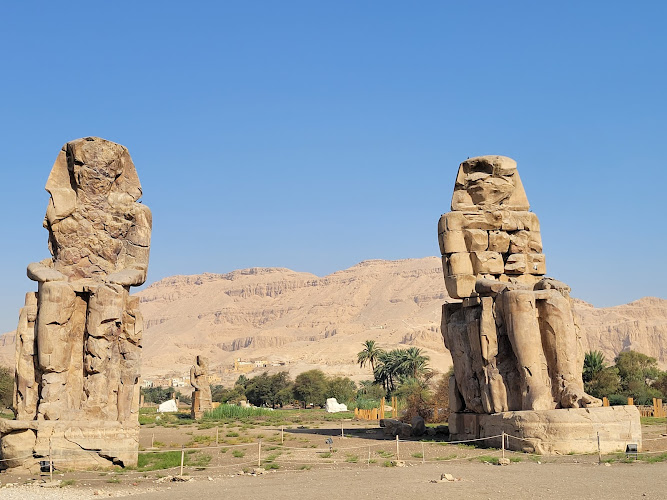
Amenhotep III Sun Temple
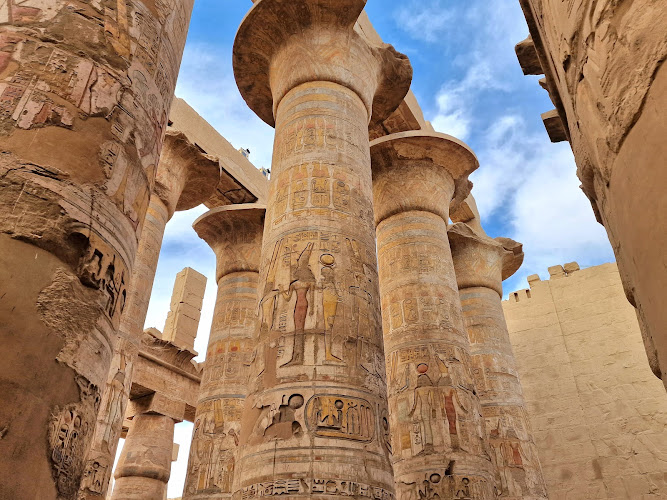
Hypostyle Hall
Find Accommodations Nearby
Recommended Tours & Activities
Visitor Reviews
There are no reviews yet. Be the first one to write one.
Share Your Experience
Have you visited Mut Temple? Help other travelers by leaving a review.