
Los Angeles County Museum of Art
About Los Angeles County Museum of Art
Description
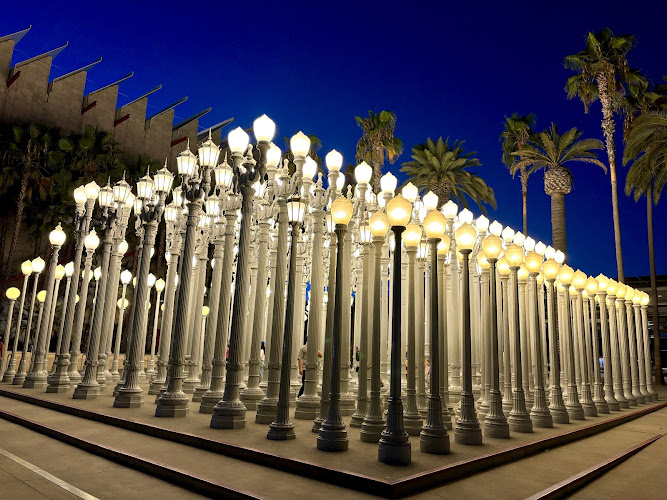
The Los Angeles County Museum of Art, commonly known as LACMA, stands as the largest art museum in the western United States and honestly, it's quite the cultural powerhouse. Sprawling across 20 acres along the famous Wilshire Boulevard, this isn't just your typical walk-through-and-leave kind of museum. It's a full-blown campus where art history comes alive through an incredibly diverse collection that spans thousands of years and multiple continents. I remember my first visit years ago, and what struck me most was how the museum manages to feel both grand and approachable at the same time. You've got everything from ancient artifacts to contemporary installations, and the campus itself becomes part of the art experience. The iconic Urban Light installation out front – those 202 restored street lamps – has become one of LA's most photographed spots, and for good reason. It's absolutely stunning at dusk when they're all lit up. What makes LACMA special is its commitment to representing art from all corners of the world. We're talking about a permanent collection of over 142,000 objects that date from ancient times to the present. The museum features dedicated buildings for different collections, and you can easily spend an entire day wandering from Asian art to Latin American pieces to European paintings. And the best part? The museum doesn't take itself too seriously – there's a playfulness to how exhibits are curated that makes art accessible to everyone, not just the academically inclined. The campus has undergone significant transformations over the years, with the most recent being the addition of the David Geffen Galleries. This new building has reshaped how visitors experience the museum's collection, creating a more fluid journey through art history. But honestly, some of the older pavilions still hold their charm, and there's something to be said for exploring the different architectural styles as you move from building to building.Key Features
LACMA offers travelers an impressive array of features that go beyond your standard museum visit:- Massive and Diverse Collection: With over 142,000 works spanning from ancient times to contemporary pieces, you'll find art from Asia, Africa, Europe, the Americas, and the Middle East all in one place
- Urban Light Installation: Chris Burden's famous outdoor sculpture featuring 202 vintage street lamps has become an LA landmark and the perfect backdrop for evening photography
- Live Performances: The museum regularly hosts jazz concerts, film screenings, and other performing arts events that transform the space into an entertainment venue
- Multiple Dining Options: Both a cafe and full restaurant are available on-site, so you won't need to leave campus when hunger strikes during your art exploration
- Family-Friendly Amenities: The museum caters well to families with children, offering changing tables, kid-friendly exhibits, and educational programs designed for younger visitors
- Complete Accessibility: Wheelchair accessible entrances, parking, and restrooms throughout the campus ensure everyone can enjoy the collection
- Guided Tours: Expert-led tours help visitors navigate the vast collection and provide deeper context for the artworks on display
- Gift Shop: A well-curated museum store offers art books, unique gifts, and exhibition-related merchandise for those who want to take a piece of the experience home
- On-Site Theater: The Bing Theater hosts film screenings, lectures, and special events throughout the year
- Free Wi-Fi: Stay connected while you explore, perfect for looking up additional information about artworks or sharing your experience in real-time
Best Time to Visit
Timing your visit to LACMA can really make or break your experience, and I've learned this through trial and error. The museum gets packed on weekends, especially Saturday afternoons when families and tourists converge. If you're someone who prefers a more contemplative art experience – and let's be honest, who doesn't want to actually see the paintings without craning their neck around a crowd – weekday mornings are your golden ticket. Tuesday through Friday mornings, particularly right when doors open, offer the most peaceful viewing experience. You'll have the galleries practically to yourself, and there's something magical about experiencing great art without the constant buzz of crowds. Plus, the morning light filtering through the campus creates this beautiful atmosphere that makes the outdoor installations even more striking. Weather-wise, Los Angeles is pretty forgiving year-round, but spring and fall are particularly pleasant for exploring the outdoor areas of the campus. Summer can get brutally hot, and while the indoor galleries are climate-controlled, you'll be doing some walking between buildings. Winter is actually a great time to visit – mild temperatures and fewer tourists mean you can take your time. If you're interested in the special events and performances, Friday evening jazz concerts during the warmer months are absolutely worth planning around. The museum stays open later, and there's this incredible vibe when live music fills the campus as the sun sets. But be prepared – these events draw crowds, so it's a trade-off between atmosphere and elbow room. One thing I'd definitely recommend is checking the museum's calendar before you go. Major exhibitions can dramatically affect crowd levels, and sometimes it's worth timing your visit to catch a particular show even if it means dealing with more people. Just get your tickets in advance for popular exhibitions because they do sell out.How to Get There
Getting to LACMA is relatively straightforward, though like everything in Los Angeles, it requires a bit of planning. The museum sits right on Wilshire Boulevard in the Mid-City area, making it accessible from pretty much anywhere in the greater LA region. If you're driving – and let's face it, most visitors to LA end up driving – the museum has on-site parking available. It's a paid lot, and prices can add up if you're planning a long visit, but the convenience factor is hard to beat. The parking entrance is clearly marked, and you'll find it off Wilshire or 6th Street. Just be aware that on busy weekends, the lot can fill up, so arriving early isn't just about beating crowds inside the museum. Public transportation is actually a viable option here, which isn't something you can say about many LA attractions. The Metro's Purple Line stops at Wilshire/Fairfax, and from there it's just a short walk to the museum entrance. Several bus lines also run along Wilshire Boulevard with stops near the museum. If you're staying in downtown LA or Hollywood, taking the Metro can save you the hassle of parking and traffic. Ride-sharing services like Uber and Lyft work great for LACMA visits. There's a designated drop-off area, and drivers know exactly where to go. This is honestly my preferred method when I'm visiting – no parking fees, no worrying about traffic, and you can start enjoying the experience right away. For those staying in nearby neighborhoods like Beverly Hills, West Hollywood, or even parts of Santa Monica, biking is becoming increasingly popular. LA has been improving its bike infrastructure, and there are bike racks available on the museum campus.Tips for Visiting
Here's where I share what I wish someone had told me before my first LACMA visit. First and foremost, buy your tickets online in advance. This isn't just a suggestion – it's practically mandatory for weekend visits and special exhibitions. You'll skip the ticket line and often save a bit of money too. Wear comfortable shoes. I cannot stress this enough. The campus is huge, you'll be walking between multiple buildings, and museum fatigue is real. Those cute shoes you want to wear for photos at Urban Light? Bring them in your bag and change later. Your feet will thank you after three hours of gallery hopping. The museum is free for LA County residents after 3pm on weekdays, but even if you're not local, late afternoon visits can be less crowded. However, you'll have less time to explore the full collection, so weigh your priorities. Don't try to see everything in one visit. Seriously, it's overwhelming and you'll end up with museum fatigue where everything starts to blur together. Pick a few collections or exhibitions that genuinely interest you and focus on those. You can always come back – and you'll probably want to. The cafe and restaurant can get busy during typical lunch hours, so consider eating early or late if you're planning to dine on campus. Alternatively, there are plenty of restaurants within walking distance if you want to venture off campus for a bit. Take advantage of the guided tours. The docents are knowledgeable and passionate, and they'll point out details and provide context you'd completely miss on your own. Even if you usually prefer self-guided exploration, at least join one tour to get oriented. Don't overlook the outdoor installations. Besides Urban Light, there are several other outdoor artworks scattered across the campus that many visitors miss because they're focused on getting inside. Take time to explore the full campus. If you're visiting with kids, grab a family guide at the information desk. The museum does a good job creating engaging content for younger visitors, and these guides can make the experience more interactive and educational. Check the weather forecast and plan accordingly. While most of the collection is indoors, you'll be walking outside between buildings, and LA's weather can surprise you. Bring layers or sunscreen as needed. Photography policies vary by exhibition, so pay attention to signage. Generally, non-flash photography is allowed in permanent collection galleries, but special exhibitions often have restrictions. When in doubt, ask a guard rather than risk being told off. The museum can be quite cool inside, especially if you're visiting during summer. Bring a light jacket or sweater even if it's hot outside – there's nothing worse than being uncomfortable while trying to appreciate art. Lastly, give yourself permission to sit down and just observe. There are benches throughout the galleries for a reason. Sometimes the best way to experience a piece of art is to simply sit with it for a while, let it speak to you, and watch how other visitors react to it. That's when museums truly come alive.Key Features
- Extensive encyclopedic collection spanning antiquity to contemporary art
- Rotating blockbuster exhibitions and special temporary shows
- Outdoor sculpture plaza and iconic large-scale installations
- On-site conservation center and research resources
- Educational programs, gallery talks, and family-friendly activities
More Details
Updated March 30, 2026
Table of Contents
Description
The Los Angeles County Museum of Art, commonly known as LACMA, stands as the largest art museum in the western United States and honestly, it’s quite the cultural powerhouse. Sprawling across 20 acres along the famous Wilshire Boulevard, this isn’t just your typical walk-through-and-leave kind of museum. It’s a full-blown campus where art history comes alive through an incredibly diverse collection that spans thousands of years and multiple continents.
I remember my first visit years ago, and what struck me most was how the museum manages to feel both grand and approachable at the same time. You’ve got everything from ancient artifacts to contemporary installations, and the campus itself becomes part of the art experience. The iconic Urban Light installation out front – those 202 restored street lamps – has become one of LA’s most photographed spots, and for good reason. It’s absolutely stunning at dusk when they’re all lit up.
What makes LACMA special is its commitment to representing art from all corners of the world. We’re talking about a permanent collection of over 142,000 objects that date from ancient times to the present. The museum features dedicated buildings for different collections, and you can easily spend an entire day wandering from Asian art to Latin American pieces to European paintings. And the best part? The museum doesn’t take itself too seriously – there’s a playfulness to how exhibits are curated that makes art accessible to everyone, not just the academically inclined.
The campus has undergone significant transformations over the years, with the most recent being the addition of the David Geffen Galleries. This new building has reshaped how visitors experience the museum’s collection, creating a more fluid journey through art history. But honestly, some of the older pavilions still hold their charm, and there’s something to be said for exploring the different architectural styles as you move from building to building.
Key Features
LACMA offers travelers an impressive array of features that go beyond your standard museum visit:
- Massive and Diverse Collection: With over 142,000 works spanning from ancient times to contemporary pieces, you’ll find art from Asia, Africa, Europe, the Americas, and the Middle East all in one place
- Urban Light Installation: Chris Burden’s famous outdoor sculpture featuring 202 vintage street lamps has become an LA landmark and the perfect backdrop for evening photography
- Live Performances: The museum regularly hosts jazz concerts, film screenings, and other performing arts events that transform the space into an entertainment venue
- Multiple Dining Options: Both a cafe and full restaurant are available on-site, so you won’t need to leave campus when hunger strikes during your art exploration
- Family-Friendly Amenities: The museum caters well to families with children, offering changing tables, kid-friendly exhibits, and educational programs designed for younger visitors
- Complete Accessibility: Wheelchair accessible entrances, parking, and restrooms throughout the campus ensure everyone can enjoy the collection
- Guided Tours: Expert-led tours help visitors navigate the vast collection and provide deeper context for the artworks on display
- Gift Shop: A well-curated museum store offers art books, unique gifts, and exhibition-related merchandise for those who want to take a piece of the experience home
- On-Site Theater: The Bing Theater hosts film screenings, lectures, and special events throughout the year
- Free Wi-Fi: Stay connected while you explore, perfect for looking up additional information about artworks or sharing your experience in real-time
Best Time to Visit
Timing your visit to LACMA can really make or break your experience, and I’ve learned this through trial and error. The museum gets packed on weekends, especially Saturday afternoons when families and tourists converge. If you’re someone who prefers a more contemplative art experience – and let’s be honest, who doesn’t want to actually see the paintings without craning their neck around a crowd – weekday mornings are your golden ticket.
Tuesday through Friday mornings, particularly right when doors open, offer the most peaceful viewing experience. You’ll have the galleries practically to yourself, and there’s something magical about experiencing great art without the constant buzz of crowds. Plus, the morning light filtering through the campus creates this beautiful atmosphere that makes the outdoor installations even more striking.
Weather-wise, Los Angeles is pretty forgiving year-round, but spring and fall are particularly pleasant for exploring the outdoor areas of the campus. Summer can get brutally hot, and while the indoor galleries are climate-controlled, you’ll be doing some walking between buildings. Winter is actually a great time to visit – mild temperatures and fewer tourists mean you can take your time.
If you’re interested in the special events and performances, Friday evening jazz concerts during the warmer months are absolutely worth planning around. The museum stays open later, and there’s this incredible vibe when live music fills the campus as the sun sets. But be prepared – these events draw crowds, so it’s a trade-off between atmosphere and elbow room.
One thing I’d definitely recommend is checking the museum’s calendar before you go. Major exhibitions can dramatically affect crowd levels, and sometimes it’s worth timing your visit to catch a particular show even if it means dealing with more people. Just get your tickets in advance for popular exhibitions because they do sell out.
How to Get There
Getting to LACMA is relatively straightforward, though like everything in Los Angeles, it requires a bit of planning. The museum sits right on Wilshire Boulevard in the Mid-City area, making it accessible from pretty much anywhere in the greater LA region.
If you’re driving – and let’s face it, most visitors to LA end up driving – the museum has on-site parking available. It’s a paid lot, and prices can add up if you’re planning a long visit, but the convenience factor is hard to beat. The parking entrance is clearly marked, and you’ll find it off Wilshire or 6th Street. Just be aware that on busy weekends, the lot can fill up, so arriving early isn’t just about beating crowds inside the museum.
Public transportation is actually a viable option here, which isn’t something you can say about many LA attractions. The Metro’s Purple Line stops at Wilshire/Fairfax, and from there it’s just a short walk to the museum entrance. Several bus lines also run along Wilshire Boulevard with stops near the museum. If you’re staying in downtown LA or Hollywood, taking the Metro can save you the hassle of parking and traffic.
Ride-sharing services like Uber and Lyft work great for LACMA visits. There’s a designated drop-off area, and drivers know exactly where to go. This is honestly my preferred method when I’m visiting – no parking fees, no worrying about traffic, and you can start enjoying the experience right away.
For those staying in nearby neighborhoods like Beverly Hills, West Hollywood, or even parts of Santa Monica, biking is becoming increasingly popular. LA has been improving its bike infrastructure, and there are bike racks available on the museum campus.
Tips for Visiting
Here’s where I share what I wish someone had told me before my first LACMA visit. First and foremost, buy your tickets online in advance. This isn’t just a suggestion – it’s practically mandatory for weekend visits and special exhibitions. You’ll skip the ticket line and often save a bit of money too.
Wear comfortable shoes. I cannot stress this enough. The campus is huge, you’ll be walking between multiple buildings, and museum fatigue is real. Those cute shoes you want to wear for photos at Urban Light? Bring them in your bag and change later. Your feet will thank you after three hours of gallery hopping.
The museum is free for LA County residents after 3pm on weekdays, but even if you’re not local, late afternoon visits can be less crowded. However, you’ll have less time to explore the full collection, so weigh your priorities.
Don’t try to see everything in one visit. Seriously, it’s overwhelming and you’ll end up with museum fatigue where everything starts to blur together. Pick a few collections or exhibitions that genuinely interest you and focus on those. You can always come back – and you’ll probably want to.
The cafe and restaurant can get busy during typical lunch hours, so consider eating early or late if you’re planning to dine on campus. Alternatively, there are plenty of restaurants within walking distance if you want to venture off campus for a bit.
Take advantage of the guided tours. The docents are knowledgeable and passionate, and they’ll point out details and provide context you’d completely miss on your own. Even if you usually prefer self-guided exploration, at least join one tour to get oriented.
Don’t overlook the outdoor installations. Besides Urban Light, there are several other outdoor artworks scattered across the campus that many visitors miss because they’re focused on getting inside. Take time to explore the full campus.
If you’re visiting with kids, grab a family guide at the information desk. The museum does a good job creating engaging content for younger visitors, and these guides can make the experience more interactive and educational.
Check the weather forecast and plan accordingly. While most of the collection is indoors, you’ll be walking outside between buildings, and LA’s weather can surprise you. Bring layers or sunscreen as needed.
Photography policies vary by exhibition, so pay attention to signage. Generally, non-flash photography is allowed in permanent collection galleries, but special exhibitions often have restrictions. When in doubt, ask a guard rather than risk being told off.
The museum can be quite cool inside, especially if you’re visiting during summer. Bring a light jacket or sweater even if it’s hot outside – there’s nothing worse than being uncomfortable while trying to appreciate art.
Lastly, give yourself permission to sit down and just observe. There are benches throughout the galleries for a reason. Sometimes the best way to experience a piece of art is to simply sit with it for a while, let it speak to you, and watch how other visitors react to it. That’s when museums truly come alive.
Key Highlights
- Extensive encyclopedic collection spanning antiquity to contemporary art
- Rotating blockbuster exhibitions and special temporary shows
- Outdoor sculpture plaza and iconic large-scale installations
- On-site conservation center and research resources
- Educational programs, gallery talks, and family-friendly activities
Location
Places to Stay Near Los Angeles County Museum of Art
Find and Book a Tour
Explore More Travel Guides
No reviews found! Be the first to review!
Los Angeles County Museum of Art is a prominent museums located in Los Angeles.
Visit us at: 5905 Wilshire Blvd, Los Angeles, CA 90036, United States.
Traveler Reviews for Los Angeles County Museum of Art
There are no reviews yet. Be the first one to write one.
Have you visited Los Angeles County Museum of Art? Help other travelers by sharing your review.
Nearby Attractions
You Might Also Like
Old Los Angeles Zoo
Grand Central Market
Franklin D. Roosevelt Park
Find Accommodations Nearby
Recommended Tours & Activities
Visitor Reviews
There are no reviews yet. Be the first one to write one.
Share Your Experience
Have you visited Los Angeles County Museum of Art? Help other travelers by leaving a review.