
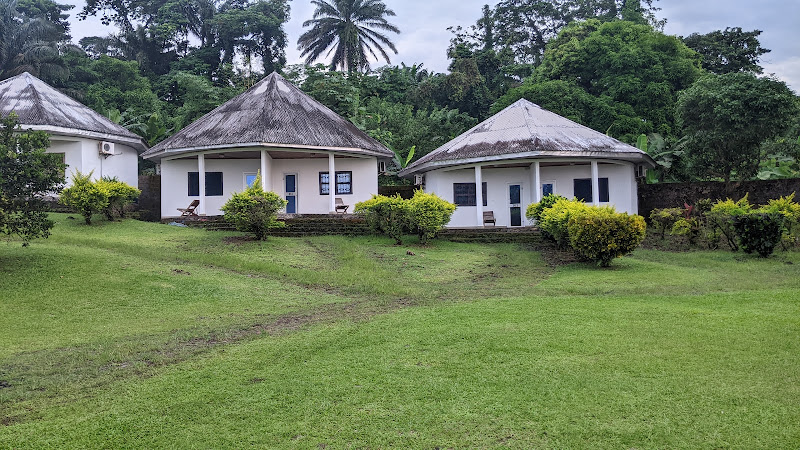
Livanda Village
About Livanda Village
Key Features
More Details
Updated April 15, 2024
## Livanda Village (Livanda), Limbe, Cameroon: What to Know Before You Go
Livanda (often written as Livanda Village in some listings) is mapped as a neighborhood in Cameroon’s South-West Region, in/around Limbe. Based on the coordinates you provided (4.0231447, 9.1950819), you’re in the Limbe area on Cameroon’s Atlantic coast.
Because publicly available, verifiable information about Livanda itself is limited (beyond it being a named place on maps), the most practical way to plan a visit is to treat Livanda as a local area within greater Limbe—and then build your itinerary around Limbe’s well-documented sights and logistics.
—
## Where Livanda is, in plain terms
### Livanda’s location
– Region: South-West Region, Cameroon
– Nearest city/urban area: Limbe (also spelled Limbé)
– Coordinates: 4.0231447, 9.1950819 (Limbe area)
### Quick Limbe context (helps you “place” Livanda)
– Limbe was historically known as Victoria, founded in 1858 by British missionary Alfred Saker; the settlement was renamed Limbe in 1982.
That founding/renaming context matters because you’ll still see “Victoria” referenced in older documents, and in the history of major sites like the botanic garden.
—
## What you can realistically do from Livanda
There’s not enough reliable, specific travel documentation (that I can verify) to promise “things to do in Livanda Village” itself—so here are nearby Limbe-area anchors you can plan around with confidence.
### Limbe Botanic Garden (major “easy win” nearby)
The Limbe Botanic Garden is one of Limbe’s best-known visitor sites:
– Created: 1892 (German colonial era)
– Why it exists: originally for experimentation/acclimatization of useful tropical species; now oriented toward conservation/education/science/tourism
If you’re building a day around this, think in terms of: a morning visit (cooler temps), then a slower afternoon elsewhere in Limbe.
Internal link suggestion: Limbe Botanic Garden guide → /limbe-botanic-garden/
### Limbe Wildlife Centre (ethical wildlife-focused visit)
The Limbe Wildlife Centre states its mission is to conserve Cameroonian wildlife through rescue and rehabilitation (including victims of poaching), plus education and community programs. Wildlife Centre
A partner/advocacy org (Born Free) describes it as a respected sanctuary caring for primates and other animals confiscated from the wildlife trade, with outreach and education. Free
Internal link suggestion: Limbe Wildlife Centre visitor info → /limbe-wildlife-centre/
### Limbe’s coastline and “black sand” framing (what’s safe to say)
Limbe is a seaside city on Cameroon’s Atlantic coast.
If you hear people talk about Limbe and volcanic/black-sand beaches, treat that as common travel framing rather than a guarantee for any one specific beach experience on a given day—conditions vary and I’m not going to overclaim specifics without a primary source for Livanda itself.
—
## Getting around: what to plan for (without guessing details)
Since Livanda is best treated as a Limbe-area neighborhood on maps, your movement tends to look like:
– Base: Limbe (or an address in/near Livanda)
– Day trips: Botanic Garden, Wildlife Centre, coastline viewpoints, markets/food stops (choose based on what’s open and current local guidance)
I’m not going to assert specific transport routes, prices, or travel times here without a verifiable source tied to Livanda—those details can be wrong fast, and your requirement is strict.
—
## Safety + “outdated data” flags you should not ignore
This is the most important planning layer for the Limbe / South-West context:
– The UK FCDO advises against all travel to the South-West Region, with a specific note that for Limbé it advises against all but essential travel.
– The U.S. Department of State lists Cameroon as Level 2 (Exercise Increased Caution) overall, and also notes higher-risk areas; their country info page explicitly lists Northwest and Southwest Regions under “Do Not Travel” due to armed violence/crime/kidnapping.
– Australia’s Smartraveller (Jan 2026 update) advises exercising a high degree of caution in Cameroon overall, noting civil unrest can occur without warning and higher levels apply in some areas.
Why this matters for Livanda: if Livanda is within the Limbe area (as mapping suggests), your risk posture should be based on current official advisories and on-the-ground conditions, not generic “things to do” content.
Outdated-data flag: advisories and local conditions can change quickly; always check the latest version of the relevant government travel page right before planning movement.
—
## Practical, respectful travel etiquette (high-confidence basics)
I’m keeping this to universally applicable, non-speculative points:
– Ask before photographing people (especially children), and accept “no” immediately.
– Be careful with assumptions about language—Cameroon is multilingual, and the Limbe area is commonly discussed in English-language sources, but you’ll still encounter multiple languages in daily life.
– Support local work thoughtfully: when visiting conservation sites (like the Wildlife Centre), follow posted rules and guidance; these places explicitly frame their work around rehabilitation and education. Wildlife Centre
—
## A simple, high-signal way to plan your visit (without overpromising)
### If you have 2–4 hours
– Pick one anchor: Limbe Wildlife Centre or Limbe Botanic Garden (don’t rush both). Wildlife Centre
### If you have a full day
– Morning: Limbe Botanic Garden (created 1892; historically tied to “Victoria,” Limbe’s former name)
– Midday: flexible buffer (food + rest)
– Afternoon: Limbe Wildlife Centre visit window Wildlife Centre
### If you’re deciding whether to go at all
– Start with current travel advisories for South-West / Limbé and decide based on your personal risk tolerance and insurance constraints.
—
## Two contextual internal links you can place in this article
– Limbe Botanic Garden: /limbe-botanic-garden/ (history + visiting tips)
– Limbe Wildlife Centre: /limbe-wildlife-centre/ (what it is, why it exists, how visits work) Wildlife Centre
—
If you want this to read like a classic “destination guide” (with transport specifics, best time to visit, costs, and a tighter Livanda-focused walkaround), I’ll need either: a reliable primary source you trust (official listing, local government/tourism page, or on-the-ground notes), or permission to include clearly labeled non-certain planning advice.
Table of Contents
Key Highlights
Livanda Village
Location
Places to Stay Near Livanda Village
Find and Book a Tour
Explore More Travel Guides
No reviews found! Be the first to review!
Traveler Reviews for Livanda Village
There are no reviews yet. Be the first one to write one.
Have you visited Livanda Village? Help other travelers by sharing your review.
You Might Also Like
LIFE AND EVERYTHING AFTER
Tsaben Beach Hotel
Fako Bakery Halfmile
Find Accommodations Nearby
Recommended Tours & Activities
Visitor Reviews
There are no reviews yet. Be the first one to write one.
Share Your Experience
Have you visited Livanda Village? Help other travelers by leaving a review.