
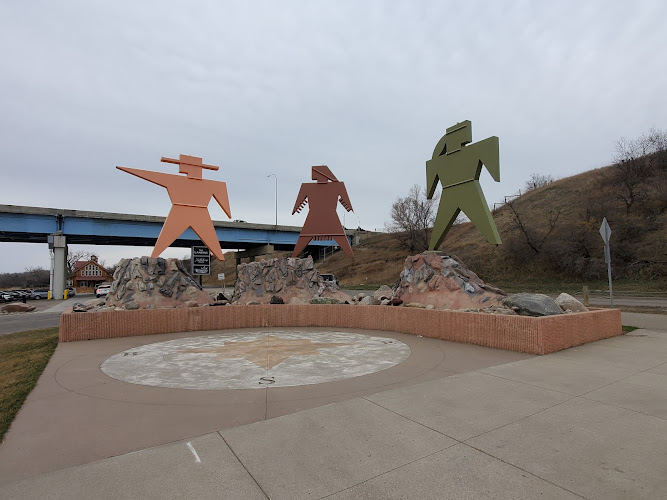
Lewis & Clark and Sakakawea Sculptures
About Lewis & Clark and Sakakawea Sculptures
Description
The Lewis & Clark and Sakakawea Sculptures offer a fascinating glimpse into a pivotal chapter of American history, immortalizing the legendary explorers and their indispensable guide, Sakakawea. These sculptures don’t just stand there looking pretty—they tell stories. Stories of adventure, survival, and the complex relationships between cultures during the early 1800s. If you’re a history buff or just someone who enjoys soaking up a bit of Americana with a side of artistry, these sculptures are a quiet but powerful way to connect with the past.
What’s really cool about these sculptures is how they capture the spirit of the expedition. Sakakawea, often overshadowed in history books, is front and center here, reminding visitors of her crucial role in navigating and negotiating through unknown territories. The artistry doesn’t aim for glamor but rather a respectful realism that invites you to ponder the hardships and triumphs of the journey. Kids tend to find the figures approachable and engaging, which makes this spot unexpectedly good for families looking to mix education with a bit of outdoor exploration.
Now, I won’t sugarcoat it—this isn’t a flashy theme park attraction. It’s more contemplative, a place where you can stand for a moment and imagine the rugged landscapes and the daunting challenges faced by these explorers. The setting encourages a slower pace, perfect for those who appreciate history told through art rather than just words in a textbook. If you’re into photography, the sculptures provide some unique angles and lighting, especially in the softer hours of the day.
Key Features
- Authentic bronze sculptures depicting Meriwether Lewis, William Clark, and Sakakawea, highlighting their historic expedition.
- Educational value for children and adults alike, with approachable figures that spark curiosity about the Lewis & Clark journey.
- Located in a serene outdoor space conducive to reflection and photography.
- Focus on Sakakawea’s pivotal role, offering a rare tribute to a Native American woman’s impact on American exploration.
- Accessible for families, making it a great stop for a day trip with kids interested in history and adventure.
- Minimal crowds, providing a peaceful experience away from the typical tourist hustle.
Best Time to Visit
Honestly, the best time to visit these sculptures is when the weather’s just right—think spring through early fall. The outdoor setting means you’ll want to avoid the bitter cold or the sweltering heat. Early mornings or late afternoons are my personal favorite times. The light then hits the bronze just right, casting shadows that bring the figures to life in a way that midday sun just can’t match.
Weekdays tend to be quieter, so if you’re the type who prefers to avoid crowds (and who isn’t?), aim for a Tuesday or Wednesday. On weekends, you might find a few more families and history enthusiasts around, but it’s never overwhelming. Plus, visiting outside of peak tourist season means you can take your time, maybe even sit nearby and let your mind wander back to the days of the expedition.
How to Get There
Getting to the Lewis & Clark and Sakakawea Sculptures is pretty straightforward if you have a car. They’re situated in a spot that’s easy to reach from the main roads, though public transportation options might be a bit limited depending on where you’re coming from. So, if you’re road-tripping through the region, this makes a perfect stop to stretch your legs and dive into some history.
If you’re flying in from out of state, the nearest major airport will get you close, but you’ll want to rent a car or arrange for a ride to reach the sculptures comfortably. Parking is usually hassle-free, and the area around the sculptures is walkable, so you can explore at your own pace without worrying about traffic or transit schedules.
Tips for Visiting
Here’s a little advice from someone who’s spent more time than they’d like admitting to staring at statues: bring a camera, but don’t be glued to it. Take a moment to really look. Notice the details in Sakakawea’s expression, the stance of Lewis and Clark, and imagine the stories frozen in bronze right in front of you.
Also, pack a picnic if you can. There’s something about sitting near these sculptures with a sandwich in hand that just makes history feel a bit more real. If you’re bringing kids, prepare a few fun facts or stories about the expedition to keep them engaged—it’s way better than just telling them to stand still and be quiet.
Don’t forget comfy shoes, because while the sculptures themselves are the main event, the surrounding area is often nice for a stroll. And if you’re visiting in the warmer months, sunscreen and water are your best friends.
Lastly, keep an open mind. This isn’t just about admiring art or checking off a tourist spot. It’s about stepping into a moment of American history and appreciating the complexities of exploration, culture, and survival. And who knows? You might leave with a new perspective on a story you thought you already knew.
Key Features
- Authentic bronze sculptures depicting Meriwether Lewis, William Clark, and Sakakawea, highlighting their historic expedition.
- Educational value for children and adults alike, with approachable figures that spark curiosity about the Lewis & Clark journey.
- Located in a serene outdoor space conducive to reflection and photography.
- Focus on Sakakawea’s pivotal role, offering a rare tribute to a Native American woman’s impact on American exploration.
- Accessible for families, making it a great stop for a day trip with kids interested in history and adventure.
- Minimal crowds, providing a peaceful experience away from the typical tourist hustle.
More Details
Updated July 17, 2025
Table of Contents
- Description
- Key Features
- Best Time to Visit
- How to Get There
- Tips for Visiting
- Key Highlights
- Location
- Places to Stay Near Lewis & Clark and Sakakawea Sculptures
- Find and Book a Tour
- Explore More Travel Guides
- Nearby Places You Might Like
- Traveler Reviews for Lewis & Clark and Sakakawea Sculptures
- Share Your Experience
Description
The Lewis & Clark and Sakakawea Sculptures offer a fascinating glimpse into a pivotal chapter of American history, immortalizing the legendary explorers and their indispensable guide, Sakakawea. These sculptures don’t just stand there looking pretty—they tell stories. Stories of adventure, survival, and the complex relationships between cultures during the early 1800s. If you’re a history buff or just someone who enjoys soaking up a bit of Americana with a side of artistry, these sculptures are a quiet but powerful way to connect with the past.
What’s really cool about these sculptures is how they capture the spirit of the expedition. Sakakawea, often overshadowed in history books, is front and center here, reminding visitors of her crucial role in navigating and negotiating through unknown territories. The artistry doesn’t aim for glamor but rather a respectful realism that invites you to ponder the hardships and triumphs of the journey. Kids tend to find the figures approachable and engaging, which makes this spot unexpectedly good for families looking to mix education with a bit of outdoor exploration.
Now, I won’t sugarcoat it—this isn’t a flashy theme park attraction. It’s more contemplative, a place where you can stand for a moment and imagine the rugged landscapes and the daunting challenges faced by these explorers. The setting encourages a slower pace, perfect for those who appreciate history told through art rather than just words in a textbook. If you’re into photography, the sculptures provide some unique angles and lighting, especially in the softer hours of the day.
Key Features
- Authentic bronze sculptures depicting Meriwether Lewis, William Clark, and Sakakawea, highlighting their historic expedition.
- Educational value for children and adults alike, with approachable figures that spark curiosity about the Lewis & Clark journey.
- Located in a serene outdoor space conducive to reflection and photography.
- Focus on Sakakawea’s pivotal role, offering a rare tribute to a Native American woman’s impact on American exploration.
- Accessible for families, making it a great stop for a day trip with kids interested in history and adventure.
- Minimal crowds, providing a peaceful experience away from the typical tourist hustle.
Best Time to Visit
Honestly, the best time to visit these sculptures is when the weather’s just right—think spring through early fall. The outdoor setting means you’ll want to avoid the bitter cold or the sweltering heat. Early mornings or late afternoons are my personal favorite times. The light then hits the bronze just right, casting shadows that bring the figures to life in a way that midday sun just can’t match.
Weekdays tend to be quieter, so if you’re the type who prefers to avoid crowds (and who isn’t?), aim for a Tuesday or Wednesday. On weekends, you might find a few more families and history enthusiasts around, but it’s never overwhelming. Plus, visiting outside of peak tourist season means you can take your time, maybe even sit nearby and let your mind wander back to the days of the expedition.
How to Get There
Getting to the Lewis & Clark and Sakakawea Sculptures is pretty straightforward if you have a car. They’re situated in a spot that’s easy to reach from the main roads, though public transportation options might be a bit limited depending on where you’re coming from. So, if you’re road-tripping through the region, this makes a perfect stop to stretch your legs and dive into some history.
If you’re flying in from out of state, the nearest major airport will get you close, but you’ll want to rent a car or arrange for a ride to reach the sculptures comfortably. Parking is usually hassle-free, and the area around the sculptures is walkable, so you can explore at your own pace without worrying about traffic or transit schedules.
Tips for Visiting
Here’s a little advice from someone who’s spent more time than they’d like admitting to staring at statues: bring a camera, but don’t be glued to it. Take a moment to really look. Notice the details in Sakakawea’s expression, the stance of Lewis and Clark, and imagine the stories frozen in bronze right in front of you.
Also, pack a picnic if you can. There’s something about sitting near these sculptures with a sandwich in hand that just makes history feel a bit more real. If you’re bringing kids, prepare a few fun facts or stories about the expedition to keep them engaged—it’s way better than just telling them to stand still and be quiet.
Don’t forget comfy shoes, because while the sculptures themselves are the main event, the surrounding area is often nice for a stroll. And if you’re visiting in the warmer months, sunscreen and water are your best friends.
Lastly, keep an open mind. This isn’t just about admiring art or checking off a tourist spot. It’s about stepping into a moment of American history and appreciating the complexities of exploration, culture, and survival. And who knows? You might leave with a new perspective on a story you thought you already knew.
Key Highlights
- Authentic bronze sculptures depicting Meriwether Lewis, William Clark, and Sakakawea, highlighting their historic expedition.
- Educational value for children and adults alike, with approachable figures that spark curiosity about the Lewis & Clark journey.
- Located in a serene outdoor space conducive to reflection and photography.
- Focus on Sakakawea’s pivotal role, offering a rare tribute to a Native American woman’s impact on American exploration.
- Accessible for families, making it a great stop for a day trip with kids interested in history and adventure.
- Minimal crowds, providing a peaceful experience away from the typical tourist hustle.
Location
Places to Stay Near Lewis & Clark and Sakakawea Sculptures
Find and Book a Tour
Explore More Travel Guides
No reviews found! Be the first to review!
Traveler Reviews for Lewis & Clark and Sakakawea Sculptures
There are no reviews yet. Be the first one to write one.
Have you visited Lewis & Clark and Sakakawea Sculptures? Help other travelers by sharing your review.
You Might Also Like
2228 Kennedy Ave

Jumped-Up
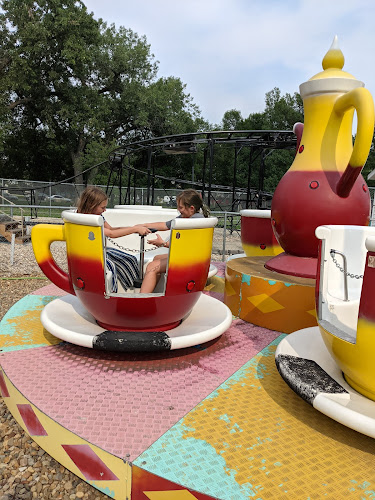
Super Slide Amusement Park
Find Accommodations Nearby
Recommended Tours & Activities
Visitor Reviews
There are no reviews yet. Be the first one to write one.
Share Your Experience
Have you visited Lewis & Clark and Sakakawea Sculptures? Help other travelers by leaving a review.