

LeMay – America’s Car Museum
About LeMay – America’s Car Museum
Description
The museum sits on an 8-acre campus and rises four stories high, a purposeful home for an enormous affection for automobiles, trucks and motorcycles. Inside, historical scenes rub shoulders with modern technology — early brass-era cars, mid-century classics, muscle-car myths and contemporary concept vehicles are arranged not just as objects to admire but as pieces of a story about American mobility and culture. Galleries move from design sketches to chrome bumpers, from racing lore to family-road-trip artifacts, and the rotating exhibits keep the experience fresh: a car that was rare yesterday might be joined by a race car or a themed show next month.
More than a static display, the place doubles as an automobile storage facility and an event venue. Visitors will often notice areas that look like a behind-the-scenes workshop or storage bay — because some of the collection remains in preservation, ready for exhibition or for special events. That blend of public gallery and working collection gives the site a slightly lived-in, honest feel. It doesn’t hide the grease or the restoration; instead it celebrates the work it takes to keep automotive history moving.
The museum aims to be approachable. Educational programming, tours and live performances happen regularly, and families are an obvious audience — kids are welcome, changing tables are available, and many exhibits are designed to spark curiosity in a younger crowd without dumbing anything down. Accessibility features include wheelchair-accessible entrances, restrooms and parking, so most visitors with mobility needs should find it manageable.
Culinary needs are handled on site: a cafe and restaurant provide a solid place to pause, compare favorite models and sketch out a next stop. A gift shop offers model cars, memorabilia and books for enthusiasts or casual souvenir-seekers. Admission carries a fee, which many find fair for the scale of the collection and the quality of interpretive displays; there are also discounts for active military, which is a nice and practical touch.
Visitors who enjoy events will appreciate that the museum hosts car shows, themed nights and even private rentals. Photographers and social-media fans should budget extra time — the four floors and the campus offer dozens of photogenic angles, from polished hoods to atmospheric lighting over a row of classics. In short, it’s a museum that rewards more than one visit and has the institutional attention to detail to keep repeat visitors interested.
Key Features
- Four-story museum building on an eight-acre campus showcasing cars, trucks and motorcycles across eras
- Large, rotating collection and thematic exhibits that explore automotive design, racing history and cultural impact
- Working automobile storage and preservation areas that let visitors glimpse behind-the-scenes care
- Event venue and banquet space for private events, car shows, and community gatherings
- Guided tours and educational programs suitable for schools, families and auto enthusiasts
- On-site cafe and restaurant offering a place to relax mid-visit
- Gift shop with diecast models, books and collector items
- Accessibility features: wheelchair-accessible entrance, restrooms and parking
- Family-oriented facilities: changing tables and kid-friendly signage or interactives
- Free on-site parking with designated accessible spaces and EV charging stations available
- Special offers such as active military discounts and occasional member-only events
- Live performances and special event programming that add atmosphere beyond static exhibits
Best Time to Visit
Mid-week mornings are the sweet spot. The museum generally feels calmer and more contemplative before lunch on Tuesday through Thursday, which makes it easier to read placards, take photos and linger by favorites without jostling. Weekends, predictably, attract families and car clubs — that’s great if someone wants to soak in the social scene or attend a car show, but it can feel busy. If a quieter experience is desired, aim for opening time on a weekday.
Seasonally, shoulder months (late spring and early fall) offer pleasant on-site conditions: the campus walks and outdoor displays are more enjoyable when it’s not pouring rain or smoky-hot. Special events and rotating exhibits can change the dynamic completely, so checking the exhibition calendar before travel helps. On event days the museum buzzes — often in a very good way — but that buzz can mean longer lines for exhibits, the cafe and restrooms.
For photographers, golden-hour light around sunset (when allowed) creates dramatic reflections on chrome and paint; just check event rules and photography policies first. The rotating exhibit schedule means even local repeat visitors can plan a visit when a particular marque, era or theme aligns with their passion, so planning ahead pays off.
How to Get There
The museum is straightforward to reach by car and is commonly accessed from the nearby highways that funnel traffic into Tacoma and the surrounding region. For drivers the advantage is obvious: free on-site parking and the convenience of loading and unloading for families or groups. Rideshare drop-offs work well at the entrance and are a solid option for those who prefer not to drive. Drive times vary depending on where someone is coming from, but it’s a short hop from downtown Tacoma and from the regional transit hubs.
Public transit options exist, though they may require a short walk or a quick rideshare from the nearest stop. Larger groups and school trips often charter buses, which can be accommodated with advance notice; the venue has provisions for buses and larger vehicles during major events. For travelers coming from Seattle or other parts of the Puget Sound, the trip by car or shuttle is common — many visitors bundle this museum with other Tacoma attractions for a day of exploring.
Drivers with electric vehicles should note that EV charging is available on site. Availability can vary, so a small bit of flexibility or a backup plan helps, especially during busy event weekends. Parking is generally plentiful, and accessible parking is near the main entrance to minimize walking distance.
Tips for Visiting
Plan for at least two hours, and more if the rotating exhibits or a special event are of interest. There’s enough to absorb on each floor to make a short visit feel rushed; conversely, a relaxed afternoon allows time for the cafe and gift shop. Many visitors end up staying longer than they expect — it happens. The museum is the kind of place where a casual glance becomes an enthusiastic deep-dive if someone spots a rare model or an interesting restoration story.
Buy tickets in advance for special events or large group visits. While general admission might be fine at the door on a slow weekday, themed weekends and major car shows sometimes require pre-purchased admission. Memberships are worth considering for local enthusiasts: they typically include free admission, priority access to events and discounts in the shop — good value if someone thinks they’ll come back.
Wear comfortable shoes and layer clothing. The museum has four floors and expansive galleries, and visitors tend to walk a fair bit. The campus also invites short outdoor strolls between exhibits when the weather permits. Cameras are welcome for most displays — but during certain events or private functions there may be restrictions, so look for signage. If someone has a specific car or era in mind, check the rotating exhibits; the collection is large but not every car is on display at once.
Families should take advantage of kids-friendly programming and the changing table facilities. If bringing a stroller, be aware that some exhibits are tightly spaced; a lightweight stroller is easier to navigate. Accessibility needs are well-considered, but visitors with particular requirements should call ahead to confirm arrangements for group accessibility or special tours.
For enthusiasts who want more than a look: inquire about guided tours or behind-the-scenes experiences. They often reveal restoration stories, sourcing anecdotes and other details that make the vehicles come alive. The staff and volunteers are usually enthusiastic and knowledgeable; striking up a conversation can lead to unexpectedly rich backstories. Also, timing a visit with a themed event or demonstration — when a restored vehicle is started or driven — adds a tactile dimension that static displays can’t provide.
Food planning is practical: the on-site cafe and restaurant are convenient, but during peak hours lines can form. A light snack before the visit or a planned lunch break mid-visit keeps energy up. The gift shop carries interesting reading material, so picking up a book about a favorite model can be both a souvenir and a way to extend the learning after returning home.
Finally, consider combining this museum visit with other nearby cultural stops if someone is planning a full day in Tacoma. The surrounding area has museums, parks and dining options that complement an automotive afternoon. It’s easy to turn a single museum visit into a broader exploration of the local scene, and most visitors leave not only with fresh facts about cars but with a sense of place — of how vehicles shaped the region’s stories and daily life.
Key Features
- Four-story museum building on an eight-acre campus showcasing cars, trucks and motorcycles across eras
- Large, rotating collection and thematic exhibits that explore automotive design, racing history and cultural impact
- Working automobile storage and preservation areas that let visitors glimpse behind-the-scenes care
- Event venue and banquet space for private events, car shows, and community gatherings
- Guided tours and educational programs suitable for schools, families and auto enthusiasts
- On-site cafe and restaurant offering a place to relax mid-visit
- Gift shop with diecast models, books and collector items
- Accessibility features: wheelchair-accessible entrance, restrooms and parking
More Details
Updated August 30, 2025
Table of Contents
Description
The museum sits on an 8-acre campus and rises four stories high, a purposeful home for an enormous affection for automobiles, trucks and motorcycles. Inside, historical scenes rub shoulders with modern technology — early brass-era cars, mid-century classics, muscle-car myths and contemporary concept vehicles are arranged not just as objects to admire but as pieces of a story about American mobility and culture. Galleries move from design sketches to chrome bumpers, from racing lore to family-road-trip artifacts, and the rotating exhibits keep the experience fresh: a car that was rare yesterday might be joined by a race car or a themed show next month.
More than a static display, the place doubles as an automobile storage facility and an event venue. Visitors will often notice areas that look like a behind-the-scenes workshop or storage bay — because some of the collection remains in preservation, ready for exhibition or for special events. That blend of public gallery and working collection gives the site a slightly lived-in, honest feel. It doesn’t hide the grease or the restoration; instead it celebrates the work it takes to keep automotive history moving.
The museum aims to be approachable. Educational programming, tours and live performances happen regularly, and families are an obvious audience — kids are welcome, changing tables are available, and many exhibits are designed to spark curiosity in a younger crowd without dumbing anything down. Accessibility features include wheelchair-accessible entrances, restrooms and parking, so most visitors with mobility needs should find it manageable.
Culinary needs are handled on site: a cafe and restaurant provide a solid place to pause, compare favorite models and sketch out a next stop. A gift shop offers model cars, memorabilia and books for enthusiasts or casual souvenir-seekers. Admission carries a fee, which many find fair for the scale of the collection and the quality of interpretive displays; there are also discounts for active military, which is a nice and practical touch.
Visitors who enjoy events will appreciate that the museum hosts car shows, themed nights and even private rentals. Photographers and social-media fans should budget extra time — the four floors and the campus offer dozens of photogenic angles, from polished hoods to atmospheric lighting over a row of classics. In short, it’s a museum that rewards more than one visit and has the institutional attention to detail to keep repeat visitors interested.
Key Features
- Four-story museum building on an eight-acre campus showcasing cars, trucks and motorcycles across eras
- Large, rotating collection and thematic exhibits that explore automotive design, racing history and cultural impact
- Working automobile storage and preservation areas that let visitors glimpse behind-the-scenes care
- Event venue and banquet space for private events, car shows, and community gatherings
- Guided tours and educational programs suitable for schools, families and auto enthusiasts
- On-site cafe and restaurant offering a place to relax mid-visit
- Gift shop with diecast models, books and collector items
- Accessibility features: wheelchair-accessible entrance, restrooms and parking
- Family-oriented facilities: changing tables and kid-friendly signage or interactives
- Free on-site parking with designated accessible spaces and EV charging stations available
- Special offers such as active military discounts and occasional member-only events
- Live performances and special event programming that add atmosphere beyond static exhibits
Best Time to Visit
Mid-week mornings are the sweet spot. The museum generally feels calmer and more contemplative before lunch on Tuesday through Thursday, which makes it easier to read placards, take photos and linger by favorites without jostling. Weekends, predictably, attract families and car clubs — that’s great if someone wants to soak in the social scene or attend a car show, but it can feel busy. If a quieter experience is desired, aim for opening time on a weekday.
Seasonally, shoulder months (late spring and early fall) offer pleasant on-site conditions: the campus walks and outdoor displays are more enjoyable when it’s not pouring rain or smoky-hot. Special events and rotating exhibits can change the dynamic completely, so checking the exhibition calendar before travel helps. On event days the museum buzzes — often in a very good way — but that buzz can mean longer lines for exhibits, the cafe and restrooms.
For photographers, golden-hour light around sunset (when allowed) creates dramatic reflections on chrome and paint; just check event rules and photography policies first. The rotating exhibit schedule means even local repeat visitors can plan a visit when a particular marque, era or theme aligns with their passion, so planning ahead pays off.
How to Get There
The museum is straightforward to reach by car and is commonly accessed from the nearby highways that funnel traffic into Tacoma and the surrounding region. For drivers the advantage is obvious: free on-site parking and the convenience of loading and unloading for families or groups. Rideshare drop-offs work well at the entrance and are a solid option for those who prefer not to drive. Drive times vary depending on where someone is coming from, but it’s a short hop from downtown Tacoma and from the regional transit hubs.
Public transit options exist, though they may require a short walk or a quick rideshare from the nearest stop. Larger groups and school trips often charter buses, which can be accommodated with advance notice; the venue has provisions for buses and larger vehicles during major events. For travelers coming from Seattle or other parts of the Puget Sound, the trip by car or shuttle is common — many visitors bundle this museum with other Tacoma attractions for a day of exploring.
Drivers with electric vehicles should note that EV charging is available on site. Availability can vary, so a small bit of flexibility or a backup plan helps, especially during busy event weekends. Parking is generally plentiful, and accessible parking is near the main entrance to minimize walking distance.
Tips for Visiting
Plan for at least two hours, and more if the rotating exhibits or a special event are of interest. There’s enough to absorb on each floor to make a short visit feel rushed; conversely, a relaxed afternoon allows time for the cafe and gift shop. Many visitors end up staying longer than they expect — it happens. The museum is the kind of place where a casual glance becomes an enthusiastic deep-dive if someone spots a rare model or an interesting restoration story.
Buy tickets in advance for special events or large group visits. While general admission might be fine at the door on a slow weekday, themed weekends and major car shows sometimes require pre-purchased admission. Memberships are worth considering for local enthusiasts: they typically include free admission, priority access to events and discounts in the shop — good value if someone thinks they’ll come back.
Wear comfortable shoes and layer clothing. The museum has four floors and expansive galleries, and visitors tend to walk a fair bit. The campus also invites short outdoor strolls between exhibits when the weather permits. Cameras are welcome for most displays — but during certain events or private functions there may be restrictions, so look for signage. If someone has a specific car or era in mind, check the rotating exhibits; the collection is large but not every car is on display at once.
Families should take advantage of kids-friendly programming and the changing table facilities. If bringing a stroller, be aware that some exhibits are tightly spaced; a lightweight stroller is easier to navigate. Accessibility needs are well-considered, but visitors with particular requirements should call ahead to confirm arrangements for group accessibility or special tours.
For enthusiasts who want more than a look: inquire about guided tours or behind-the-scenes experiences. They often reveal restoration stories, sourcing anecdotes and other details that make the vehicles come alive. The staff and volunteers are usually enthusiastic and knowledgeable; striking up a conversation can lead to unexpectedly rich backstories. Also, timing a visit with a themed event or demonstration — when a restored vehicle is started or driven — adds a tactile dimension that static displays can’t provide.
Food planning is practical: the on-site cafe and restaurant are convenient, but during peak hours lines can form. A light snack before the visit or a planned lunch break mid-visit keeps energy up. The gift shop carries interesting reading material, so picking up a book about a favorite model can be both a souvenir and a way to extend the learning after returning home.
Finally, consider combining this museum visit with other nearby cultural stops if someone is planning a full day in Tacoma. The surrounding area has museums, parks and dining options that complement an automotive afternoon. It’s easy to turn a single museum visit into a broader exploration of the local scene, and most visitors leave not only with fresh facts about cars but with a sense of place — of how vehicles shaped the region’s stories and daily life.
Key Highlights
- Four-story museum building on an eight-acre campus showcasing cars, trucks and motorcycles across eras
- Large, rotating collection and thematic exhibits that explore automotive design, racing history and cultural impact
- Working automobile storage and preservation areas that let visitors glimpse behind-the-scenes care
- Event venue and banquet space for private events, car shows, and community gatherings
- Guided tours and educational programs suitable for schools, families and auto enthusiasts
- On-site cafe and restaurant offering a place to relax mid-visit
- Gift shop with diecast models, books and collector items
- Accessibility features: wheelchair-accessible entrance, restrooms and parking
Location
Places to Stay Near LeMay - America’s Car Museum
Find and Book a Tour
Explore More Travel Guides
No reviews found! Be the first to review!
Traveler Reviews for LeMay – America’s Car Museum
There are no reviews yet. Be the first one to write one.
Have you visited LeMay – America’s Car Museum? Help other travelers by sharing your review.
You Might Also Like

Kandle Park
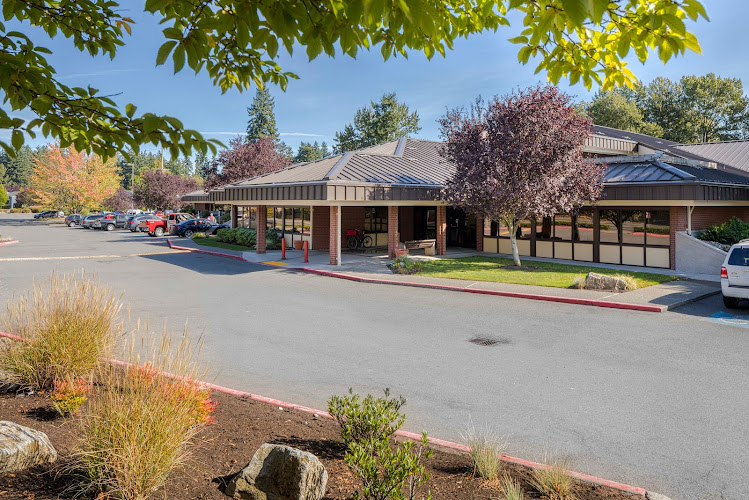
Kaiser Permanente Steele Street Medical Center

Thea's Park
Find Accommodations Nearby
Recommended Tours & Activities
Visitor Reviews
There are no reviews yet. Be the first one to write one.
Share Your Experience
Have you visited LeMay – America’s Car Museum? Help other travelers by leaving a review.