
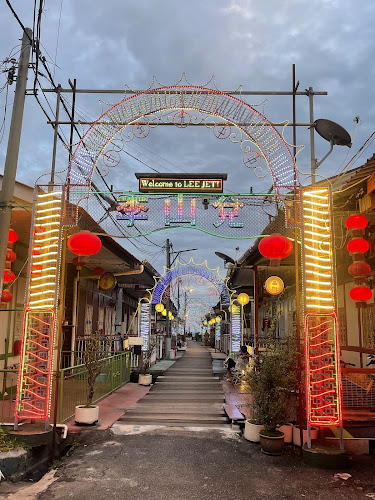
Lee Jetty
About Lee Jetty
Description
Lee Jetty in George Town is one of those places that feels both timeless and fleeting at the same time. It’s part of the famous clan jetties, wooden stilt villages built over the water by Chinese immigrant communities more than a century ago. Walking down the narrow planks, you immediately sense the history seeping through the weathered boards and the salty air. It’s not polished or dressed up like some attractions; instead, it’s lived-in, a little rough around the edges, and that’s exactly what makes it so fascinating. You’ll see laundry hanging out to dry, cats darting between old bicycles, and locals chatting on their porches as if the world hasn’t changed much since their ancestors first built this place.
Some travelers fall in love with the authenticity here, while others might find it underwhelming because it’s a very short jetty compared to the others nearby. Honestly, that’s part of its charm—it doesn’t try too hard. The view of the sea at the end is simple but calming, especially if you happen to catch it at sunset when the light softens and the water glows. It’s not the kind of spot where you’ll spend hours, but it’s worth the detour if you’re curious about Penang’s living heritage.
What I personally enjoy most is that sense of stepping into someone else’s everyday life. It’s not a museum, it’s a community. And while it may not have all the bells and whistles of more commercial attractions, it gives you a genuine glimpse into the history of the Lee clan and their connection to the sea. If you’re the type of traveler who values authenticity over spectacle, you’ll likely appreciate it just as much as I do.
Key Features
- Part of the historic clan jetties of George Town, dating back to the late 19th century
- Built entirely on stilts over the water, with wooden walkways leading through the community
- Home to descendants of the Lee clan, offering a living snapshot of Penang’s cultural history
- Shorter than other jetties, making it a quick but meaningful stop
- Offers views of the sea and neighboring jetties like Tan Jetty and Yeoh Jetty
- A mix of residential homes, small shrines, and everyday life scenes
- Accessible and family-friendly, suitable for kids to explore with supervision
Best Time to Visit
The jetty can be visited any time of day, but the atmosphere shifts depending on when you go. Early mornings are peaceful, with locals starting their day and fishermen heading out. Midday can get hot—there’s not much shade—so unless you love the tropical sun blasting down, you might want to avoid that window. Personally, I think late afternoon is the sweet spot. The light is softer, the sea breeze picks up, and if you stay long enough you’ll catch a sunset that makes the whole place glow. Evenings are also interesting, as you’ll see families gathering outside their homes, though it’s quieter compared to some of the other jetties.
Weekdays tend to be calmer, while weekends bring more foot traffic from curious travelers. If you’re after photos without too many people in the background, go on a weekday just before dusk.
How to Get There
Reaching Lee Jetty is straightforward if you’re already exploring George Town. It’s located along the waterfront, and you’ll likely stumble upon it while walking the heritage streets. If you’re staying in the city center, it’s within walking distance of many other attractions. For those coming from farther out, ride-hailing apps and local buses make it easy to get close, and from there it’s just a short stroll.
I’ve walked there a couple of times, and honestly, the walk itself is part of the fun—you pass through old shophouses, street art, and food stalls before reaching the water. Just wear comfortable shoes because the wooden planks can be a bit uneven in places.
Tips for Visiting
A few practical things can make your visit smoother and more enjoyable. First, remember that this is a residential community, not just a tourist attraction. Keep your voice down, respect people’s privacy, and avoid peeking into homes. It’s tempting to snap photos of every corner, but try to be mindful—ask if you’re pointing your camera directly at someone’s front door.
Bring a hat or umbrella if you’re sensitive to the sun, because shade is limited. And wear shoes with good grip; the walkways can get slippery after rain. If you’re traveling with kids, keep a close eye on them—there are no railings in some spots, and the sea is right below.
Food-wise, don’t expect a ton of options at the jetty itself, but the surrounding area is full of local eats. I usually grab a snack nearby before heading over, and it turns into a nice little outing. And here’s a small but important note: don’t litter. The jetties are fragile heritage sites, and every bit of trash makes a difference.
Lastly, go with the right mindset. If you’re expecting a big, flashy attraction, you might leave disappointed. But if you approach it as a chance to peek into Penang’s layered history and everyday life, Lee Jetty will reward you with quiet, memorable moments. It’s short, yes, but sometimes the smallest places leave the strongest impressions.
Key Features
- Part of the historic clan jetties of George Town, dating back to the late 19th century
- Built entirely on stilts over the water, with wooden walkways leading through the community
- Home to descendants of the Lee clan, offering a living snapshot of Penang’s cultural history
- Shorter than other jetties, making it a quick but meaningful stop
- Offers views of the sea and neighboring jetties like Tan Jetty and Yeoh Jetty
- A mix of residential homes, small shrines, and everyday life scenes
- Accessible and family-friendly, suitable for kids to explore with supervision
More Details
Updated September 23, 2025
Table of Contents
Description
Lee Jetty in George Town is one of those places that feels both timeless and fleeting at the same time. It’s part of the famous clan jetties, wooden stilt villages built over the water by Chinese immigrant communities more than a century ago. Walking down the narrow planks, you immediately sense the history seeping through the weathered boards and the salty air. It’s not polished or dressed up like some attractions; instead, it’s lived-in, a little rough around the edges, and that’s exactly what makes it so fascinating. You’ll see laundry hanging out to dry, cats darting between old bicycles, and locals chatting on their porches as if the world hasn’t changed much since their ancestors first built this place.
Some travelers fall in love with the authenticity here, while others might find it underwhelming because it’s a very short jetty compared to the others nearby. Honestly, that’s part of its charm—it doesn’t try too hard. The view of the sea at the end is simple but calming, especially if you happen to catch it at sunset when the light softens and the water glows. It’s not the kind of spot where you’ll spend hours, but it’s worth the detour if you’re curious about Penang’s living heritage.
What I personally enjoy most is that sense of stepping into someone else’s everyday life. It’s not a museum, it’s a community. And while it may not have all the bells and whistles of more commercial attractions, it gives you a genuine glimpse into the history of the Lee clan and their connection to the sea. If you’re the type of traveler who values authenticity over spectacle, you’ll likely appreciate it just as much as I do.
Key Features
- Part of the historic clan jetties of George Town, dating back to the late 19th century
- Built entirely on stilts over the water, with wooden walkways leading through the community
- Home to descendants of the Lee clan, offering a living snapshot of Penang’s cultural history
- Shorter than other jetties, making it a quick but meaningful stop
- Offers views of the sea and neighboring jetties like Tan Jetty and Yeoh Jetty
- A mix of residential homes, small shrines, and everyday life scenes
- Accessible and family-friendly, suitable for kids to explore with supervision
Best Time to Visit
The jetty can be visited any time of day, but the atmosphere shifts depending on when you go. Early mornings are peaceful, with locals starting their day and fishermen heading out. Midday can get hot—there’s not much shade—so unless you love the tropical sun blasting down, you might want to avoid that window. Personally, I think late afternoon is the sweet spot. The light is softer, the sea breeze picks up, and if you stay long enough you’ll catch a sunset that makes the whole place glow. Evenings are also interesting, as you’ll see families gathering outside their homes, though it’s quieter compared to some of the other jetties.
Weekdays tend to be calmer, while weekends bring more foot traffic from curious travelers. If you’re after photos without too many people in the background, go on a weekday just before dusk.
How to Get There
Reaching Lee Jetty is straightforward if you’re already exploring George Town. It’s located along the waterfront, and you’ll likely stumble upon it while walking the heritage streets. If you’re staying in the city center, it’s within walking distance of many other attractions. For those coming from farther out, ride-hailing apps and local buses make it easy to get close, and from there it’s just a short stroll.
I’ve walked there a couple of times, and honestly, the walk itself is part of the fun—you pass through old shophouses, street art, and food stalls before reaching the water. Just wear comfortable shoes because the wooden planks can be a bit uneven in places.
Tips for Visiting
A few practical things can make your visit smoother and more enjoyable. First, remember that this is a residential community, not just a tourist attraction. Keep your voice down, respect people’s privacy, and avoid peeking into homes. It’s tempting to snap photos of every corner, but try to be mindful—ask if you’re pointing your camera directly at someone’s front door.
Bring a hat or umbrella if you’re sensitive to the sun, because shade is limited. And wear shoes with good grip; the walkways can get slippery after rain. If you’re traveling with kids, keep a close eye on them—there are no railings in some spots, and the sea is right below.
Food-wise, don’t expect a ton of options at the jetty itself, but the surrounding area is full of local eats. I usually grab a snack nearby before heading over, and it turns into a nice little outing. And here’s a small but important note: don’t litter. The jetties are fragile heritage sites, and every bit of trash makes a difference.
Lastly, go with the right mindset. If you’re expecting a big, flashy attraction, you might leave disappointed. But if you approach it as a chance to peek into Penang’s layered history and everyday life, Lee Jetty will reward you with quiet, memorable moments. It’s short, yes, but sometimes the smallest places leave the strongest impressions.
Key Highlights
- Part of the historic clan jetties of George Town, dating back to the late 19th century
- Built entirely on stilts over the water, with wooden walkways leading through the community
- Home to descendants of the Lee clan, offering a living snapshot of Penang’s cultural history
- Shorter than other jetties, making it a quick but meaningful stop
- Offers views of the sea and neighboring jetties like Tan Jetty and Yeoh Jetty
- A mix of residential homes, small shrines, and everyday life scenes
- Accessible and family-friendly, suitable for kids to explore with supervision
Location
Places to Stay Near Lee Jetty
Find and Book a Tour
Explore More Travel Guides
No reviews found! Be the first to review!
Traveler Reviews for Lee Jetty
There are no reviews yet. Be the first one to write one.
Have you visited Lee Jetty? Help other travelers by sharing your review.
You Might Also Like

Glow Planet Penang (3D Glow In The Dark)

Wonderfood Museum

Rainbow Skywalk @The TOP Penang
Find Accommodations Nearby
Recommended Tours & Activities
Visitor Reviews
There are no reviews yet. Be the first one to write one.
Share Your Experience
Have you visited Lee Jetty? Help other travelers by leaving a review.