

Lazar
About Lazar
Description
Okay, so if you’ve been heckled into Serbia for your next travel adventure, I’m going to tell you right off: Lazar’s Cave—known locally as Lazareva Pećina—is unlikely to sneak onto the top page of your usual travel guide. And honestly, that’s weird to me. It’s not just one of those “oh, look, a hole!” caves. It’s absolutely stacked with mysterious legend, underground rivers, and formations that even my skeptical friend called “freaking gorgeous.” Carved out over millions of years (yes, with a “million”—I checked), these passages have likely seen more history than half the museums I’ve visited in my life.
It’s pretty mind-boggling to imagine that Serbian kings once took refuge here, dodging invaders, and there are stories that outshine any Indiana Jones flick. You practically stumble through time as you walk in—prehistoric people, Roman legions, Ottoman soldiers (maybe even the odd explorer with a misplaced packed lunch). The place is huge—think: over 9 kilometers mapped, and honestly, I struggled not to get lost in just one tour group. But what really got to me was the cool, damp hush the minute I slipped inside; it’s the sort of chill that feels a bit like a gentle warning but also a welcoming hug from the earth itself.
And if you’re asking yourself, is it touristy? Sure, in the local sense. But it never felt overcrowded when I went, which means you’re free to enjoy the echoes, the droplets plunking in pools, and that slightly eerie stillness without someone’s selfie stick photobombing your awe. Whoever you are—a history nerd, nature geek, parent hauling your wide-eyed kids, or just someone ticking off Serbia’s hidden places—Lazar’s Cave is where you pause, breathe, and go, “Alright, this is pretty special.”
Key Features
- One of the deepest and oldest caves in Serbia, with about 9km of mapped passages—but only part is open for visitors (no spelunking surprises, I promise)
- Stunning stalactites and stalagmites, some glistening as if sprinkled with fairy dust (my personal fave was a formation called “The Organ” — absolutely wild!)
- Underground stream that hums along the cave’s belly, adding that low, steady soundtrack to your visit
- Legends abound: used as a hideout for Serbian rulers, with stories as thick as the limestone walls
- Changing, playful lighting that actually enhances—not ruins—the natural beauty; photos come out surprisingly cool in here
- Guided tours offered (local guides are a hoot, full of quirky stories and little-known facts)
- Easy paved paths for the main sections, so you don’t need to be an ultramarathon runner to enjoy it; though—heads up—not entirely stroller or wheelchair friendly yet
- Outside the cave, picnic spots and little snack kiosks where you can refuel and listen to the birds for a minute
- Temperature hangs around 8-12°C inside, year-round—it’s an instant relief mid-summer but bring a sweater even in July, trust me
- If you plan ahead, you might catch a local event or educational workshop; sometimes school kids in science mode add a real spark to the place
Best Time to Visit
If you’re asking me, I think Lazar’s Cave refuses to be boxed in by seasons. Spring is gorgeous—everything’s sprouting up outside, birds are losing their minds with song, and there’s this “something’s waking up” vibe. Summertime? Sure, it can draw more visitors, but honestly, I went in early July and never once felt like I was elbowing my way through. Plus, that cool underground air? Way, way better than sweating outside in the Balkan sun.
Autumn brings blazing color around the area, which makes the journey in itself a treat if you love a good crunchy leaf walk. And if you’ve got a soft spot for spooky cave vibes, an October visit delivers in spades—just bring a bigger sweater. Even in winter, the temperature in the cave barely flinches, so if you’re dying to escape the cold, it’s almost like a cozy time warp underground. Bottom line: Any time is “the best” if you prepare for what nature’s tossing your way.
How to Get There
I won’t lie—it’s not like hopping on a subway to a city center. Reaching Lazar’s Cave means embracing a bit of an adventure itself, which, if you’re anything like me, is half the fun. If you’re coming in by car, it’s the most straightforward. The roads twist and wind through some lovely villages and rolling farmland (do yourself a favor: stop and buy fresh cheese or honey from a roadside stand). For bus travelers, bigger nearby towns usually have connections, but schedules can be iffy—checking ahead saves headaches!
As for signage, it’s decent, not fantastic, so have your phone charged and a few basic Serbian phrases ready, just in case. I always tell folks: consider hiring a local driver if you’re pressed for time or just want the full “tell me everything about the region” experience. For walkers and cyclists, be cautious, especially during wetter months—the roads can be muddy but the scenery is worth every bit of effort. The cave itself sits right near other little attractions, including the charming village where you can taste rakija that’ll make you rethink fruit brandy entirely.
Tips for Visiting
Here’s where my slightly obsessive planner side kicks in. First, grab a jacket or sweater—no matter how warm it is outside. And wear sturdy shoes (really, nothing ruins a trip like frozen toes or slippery sneakers). Arrive a bit before the usual rush, especially weekends, as early tours are typically smaller and you’ll have more room to gawk and let your jaw drop a little. I signed up for a guided tour and, wow, worth every minute: the guides sprinkled in both geology facts and wild local legends that made the walls come alive.
Photos are totally allowed in most parts (without flash, please), so bring a camera or phone with a low-light setting. Watch your footing—some parts are damp and the stones can get slick. Kids seem to love the place, but keep an eye on the adventurous little ones—some side passages are tempting but definitely off-limits. Grown-up tip: save time for a post-cave snack outside. The local food stalls often serve up hot pastries, home-cooked pies, and that unbeatable Balkan hospitality (plus, you can review your pictures without a rush).
And let’s not forget: Don’t rush it. There’s something, I don’t know, almost spiritual about caves—if you move too quickly, you’ll miss the subtle details, that moment when everything just… goes quiet. Savor it. If you’re extra curious, ask about the longer, more technical tours (some years they open up harder-to-access sections, usually for folks a bit braver or better equipped than I am). Either way, you’ll walk out knowing you’ve seen something unusual and ancient—and maybe carrying a crumb or two on your sweater from the bakery outside, just like I did.
Key Features
- One of the deepest and oldest caves in Serbia, with about 9km of mapped passages—but only part is open for visitors (no spelunking surprises, I promise)
- Stunning stalactites and stalagmites, some glistening as if sprinkled with fairy dust (my personal fave was a formation called “The Organ” — absolutely wild!)
- Underground stream that hums along the cave’s belly, adding that low, steady soundtrack to your visit
- Legends abound: used as a hideout for Serbian rulers, with stories as thick as the limestone walls
- Changing, playful lighting that actually enhances—not ruins—the natural beauty; photos come out surprisingly cool in here
- Guided tours offered (local guides are a hoot, full of quirky stories and little-known facts)
- Easy paved paths for the main sections, so you don’t need to be an ultramarathon runner to enjoy it; though—heads up—not entirely stroller or wheelchair friendly yet
- Outside the cave, picnic spots and little snack kiosks where you can refuel and listen to the birds for a minute
More Details
Updated June 11, 2025
Table of Contents
Description
Okay, so if you’ve been heckled into Serbia for your next travel adventure, I’m going to tell you right off: Lazar’s Cave—known locally as Lazareva Pećina—is unlikely to sneak onto the top page of your usual travel guide. And honestly, that’s weird to me. It’s not just one of those “oh, look, a hole!” caves. It’s absolutely stacked with mysterious legend, underground rivers, and formations that even my skeptical friend called “freaking gorgeous.” Carved out over millions of years (yes, with a “million”—I checked), these passages have likely seen more history than half the museums I’ve visited in my life.
It’s pretty mind-boggling to imagine that Serbian kings once took refuge here, dodging invaders, and there are stories that outshine any Indiana Jones flick. You practically stumble through time as you walk in—prehistoric people, Roman legions, Ottoman soldiers (maybe even the odd explorer with a misplaced packed lunch). The place is huge—think: over 9 kilometers mapped, and honestly, I struggled not to get lost in just one tour group. But what really got to me was the cool, damp hush the minute I slipped inside; it’s the sort of chill that feels a bit like a gentle warning but also a welcoming hug from the earth itself.
And if you’re asking yourself, is it touristy? Sure, in the local sense. But it never felt overcrowded when I went, which means you’re free to enjoy the echoes, the droplets plunking in pools, and that slightly eerie stillness without someone’s selfie stick photobombing your awe. Whoever you are—a history nerd, nature geek, parent hauling your wide-eyed kids, or just someone ticking off Serbia’s hidden places—Lazar’s Cave is where you pause, breathe, and go, “Alright, this is pretty special.”
Key Features
- One of the deepest and oldest caves in Serbia, with about 9km of mapped passages—but only part is open for visitors (no spelunking surprises, I promise)
- Stunning stalactites and stalagmites, some glistening as if sprinkled with fairy dust (my personal fave was a formation called “The Organ” — absolutely wild!)
- Underground stream that hums along the cave’s belly, adding that low, steady soundtrack to your visit
- Legends abound: used as a hideout for Serbian rulers, with stories as thick as the limestone walls
- Changing, playful lighting that actually enhances—not ruins—the natural beauty; photos come out surprisingly cool in here
- Guided tours offered (local guides are a hoot, full of quirky stories and little-known facts)
- Easy paved paths for the main sections, so you don’t need to be an ultramarathon runner to enjoy it; though—heads up—not entirely stroller or wheelchair friendly yet
- Outside the cave, picnic spots and little snack kiosks where you can refuel and listen to the birds for a minute
- Temperature hangs around 8-12°C inside, year-round—it’s an instant relief mid-summer but bring a sweater even in July, trust me
- If you plan ahead, you might catch a local event or educational workshop; sometimes school kids in science mode add a real spark to the place
Best Time to Visit
If you’re asking me, I think Lazar’s Cave refuses to be boxed in by seasons. Spring is gorgeous—everything’s sprouting up outside, birds are losing their minds with song, and there’s this “something’s waking up” vibe. Summertime? Sure, it can draw more visitors, but honestly, I went in early July and never once felt like I was elbowing my way through. Plus, that cool underground air? Way, way better than sweating outside in the Balkan sun.
Autumn brings blazing color around the area, which makes the journey in itself a treat if you love a good crunchy leaf walk. And if you’ve got a soft spot for spooky cave vibes, an October visit delivers in spades—just bring a bigger sweater. Even in winter, the temperature in the cave barely flinches, so if you’re dying to escape the cold, it’s almost like a cozy time warp underground. Bottom line: Any time is “the best” if you prepare for what nature’s tossing your way.
How to Get There
I won’t lie—it’s not like hopping on a subway to a city center. Reaching Lazar’s Cave means embracing a bit of an adventure itself, which, if you’re anything like me, is half the fun. If you’re coming in by car, it’s the most straightforward. The roads twist and wind through some lovely villages and rolling farmland (do yourself a favor: stop and buy fresh cheese or honey from a roadside stand). For bus travelers, bigger nearby towns usually have connections, but schedules can be iffy—checking ahead saves headaches!
As for signage, it’s decent, not fantastic, so have your phone charged and a few basic Serbian phrases ready, just in case. I always tell folks: consider hiring a local driver if you’re pressed for time or just want the full “tell me everything about the region” experience. For walkers and cyclists, be cautious, especially during wetter months—the roads can be muddy but the scenery is worth every bit of effort. The cave itself sits right near other little attractions, including the charming village where you can taste rakija that’ll make you rethink fruit brandy entirely.
Tips for Visiting
Here’s where my slightly obsessive planner side kicks in. First, grab a jacket or sweater—no matter how warm it is outside. And wear sturdy shoes (really, nothing ruins a trip like frozen toes or slippery sneakers). Arrive a bit before the usual rush, especially weekends, as early tours are typically smaller and you’ll have more room to gawk and let your jaw drop a little. I signed up for a guided tour and, wow, worth every minute: the guides sprinkled in both geology facts and wild local legends that made the walls come alive.
Photos are totally allowed in most parts (without flash, please), so bring a camera or phone with a low-light setting. Watch your footing—some parts are damp and the stones can get slick. Kids seem to love the place, but keep an eye on the adventurous little ones—some side passages are tempting but definitely off-limits. Grown-up tip: save time for a post-cave snack outside. The local food stalls often serve up hot pastries, home-cooked pies, and that unbeatable Balkan hospitality (plus, you can review your pictures without a rush).
And let’s not forget: Don’t rush it. There’s something, I don’t know, almost spiritual about caves—if you move too quickly, you’ll miss the subtle details, that moment when everything just… goes quiet. Savor it. If you’re extra curious, ask about the longer, more technical tours (some years they open up harder-to-access sections, usually for folks a bit braver or better equipped than I am). Either way, you’ll walk out knowing you’ve seen something unusual and ancient—and maybe carrying a crumb or two on your sweater from the bakery outside, just like I did.
Key Highlights
- One of the deepest and oldest caves in Serbia, with about 9km of mapped passages—but only part is open for visitors (no spelunking surprises, I promise)
- Stunning stalactites and stalagmites, some glistening as if sprinkled with fairy dust (my personal fave was a formation called “The Organ” — absolutely wild!)
- Underground stream that hums along the cave’s belly, adding that low, steady soundtrack to your visit
- Legends abound: used as a hideout for Serbian rulers, with stories as thick as the limestone walls
- Changing, playful lighting that actually enhances—not ruins—the natural beauty; photos come out surprisingly cool in here
- Guided tours offered (local guides are a hoot, full of quirky stories and little-known facts)
- Easy paved paths for the main sections, so you don’t need to be an ultramarathon runner to enjoy it; though—heads up—not entirely stroller or wheelchair friendly yet
- Outside the cave, picnic spots and little snack kiosks where you can refuel and listen to the birds for a minute
Location
Places to Stay Near Lazar's Cave
Find and Book a Tour
Explore More Travel Guides
No reviews found! Be the first to review!
Traveler Reviews for Lazar
There are no reviews yet. Be the first one to write one.
Have you visited Lazar? Help other travelers by sharing your review.
You Might Also Like
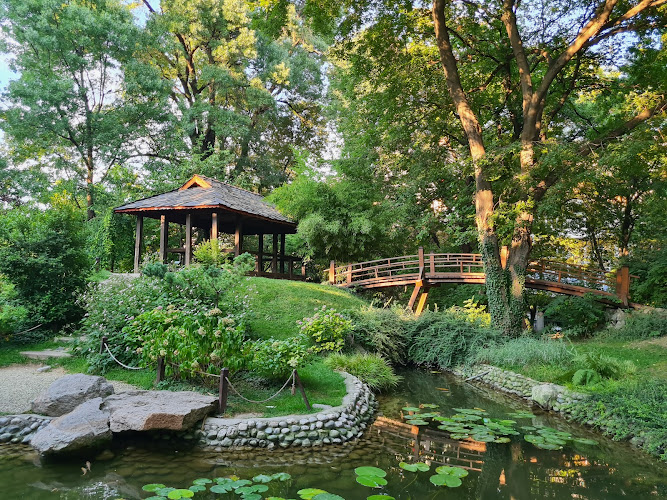
Jevremovac Botanical Garden

Cerje Cave
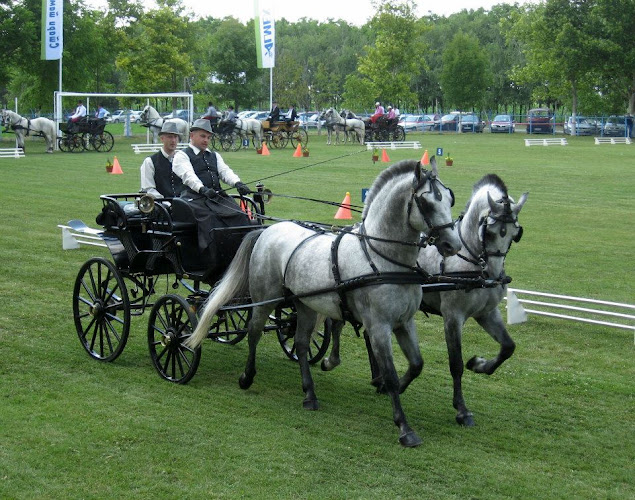
Tamiski Konaci
Find Accommodations Nearby
Recommended Tours & Activities
Visitor Reviews
There are no reviews yet. Be the first one to write one.
Share Your Experience
Have you visited Lazar? Help other travelers by leaving a review.