
Lambert van Meerten Museum
About Lambert van Meerten Museum
Description
The Lambert van Meerten Museum in Delft is one of those places that doesn’t just show you history—it lets you feel like you’ve stepped right into it. Housed in a neo-Renaissance style mansion built in the late 19th century, the museum was designed specifically to showcase the passions of Lambert van Meerten, an art collector with an eye for Delftware, building fragments, and furniture from the Dutch Golden Age. Walking through its rooms, you immediately sense that this wasn’t just a house, it was a stage for Van Meerten’s lifelong obsession with craftsmanship and design.
What makes the museum stand out is how personal it feels. You’re not walking through endless sterile galleries with white walls and labels. Instead, you’re wandering through a home—complete with wood paneling, stained glass, and even a “Leiden room” styled after the interiors you might find in a Vermeer painting. And while the collection may not be as massive as the Rijksmuseum in Amsterdam, the intimacy here is exactly its charm. You can actually pause, look closely at the details, and imagine what life might have been like in Delft centuries ago.
The atmosphere is warm and welcoming, though not without its quirks. Some visitors find the flow of the exhibits a little unusual, and accessibility is limited since the historic building wasn’t designed with wheelchairs in mind. But the majority of travelers leave with a genuine sense of discovery, impressed by how much beauty and history can be tucked into one house. It’s a museum that rewards curiosity and a slower pace—perfect if you’re the kind of traveler who enjoys peeling back layers of history rather than rushing from one big-ticket attraction to another.
Key Features
- A neo-Renaissance mansion purpose-built in 1893 for Lambert van Meerten’s collection
- Extensive displays of Delftware, Dutch tiles, and Chinese porcelain
- Original 16th and 17th-century architectural fragments integrated into the house
- Period rooms including the famous Leiden room, styled in the spirit of Vermeer’s Delft
- Woodcarvings, antique furniture, and decorative objects from the Dutch Golden Age
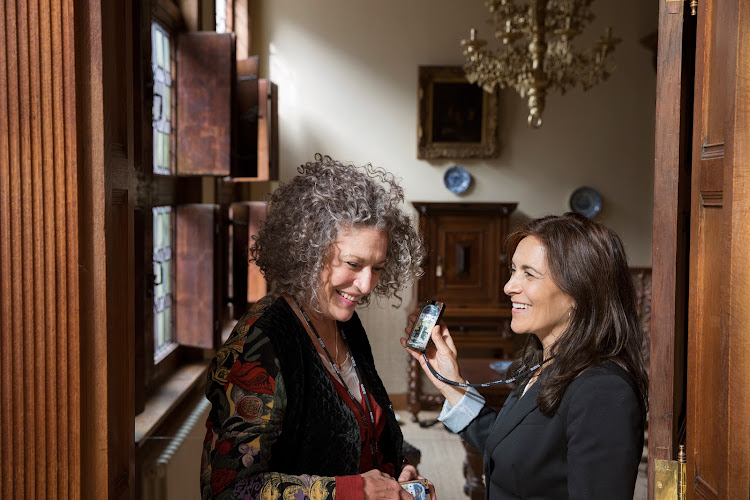
- Audio guide available for deeper insights into the collection
- Family-friendly environment, with exhibits that spark curiosity in kids
- Restrooms available on-site (but no café or restaurant)
Best Time to Visit
If you’re planning a trip, weekdays in the morning tend to be the most peaceful. The museum isn’t usually overcrowded, but like most cultural spots in Delft, weekends can bring a steady flow of visitors. Spring and early autumn are particularly lovely times to go, because you can combine your visit with a stroll along Delft’s canals when the weather is mild. Personally, I think there’s something especially charming about visiting on a slightly rainy day—there’s just something about the sound of rain outside while you’re standing in a centuries-old room that makes the whole experience feel timeless.
One thing to keep in mind: the museum is relatively small, so you don’t need to carve out an entire day. An hour or two is usually enough, though if you’re someone who likes to linger over details (like me), you might find yourself staying longer than expected.
How to Get There
Reaching the museum is straightforward if you’re already in Delft. The city itself is compact and walkable, so chances are you’ll be able to stroll there from most central locations. If you’re coming from outside Delft, trains from The Hague or Rotterdam drop you at Delft’s main station, and from there it’s a pleasant walk through the historic center. Cycling is also a great option—this is the Netherlands, after all—though you’ll want to park your bike nearby since the building doesn’t have dedicated parking.
For those traveling by car, parking in Delft’s old town can be tricky and often pricey, so public transport is usually the stress-free choice. And honestly, walking through Delft’s cobblestone streets on your way to the museum is half the fun—you’ll pass canals, old merchant houses, and maybe even stumble upon a hidden café worth returning to later.
Tips for Visiting
Here are a few practical (and slightly personal) tips that might make your visit smoother and more enjoyable:
- Take the audio guide: It’s worth it. The collection is fascinating, but without context, some of the details can fly over your head. The guide helps bring the objects to life with stories and background.
- Mind the stairs: The house wasn’t built with modern accessibility in mind. If mobility is a concern, be prepared for narrow staircases and uneven floors.
- Don’t rush: This isn’t a museum to “tick off” quickly. Slow down, look at the craftsmanship in the woodwork, or the tiny details in the Delftware tiles. That’s where the magic is.
- Bring kids if you like: It’s surprisingly kid-friendly. The rooms are atmospheric and different enough to hold their attention, especially if you turn it into a little treasure hunt for details.
- No café inside: Plan to grab a coffee or bite to eat elsewhere in Delft. Luckily, the city is full of charming spots within a short walk.
- Combine with other sights: Delft isn’t huge, so you can easily pair this museum with a visit to the Vermeer Center or the Nieuwe Kerk in the same day.
And one last note: don’t be afraid to let yourself just enjoy the house itself, not just the objects inside. For me, the creak of the wooden stairs and the way the light filters through the stained glass were just as memorable as the collection. Sometimes it’s those little sensory details that really stick with you long after the trip is over.
Key Features
- A neo-Renaissance mansion purpose-built in 1893 for Lambert van Meerten’s collection
- Extensive displays of Delftware, Dutch tiles, and Chinese porcelain
- Original 16th and 17th-century architectural fragments integrated into the house
- Period rooms including the famous Leiden room, styled in the spirit of Vermeer’s Delft
- Woodcarvings, antique furniture, and decorative objects from the Dutch Golden Age
- Audio guide available for deeper insights into the collection
- Family-friendly environment, with exhibits that spark curiosity in kids
- Restrooms available on-site (but no café or restaurant)
More Details
Updated September 10, 2025
Table of Contents
Description
The Lambert van Meerten Museum in Delft is one of those places that doesn’t just show you history—it lets you feel like you’ve stepped right into it. Housed in a neo-Renaissance style mansion built in the late 19th century, the museum was designed specifically to showcase the passions of Lambert van Meerten, an art collector with an eye for Delftware, building fragments, and furniture from the Dutch Golden Age. Walking through its rooms, you immediately sense that this wasn’t just a house, it was a stage for Van Meerten’s lifelong obsession with craftsmanship and design.
What makes the museum stand out is how personal it feels. You’re not walking through endless sterile galleries with white walls and labels. Instead, you’re wandering through a home—complete with wood paneling, stained glass, and even a “Leiden room” styled after the interiors you might find in a Vermeer painting. And while the collection may not be as massive as the Rijksmuseum in Amsterdam, the intimacy here is exactly its charm. You can actually pause, look closely at the details, and imagine what life might have been like in Delft centuries ago.
The atmosphere is warm and welcoming, though not without its quirks. Some visitors find the flow of the exhibits a little unusual, and accessibility is limited since the historic building wasn’t designed with wheelchairs in mind. But the majority of travelers leave with a genuine sense of discovery, impressed by how much beauty and history can be tucked into one house. It’s a museum that rewards curiosity and a slower pace—perfect if you’re the kind of traveler who enjoys peeling back layers of history rather than rushing from one big-ticket attraction to another.
Key Features
- A neo-Renaissance mansion purpose-built in 1893 for Lambert van Meerten’s collection
- Extensive displays of Delftware, Dutch tiles, and Chinese porcelain
- Original 16th and 17th-century architectural fragments integrated into the house
- Period rooms including the famous Leiden room, styled in the spirit of Vermeer’s Delft
- Woodcarvings, antique furniture, and decorative objects from the Dutch Golden Age
- Audio guide available for deeper insights into the collection
- Family-friendly environment, with exhibits that spark curiosity in kids
- Restrooms available on-site (but no café or restaurant)
Best Time to Visit
If you’re planning a trip, weekdays in the morning tend to be the most peaceful. The museum isn’t usually overcrowded, but like most cultural spots in Delft, weekends can bring a steady flow of visitors. Spring and early autumn are particularly lovely times to go, because you can combine your visit with a stroll along Delft’s canals when the weather is mild. Personally, I think there’s something especially charming about visiting on a slightly rainy day—there’s just something about the sound of rain outside while you’re standing in a centuries-old room that makes the whole experience feel timeless.
One thing to keep in mind: the museum is relatively small, so you don’t need to carve out an entire day. An hour or two is usually enough, though if you’re someone who likes to linger over details (like me), you might find yourself staying longer than expected.
How to Get There
Reaching the museum is straightforward if you’re already in Delft. The city itself is compact and walkable, so chances are you’ll be able to stroll there from most central locations. If you’re coming from outside Delft, trains from The Hague or Rotterdam drop you at Delft’s main station, and from there it’s a pleasant walk through the historic center. Cycling is also a great option—this is the Netherlands, after all—though you’ll want to park your bike nearby since the building doesn’t have dedicated parking.
For those traveling by car, parking in Delft’s old town can be tricky and often pricey, so public transport is usually the stress-free choice. And honestly, walking through Delft’s cobblestone streets on your way to the museum is half the fun—you’ll pass canals, old merchant houses, and maybe even stumble upon a hidden café worth returning to later.
Tips for Visiting
Here are a few practical (and slightly personal) tips that might make your visit smoother and more enjoyable:
- Take the audio guide: It’s worth it. The collection is fascinating, but without context, some of the details can fly over your head. The guide helps bring the objects to life with stories and background.
- Mind the stairs: The house wasn’t built with modern accessibility in mind. If mobility is a concern, be prepared for narrow staircases and uneven floors.
- Don’t rush: This isn’t a museum to “tick off” quickly. Slow down, look at the craftsmanship in the woodwork, or the tiny details in the Delftware tiles. That’s where the magic is.
- Bring kids if you like: It’s surprisingly kid-friendly. The rooms are atmospheric and different enough to hold their attention, especially if you turn it into a little treasure hunt for details.
- No café inside: Plan to grab a coffee or bite to eat elsewhere in Delft. Luckily, the city is full of charming spots within a short walk.
- Combine with other sights: Delft isn’t huge, so you can easily pair this museum with a visit to the Vermeer Center or the Nieuwe Kerk in the same day.
And one last note: don’t be afraid to let yourself just enjoy the house itself, not just the objects inside. For me, the creak of the wooden stairs and the way the light filters through the stained glass were just as memorable as the collection. Sometimes it’s those little sensory details that really stick with you long after the trip is over.
Key Highlights
- A neo-Renaissance mansion purpose-built in 1893 for Lambert van Meerten’s collection
- Extensive displays of Delftware, Dutch tiles, and Chinese porcelain
- Original 16th and 17th-century architectural fragments integrated into the house
- Period rooms including the famous Leiden room, styled in the spirit of Vermeer’s Delft
- Woodcarvings, antique furniture, and decorative objects from the Dutch Golden Age
- Audio guide available for deeper insights into the collection
- Family-friendly environment, with exhibits that spark curiosity in kids
- Restrooms available on-site (but no café or restaurant)
Location
Places to Stay Near Lambert van Meerten Museum
Find and Book a Tour
Explore More Travel Guides
No reviews found! Be the first to review!
Traveler Reviews for Lambert van Meerten Museum
There are no reviews yet. Be the first one to write one.
Have you visited Lambert van Meerten Museum? Help other travelers by sharing your review.
Find Accommodations Nearby
Recommended Tours & Activities
Visitor Reviews
There are no reviews yet. Be the first one to write one.
Share Your Experience
Have you visited Lambert van Meerten Museum? Help other travelers by leaving a review.