
Lake Akan
About Lake Akan
Key Features
More Details
Updated June 11, 2025
Lake Akan Frost Flowers | Hokkaido | Japan Snow | Japan Travel
## Lake Akan (阿寒湖), Kushiro, Hokkaido: what it actually offers—especially in winter
Lake Akan (Akanko) sits inside Akan-Mashu National Park in eastern Hokkaido. Guide It’s widely known for two things you can verify on the ground: a lakeside onsen town (Akanko Onsen) as a base, and the lake’s unusual ecology—especially marimo, a rare algae that forms spherical shapes. Guide
Your note—“not much things to do during winter time”—is a common reaction if you arrive without a plan or expect “town sightseeing.” In winter, the draw is more specific: ice and snow phenomena, on-ice activities, and hot springs as recovery. Availability can be weather-dependent, so treat winter Lake Akan as a conditions-based destination, not a guaranteed checklist.
—
## The “why here” in one paragraph: crater lake + protected landscape + marimo
Lake Akan is described as a crater lake within Akan-Mashu National Park. Guide The park itself is an official national park in Hokkaido (Japan’s national parks network) and includes wilderness landscapes and Ainu cultural context. Travel If you care about the marimo story beyond souvenir-shop lore: research reporting notes that large, clustered marimo are now essentially associated with Lake Akan, and discusses conservation pressures (e.g., habitat change and eutrophication) and why non-destructive study matters.
—
## What winter at Lake Akan is actually known for
### Frost flowers (a real, rare ice phenomenon)
Japan’s national tourism site describes “frost flowers”—delicate ice crystals that can appear on Lake Akan’s surface under very specific conditions: relatively windless weather, temperatures around -15°C, and a lake surface not covered in snow. They’re fragile and can disappear with minor shifts in wind or temperature, so they’re not something you “schedule,” but something you position yourself to catch.
Practical take: If frost flowers are your goal, build flexibility into your morning and keep expectations realistic; they’re explicitly described as weather-dependent.
### Wakasagi (smelt) ice fishing
Multiple travel sources describe wakasagi smelt ice fishing on Lake Akan as a winter activity, typically running January to March. To Japan The same sources also note the common “catch-and-eat” angle (having the fish fried on the spot), which is part of why people rate it as more than a novelty. HOKKAIDO LOVE!
Practical take: If your trip is in early winter (December), you may miss the prime ice-fishing window; if it’s mid-winter, this is one of the clearest “doable” experiences Lake Akan is marketed for. To Japan
### Snow activities (ATV/snowmobile-style rides)
Hokkaido’s official travel planning content explicitly lists ATV rides and snowmobiles among winter attractions in the Lake Akan area. HOKKAIDO LOVE!
Practical take: treat these as operator-dependent. In heavy snowfall, wind, or warm spells, offerings can pause even if the calendar says “winter.”
—
## Where to base yourself: Akanko Onsen (the functional hub)
If you’re visiting in winter, staying around Akanko Onsen is the simplest way to turn “a cold lake view” into a trip with structure (activities + hot springs). Official regional transport info describes airport-to-Akanko Onsen bus services and indicates the route stops at hotels in the onsen area (with advance reservation mentioned for the airport liner route).
—
## Getting there from Kushiro: what’s reliable to say (and what to double-check)
Kushiro is the nearest major access point in your dataset, and the airport site for Tancho Kushiro Airport notes regular route bus service connecting Kushiro Station → Kushiro Airport → Lake Akan, and also warns that some routes change during the winter season. Airports
Outdated-data flag (important): timetables and seasonal routings change. Even official pages can lag behind operational updates, and the airport site explicitly calls out winter changes. Always confirm the current timetable close to departure. Airports
—
## A winter-first itinerary that avoids the “nothing to do” trap
### Day 1: arrive, orient, and make winter conditions your ally
– Arrive via Kushiro Airport/Kushiro Station connections toward Lake Akan/Akanko Onsen. Airports
– Check local conditions the moment you arrive: wind + fresh snow matter for on-ice visibility and the chance of frost flowers.
– Do one simple, high-confidence loop: lakeside viewpoints + onsen recovery (no special claims here—just the logic of using Akanko Onsen as your base).
### Day 2: pick one “anchor” activity and build the day around it
– If you’re visiting Jan–Mar, prioritize wakasagi ice fishing as the anchor. To Japan
– Add one secondary snow activity (ATV/snowmobile) if operating. HOKKAIDO LOVE!
– Keep a flexible early-morning window for frost flowers if conditions look promising (windless + very cold + not snow-covered).
### Day 3: park context day (if you want more than lake photos)
Akan-Mashu National Park is framed as wilderness with caldera lakes/volcanic landscapes and Ainu culture context (park-level, not “guaranteed tour” claims). Travel Use this day for the bigger regional picture rather than forcing Lake Akan to carry the entire trip.
—
## Inclusivity and accessibility notes (what’s safe to state)
– Winter surfaces (ice, packed snow) can be challenging for anyone with limited mobility, balance issues, or certain disabilities; plan around traction, stable walkways, and indoor alternatives. (General winter safety guidance; not destination-specific.)
– If you’re traveling with kids or older adults, prioritize short outdoor bursts + warm recovery; cold exposure risk is real at temperatures like those described for frost flowers.
—
## Two contextual internal link slots (editorial placeholders)
Because I can’t verify what RealJourneyTravels.com already has published, here are two clean internal-link placements you (or your editor) can connect to existing guides:
– Internal link slot #1 (in “Getting there”): Link to your Kushiro transportation/airport guide (anchor text: Kushiro Airport to Lake Akan transportation options).
– Internal link slot #2 (in “Park context day”): Link to your Akan-Mashu National Park overview (anchor text: Akan-Mashu National Park: lakes, volcano landscapes, and cultural context). Travel
—
## Bottom line
Lake Akan in winter can feel quiet if you’re only “visiting a lake.” But the destination’s winter value is specific and evidence-based: frost flowers under rare conditions, Jan–Mar smelt ice fishing, snow activities, and Akanko Onsen as the practical base—with transport routes that may change in winter. HOKKAIDO LOVE!
Table of Contents
Key Highlights
Lake Akan
Location
Places to Stay Near Lake Akan"Not much things to do during winter time"
Find and Book a Tour
Explore More Travel Guides
No reviews found! Be the first to review!
Traveler Reviews for Lake Akan
There are no reviews yet. Be the first one to write one.
Have you visited Lake Akan? Help other travelers by sharing your review.
You Might Also Like
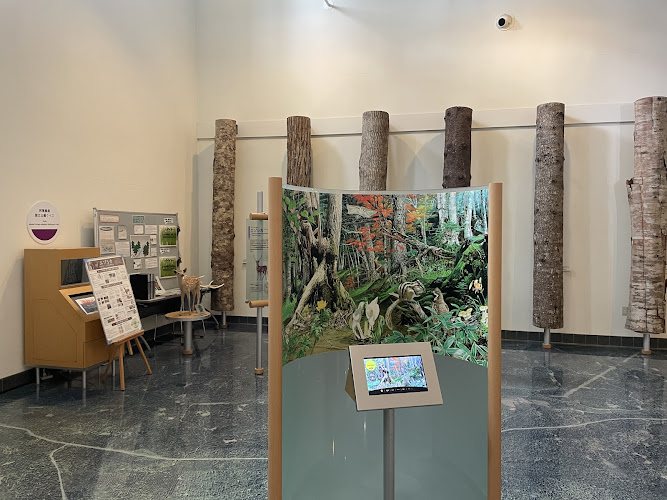
Akankohan Eco Museum Center
Kushiro Marsh Observatory
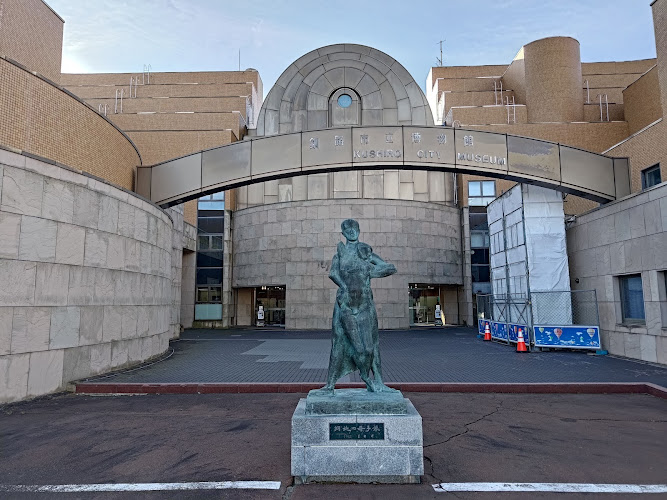
Kushiro City Museum
Find Accommodations Nearby
Recommended Tours & Activities
Visitor Reviews
There are no reviews yet. Be the first one to write one.
Share Your Experience
Have you visited Lake Akan? Help other travelers by leaving a review.