Kunsthalle Košice
About Kunsthalle Košice
Description
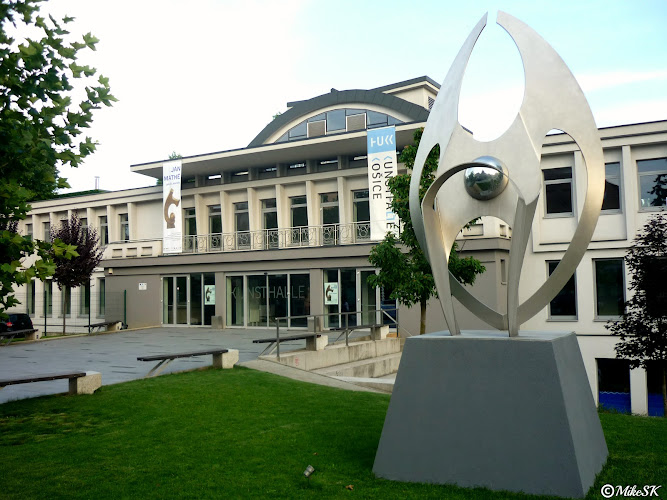
Kunsthalle Košice is one of those places you might not stumble upon by accident, but once you do, it leaves a real mark. Tucked away on Rumanova Street in Košice, this art hall breathes new life into what was once a rather tired old swimming pool building. And that transformation alone makes it stand out. Instead of tearing the place down, the city decided to give it a second life as a centre for contemporary art and cultural events. Honestly, that kind of creative reuse says a lot about Košice itself — a city with an eye on the future but still rooted in its past.
The atmosphere here is different from a traditional museum or gallery. It feels more open, more experimental, not weighed down by a sense of formality. You can wander in and find exhibitions ranging from thought-provoking installations to playful works that appeal even to kids. There's a sense of freedom in the space — you feel like you're not just looking at art, but experiencing it. That’s the thing I’ve always enjoyed about contemporary visual art: it doesn’t tell you what to think, it invites you to figure it out for yourself.
Kunsthalle Košice became especially significant after the city earned the prestigious title of European Capital of Culture in 2013. That year was a turning point in Košice’s cultural landscape, and this hall is a direct result of that momentum. In the years since, it has grown into a dynamic hub where Slovak artists mix with international names, where conferences and festivals take over the large halls, and where the boundary between art and everyday life sometimes blurs. I remember chatting with a local friend who mentioned that even people who don’t normally “do art” will find themselves popping into Kunsthalle because it’s just such a lively place to spend a few hours.
It’s not without its quirks, though. Sometimes the exhibitions can feel a little uneven — you might walk in and be floored by a breathtaking installation one week, then return later and feel less impressed by what’s on display. But honestly, that’s part of the charm of a living, breathing space. It changes, evolves, and isn’t afraid to take risks. For me, that’s a win because it keeps you curious about what’s up next.
A recent addition has made the experience even more enjoyable: since March 2023, a small café operates inside the building, open daily from mid-morning to early evening. It’s not a huge, flashy espresso bar, but rather the type of spot where you can sit with a coffee after exploring the exhibitions and just soak in the creative energy of the place. If you’re anything like me, you’ll appreciate that moment of slowing down with a good cup of coffee in an environment where you can still feel the buzz of activity around you.
Another thing worth pointing out is how welcoming the overall setup is. Families bring their children here, and the open layout makes it easy for kids to explore without feeling hemmed in. Accessibility has clearly been considered too, with a wheelchair-friendly entrance, proper restroom facilities, and parking close by. It feels like a space designed for the community as much as for visitors, which says a lot about how Košice approaches culture nowadays.
There’s often live performance going hand-in-hand with exhibitions, which gives the hall a wider scope than just static displays. Sometimes you’ll arrive as an exhibition is winding down, and suddenly a sound or video work takes over the hall, shifting the entire atmosphere. That versatility makes it unlike the polished but predictable halls you find in big European capitals. It’s raw, but in a really interesting way — every visit feels unique because you might catch it in a different mood depending on the event cycle.
Kunsthalle Košice works best for people who don’t just want to “tick off” attractions but enjoy discovering what a local cultural scene is really like. It provides something a little more personal, less touristy, and certainly rooted in the city’s identity. And the building itself, with its past life as a swimming pool still lingering in some features, adds another layer of meaning. Art in an old pool? Somehow, it works. And if you’re traveling across Slovakia and want to experience Košice beyond its main square and Gothic cathedral, this art hall is a must-stop.
Key Features
More Details
Updated October 2, 2025
Table of Contents
Description
Kunsthalle Košice is one of those places you might not stumble upon by accident, but once you do, it leaves a real mark. Tucked away on Rumanova Street in Košice, this art hall breathes new life into what was once a rather tired old swimming pool building. And that transformation alone makes it stand out. Instead of tearing the place down, the city decided to give it a second life as a centre for contemporary art and cultural events. Honestly, that kind of creative reuse says a lot about Košice itself — a city with an eye on the future but still rooted in its past.
The atmosphere here is different from a traditional museum or gallery. It feels more open, more experimental, not weighed down by a sense of formality. You can wander in and find exhibitions ranging from thought-provoking installations to playful works that appeal even to kids. There’s a sense of freedom in the space — you feel like you’re not just looking at art, but experiencing it. That’s the thing I’ve always enjoyed about contemporary visual art: it doesn’t tell you what to think, it invites you to figure it out for yourself.
Kunsthalle Košice became especially significant after the city earned the prestigious title of European Capital of Culture in 2013. That year was a turning point in Košice’s cultural landscape, and this hall is a direct result of that momentum. In the years since, it has grown into a dynamic hub where Slovak artists mix with international names, where conferences and festivals take over the large halls, and where the boundary between art and everyday life sometimes blurs. I remember chatting with a local friend who mentioned that even people who don’t normally “do art” will find themselves popping into Kunsthalle because it’s just such a lively place to spend a few hours.
It’s not without its quirks, though. Sometimes the exhibitions can feel a little uneven — you might walk in and be floored by a breathtaking installation one week, then return later and feel less impressed by what’s on display. But honestly, that’s part of the charm of a living, breathing space. It changes, evolves, and isn’t afraid to take risks. For me, that’s a win because it keeps you curious about what’s up next.
A recent addition has made the experience even more enjoyable: since March 2023, a small café operates inside the building, open daily from mid-morning to early evening. It’s not a huge, flashy espresso bar, but rather the type of spot where you can sit with a coffee after exploring the exhibitions and just soak in the creative energy of the place. If you’re anything like me, you’ll appreciate that moment of slowing down with a good cup of coffee in an environment where you can still feel the buzz of activity around you.
Another thing worth pointing out is how welcoming the overall setup is. Families bring their children here, and the open layout makes it easy for kids to explore without feeling hemmed in. Accessibility has clearly been considered too, with a wheelchair-friendly entrance, proper restroom facilities, and parking close by. It feels like a space designed for the community as much as for visitors, which says a lot about how Košice approaches culture nowadays.
There’s often live performance going hand-in-hand with exhibitions, which gives the hall a wider scope than just static displays. Sometimes you’ll arrive as an exhibition is winding down, and suddenly a sound or video work takes over the hall, shifting the entire atmosphere. That versatility makes it unlike the polished but predictable halls you find in big European capitals. It’s raw, but in a really interesting way — every visit feels unique because you might catch it in a different mood depending on the event cycle.
Kunsthalle Košice works best for people who don’t just want to “tick off” attractions but enjoy discovering what a local cultural scene is really like. It provides something a little more personal, less touristy, and certainly rooted in the city’s identity. And the building itself, with its past life as a swimming pool still lingering in some features, adds another layer of meaning. Art in an old pool? Somehow, it works. And if you’re traveling across Slovakia and want to experience Košice beyond its main square and Gothic cathedral, this art hall is a must-stop.

Key Highlights
Kunsthalle Košice
Location
Places to Stay Near Kunsthalle Košice
Find and Book a Tour
Explore More Travel Guides
No reviews found! Be the first to review!
Traveler Reviews for Kunsthalle Košice
There are no reviews yet. Be the first one to write one.
Have you visited Kunsthalle Košice? Help other travelers by sharing your review.
Find Accommodations Nearby
Recommended Tours & Activities
Visitor Reviews
There are no reviews yet. Be the first one to write one.
Share Your Experience
Have you visited Kunsthalle Košice? Help other travelers by leaving a review.