
Kristiansand Museum
About Kristiansand Museum
Description
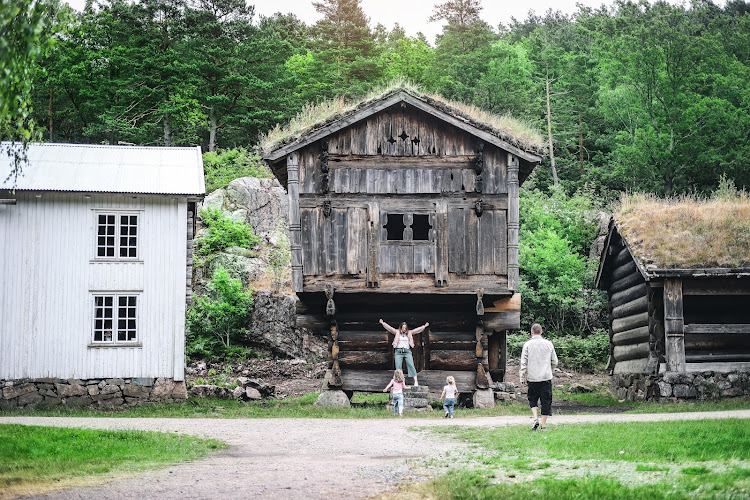
Kristiansand Museum is one of those places that quietly surprises you. At first glance, it looks like a collection of old wooden houses, but once you start wandering through, you realize it’s a living storybook of southern Norway’s past. Nearly 40 historic buildings have been gathered here, each with its own quirks and character. Some were rescued from demolition in Kristiansand’s Kvadraturen district, while others come from rural areas like Setesdal and Eiken in Vest-Agder. They’ve been carefully relocated and preserved, so you can step right into them and get a sense of how people actually lived centuries ago.
The museum grounds are spacious and peaceful, with winding paths that lead you from one era to another. You’ll find a late 1800s schoolroom that feels like the children just stepped out for recess, a farmhouse with painted biblical scenes and rose-painted vines, and even the oldest building in the collection—Nomelandsloftet from 1585, which has this almost magical aura about it. And then there’s the miniature town, a quirky little model of old Kristiansand that always seems to delight kids and adults alike. The main building hosts rotating exhibitions, so there’s usually something fresh to see even if you’ve been before.
It’s not a flashy museum, and that’s part of its charm. Some visitors expect more interactivity or modern displays, but honestly, the quiet authenticity is what makes it special. It’s family-friendly without being overwhelming, and it gives you space to slow down and imagine life before smartphones, cars, and all the noise of modern travel. For me, it felt like stepping into a time capsule where history isn’t behind glass but right there around you.
Key Features
- Nearly 40 historic wooden houses from Kristiansand and surrounding regions
- Two complete farmyards: one from Setesdal and one from Eiken in Vest-Agder
- A late 19th-century schoolhouse with original furnishings
- Tonstadbua, decorated with painted biblical motifs and traditional rosemaling
- Nomelandsloftet from 1585, the oldest preserved building in the museum
- A miniature town showing blocks of old Kristiansand in small scale
- Rotating exhibitions in the main building
- Wheelchair accessible facilities, including restrooms and parking
- Gift shop with local crafts and souvenirs
- Family discounts and kid-friendly activities available
Best Time to Visit
If you ask me, summer is the sweet spot. The museum is an open-air site, so walking between the houses feels much nicer when the weather is warm and sunny. In June, July, and August, you’ll often find extra activities and sometimes even costumed guides who bring the history alive in a playful way. But spring and early autumn have their own charm too—fewer crowds, crisp air, and those golden leaves that make the old timber buildings look straight out of a painting. Winter is quieter, and while you can still visit, some areas may feel less lively. If you’re into photography, though, the snow on the rooftops makes for some truly magical shots.
How to Get There
Getting to Kristiansand Museum is pretty straightforward. If you’re already in Kristiansand, it’s just a short drive from the city center. There’s on-site parking, and it’s free, which is a nice bonus since parking in town can be pricey. Public transport is also an option—buses run regularly from the center and drop you off within walking distance. If you’re the type who enjoys a bit of exercise, you can even bike there; the ride is scenic and gives you a taste of the countryside just outside the city.
Tips for Visiting
First tip: wear comfortable shoes. You’ll be walking on gravel paths and stepping in and out of old houses, and while it’s not strenuous, good footwear makes the experience more enjoyable. Second, don’t rush. This isn’t a museum you “check off” in an hour. Give yourself at least half a day to wander, pause, and maybe even sit on a bench to soak in the atmosphere.
If you’re traveling with kids, the miniature town is a guaranteed hit. Bring snacks or a picnic, since the museum doesn’t have a full restaurant, though there are restrooms and a small shop. And if you’re into photography, plan to arrive early in the day when the light is softer and the grounds are quieter—it really makes the wooden textures and painted details pop.
One last thought: don’t expect everything to be polished and perfect. Some of the houses are rustic, and that’s exactly the point. They’ve been lived in, weathered by time, and saved from being lost. That authenticity is what makes Kristiansand Museum worth the visit. It’s a place to slow down, breathe in some history, and maybe even imagine yourself living in a simpler time.
Key Features
- Nearly 40 historic wooden houses from Kristiansand and surrounding regions
- Two complete farmyards: one from Setesdal and one from Eiken in Vest-Agder
- A late 19th-century schoolhouse with original furnishings
- Tonstadbua, decorated with painted biblical motifs and traditional rosemaling
- Nomelandsloftet from 1585, the oldest preserved building in the museum
- A miniature town showing blocks of old Kristiansand in small scale
- Rotating exhibitions in the main building
- Wheelchair accessible facilities, including restrooms and parking
More Details
Updated September 10, 2025
Table of Contents
Description
Kristiansand Museum is one of those places that quietly surprises you. At first glance, it looks like a collection of old wooden houses, but once you start wandering through, you realize it’s a living storybook of southern Norway’s past. Nearly 40 historic buildings have been gathered here, each with its own quirks and character. Some were rescued from demolition in Kristiansand’s Kvadraturen district, while others come from rural areas like Setesdal and Eiken in Vest-Agder. They’ve been carefully relocated and preserved, so you can step right into them and get a sense of how people actually lived centuries ago.
The museum grounds are spacious and peaceful, with winding paths that lead you from one era to another. You’ll find a late 1800s schoolroom that feels like the children just stepped out for recess, a farmhouse with painted biblical scenes and rose-painted vines, and even the oldest building in the collection—Nomelandsloftet from 1585, which has this almost magical aura about it. And then there’s the miniature town, a quirky little model of old Kristiansand that always seems to delight kids and adults alike. The main building hosts rotating exhibitions, so there’s usually something fresh to see even if you’ve been before.
It’s not a flashy museum, and that’s part of its charm. Some visitors expect more interactivity or modern displays, but honestly, the quiet authenticity is what makes it special. It’s family-friendly without being overwhelming, and it gives you space to slow down and imagine life before smartphones, cars, and all the noise of modern travel. For me, it felt like stepping into a time capsule where history isn’t behind glass but right there around you.
Key Features
- Nearly 40 historic wooden houses from Kristiansand and surrounding regions
- Two complete farmyards: one from Setesdal and one from Eiken in Vest-Agder
- A late 19th-century schoolhouse with original furnishings
- Tonstadbua, decorated with painted biblical motifs and traditional rosemaling
- Nomelandsloftet from 1585, the oldest preserved building in the museum
- A miniature town showing blocks of old Kristiansand in small scale
- Rotating exhibitions in the main building
- Wheelchair accessible facilities, including restrooms and parking
- Gift shop with local crafts and souvenirs
- Family discounts and kid-friendly activities available
Best Time to Visit
If you ask me, summer is the sweet spot. The museum is an open-air site, so walking between the houses feels much nicer when the weather is warm and sunny. In June, July, and August, you’ll often find extra activities and sometimes even costumed guides who bring the history alive in a playful way. But spring and early autumn have their own charm too—fewer crowds, crisp air, and those golden leaves that make the old timber buildings look straight out of a painting. Winter is quieter, and while you can still visit, some areas may feel less lively. If you’re into photography, though, the snow on the rooftops makes for some truly magical shots.
How to Get There
Getting to Kristiansand Museum is pretty straightforward. If you’re already in Kristiansand, it’s just a short drive from the city center. There’s on-site parking, and it’s free, which is a nice bonus since parking in town can be pricey. Public transport is also an option—buses run regularly from the center and drop you off within walking distance. If you’re the type who enjoys a bit of exercise, you can even bike there; the ride is scenic and gives you a taste of the countryside just outside the city.
Tips for Visiting
First tip: wear comfortable shoes. You’ll be walking on gravel paths and stepping in and out of old houses, and while it’s not strenuous, good footwear makes the experience more enjoyable. Second, don’t rush. This isn’t a museum you “check off” in an hour. Give yourself at least half a day to wander, pause, and maybe even sit on a bench to soak in the atmosphere.
If you’re traveling with kids, the miniature town is a guaranteed hit. Bring snacks or a picnic, since the museum doesn’t have a full restaurant, though there are restrooms and a small shop. And if you’re into photography, plan to arrive early in the day when the light is softer and the grounds are quieter—it really makes the wooden textures and painted details pop.
One last thought: don’t expect everything to be polished and perfect. Some of the houses are rustic, and that’s exactly the point. They’ve been lived in, weathered by time, and saved from being lost. That authenticity is what makes Kristiansand Museum worth the visit. It’s a place to slow down, breathe in some history, and maybe even imagine yourself living in a simpler time.
Key Highlights
- Nearly 40 historic wooden houses from Kristiansand and surrounding regions
- Two complete farmyards: one from Setesdal and one from Eiken in Vest-Agder
- A late 19th-century schoolhouse with original furnishings
- Tonstadbua, decorated with painted biblical motifs and traditional rosemaling
- Nomelandsloftet from 1585, the oldest preserved building in the museum
- A miniature town showing blocks of old Kristiansand in small scale
- Rotating exhibitions in the main building
- Wheelchair accessible facilities, including restrooms and parking
Location
Places to Stay Near Kristiansand Museum
Find and Book a Tour
Explore More Travel Guides
No reviews found! Be the first to review!
Traveler Reviews for Kristiansand Museum
There are no reviews yet. Be the first one to write one.
Have you visited Kristiansand Museum? Help other travelers by sharing your review.
Find Accommodations Nearby
Recommended Tours & Activities
Visitor Reviews
There are no reviews yet. Be the first one to write one.
Share Your Experience
Have you visited Kristiansand Museum? Help other travelers by leaving a review.