
Kota, Rajasthan 324007
About Kota, Rajasthan 324007
Description
Kota, Rajasthan—now that’s a city that somehow manages to stay both ancient and modern at the same time. It’s one of those places that doesn’t just show you its history—it makes you feel it. The moment you step into Kota, you’re greeted by the quiet hum of the Chambal River and the sight of old palaces standing tall against a backdrop of bustling city life. It’s not Jaipur’s pink glamour or Udaipur’s romantic lakes—it’s something else entirely. Kota has grit, charm, and a sense of authenticity that hasn’t been polished away by over-tourism.
I remember the first time I visited Kota—it was the smell of the river that hit me first, earthy and a bit wild, mixed with the aroma of spicy kachoris from a nearby stall. The locals were warm, quick to share stories about their city, and even quicker to point out where to get the best jalebi. Kota has this mix of engineering students, traders, and travelers that gives it a unique pulse. You’ll see centuries-old architecture sitting right next to coaching institutes buzzing with young minds chasing dreams.
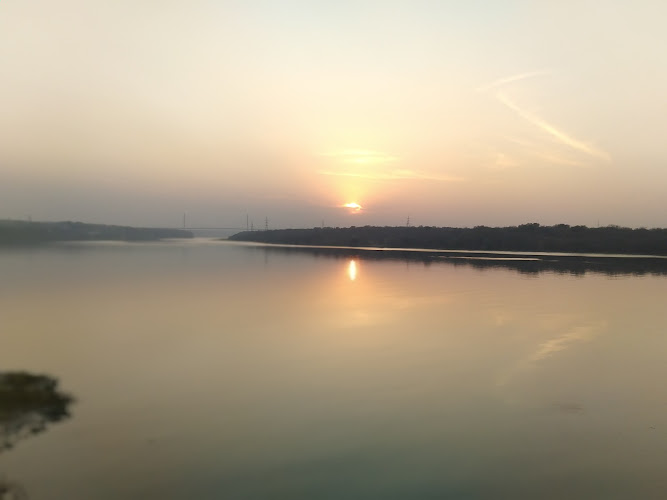
The city’s identity is deeply tied to the Chambal River. The riverfront, recently developed, is a sight that surprises many visitors—modern lighting, clean walkways, and sculptures that reflect the city’s cultural roots. Then there’s the Garadia Mahadev Temple, perched on a cliff, offering one of the most breathtaking views in Rajasthan. Standing there, watching the Chambal curve gracefully below, you can’t help but feel small—in a good way. It’s the kind of view that stays with you long after you’ve left.
Kota’s old city still holds traces of its royal past. The City Palace, with its intricate frescoes and marble work, whispers stories of the Maharaos who once ruled here. The museum inside is small but fascinating—you’ll find royal weapons, costumes, and even miniature paintings that depict scenes from the Ramayana. And if you’re into architecture, Kishore Sagar Lake and Jagmandir Palace are must-sees. The reflection of the palace in the still water during sunset is something even a camera struggles to do justice to.
Key Features
- Chambal Riverfront: A beautifully developed promenade offering scenic views, evening walks, and local food stalls.
- Garadia Mahadev Temple: Known for its panoramic cliffside view of the Chambal Gorge—often called the “Grand Canyon of India.”
- Kishore Sagar Lake: A serene spot perfect for boating, photography, and lazy evening strolls.
- City Palace and Museum: A historical gem showcasing Rajput architecture and royal artifacts.
- Seven Wonders Park: A quirky attraction featuring replicas of world landmarks like the Eiffel Tower and the Statue of Liberty.
- Local Markets: Famous for Kota Doria sarees, handwoven textiles, and traditional jewelry.
- Chambal Garden: A riverside garden ideal for picnics, complete with a suspension bridge and boating facilities.
- Food Scene: From spicy mirchi vadas to creamy lassi, Kota’s street food is both affordable and unforgettable.
Best Time to Visit
If you ask me, the best time to visit Kota is between October and March. The weather is pleasant, the skies are clear, and the evenings are perfect for long walks along the riverfront. Summers here can be brutal—temperatures often touch 45°C—so unless you’re used to desert heat, it’s better to avoid April through June. The monsoon season, from July to September, paints the city green and fills the Chambal to the brim, making it a great time for photography, though humidity can get a bit much.
Winters are absolutely lovely. You’ll find locals sipping masala chai by the lake, and the city feels calmer. If you happen to visit during Diwali, the entire city lights up in a way that feels magical—lanterns floating on the water, fireworks reflecting on the lake, and laughter echoing through the streets.
How to Get There
Getting to Kota is surprisingly easy. The city is well connected by rail, road, and air. The Kota Junction Railway Station is one of the busiest in Rajasthan, linking it to major cities like Delhi, Mumbai, Jaipur, and Ahmedabad. Trains are frequent and comfortable, and honestly, that’s my favorite way to get there—it’s scenic and gives you a real feel of Rajasthan’s landscape.
If you prefer driving, the NH52 highway makes for a smooth ride from Jaipur or Udaipur. The roads are in good shape, and you’ll pass through small towns and mustard fields that look straight out of a painting. For air travel, the nearest major airport is in Jaipur, about 240 km away, but there’s also a smaller airport in Kota that handles limited flights. From Jaipur, you can easily hire a taxi or catch a train.
Once you’re in Kota, getting around is simple. Auto-rickshaws, e-rickshaws, and local taxis are everywhere. And if you’re feeling adventurous, rent a scooter—it’s the best way to explore the city’s narrow lanes and hidden corners.
Tips for Visiting
Here’s where a little local insight helps. Kota may not be as touristy as other Rajasthani cities, but that’s exactly what makes it special. Here are a few things I’ve learned from my visits:
- Carry cash: While digital payments are common, smaller shops and food stalls still prefer cash.
- Dress modestly: Especially when visiting temples or local markets—Rajasthan is traditional at heart.
- Plan for the heat: Always carry water, sunscreen, and a hat if you’re out in the afternoon.
- Try local food: Don’t miss out on Kota kachori, poha, and the sweet mawa jalebi. Trust me, your taste buds will thank you.
- Respect the river: The Chambal is beautiful but has strong currents—avoid swimming or venturing too close to the edge.
- Shop smart: Bargaining is expected in local markets, but do it politely—it’s part of the experience.
- Photography: Early mornings and late evenings are the best times for capturing Kota’s natural light and architecture.
And here’s a personal tip—spend at least one evening just sitting by the Kishore Sagar Lake. Watch the city lights shimmer on the water, listen to the distant hum of traffic, and feel the gentle breeze carry the scent of fried snacks and incense. It’s simple moments like these that make Kota unforgettable.
Kota may not shout for your attention, but it rewards those who take the time to listen. It’s a city of contrasts—ancient temples beside engineering hostels, royal palaces beside coaching centers, calm riverbanks beside busy roads. And that’s what makes it real. It’s not just another stop on a Rajasthan itinerary; it’s a living, breathing city that tells its own story—quietly, beautifully, and with a hint of stubborn pride.
Key Features
- Key Features
- Best Time to Visit
- How to Get There
- Tips for Visiting
More Details
Updated October 9, 2025
Table of Contents
Description
Kota, Rajasthan—now that’s a city that somehow manages to stay both ancient and modern at the same time. It’s one of those places that doesn’t just show you its history—it makes you feel it. The moment you step into Kota, you’re greeted by the quiet hum of the Chambal River and the sight of old palaces standing tall against a backdrop of bustling city life. It’s not Jaipur’s pink glamour or Udaipur’s romantic lakes—it’s something else entirely. Kota has grit, charm, and a sense of authenticity that hasn’t been polished away by over-tourism.
I remember the first time I visited Kota—it was the smell of the river that hit me first, earthy and a bit wild, mixed with the aroma of spicy kachoris from a nearby stall. The locals were warm, quick to share stories about their city, and even quicker to point out where to get the best jalebi. Kota has this mix of engineering students, traders, and travelers that gives it a unique pulse. You’ll see centuries-old architecture sitting right next to coaching institutes buzzing with young minds chasing dreams.
The city’s identity is deeply tied to the Chambal River. The riverfront, recently developed, is a sight that surprises many visitors—modern lighting, clean walkways, and sculptures that reflect the city’s cultural roots. Then there’s the Garadia Mahadev Temple, perched on a cliff, offering one of the most breathtaking views in Rajasthan. Standing there, watching the Chambal curve gracefully below, you can’t help but feel small—in a good way. It’s the kind of view that stays with you long after you’ve left.
Kota’s old city still holds traces of its royal past. The City Palace, with its intricate frescoes and marble work, whispers stories of the Maharaos who once ruled here. The museum inside is small but fascinating—you’ll find royal weapons, costumes, and even miniature paintings that depict scenes from the Ramayana. And if you’re into architecture, Kishore Sagar Lake and Jagmandir Palace are must-sees. The reflection of the palace in the still water during sunset is something even a camera struggles to do justice to.
Key Features
- Chambal Riverfront: A beautifully developed promenade offering scenic views, evening walks, and local food stalls.
- Garadia Mahadev Temple: Known for its panoramic cliffside view of the Chambal Gorge—often called the “Grand Canyon of India.”
- Kishore Sagar Lake: A serene spot perfect for boating, photography, and lazy evening strolls.
- City Palace and Museum: A historical gem showcasing Rajput architecture and royal artifacts.
- Seven Wonders Park: A quirky attraction featuring replicas of world landmarks like the Eiffel Tower and the Statue of Liberty.
- Local Markets: Famous for Kota Doria sarees, handwoven textiles, and traditional jewelry.
- Chambal Garden: A riverside garden ideal for picnics, complete with a suspension bridge and boating facilities.
- Food Scene: From spicy mirchi vadas to creamy lassi, Kota’s street food is both affordable and unforgettable.
Best Time to Visit
If you ask me, the best time to visit Kota is between October and March. The weather is pleasant, the skies are clear, and the evenings are perfect for long walks along the riverfront. Summers here can be brutal—temperatures often touch 45°C—so unless you’re used to desert heat, it’s better to avoid April through June. The monsoon season, from July to September, paints the city green and fills the Chambal to the brim, making it a great time for photography, though humidity can get a bit much.
Winters are absolutely lovely. You’ll find locals sipping masala chai by the lake, and the city feels calmer. If you happen to visit during Diwali, the entire city lights up in a way that feels magical—lanterns floating on the water, fireworks reflecting on the lake, and laughter echoing through the streets.
How to Get There
Getting to Kota is surprisingly easy. The city is well connected by rail, road, and air. The Kota Junction Railway Station is one of the busiest in Rajasthan, linking it to major cities like Delhi, Mumbai, Jaipur, and Ahmedabad. Trains are frequent and comfortable, and honestly, that’s my favorite way to get there—it’s scenic and gives you a real feel of Rajasthan’s landscape.
If you prefer driving, the NH52 highway makes for a smooth ride from Jaipur or Udaipur. The roads are in good shape, and you’ll pass through small towns and mustard fields that look straight out of a painting. For air travel, the nearest major airport is in Jaipur, about 240 km away, but there’s also a smaller airport in Kota that handles limited flights. From Jaipur, you can easily hire a taxi or catch a train.
Once you’re in Kota, getting around is simple. Auto-rickshaws, e-rickshaws, and local taxis are everywhere. And if you’re feeling adventurous, rent a scooter—it’s the best way to explore the city’s narrow lanes and hidden corners.
Tips for Visiting
Here’s where a little local insight helps. Kota may not be as touristy as other Rajasthani cities, but that’s exactly what makes it special. Here are a few things I’ve learned from my visits:
- Carry cash: While digital payments are common, smaller shops and food stalls still prefer cash.
- Dress modestly: Especially when visiting temples or local markets—Rajasthan is traditional at heart.
- Plan for the heat: Always carry water, sunscreen, and a hat if you’re out in the afternoon.
- Try local food: Don’t miss out on Kota kachori, poha, and the sweet mawa jalebi. Trust me, your taste buds will thank you.
- Respect the river: The Chambal is beautiful but has strong currents—avoid swimming or venturing too close to the edge.
- Shop smart: Bargaining is expected in local markets, but do it politely—it’s part of the experience.
- Photography: Early mornings and late evenings are the best times for capturing Kota’s natural light and architecture.
And here’s a personal tip—spend at least one evening just sitting by the Kishore Sagar Lake. Watch the city lights shimmer on the water, listen to the distant hum of traffic, and feel the gentle breeze carry the scent of fried snacks and incense. It’s simple moments like these that make Kota unforgettable.
Kota may not shout for your attention, but it rewards those who take the time to listen. It’s a city of contrasts—ancient temples beside engineering hostels, royal palaces beside coaching centers, calm riverbanks beside busy roads. And that’s what makes it real. It’s not just another stop on a Rajasthan itinerary; it’s a living, breathing city that tells its own story—quietly, beautifully, and with a hint of stubborn pride.
Key Highlights
- Key Features
- Best Time to Visit
- How to Get There
- Tips for Visiting
Location
Places to Stay Near विंरागना झलकारी बाई उधान
Find and Book a Tour
Explore More Travel Guides
No reviews found! Be the first to review!
Traveler Reviews for Kota, Rajasthan 324007
There are no reviews yet. Be the first one to write one.
Have you visited Kota, Rajasthan 324007? Help other travelers by sharing your review.
You Might Also Like

Roongta Park

Chambal safari
Chambal Garden Boat House
Find Accommodations Nearby
Recommended Tours & Activities
Visitor Reviews
There are no reviews yet. Be the first one to write one.
Share Your Experience
Have you visited Kota, Rajasthan 324007? Help other travelers by leaving a review.