
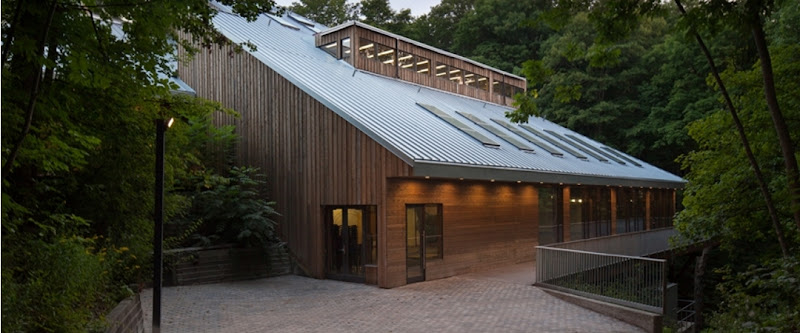
Kortright Centre for Conservation
About Kortright Centre for Conservation
Description
The Kortright Centre for Conservation is one of those places that quietly surprises you. It’s not flashy, not overly commercial, but it has this genuine, earthy charm that pulls you in. Spread over 325 hectares of protected woodland just north of Toronto, it’s a rare pocket of calm where the hum of the city fades into birdsong and the crunch of gravel underfoot. This place is more than a pretty forest—it’s a living classroom, a nature preserve, and a gathering spot for anyone who wants to reconnect with the outdoors in a meaningful way.
What makes Kortright stand out is its mix of education and experience. It’s not just about walking through the woods; it’s about understanding them. The centre hosts programs on renewable energy, sustainability, and biodiversity that appeal to kids and adults alike. I remember the first time I went there for a maple syrup festival—there was this sweet smell of sap boiling in the sugar shack, and I learned more about trees in an hour than I had in years of city living. It’s that kind of place—where fun and learning blend naturally.
And yes, it’s incredibly peaceful. The trails wind through meadows, wetlands, and thick forests that change character with every season. In winter, the snow blankets everything in quiet stillness. Come spring, the maple trees drip with syrup and the air smells faintly of earth and new life. In summer, the canopy offers a cool refuge, while autumn turns the entire landscape into a painter’s palette of gold and crimson. You can’t help but pause and breathe a little deeper here.
Key Features
- Extensive Trail Network: Over 16 kilometers of well-maintained hiking trails that cater to all skill levels, from casual walkers to avid nature enthusiasts.
- Educational Programs: Hands-on workshops and guided tours focused on conservation, renewable energy, and sustainable living—ideal for families, school groups, and curious travelers.
- Seasonal Festivals: The annual maple syrup festival is a local favorite, drawing crowds eager to taste fresh syrup and learn about traditional tapping methods.
- Renewable Energy Demonstrations: Interactive exhibits on solar, wind, and geothermal energy that make complex environmental topics accessible and engaging.
- Wildlife Observation: A haven for birdwatchers and photographers, with sightings of owls, deer, and countless native species throughout the year.
- Event Venue: A popular location for weddings, corporate retreats, and outdoor events, offering a natural backdrop that feels both serene and inspiring.
- Accessibility: Wheelchair-accessible entrances and parking make it welcoming for visitors of all abilities.
- Family-Friendly Facilities: Picnic areas, restrooms, and educational play zones designed to keep younger visitors entertained and learning.
One of the things I personally love about Kortright is that it doesn’t try too hard. It’s not about polished perfection—it’s about authenticity. The trails are clean but still feel wild. The staff are knowledgeable but approachable. And the programs? They’re designed to make you think, not just pass the time. Whether you’re a parent looking for a wholesome weekend activity or a solo traveler craving quiet reflection, there’s something grounding about being here.
Best Time to Visit
Honestly, there’s no wrong time to visit the Kortright Centre, but each season offers its own kind of magic. If you’re after that postcard-perfect scenery, fall is unbeatable. The forest canopy glows with fiery oranges and deep reds, and the trails are crisp underfoot. It’s also less crowded than in the summer, which makes it perfect for photography or a peaceful stroll.
Spring is when the centre truly comes alive. The maple syrup festival is a highlight—you can watch sap being boiled down into syrup, taste fresh samples, and even try tapping a tree yourself. It’s a sweet, sticky, and surprisingly educational experience. Summer is ideal for families and campers, with outdoor programs and extended daylight hours that let you explore longer. Winter, though quieter, has its own charm. The snow-dusted trails and frozen ponds make for beautiful hikes, and the crisp air feels invigorating. Just bundle up and bring a thermos of hot chocolate—you’ll thank yourself later.
If you prefer smaller crowds, weekdays are your friend. Early mornings are especially serene; you might catch deer grazing or a woodpecker drumming in the distance. And if you’re into photography, the golden hour light filtering through the trees is nothing short of breathtaking.
How to Get There
Getting to the Kortright Centre for Conservation is fairly straightforward. It’s located just north of Toronto, making it an easy day trip whether you’re driving from the city or coming in from nearby suburbs. Most visitors arrive by car, as it allows flexibility to explore the surrounding countryside. The drive itself is pleasant—rolling hills, quiet neighborhoods, and the occasional glimpse of open fields that remind you how close nature still is to the city.
For those relying on public transportation, it’s possible but requires a bit of planning. You can take a regional bus or train to Vaughan and then grab a short taxi or rideshare to the entrance. Once you’re there, parking is ample and well-marked, and the staff are always friendly if you need directions or trail recommendations. If you’re cycling, there are bike racks available, though the final stretch of the road can be a bit hilly—consider it a warm-up for your hike!
One tip: check the weather before you go. Rain can make the trails muddy, and while that’s part of the adventure, waterproof shoes make a world of difference. Also, if you’re visiting in winter, the roads can get icy, so allow extra travel time and bring some patience. It’s worth it once you arrive.
Tips for Visiting
Here’s where a little insider knowledge comes in handy. After a few visits, I’ve learned a few things that can make your trip smoother—and more enjoyable.
- Arrive early. Morning light is gorgeous, and the trails are quieter. Plus, parking fills up fast during festivals and weekends.
- Bring snacks and water. There’s a small café on-site sometimes, but it’s best to come prepared, especially if you plan to hike for a few hours.
- Dress for the weather. The forest can get cooler than you expect, even in summer. Layers are your best friend.
- Check the event calendar. The centre hosts seasonal events—like maple syrup demos, night hikes, and nature photography workshops—that are worth timing your visit around.
- Stay on the trails. It’s tempting to wander off for that perfect photo, but staying on marked paths helps protect the fragile ecosystem (and keeps you from getting lost).
- Bring binoculars. The birdwatching here is fantastic, especially in spring and fall when migratory species pass through.
- Visit the renewable energy exhibits. Even if you’re not a science buff, they’re surprisingly engaging and interactive—great for kids and curious adults.
- Respect the quiet. This isn’t a theme park; it’s a sanctuary. Keep voices low, and you’ll notice more—like the rustle of leaves or the call of a distant owl.
And if you’re the type who likes to linger, bring a journal or sketchbook. There’s something about sitting under those tall maples, jotting down thoughts or doodling the scenery, that feels almost meditative. I’ve done it more than once, usually with a thermos of coffee and a granola bar, just soaking in the stillness. It’s the kind of place that makes you slow down without even realizing it.
For families, the centre is a gem. Kids can learn about ecosystems, energy, and wildlife in a hands-on way that feels more like play than education. The staff are patient and passionate, and you can tell they genuinely care about what they do. For couples, it’s a romantic escape from the city noise—especially in autumn, when the trails glow in warm colors. And for solo travelers, it’s a chance to unplug, breathe, and maybe find a bit of clarity in the quiet.
In the end, the Kortright Centre for Conservation isn’t just a destination—it’s a reminder. A reminder that nature and learning can coexist beautifully, that sustainability doesn’t have to be complicated, and that sometimes, the best adventures are the simple ones. Whether you’re coming for a few hours or a full day, you’ll leave with a lighter mind and probably a few muddy footprints. And honestly, that’s the best kind of souvenir.
Key Features
- Key Features
- Best Time to Visit
- How to Get There
- Tips for Visiting
More Details
Updated November 10, 2025
Table of Contents
Description
The Kortright Centre for Conservation is one of those places that quietly surprises you. It’s not flashy, not overly commercial, but it has this genuine, earthy charm that pulls you in. Spread over 325 hectares of protected woodland just north of Toronto, it’s a rare pocket of calm where the hum of the city fades into birdsong and the crunch of gravel underfoot. This place is more than a pretty forest—it’s a living classroom, a nature preserve, and a gathering spot for anyone who wants to reconnect with the outdoors in a meaningful way.
What makes Kortright stand out is its mix of education and experience. It’s not just about walking through the woods; it’s about understanding them. The centre hosts programs on renewable energy, sustainability, and biodiversity that appeal to kids and adults alike. I remember the first time I went there for a maple syrup festival—there was this sweet smell of sap boiling in the sugar shack, and I learned more about trees in an hour than I had in years of city living. It’s that kind of place—where fun and learning blend naturally.
And yes, it’s incredibly peaceful. The trails wind through meadows, wetlands, and thick forests that change character with every season. In winter, the snow blankets everything in quiet stillness. Come spring, the maple trees drip with syrup and the air smells faintly of earth and new life. In summer, the canopy offers a cool refuge, while autumn turns the entire landscape into a painter’s palette of gold and crimson. You can’t help but pause and breathe a little deeper here.
Key Features
- Extensive Trail Network: Over 16 kilometers of well-maintained hiking trails that cater to all skill levels, from casual walkers to avid nature enthusiasts.
- Educational Programs: Hands-on workshops and guided tours focused on conservation, renewable energy, and sustainable living—ideal for families, school groups, and curious travelers.
- Seasonal Festivals: The annual maple syrup festival is a local favorite, drawing crowds eager to taste fresh syrup and learn about traditional tapping methods.
- Renewable Energy Demonstrations: Interactive exhibits on solar, wind, and geothermal energy that make complex environmental topics accessible and engaging.
- Wildlife Observation: A haven for birdwatchers and photographers, with sightings of owls, deer, and countless native species throughout the year.
- Event Venue: A popular location for weddings, corporate retreats, and outdoor events, offering a natural backdrop that feels both serene and inspiring.
- Accessibility: Wheelchair-accessible entrances and parking make it welcoming for visitors of all abilities.
- Family-Friendly Facilities: Picnic areas, restrooms, and educational play zones designed to keep younger visitors entertained and learning.
One of the things I personally love about Kortright is that it doesn’t try too hard. It’s not about polished perfection—it’s about authenticity. The trails are clean but still feel wild. The staff are knowledgeable but approachable. And the programs? They’re designed to make you think, not just pass the time. Whether you’re a parent looking for a wholesome weekend activity or a solo traveler craving quiet reflection, there’s something grounding about being here.
Best Time to Visit
Honestly, there’s no wrong time to visit the Kortright Centre, but each season offers its own kind of magic. If you’re after that postcard-perfect scenery, fall is unbeatable. The forest canopy glows with fiery oranges and deep reds, and the trails are crisp underfoot. It’s also less crowded than in the summer, which makes it perfect for photography or a peaceful stroll.
Spring is when the centre truly comes alive. The maple syrup festival is a highlight—you can watch sap being boiled down into syrup, taste fresh samples, and even try tapping a tree yourself. It’s a sweet, sticky, and surprisingly educational experience. Summer is ideal for families and campers, with outdoor programs and extended daylight hours that let you explore longer. Winter, though quieter, has its own charm. The snow-dusted trails and frozen ponds make for beautiful hikes, and the crisp air feels invigorating. Just bundle up and bring a thermos of hot chocolate—you’ll thank yourself later.
If you prefer smaller crowds, weekdays are your friend. Early mornings are especially serene; you might catch deer grazing or a woodpecker drumming in the distance. And if you’re into photography, the golden hour light filtering through the trees is nothing short of breathtaking.
How to Get There
Getting to the Kortright Centre for Conservation is fairly straightforward. It’s located just north of Toronto, making it an easy day trip whether you’re driving from the city or coming in from nearby suburbs. Most visitors arrive by car, as it allows flexibility to explore the surrounding countryside. The drive itself is pleasant—rolling hills, quiet neighborhoods, and the occasional glimpse of open fields that remind you how close nature still is to the city.
For those relying on public transportation, it’s possible but requires a bit of planning. You can take a regional bus or train to Vaughan and then grab a short taxi or rideshare to the entrance. Once you’re there, parking is ample and well-marked, and the staff are always friendly if you need directions or trail recommendations. If you’re cycling, there are bike racks available, though the final stretch of the road can be a bit hilly—consider it a warm-up for your hike!
One tip: check the weather before you go. Rain can make the trails muddy, and while that’s part of the adventure, waterproof shoes make a world of difference. Also, if you’re visiting in winter, the roads can get icy, so allow extra travel time and bring some patience. It’s worth it once you arrive.
Tips for Visiting
Here’s where a little insider knowledge comes in handy. After a few visits, I’ve learned a few things that can make your trip smoother—and more enjoyable.
- Arrive early. Morning light is gorgeous, and the trails are quieter. Plus, parking fills up fast during festivals and weekends.
- Bring snacks and water. There’s a small café on-site sometimes, but it’s best to come prepared, especially if you plan to hike for a few hours.
- Dress for the weather. The forest can get cooler than you expect, even in summer. Layers are your best friend.
- Check the event calendar. The centre hosts seasonal events—like maple syrup demos, night hikes, and nature photography workshops—that are worth timing your visit around.
- Stay on the trails. It’s tempting to wander off for that perfect photo, but staying on marked paths helps protect the fragile ecosystem (and keeps you from getting lost).
- Bring binoculars. The birdwatching here is fantastic, especially in spring and fall when migratory species pass through.
- Visit the renewable energy exhibits. Even if you’re not a science buff, they’re surprisingly engaging and interactive—great for kids and curious adults.
- Respect the quiet. This isn’t a theme park; it’s a sanctuary. Keep voices low, and you’ll notice more—like the rustle of leaves or the call of a distant owl.
And if you’re the type who likes to linger, bring a journal or sketchbook. There’s something about sitting under those tall maples, jotting down thoughts or doodling the scenery, that feels almost meditative. I’ve done it more than once, usually with a thermos of coffee and a granola bar, just soaking in the stillness. It’s the kind of place that makes you slow down without even realizing it.
For families, the centre is a gem. Kids can learn about ecosystems, energy, and wildlife in a hands-on way that feels more like play than education. The staff are patient and passionate, and you can tell they genuinely care about what they do. For couples, it’s a romantic escape from the city noise—especially in autumn, when the trails glow in warm colors. And for solo travelers, it’s a chance to unplug, breathe, and maybe find a bit of clarity in the quiet.
In the end, the Kortright Centre for Conservation isn’t just a destination—it’s a reminder. A reminder that nature and learning can coexist beautifully, that sustainability doesn’t have to be complicated, and that sometimes, the best adventures are the simple ones. Whether you’re coming for a few hours or a full day, you’ll leave with a lighter mind and probably a few muddy footprints. And honestly, that’s the best kind of souvenir.
Key Highlights
- Key Features
- Best Time to Visit
- How to Get There
- Tips for Visiting
Location
Places to Stay Near Kortright Centre for Conservation
Find and Book a Tour
Explore More Travel Guides
No reviews found! Be the first to review!
Traveler Reviews for Kortright Centre for Conservation
There are no reviews yet. Be the first one to write one.
Have you visited Kortright Centre for Conservation? Help other travelers by sharing your review.
You Might Also Like

Muse Paintbar - Woodbridge

Woodbridge

Potomac Mills
Find Accommodations Nearby
Recommended Tours & Activities
Visitor Reviews
There are no reviews yet. Be the first one to write one.
Share Your Experience
Have you visited Kortright Centre for Conservation? Help other travelers by leaving a review.