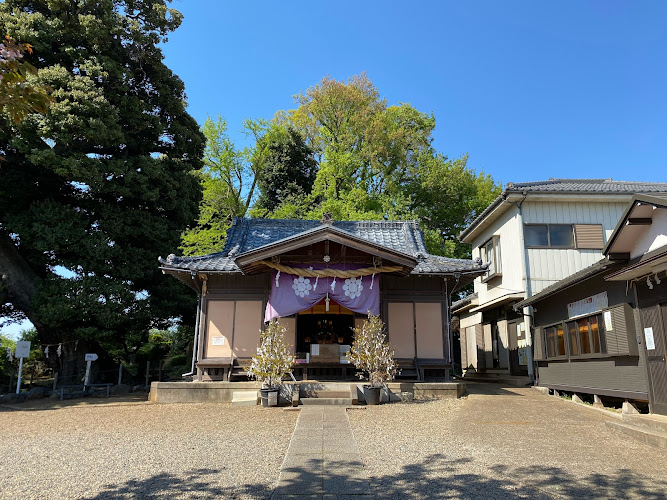
About Kokonoe Shrine

Description

Kokonoe Shrine stands as one of those places that doesn't necessarily scream for attention in guidebooks, yet manages to leave an impression on those who make the journey. This Shinto shrine draws visitors who appreciate the quieter side of spiritual tourism in Japan – the kind where you're not jostling for photo opportunities or following a sea of tour groups. The shrine presents itself as an authentic slice of Japanese religious culture, the type of place where locals still come to pray and make offerings as part of their daily routines. You'll find it operates primarily as a working shrine rather than a tourist showpiece, which gives it a certain genuineness that's becoming harder to find these days. And honestly, that's part of its charm – though I'll admit upfront that this authenticity comes with some trade-offs that might not suit every traveler's expectations. Walking through the grounds, visitors experience the traditional architecture and spiritual atmosphere that characterizes Shinto sites across Japan. The shrine offers shuin (temple stamps and calligraphy), which has become quite popular among travelers collecting these artistic mementos from their shrine visits. It's a practice I've always found meditative – watching the priest carefully inscribe the date and shrine name with practiced brush strokes. But here's where I need to level with you: Kokonoe Shrine isn't going to be the highlight of everyone's Japan itinerary. It serves a specific audience – those seeking spiritual experiences, cultural immersion, or a respite from the more commercial tourist circuits. If you're expecting elaborate gardens, extensive grounds, or Instagram-worthy architecture at every turn, you might come away feeling a bit underwhelmed.

Key Features

  • Traditional Shinto shrine architecture that reflects centuries of religious practice and architectural tradition
  • Shuin services available for collectors of temple and shrine stamps, offering beautifully calligraphed commemorative inscriptions
  • Authentic local worship atmosphere where you can observe genuine religious practices rather than staged tourist experiences
  • Restroom facilities available on-site for visitor convenience during your exploration
  • Smaller, more intimate grounds that allow for personal reflection without overwhelming crowds
  • Active shrine operations where you might witness traditional ceremonies, prayers, and offerings by local worshippers
  • Opportunities to participate in standard Shinto practices like purification rituals and prayer protocols
  • Less commercialized environment compared to major tourist shrines in metropolitan areas

Best Time to Visit

Timing your visit to Kokonoe Shrine requires thinking about what you want from the experience. The shrine operates year-round, but different seasons bring distinctly different atmospheres. Early morning visits, particularly on weekdays, offer the most peaceful experience. I've found that arriving shortly after opening means you'll likely have the grounds mostly to yourself – perfect for photography or quiet contemplation. The priests are usually present during morning hours too, which is essential if you're hoping to receive a shuin. Spring brings the usual cherry blossom considerations, though the shrine isn't particularly famous for sakura viewing. Still, if you're in the area during late March to early April, you might catch some blooms that frame the shrine buildings nicely. The temperature's comfortable for walking, and you won't deal with summer's humidity. Summer can be challenging. Japanese summers don't mess around with the heat and humidity, and shrine grounds without extensive tree coverage can feel pretty oppressive by midday. If you're visiting during June through August, stick to early morning or late afternoon visits. Though honestly, the mosquitoes during this period can be pretty aggressive around shrine grounds. Autumn – now that's when many shrines really shine. September through November brings cooler temperatures and sometimes spectacular foliage, depending on the specific trees surrounding the shrine. The autumn festival season also means you might catch special ceremonies or celebrations. Winter visits have their own appeal. The crowds thin out considerably, and there's something special about a shrine dusted with snow. New Year's period (hatsumode) is the major exception – shrines across Japan become packed with people making their first prayers of the year. Unless you specifically want that experience, avoid the first few days of January. Weekends naturally see more visitors, though "crowded" at Kokonoe Shrine is relative compared to major tourist destinations. You'll encounter more families and local worshippers on Saturdays and Sundays, which actually adds to the authentic atmosphere if you don't mind sharing the space.

How to Get There

Getting to Kokonoe Shrine requires some planning since it's not one of those places you'll accidentally stumble upon while wandering major tourist districts. The shrine's location means you'll need to be somewhat intentional about your visit. Public transportation serves the area, though you'll want to research the specific train or bus routes beforehand. Japan's transportation system is remarkably efficient, but getting to smaller shrines often involves transfers or bus connections that aren't immediately obvious to foreign visitors. Download a Japanese transit app before your trip – seriously, this makes navigating so much easier. For those comfortable with Japanese trains, you'll likely need to take a local line rather than the major express routes. The walk from the nearest station varies depending on your route, but expect anywhere from 10 to 20 minutes of walking. Bring comfortable shoes because you'll be doing some hoofing it on regular sidewalks and potentially some inclines. Buses might serve the area more directly, though bus systems in Japan can be intimidating for foreign travelers. The route numbers, schedules, and payment systems differ from trains. If you're up for the challenge, buses often drop you closer to the actual shrine entrance. Just make sure you've got your destination written in Japanese characters to show the driver if needed. Taxis are always an option, particularly if you're traveling with companions to split the fare. Show the driver the shrine's name in Japanese, and they'll get you there directly. The convenience factor is high, though obviously more expensive than public transit. Driving yourself is possible if you've rented a car and feel confident navigating Japanese roads. Parking exists but – and this is important – it's not wheelchair accessible. Actually, that brings up a crucial point about accessibility overall. The shrine doesn't offer wheelchair accessible entrances or parking, which significantly limits access for visitors with mobility challenges. This is unfortunately common at older religious sites in Japan, where historical architecture wasn't designed with modern accessibility standards in mind. It's worth knowing this upfront if you or your traveling companions have mobility concerns.

Tips for Visiting

Let me share some practical advice that'll help you make the most of your visit to Kokonoe Shrine, based on what tends to trip up visitors. First off, dress respectfully but comfortably. This is an active religious site, not a museum. Shoulders and knees covered is the general rule, though enforcement is usually pretty relaxed at smaller shrines. That said, showing respect through modest dress just feels right when you're entering someone's sacred space. And wear shoes you can easily slip on and off – you won't need to remove them for the shrine itself, but comfortable walking shoes are essential. Bring cash. Japan runs on cash way more than most Western countries, and smaller shrines definitely don't take credit cards. You'll need coins for offerings, and if you want a shuin, those require payment too – usually around 300-500 yen. Having exact change makes everything smoother. Learn basic shrine etiquette before you go. The purification ritual at the water basin (temizuya) follows specific steps – cleanse left hand, right hand, rinse mouth, then cleanse the ladle handle. At the main shrine, the standard practice is bow twice, clap twice, bow once. You don't have to be perfect, but making the effort shows respect. Photography is generally allowed at shrine grounds, but use common sense. Don't photograph people who are actively praying. Don't use flash inside buildings. And if you see signs prohibiting photography in certain areas, respect them. I've seen too many tourists ignore these requests, and it's just rude. The restroom facilities exist, which is great, but don't expect Western-style toilets necessarily. Many shrines have traditional Japanese squat toilets. If that's not your thing, use the restroom before you arrive. Timing your visit for shuin collection matters. The priests aren't always available throughout the day, and they typically have specific hours for providing these calligraphic stamps. Arriving during mid-morning hours generally gives you the best chance of finding someone available. Bring your shuin book if you're collecting, or they can provide the calligraphy on special paper. Don't expect English signage or English-speaking staff. This is a local shrine serving primarily Japanese worshippers. A translation app on your phone can help with any written information you encounter. Better yet, learn a few basic Japanese phrases – it goes a long way toward positive interactions. The lack of accessibility features means this shrine simply isn't suitable for everyone. If you use a wheelchair or have significant mobility limitations, the shrine's physical layout will present genuine barriers. It's frustrating, but being realistic about this helps avoid disappointment. Weather preparation is crucial. There's limited shelter from rain or harsh sun. Bring an umbrella that can serve double duty for rain or shade. In summer, a hat and sunscreen are essential. Winter visits require warm layers. Set realistic expectations about what you'll experience. Kokonoe Shrine offers authenticity and spiritual atmosphere, but it's not going to compete with famous sites like Fushimi Inari or Meiji Shrine for grandeur or amenities. If you appreciate the quieter, more genuine aspects of shrine culture, you'll find value here. If you're checking boxes on a "must-see" list, your time might be better spent elsewhere. Consider combining your visit with other attractions in the area rather than making this your sole destination for the day. The shrine visit itself might only take 30 minutes to an hour unless you're spending time in meditation or prayer. Finally, approach your visit with an open mind and respectful curiosity. Shinto shrines aren't museums – they're living religious sites where people come to connect with the divine. Your presence as a visitor is generally welcomed, but remember you're essentially a guest in someone's house of worship. That mindset will serve you well and likely lead to a more meaningful experience.

Key Features

  • Kyoho-era origins with local historical ties
  • Compact, peaceful shrine grounds ideal for quiet reflection
  • Distinctive sacred tree (sudajii) and mature greenery
  • Traditional Shinto architecture including torii and honden
  • Close relationship with nearby Mitsuzō-in temple and local festivals

More Details

Updated March 30, 2026

Description

Kokonoe Shrine stands as one of those places that doesn’t necessarily scream for attention in guidebooks, yet manages to leave an impression on those who make the journey. This Shinto shrine draws visitors who appreciate the quieter side of spiritual tourism in Japan – the kind where you’re not jostling for photo opportunities or following a sea of tour groups.

The shrine presents itself as an authentic slice of Japanese religious culture, the type of place where locals still come to pray and make offerings as part of their daily routines. You’ll find it operates primarily as a working shrine rather than a tourist showpiece, which gives it a certain genuineness that’s becoming harder to find these days. And honestly, that’s part of its charm – though I’ll admit upfront that this authenticity comes with some trade-offs that might not suit every traveler’s expectations.

Walking through the grounds, visitors experience the traditional architecture and spiritual atmosphere that characterizes Shinto sites across Japan. The shrine offers shuin (temple stamps and calligraphy), which has become quite popular among travelers collecting these artistic mementos from their shrine visits. It’s a practice I’ve always found meditative – watching the priest carefully inscribe the date and shrine name with practiced brush strokes.

But here’s where I need to level with you: Kokonoe Shrine isn’t going to be the highlight of everyone’s Japan itinerary. It serves a specific audience – those seeking spiritual experiences, cultural immersion, or a respite from the more commercial tourist circuits. If you’re expecting elaborate gardens, extensive grounds, or Instagram-worthy architecture at every turn, you might come away feeling a bit underwhelmed.

Key Features

  • Traditional Shinto shrine architecture that reflects centuries of religious practice and architectural tradition
  • Shuin services available for collectors of temple and shrine stamps, offering beautifully calligraphed commemorative inscriptions
  • Authentic local worship atmosphere where you can observe genuine religious practices rather than staged tourist experiences
  • Restroom facilities available on-site for visitor convenience during your exploration
  • Smaller, more intimate grounds that allow for personal reflection without overwhelming crowds
  • Active shrine operations where you might witness traditional ceremonies, prayers, and offerings by local worshippers
  • Opportunities to participate in standard Shinto practices like purification rituals and prayer protocols
  • Less commercialized environment compared to major tourist shrines in metropolitan areas

Best Time to Visit

Timing your visit to Kokonoe Shrine requires thinking about what you want from the experience. The shrine operates year-round, but different seasons bring distinctly different atmospheres.

Early morning visits, particularly on weekdays, offer the most peaceful experience. I’ve found that arriving shortly after opening means you’ll likely have the grounds mostly to yourself – perfect for photography or quiet contemplation. The priests are usually present during morning hours too, which is essential if you’re hoping to receive a shuin.

Spring brings the usual cherry blossom considerations, though the shrine isn’t particularly famous for sakura viewing. Still, if you’re in the area during late March to early April, you might catch some blooms that frame the shrine buildings nicely. The temperature’s comfortable for walking, and you won’t deal with summer’s humidity.

Summer can be challenging. Japanese summers don’t mess around with the heat and humidity, and shrine grounds without extensive tree coverage can feel pretty oppressive by midday. If you’re visiting during June through August, stick to early morning or late afternoon visits. Though honestly, the mosquitoes during this period can be pretty aggressive around shrine grounds.

Autumn – now that’s when many shrines really shine. September through November brings cooler temperatures and sometimes spectacular foliage, depending on the specific trees surrounding the shrine. The autumn festival season also means you might catch special ceremonies or celebrations.

Winter visits have their own appeal. The crowds thin out considerably, and there’s something special about a shrine dusted with snow. New Year’s period (hatsumode) is the major exception – shrines across Japan become packed with people making their first prayers of the year. Unless you specifically want that experience, avoid the first few days of January.

Weekends naturally see more visitors, though “crowded” at Kokonoe Shrine is relative compared to major tourist destinations. You’ll encounter more families and local worshippers on Saturdays and Sundays, which actually adds to the authentic atmosphere if you don’t mind sharing the space.

How to Get There

Getting to Kokonoe Shrine requires some planning since it’s not one of those places you’ll accidentally stumble upon while wandering major tourist districts. The shrine’s location means you’ll need to be somewhat intentional about your visit.

Public transportation serves the area, though you’ll want to research the specific train or bus routes beforehand. Japan’s transportation system is remarkably efficient, but getting to smaller shrines often involves transfers or bus connections that aren’t immediately obvious to foreign visitors. Download a Japanese transit app before your trip – seriously, this makes navigating so much easier.

For those comfortable with Japanese trains, you’ll likely need to take a local line rather than the major express routes. The walk from the nearest station varies depending on your route, but expect anywhere from 10 to 20 minutes of walking. Bring comfortable shoes because you’ll be doing some hoofing it on regular sidewalks and potentially some inclines.

Buses might serve the area more directly, though bus systems in Japan can be intimidating for foreign travelers. The route numbers, schedules, and payment systems differ from trains. If you’re up for the challenge, buses often drop you closer to the actual shrine entrance. Just make sure you’ve got your destination written in Japanese characters to show the driver if needed.

Taxis are always an option, particularly if you’re traveling with companions to split the fare. Show the driver the shrine’s name in Japanese, and they’ll get you there directly. The convenience factor is high, though obviously more expensive than public transit.

Driving yourself is possible if you’ve rented a car and feel confident navigating Japanese roads. Parking exists but – and this is important – it’s not wheelchair accessible. Actually, that brings up a crucial point about accessibility overall.

The shrine doesn’t offer wheelchair accessible entrances or parking, which significantly limits access for visitors with mobility challenges. This is unfortunately common at older religious sites in Japan, where historical architecture wasn’t designed with modern accessibility standards in mind. It’s worth knowing this upfront if you or your traveling companions have mobility concerns.

Tips for Visiting

Let me share some practical advice that’ll help you make the most of your visit to Kokonoe Shrine, based on what tends to trip up visitors.

First off, dress respectfully but comfortably. This is an active religious site, not a museum. Shoulders and knees covered is the general rule, though enforcement is usually pretty relaxed at smaller shrines. That said, showing respect through modest dress just feels right when you’re entering someone’s sacred space. And wear shoes you can easily slip on and off – you won’t need to remove them for the shrine itself, but comfortable walking shoes are essential.

Bring cash. Japan runs on cash way more than most Western countries, and smaller shrines definitely don’t take credit cards. You’ll need coins for offerings, and if you want a shuin, those require payment too – usually around 300-500 yen. Having exact change makes everything smoother.

Learn basic shrine etiquette before you go. The purification ritual at the water basin (temizuya) follows specific steps – cleanse left hand, right hand, rinse mouth, then cleanse the ladle handle. At the main shrine, the standard practice is bow twice, clap twice, bow once. You don’t have to be perfect, but making the effort shows respect.

Photography is generally allowed at shrine grounds, but use common sense. Don’t photograph people who are actively praying. Don’t use flash inside buildings. And if you see signs prohibiting photography in certain areas, respect them. I’ve seen too many tourists ignore these requests, and it’s just rude.

The restroom facilities exist, which is great, but don’t expect Western-style toilets necessarily. Many shrines have traditional Japanese squat toilets. If that’s not your thing, use the restroom before you arrive.

Timing your visit for shuin collection matters. The priests aren’t always available throughout the day, and they typically have specific hours for providing these calligraphic stamps. Arriving during mid-morning hours generally gives you the best chance of finding someone available. Bring your shuin book if you’re collecting, or they can provide the calligraphy on special paper.

Don’t expect English signage or English-speaking staff. This is a local shrine serving primarily Japanese worshippers. A translation app on your phone can help with any written information you encounter. Better yet, learn a few basic Japanese phrases – it goes a long way toward positive interactions.

The lack of accessibility features means this shrine simply isn’t suitable for everyone. If you use a wheelchair or have significant mobility limitations, the shrine’s physical layout will present genuine barriers. It’s frustrating, but being realistic about this helps avoid disappointment.

Weather preparation is crucial. There’s limited shelter from rain or harsh sun. Bring an umbrella that can serve double duty for rain or shade. In summer, a hat and sunscreen are essential. Winter visits require warm layers.

Set realistic expectations about what you’ll experience. Kokonoe Shrine offers authenticity and spiritual atmosphere, but it’s not going to compete with famous sites like Fushimi Inari or Meiji Shrine for grandeur or amenities. If you appreciate the quieter, more genuine aspects of shrine culture, you’ll find value here. If you’re checking boxes on a “must-see” list, your time might be better spent elsewhere.

Consider combining your visit with other attractions in the area rather than making this your sole destination for the day. The shrine visit itself might only take 30 minutes to an hour unless you’re spending time in meditation or prayer.

Finally, approach your visit with an open mind and respectful curiosity. Shinto shrines aren’t museums – they’re living religious sites where people come to connect with the divine. Your presence as a visitor is generally welcomed, but remember you’re essentially a guest in someone’s house of worship. That mindset will serve you well and likely lead to a more meaningful experience.

Key Highlights

  • Kyoho-era origins with local historical ties
  • Compact, peaceful shrine grounds ideal for quiet reflection
  • Distinctive sacred tree (sudajii) and mature greenery
  • Traditional Shinto architecture including torii and honden
  • Close relationship with nearby Mitsuzō-in temple and local festivals

Location

Places to Stay Near Kokonoe Shrine

Find and Book a Tour

Explore More Travel Guides

No reviews found! Be the first to review!

Kokonoe Shrine is a prominent attractions located in Kawaguchi.

Visit us at: 2042 Angyohara, Kawaguchi, Saitama 334-0057, Japon.

Traveler Reviews for Kokonoe Shrine

There are no reviews yet. Be the first one to write one.

Share Your Experience

Have you visited Kokonoe Shrine? Help other travelers by sharing your review.

Nearby Attractions

Mitsuzō-in Temple Kawaguchi local community shrines and historic streets Kawaguchi green spaces and riverwalks

Find Accommodations Nearby

Recommended Tours & Activities

Visitor Reviews

There are no reviews yet. Be the first one to write one.

Share Your Experience

Have you visited Kokonoe Shrine? Help other travelers by leaving a review.