
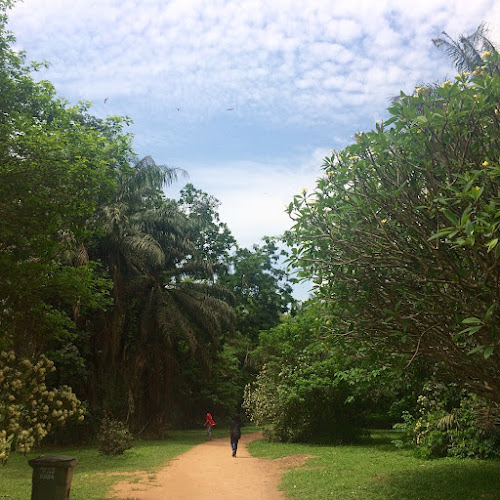
KNUST Botanical Garden
About KNUST Botanical Garden
Description
The KNUST Botanical Garden in Kumasi, Ghana, is one of those places that quietly surprises you. Located within the lively campus of the Kwame Nkrumah University of Science and Technology, the garden feels like a calm pocket of green tucked inside the city’s pulse. People often come here expecting a quick walk and end up spending hours sitting under the shade of giant trees, watching the light play through the leaves. There’s something genuinely grounding about being surrounded by hundreds of plant species, many native to the Ashanti Region and others from across Africa and beyond.
What’s interesting is that although it’s a learning space for students of science and technology, it’s also a public attraction where locals, travelers, and families gather for a bit of rest and perhaps a picnic. On any given weekend, you might spot university students carrying out research alongside a group of children chasing butterflies. The mix of purposes – education, conservation, and simple recreation – makes the KNUST Botanical Garden a multifaceted destination. It’s not as flashy as some tourist parks, but it offers authentic experiences: the sound of birds, the scent of damp earth, and, yes, the occasional stray dog peacefully napping near a bench.
In all fairness, not every corner is perfectly maintained. Some paths can feel a bit wild or overgrown at times, which I personally find adds to its raw charm, though others might wish for more manicured trails. Yet that’s part of its appeal – it feels real. It’s an evolving space, shaped by use, time, and the deeply human desire to connect with nature. Visitors leave with mixed but mostly positive impressions, and those who appreciate peace, learning, and natural beauty tend to return again and again. For travelers looking to explore a quieter side of Kumasi, this garden provides a refreshing pause between the city’s cultural and historical adventures.
Key Features
- Diverse Plant Species: The garden showcases a wide range of tropical and indigenous plants that represent the biodiversity of Ghana and West Africa.
- Educational Purpose: As part of the Kwame Nkrumah University of Science and Technology, it serves as a field site for research and environmental education.
- Picnic and Recreation Areas: Shaded lawns and open spaces make it a popular spot for picnics, casual meetups, and quiet reflection.
- Good for Families and Kids: Safe, open areas where children can explore nature firsthand without the bustle of the city.
- Pet-Friendly Environment: Visitors are welcome to bring dogs, provided they’re well-behaved and supervised.
- Public Restrooms: Convenient facilities are available for day visitors and travelers.
- Conservation Initiatives: Ongoing efforts to protect plant life and promote botanical research within the Ashanti Region.
- Outdoor Events: Occasionally used for cultural or environmental events hosted by students and local organizations.
It’s worth noting that what makes this place truly special isn’t just what’s listed on a map—it’s the atmosphere. You’ll feel the slow rhythm of the trees, the background hum of academic life, and maybe a faint sense that you’re standing somewhere that’s been carefully cultivated to honor Ghana’s natural heritage. Many visitors find the garden comforting, while others see it as an inspiring educational site that highlights the importance of preserving the environment.
Best Time to Visit
The best time to visit the KNUST Botanical Garden is during the dry season, typically from November to March. The weather then is warm but manageable, and the paths are easier to navigate without muddy patches. Morning visits are particularly rewarding; the air is crisp, the birds are most active, and you can walk around without the intense midday heat. Evenings are also beautiful, especially if you enjoy cooler breezes and the sound of the forest settling in for the night. During the rainy season, from April to October, the garden transforms into a lush, deep green wonderland — breathtaking but sometimes tricky if you’re not a fan of damp shoes.
If you’re a photographer or a nature enthusiast, plan your visit just after a rainfall. The light filtering through the moisture in the air gives everything a slightly magical feel. The colors pop — greens become deeper, and even the tree trunks take on a richer hue. I once went after a heavy morning rain, and the mist rising over the ponds made it feel like walking through an African rainforest diorama come to life. Just be warned, mosquitoes seem to think the same time is perfect for their own outings, so bring repellent!
How to Get There
The KNUST Botanical Garden sits inside the main campus of the Kwame Nkrumah University of Science and Technology in Kumasi, in Ghana’s Ashanti Region. Getting there isn’t complicated, and that’s one of its perks. If you’re already in the Kumasi city area, a taxi ride or a ride-hailing service can drop you right at the campus gate. From there, you can walk or hire a motorbike taxi to the garden entrance. The roadways within the campus are well-kept, and there are directional signs that guide you straight to the site.
For those traveling from outside Kumasi, you can reach the city via bus or flight from Accra. Once in Kumasi, local transport services frequently head toward the university. It’s a good idea to mention “the KNUST Botanical Garden” specifically to drivers, as the campus is quite large and can be confusing for first-timers. The garden is relatively close to other attractions in Kumasi, which makes it easy to include as part of a day tour exploring the region’s historical and cultural landmarks.
Walking there is also an option if you’re staying nearby. The path toward the garden winds past parts of the KNUST campus, giving you a sense of student life and the academic energy that fuels the institution. In the mornings, you’ll see students heading to lectures, and in the afternoons, groups relaxing under big acacia trees with books or music playing softly. There’s a welcoming feel here — it’s both scholarly and serene.
Tips for Visiting
Here’s where a bit of practical planning pays off. The KNUST Botanical Garden might look effortless, but to enjoy it fully, keep a few things in mind:
- Wear comfortable footwear. Some paths are unpaved, and the terrain can be uneven, especially after rain.
- Bring water and snacks. While there are restrooms, food options within the garden area are limited, so pack what you’ll need for a picnic.
- Carry insect repellent. The lush vegetation attracts insects — it’s part of life in a tropical garden.
- Visit early. Morning visits let you enjoy cooler temperatures and a peaceful atmosphere before university activities pick up.
- Respect the environment. Avoid picking plants or leaving litter behind. The garden’s goal is sustainability and conservation.
- Bring your camera. Whether it’s the sunlight filtering through tree canopies or the detail of local plant species, there’s plenty worth capturing.
- Ask questions. If you happen to meet university staff or students conducting research, they’re often willing to share fascinating insights about the flora and their ecological significance.
Some visitors like to use the garden as a backdrop for small gatherings or creative events — from student photography projects to yoga sessions under the trees. The space seems to invite quiet creativity. Dogs are welcome, too, which, as a dog lover myself, feels like a big plus. Just ensure they’re leashed and under control because the garden is still an academic environment first and foremost.
Travelers often remark that this site offers a slightly different experience compared to other popular attractions in Kumasi. It’s less about crowds and more about reflection, learning, and connection. Indeed, that’s where its charm lies. I’ve always thought of the KNUST Botanical Garden as a kind of living classroom — not only for the university’s students but also for any visitor who slows down enough to appreciate nature’s quiet intelligence. It encourages mindfulness, curiosity, and maybe even a newfound respect for the sciences and conservation work being done in Ghana.
All in all, visiting the KNUST Botanical Garden gives you insight into both the natural and intellectual life of Kumasi. Whether you’re there to study plant species, take photos, enjoy time with family, or simply rest under a tree, you’ll leave feeling that you’ve connected — briefly but meaningfully — with a corner of Ghana that’s alive with both history and growth.
Key Features
- Key Features
- Best Time to Visit
- How to Get There
- Tips for Visiting
More Details
Updated October 20, 2025
Table of Contents
Description
The KNUST Botanical Garden in Kumasi, Ghana, is one of those places that quietly surprises you. Located within the lively campus of the Kwame Nkrumah University of Science and Technology, the garden feels like a calm pocket of green tucked inside the city’s pulse. People often come here expecting a quick walk and end up spending hours sitting under the shade of giant trees, watching the light play through the leaves. There’s something genuinely grounding about being surrounded by hundreds of plant species, many native to the Ashanti Region and others from across Africa and beyond.
What’s interesting is that although it’s a learning space for students of science and technology, it’s also a public attraction where locals, travelers, and families gather for a bit of rest and perhaps a picnic. On any given weekend, you might spot university students carrying out research alongside a group of children chasing butterflies. The mix of purposes – education, conservation, and simple recreation – makes the KNUST Botanical Garden a multifaceted destination. It’s not as flashy as some tourist parks, but it offers authentic experiences: the sound of birds, the scent of damp earth, and, yes, the occasional stray dog peacefully napping near a bench.
In all fairness, not every corner is perfectly maintained. Some paths can feel a bit wild or overgrown at times, which I personally find adds to its raw charm, though others might wish for more manicured trails. Yet that’s part of its appeal – it feels real. It’s an evolving space, shaped by use, time, and the deeply human desire to connect with nature. Visitors leave with mixed but mostly positive impressions, and those who appreciate peace, learning, and natural beauty tend to return again and again. For travelers looking to explore a quieter side of Kumasi, this garden provides a refreshing pause between the city’s cultural and historical adventures.
Key Features
- Diverse Plant Species: The garden showcases a wide range of tropical and indigenous plants that represent the biodiversity of Ghana and West Africa.
- Educational Purpose: As part of the Kwame Nkrumah University of Science and Technology, it serves as a field site for research and environmental education.
- Picnic and Recreation Areas: Shaded lawns and open spaces make it a popular spot for picnics, casual meetups, and quiet reflection.
- Good for Families and Kids: Safe, open areas where children can explore nature firsthand without the bustle of the city.
- Pet-Friendly Environment: Visitors are welcome to bring dogs, provided they’re well-behaved and supervised.
- Public Restrooms: Convenient facilities are available for day visitors and travelers.
- Conservation Initiatives: Ongoing efforts to protect plant life and promote botanical research within the Ashanti Region.
- Outdoor Events: Occasionally used for cultural or environmental events hosted by students and local organizations.
It’s worth noting that what makes this place truly special isn’t just what’s listed on a map—it’s the atmosphere. You’ll feel the slow rhythm of the trees, the background hum of academic life, and maybe a faint sense that you’re standing somewhere that’s been carefully cultivated to honor Ghana’s natural heritage. Many visitors find the garden comforting, while others see it as an inspiring educational site that highlights the importance of preserving the environment.
Best Time to Visit
The best time to visit the KNUST Botanical Garden is during the dry season, typically from November to March. The weather then is warm but manageable, and the paths are easier to navigate without muddy patches. Morning visits are particularly rewarding; the air is crisp, the birds are most active, and you can walk around without the intense midday heat. Evenings are also beautiful, especially if you enjoy cooler breezes and the sound of the forest settling in for the night. During the rainy season, from April to October, the garden transforms into a lush, deep green wonderland — breathtaking but sometimes tricky if you’re not a fan of damp shoes.
If you’re a photographer or a nature enthusiast, plan your visit just after a rainfall. The light filtering through the moisture in the air gives everything a slightly magical feel. The colors pop — greens become deeper, and even the tree trunks take on a richer hue. I once went after a heavy morning rain, and the mist rising over the ponds made it feel like walking through an African rainforest diorama come to life. Just be warned, mosquitoes seem to think the same time is perfect for their own outings, so bring repellent!
How to Get There
The KNUST Botanical Garden sits inside the main campus of the Kwame Nkrumah University of Science and Technology in Kumasi, in Ghana’s Ashanti Region. Getting there isn’t complicated, and that’s one of its perks. If you’re already in the Kumasi city area, a taxi ride or a ride-hailing service can drop you right at the campus gate. From there, you can walk or hire a motorbike taxi to the garden entrance. The roadways within the campus are well-kept, and there are directional signs that guide you straight to the site.
For those traveling from outside Kumasi, you can reach the city via bus or flight from Accra. Once in Kumasi, local transport services frequently head toward the university. It’s a good idea to mention “the KNUST Botanical Garden” specifically to drivers, as the campus is quite large and can be confusing for first-timers. The garden is relatively close to other attractions in Kumasi, which makes it easy to include as part of a day tour exploring the region’s historical and cultural landmarks.
Walking there is also an option if you’re staying nearby. The path toward the garden winds past parts of the KNUST campus, giving you a sense of student life and the academic energy that fuels the institution. In the mornings, you’ll see students heading to lectures, and in the afternoons, groups relaxing under big acacia trees with books or music playing softly. There’s a welcoming feel here — it’s both scholarly and serene.
Tips for Visiting
Here’s where a bit of practical planning pays off. The KNUST Botanical Garden might look effortless, but to enjoy it fully, keep a few things in mind:
- Wear comfortable footwear. Some paths are unpaved, and the terrain can be uneven, especially after rain.
- Bring water and snacks. While there are restrooms, food options within the garden area are limited, so pack what you’ll need for a picnic.
- Carry insect repellent. The lush vegetation attracts insects — it’s part of life in a tropical garden.
- Visit early. Morning visits let you enjoy cooler temperatures and a peaceful atmosphere before university activities pick up.
- Respect the environment. Avoid picking plants or leaving litter behind. The garden’s goal is sustainability and conservation.
- Bring your camera. Whether it’s the sunlight filtering through tree canopies or the detail of local plant species, there’s plenty worth capturing.
- Ask questions. If you happen to meet university staff or students conducting research, they’re often willing to share fascinating insights about the flora and their ecological significance.
Some visitors like to use the garden as a backdrop for small gatherings or creative events — from student photography projects to yoga sessions under the trees. The space seems to invite quiet creativity. Dogs are welcome, too, which, as a dog lover myself, feels like a big plus. Just ensure they’re leashed and under control because the garden is still an academic environment first and foremost.
Travelers often remark that this site offers a slightly different experience compared to other popular attractions in Kumasi. It’s less about crowds and more about reflection, learning, and connection. Indeed, that’s where its charm lies. I’ve always thought of the KNUST Botanical Garden as a kind of living classroom — not only for the university’s students but also for any visitor who slows down enough to appreciate nature’s quiet intelligence. It encourages mindfulness, curiosity, and maybe even a newfound respect for the sciences and conservation work being done in Ghana.
All in all, visiting the KNUST Botanical Garden gives you insight into both the natural and intellectual life of Kumasi. Whether you’re there to study plant species, take photos, enjoy time with family, or simply rest under a tree, you’ll leave feeling that you’ve connected — briefly but meaningfully — with a corner of Ghana that’s alive with both history and growth.
Key Highlights
- Key Features
- Best Time to Visit
- How to Get There
- Tips for Visiting
Location
Places to Stay Near KNUST Botanical Garden
Find and Book a Tour
Explore More Travel Guides
No reviews found! Be the first to review!
Traveler Reviews for KNUST Botanical Garden
There are no reviews yet. Be the first one to write one.
Have you visited KNUST Botanical Garden? Help other travelers by sharing your review.
You Might Also Like

Kumasi

Rattray Park

Solomon K Boadu Enterprise
Find Accommodations Nearby
Recommended Tours & Activities
Visitor Reviews
There are no reviews yet. Be the first one to write one.
Share Your Experience
Have you visited KNUST Botanical Garden? Help other travelers by leaving a review.