
Klerksdorp Museum
About Klerksdorp Museum
Description
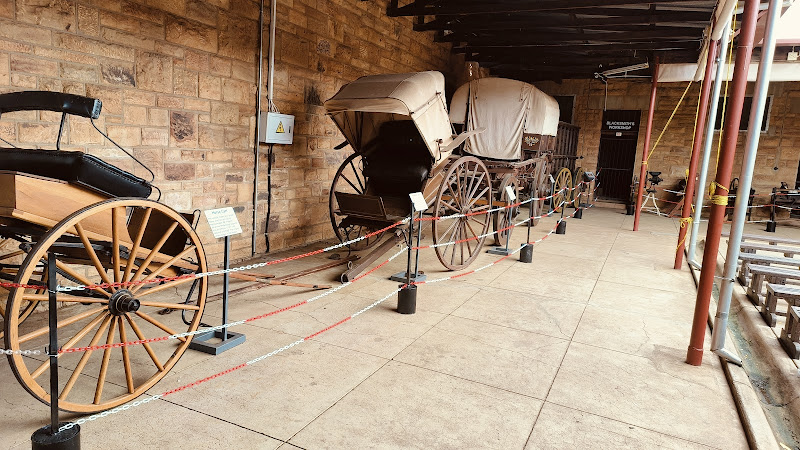
The Klerksdorp Museum is a heritage museum in Klerksdorp, South Africa, dedicated to preserving and presenting the multicultural history of the region. It focuses on local life — the stories of families, miners, farmers, and communities who shaped the North West province over the past two centuries. Visitors will find exhibits that range from domestic interiors recreated to show everyday life, to displays of tools, clothing, photographs, and objects that speak to migration, industry, and cultural exchange. In short, it tells local stories with a respectful, human touch.
The museum’s approach to interpretation is practical and audience-friendly. Panels are readable, many artifacts are labeled clearly, and the layout encourages a gentle walk-through rather than a rushed sprint. The site is wheelchair accessible, with ramps, accessible parking, and accessible restrooms — details that make a real difference for families and older travelers. There is also a small gift shop where visitors can pick up locally made souvenirs and books about the area’s heritage.
What makes the place stand out is its focus on lived experience. Rather than only showing high-level historical summaries, Klerksdorp Museum emphasizes household objects, oral histories, and community archives. That means visitors often leave with a sense of “this is how people actually lived here” rather than a dry list of dates and names. And yes, the museum feels friendly. It doesn’t try to wow with flashy technology; it prefers the steady charm of real artifacts and careful curation.
The museum welcomes families — kids find tactile displays and straightforward storytelling appealing — but it also serves researchers and history buffs. School groups regularly visit, and the onsite staff can arrange guided tours or answer deep-dive questions about agricultural practices, mining heritage, or local crafts. The overall tone of the place is informative and respectful, and it’s a practical stop for anyone looking to understand Klerksdorp and its regional significance in South Africa.
Key Features
- Heritage-focused exhibits that highlight multicultural aspects of local history, including domestic life, industry, and community archives
- Wheelchair accessible entrance, accessible parking and restrooms for visitors with mobility needs
- Onsite parking, making it easy for day-trippers and families arriving by car
- Family-friendly layout and exhibits that are good for kids; hands-on learning opportunities at times
- Small gift shop with locally produced items, books, and keepsakes
- Friendly onsite services, including staff-led explanations and the possibility of guided tours
- Clear signage and readable exhibit labels that make the visit straightforward and educational
- Focus on community storytelling and oral history collections that offer deeper context beyond objects
Best Time to Visit
The best time to visit the Klerksdorp Museum depends on what the visitor prefers. For quieter galleries and more personal attention from staff, weekday mornings are ideal. Most school groups and organized tours tend to arrive mid-morning, so early arrivals often get the place nearly to themselves. Afternoons can be busier, particularly during school terms and local holidays.
Seasonally, South Africa’s climate plays a part. Summers (roughly October to March) bring warmer temperatures and afternoon showers in this part of the country. That’s fine for museum trips — it’s a sheltered activity when rain hits — but do expect roads and the surrounding town to be livelier. Winters (May to August) are generally dry and mild; museum visits are comfortable and walking between nearby sites is pleasant in the crisp air.
For travelers coming from Johannesburg or further afield, combining the museum with a weekend stay works well. Plan to spend around one to two hours inside the museum, plus time for browsing the gift shop and a relaxed walk around the immediate neighborhood. If the visitor has a special interest — archives, genealogy, or particular exhibitions — contacting the museum ahead of time and booking a guided tour will make the visit richer.
How to Get There
The Klerksdorp Museum is easy to include on regional driving routes. From major hubs like Johannesburg, a visitor can expect roughly a two-hour drive depending on traffic and the route chosen. Many travelers opt to rent a car because it offers the most flexibility for exploring the surrounding area after the museum visit. The museum has onsite parking, so driving is straightforward.
Public transport options exist but can be less predictable. Regional bus services and minibuses serve Klerksdorp, and travelers who prefer not to drive can use scheduled coaches from larger cities or local taxi services once in town. For those flying into the region, the nearest major international gateway is in Johannesburg; from there one can continue by road.
Once in Klerksdorp, the museum sits within easy reach of the town center. Visitors should allow a few extra minutes to find parking and to orient themselves — street signs are clear, but like any small town, there can be one-way streets and occasional roadworks. And if the visitor enjoys wandering, the immediate area near the museum offers a couple of pleasant streetscapes and local cafes for a post-visit cup of coffee.
Tips for Visiting
Plan realistically. The typical visit lasts about an hour to ninety minutes. That’s enough time to see the main exhibits, read context panels, and browse the gift shop without rushing. If the visitor is researching family history or needs access to the archives, allow at least half a day and contact the museum ahead — the staff will often pull material or offer dedicated time.
Accessibility matters here. The museum provides wheelchair accessible entrances, parking, and restrooms, which is a relief for travelers with mobility needs. Still, it’s wise to call in advance if specialized assistance is required; the staff are accommodating but sometimes need a heads-up to prepare certain services.
Photography policies can vary. Many rooms allow non-flash photography for personal use, but some archival areas or fragile artifacts are restricted. The visitor should ask at the front desk to avoid accidental damage and to respect any copyright or lending agreements. And bring a small notebook — sometimes notes capture the nuance that a quick photo misses.
Kids-friendly activities are available, but parents should know the museum does not have an on-site restaurant. Pack light snacks or plan to eat at nearby cafes; the museum has restrooms but limited places to sit for a picnic. Families will appreciate the museum’s readable displays, and teachers often use the site for school programs — so expect a slightly different atmosphere when school groups are present.
Respect local context. The Klerksdorp Museum deals with history that can be sensitive; exhibits may touch on social, economic, and cultural tensions that shaped the region. The presentation aims to be respectful and informative, not sensational. Visitors who come with curiosity and patience generally leave with a nuanced understanding and appreciation.
Try to time the visit with a guided talk when possible. Staff-led tours or short talks add valuable context, and sometimes reveal stories not printed on the panels. The author once caught a 20-minute staff talk about household life in the early 1900s and learned tiny details — like the reasons for certain kitchen arrangements — that made the exhibits come alive in a way the labels didn’t.
Buy something small from the gift shop. It’s not just about souvenirs; purchases help support the museum’s conservation efforts and local artisans. Books about local history and small crafts are smart picks, especially when seeking a meaningful reminder of the visit or a gift for someone who cares about South African heritage.
Finally, be curious and leave time for a little wandering. The museum sits in a town with a slower pace than the big cities. If the visitor is open to it, a short stroll after the museum can reveal street-level history: older municipal buildings, local shops, and murals that speak to Klerksdorp’s character. It’s a nice way to round out a heritage-focused day and to connect the museum’s stories with real, everyday places.
Overall, the Klerksdorp Museum offers a grounded, thoughtful experience for travelers seeking local history in Klerksdorp, South Africa. It’s accessible, family-friendly, and focused on telling the human stories behind the artifacts. Visitors who plan ahead, allow time for a guided talk, and bring a little curiosity will find the visit both informative and unexpectedly moving. The author recommends setting aside an hour or two, wearing comfortable shoes, and, if possible, asking a staff member about any current temporary exhibitions — they sometimes highlight local voices and community projects that linger in the memory long after the day trip ends.
Key Features
- Heritage-focused exhibits that highlight multicultural aspects of local history, including domestic life, industry, and community archives
- Wheelchair accessible entrance, accessible parking and restrooms for visitors with mobility needs
- Onsite parking, making it easy for day-trippers and families arriving by car
- Family-friendly layout and exhibits that are good for kids; hands-on learning opportunities at times
- Small gift shop with locally produced items, books, and keepsakes
- Friendly onsite services, including staff-led explanations and the possibility of guided tours
- Clear signage and readable exhibit labels that make the visit straightforward and educational
- Focus on community storytelling and oral history collections that offer deeper context beyond objects
More Details
Updated August 30, 2025
Table of Contents
Description
The Klerksdorp Museum is a heritage museum in Klerksdorp, South Africa, dedicated to preserving and presenting the multicultural history of the region. It focuses on local life — the stories of families, miners, farmers, and communities who shaped the North West province over the past two centuries. Visitors will find exhibits that range from domestic interiors recreated to show everyday life, to displays of tools, clothing, photographs, and objects that speak to migration, industry, and cultural exchange. In short, it tells local stories with a respectful, human touch.
The museum’s approach to interpretation is practical and audience-friendly. Panels are readable, many artifacts are labeled clearly, and the layout encourages a gentle walk-through rather than a rushed sprint. The site is wheelchair accessible, with ramps, accessible parking, and accessible restrooms — details that make a real difference for families and older travelers. There is also a small gift shop where visitors can pick up locally made souvenirs and books about the area’s heritage.
What makes the place stand out is its focus on lived experience. Rather than only showing high-level historical summaries, Klerksdorp Museum emphasizes household objects, oral histories, and community archives. That means visitors often leave with a sense of “this is how people actually lived here” rather than a dry list of dates and names. And yes, the museum feels friendly. It doesn’t try to wow with flashy technology; it prefers the steady charm of real artifacts and careful curation.
The museum welcomes families — kids find tactile displays and straightforward storytelling appealing — but it also serves researchers and history buffs. School groups regularly visit, and the onsite staff can arrange guided tours or answer deep-dive questions about agricultural practices, mining heritage, or local crafts. The overall tone of the place is informative and respectful, and it’s a practical stop for anyone looking to understand Klerksdorp and its regional significance in South Africa.
Key Features
- Heritage-focused exhibits that highlight multicultural aspects of local history, including domestic life, industry, and community archives
- Wheelchair accessible entrance, accessible parking and restrooms for visitors with mobility needs
- Onsite parking, making it easy for day-trippers and families arriving by car
- Family-friendly layout and exhibits that are good for kids; hands-on learning opportunities at times
- Small gift shop with locally produced items, books, and keepsakes
- Friendly onsite services, including staff-led explanations and the possibility of guided tours
- Clear signage and readable exhibit labels that make the visit straightforward and educational
- Focus on community storytelling and oral history collections that offer deeper context beyond objects
Best Time to Visit
The best time to visit the Klerksdorp Museum depends on what the visitor prefers. For quieter galleries and more personal attention from staff, weekday mornings are ideal. Most school groups and organized tours tend to arrive mid-morning, so early arrivals often get the place nearly to themselves. Afternoons can be busier, particularly during school terms and local holidays.
Seasonally, South Africa’s climate plays a part. Summers (roughly October to March) bring warmer temperatures and afternoon showers in this part of the country. That’s fine for museum trips — it’s a sheltered activity when rain hits — but do expect roads and the surrounding town to be livelier. Winters (May to August) are generally dry and mild; museum visits are comfortable and walking between nearby sites is pleasant in the crisp air.
For travelers coming from Johannesburg or further afield, combining the museum with a weekend stay works well. Plan to spend around one to two hours inside the museum, plus time for browsing the gift shop and a relaxed walk around the immediate neighborhood. If the visitor has a special interest — archives, genealogy, or particular exhibitions — contacting the museum ahead of time and booking a guided tour will make the visit richer.
How to Get There
The Klerksdorp Museum is easy to include on regional driving routes. From major hubs like Johannesburg, a visitor can expect roughly a two-hour drive depending on traffic and the route chosen. Many travelers opt to rent a car because it offers the most flexibility for exploring the surrounding area after the museum visit. The museum has onsite parking, so driving is straightforward.
Public transport options exist but can be less predictable. Regional bus services and minibuses serve Klerksdorp, and travelers who prefer not to drive can use scheduled coaches from larger cities or local taxi services once in town. For those flying into the region, the nearest major international gateway is in Johannesburg; from there one can continue by road.
Once in Klerksdorp, the museum sits within easy reach of the town center. Visitors should allow a few extra minutes to find parking and to orient themselves — street signs are clear, but like any small town, there can be one-way streets and occasional roadworks. And if the visitor enjoys wandering, the immediate area near the museum offers a couple of pleasant streetscapes and local cafes for a post-visit cup of coffee.
Tips for Visiting
Plan realistically. The typical visit lasts about an hour to ninety minutes. That’s enough time to see the main exhibits, read context panels, and browse the gift shop without rushing. If the visitor is researching family history or needs access to the archives, allow at least half a day and contact the museum ahead — the staff will often pull material or offer dedicated time.
Accessibility matters here. The museum provides wheelchair accessible entrances, parking, and restrooms, which is a relief for travelers with mobility needs. Still, it’s wise to call in advance if specialized assistance is required; the staff are accommodating but sometimes need a heads-up to prepare certain services.
Photography policies can vary. Many rooms allow non-flash photography for personal use, but some archival areas or fragile artifacts are restricted. The visitor should ask at the front desk to avoid accidental damage and to respect any copyright or lending agreements. And bring a small notebook — sometimes notes capture the nuance that a quick photo misses.
Kids-friendly activities are available, but parents should know the museum does not have an on-site restaurant. Pack light snacks or plan to eat at nearby cafes; the museum has restrooms but limited places to sit for a picnic. Families will appreciate the museum’s readable displays, and teachers often use the site for school programs — so expect a slightly different atmosphere when school groups are present.
Respect local context. The Klerksdorp Museum deals with history that can be sensitive; exhibits may touch on social, economic, and cultural tensions that shaped the region. The presentation aims to be respectful and informative, not sensational. Visitors who come with curiosity and patience generally leave with a nuanced understanding and appreciation.
Try to time the visit with a guided talk when possible. Staff-led tours or short talks add valuable context, and sometimes reveal stories not printed on the panels. The author once caught a 20-minute staff talk about household life in the early 1900s and learned tiny details — like the reasons for certain kitchen arrangements — that made the exhibits come alive in a way the labels didn’t.
Buy something small from the gift shop. It’s not just about souvenirs; purchases help support the museum’s conservation efforts and local artisans. Books about local history and small crafts are smart picks, especially when seeking a meaningful reminder of the visit or a gift for someone who cares about South African heritage.
Finally, be curious and leave time for a little wandering. The museum sits in a town with a slower pace than the big cities. If the visitor is open to it, a short stroll after the museum can reveal street-level history: older municipal buildings, local shops, and murals that speak to Klerksdorp’s character. It’s a nice way to round out a heritage-focused day and to connect the museum’s stories with real, everyday places.
Overall, the Klerksdorp Museum offers a grounded, thoughtful experience for travelers seeking local history in Klerksdorp, South Africa. It’s accessible, family-friendly, and focused on telling the human stories behind the artifacts. Visitors who plan ahead, allow time for a guided talk, and bring a little curiosity will find the visit both informative and unexpectedly moving. The author recommends setting aside an hour or two, wearing comfortable shoes, and, if possible, asking a staff member about any current temporary exhibitions — they sometimes highlight local voices and community projects that linger in the memory long after the day trip ends.
Key Highlights
- Heritage-focused exhibits that highlight multicultural aspects of local history, including domestic life, industry, and community archives
- Wheelchair accessible entrance, accessible parking and restrooms for visitors with mobility needs
- Onsite parking, making it easy for day-trippers and families arriving by car
- Family-friendly layout and exhibits that are good for kids; hands-on learning opportunities at times
- Small gift shop with locally produced items, books, and keepsakes
- Friendly onsite services, including staff-led explanations and the possibility of guided tours
- Clear signage and readable exhibit labels that make the visit straightforward and educational
- Focus on community storytelling and oral history collections that offer deeper context beyond objects
Location
Places to Stay Near Klerksdorp Museum
Find and Book a Tour
Explore More Travel Guides
No reviews found! Be the first to review!
Traveler Reviews for Klerksdorp Museum
There are no reviews yet. Be the first one to write one.
Have you visited Klerksdorp Museum? Help other travelers by sharing your review.
Find Accommodations Nearby
Recommended Tours & Activities
Visitor Reviews
There are no reviews yet. Be the first one to write one.
Share Your Experience
Have you visited Klerksdorp Museum? Help other travelers by leaving a review.