
Kitabatake Shrine
About Kitabatake Shrine
Key Features
More Details
Updated April 15, 2024
KITABATAKE SHRINE (2026) All You Should Know BEFORE You Go (w/ Reviews)
## Kitabatake Shrine (北畠神社): a samurai-era garden and Southern Court history in rural Tsu, Mie
Kitabatake Shrine (Kitabatake Jinja / 北畠神社) sits in the Misugi area of Tsu City, Mie Prefecture, at 1148 Misugicho Kamitage, Tsu, Mie 515-3312, Japan. Its setting matters: the shrine precinct is part of the nationally designated historic area known as the Taki Kitabatake clan castle residence ruins (多気北畠氏城館跡).
If you’re building a Japan itinerary that goes beyond the “greatest hits,” this is the type of place that rewards a detour: you get a quiet Shinto shrine tied to medieval political history, plus a preserved garden landscape associated with a powerful warrior-administrator lineage.
—
## What Kitabatake Shrine is, and who it enshrines
Kitabatake Shrine is a Shinto shrine in Tsu (Misugi), Mie. The principal enshrined figure is Kitabatake Akiyoshi (北畠顕能), and the shrine also enshrines other members of the Kitabatake line including Kitabatake Chikafusa (北畠親房) and Kitabatake Akiie (北畠顕家).
A key positioning detail that’s easy to miss: Kitabatake Shrine is recognized as one of the Fifteen Shrines of the Kenmu Restoration (建武中興十五社)—a set of shrines established to honor figures associated with the Kenmu Restoration and the Southern Court side of the Nanboku-chō period.
—
## The Kitabatake garden: why this is more than “just a shrine”
### A rare samurai garden you can still walk today
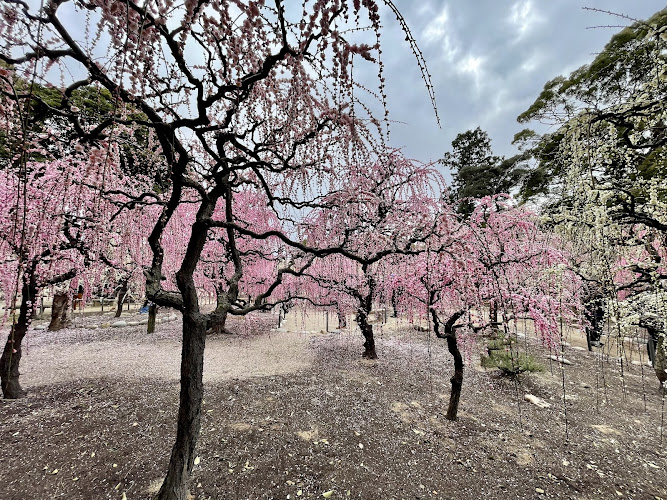
On-site (and closely associated with the shrine grounds) is the Kitabatake garden / clan residence garden, promoted by Japan’s national tourism organization as a rare surviving samurai garden and described as one of only three major samurai gardens still in existence. Travel The same source highlights classic features you can look for as you walk: ponds, small bridges, and stone lanterns, with each season changing the mood and sightlines. Travel
### The “history under your feet” effect
Because the shrine stands on the grounds of the former Kitabatake site (and within the broader historic designation), the experience is layered: you’re not only seeing an intact religious site, you’re moving through a preserved landscape connected to a clan that held real regional power.
—
## Practical visit planning
### Address and basic logistics
– Address: 1148 Misugicho Kamitage, Tsu, Mie 515-3312, Japan
– Phone (tourism listing): 059-275-0615 – 三重県津市の観光情報
### Getting there (what’s confirmed)
– By car: Tsu City’s tourism listing describes access from the Ise Expressway Hisai IC, via the Hisai–Misugi route, at roughly about 60 minutes by road. – 三重県津市の観光情報
– By public transport: A Mie tourism event listing notes a route using the JR Meishō Line area plus a city bus connection, with a stop labeled “Kitabatake Shrine-mae.”
Because Misugi is rural, plan for fewer transport options later in the day and limited on-site services compared with big-city shrine complexes.
### Fees (and what to verify)
Several tourism sources consistently mention a 300 yen admission fee associated with the garden area.
Flag for potential change: the Mie tourism listing explicitly warns that details may change and notes its info as current “as of 2025.”
—
## When to go: seasons that change the experience
– Autumn color window: A Mie tourism listing for autumn leaves at the site places peak viewing in mid-to-late November (timing varies year to year).
– Year-round appeal: The garden is framed by evergreen and deciduous plantings, and the national tourism description emphasizes seasonal variation in scenery. Travel
If you’re photographing, a light overcast day can be ideal here—muted contrast keeps mossy stone textures and water surfaces readable.
—
## On-site etiquette and small things that make your visit smoother
### Shrine manners (keep it simple and respectful)
– At the torii gate, pause briefly before entering.
– Use the temizuya (water pavilion) if available.
– At the offering box: a small coin offering, then (commonly) bow–bow–clap–clap–bow.
### What to bring
– Cash (coins) for offerings and any small-entry fee.
– Comfortable shoes: garden paths and historic grounds can be uneven, especially after rain.
– A light layer: Misugi’s mountain/valley microclimate can feel cooler than coastal Mie.
—
—
## Quick “verify before you go” checklist (to avoid stale info)
– Confirm garden admission price (commonly listed as 300 yen).
– Confirm seasonal event timing (autumn leaves period varies; one listing cites mid–late November and notes possible changes).
– If you’re using buses, confirm current schedules for the Misugi area connections.
—
## Why Kitabatake Shrine earns a spot on a Mie deep-cut itinerary
Kitabatake Shrine is compelling because it doesn’t force you to choose between “history” and “atmosphere.” The site is explicitly tied to named historical figures enshrined here, it’s part of a nationally recognized castle-residence ruin area, and it’s paired with a samurai garden that Japan’s tourism authority treats as unusually rare.
If your goal is a Japan trip with fewer crowds but no drop-off in cultural depth, this is exactly the kind of stop that keeps the day interesting—especially when paired with other Misugi/Meishō Line countryside plans.
Table of Contents
Key Highlights
Kitabatake Shrine
Location
Places to Stay Near Kitabatake Shrine
Find and Book a Tour
Explore More Travel Guides
No reviews found! Be the first to review!
Traveler Reviews for Kitabatake Shrine
There are no reviews yet. Be the first one to write one.
Have you visited Kitabatake Shrine? Help other travelers by sharing your review.
You Might Also Like
Kong Chow Temple
Yūki Shrine
Cape Girardeau
Find Accommodations Nearby
Recommended Tours & Activities
Visitor Reviews
There are no reviews yet. Be the first one to write one.
Share Your Experience
Have you visited Kitabatake Shrine? Help other travelers by leaving a review.