Yūki Shrine in Tsu, Mie Prefecture, is one of those places that quietly sneaks up on you. It doesn’t scream for attention like the big-name temples in Kyoto or Nara, but that’s exactly what makes it special. This centuries-old Shinto shrine is deeply rooted in Japanese history, dedicated to Lord Yūki Munehiro—a loyal retainer who served Emperor Go-Daigo during the turbulent Kenmu Restoration. The shrine embodies a sense of calm strength, the kind that comes from surviving through centuries of change while holding onto its traditions.
When you step through its torii gate, you can almost feel the weight of history in the air. The soft crunch of gravel underfoot, the faint scent of incense drifting from the main hall, and the sound of the wind brushing through the plum trees—it all feels like a gentle invitation to slow down. The shrine’s architecture is classic yet understated, with wooden structures that seem to blend seamlessly into their natural surroundings. It’s not flashy, but that’s part of the charm. You get the sense that Yūki Shrine has nothing to prove; it simply exists, gracefully and confidently.
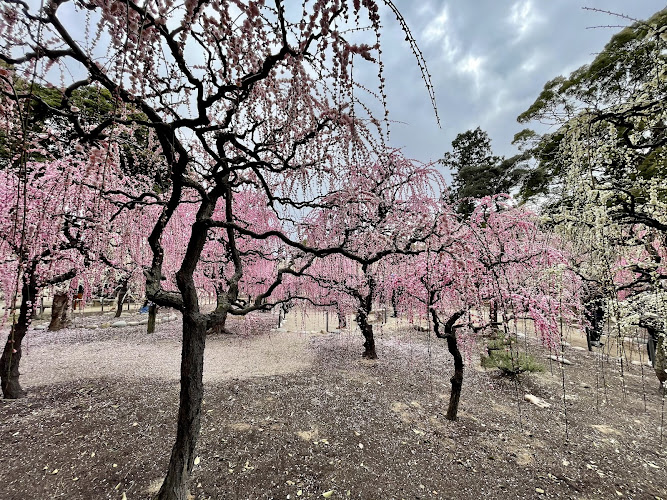
What really draws people here, though, are the plum blossoms. Every spring, the grounds transform into a sea of soft pink and white as hundreds of plum trees burst into bloom. The weeping plum trees, in particular, are breathtaking. They arch and cascade like delicate waterfalls of petals. I remember standing there one chilly March morning, camera in hand, just staring in awe. I ended up forgetting to take the photo because the moment felt too perfect to interrupt. That’s the kind of place Yūki Shrine is—it makes you pause and just be present.
Despite its beauty, it’s not overly crowded. Sure, you’ll see a few photographers and locals out for a stroll, but it never feels overwhelming. There’s a quiet respect that hangs in the air, as if everyone instinctively knows they’re standing somewhere sacred. And yet, it’s approachable. You don’t need to be an expert in Japanese culture to appreciate it. You just need to bring a bit of curiosity and a willingness to slow down.
Key Features
One of the things I personally love about Yūki Shrine is how it balances accessibility with authenticity. You can easily spend an hour or two exploring, taking photos, or just sitting quietly under the plum trees. It’s also a great spot for families or solo travelers who appreciate a slower pace. And if you’re into photography, bring your best lens—the light filtering through the plum blossoms in the late afternoon is pure magic.
Best Time to Visit
While Yūki Shrine is open year-round, the absolute best time to visit is during plum blossom season, which usually peaks around mid-March. The blossoms arrive earlier than cherry blossoms, and their subtle fragrance fills the air. It’s not just about the flowers, though. Visiting during this time gives you a glimpse into how locals celebrate the arrival of spring. You’ll see families picnicking under the trees, couples taking leisurely walks, and maybe even a few elderly folks sketching the blossoms in notebooks—something about that always warms my heart.
If you prefer fewer crowds, visiting early in the morning or on weekdays is ideal. The soft morning light makes the shrine look almost ethereal, and you’ll have the space to enjoy it at your own pace. Autumn is another underrated season here. The trees surrounding the shrine turn shades of amber and gold, and the crisp air adds a different kind of tranquility. Winter visits can be chilly, but the quiet solitude has its own charm. Honestly, there’s no bad season—it just depends on what kind of experience you’re after.
How to Get There
Reaching Yūki Shrine is relatively straightforward, especially if you’re traveling from major cities like Nagoya or Osaka. From Nagoya, you can take the Kintetsu Line to Tsu Station, which takes about an hour and a half. From there, local buses or a short taxi ride will get you to the shrine area. If you’re driving, the route is well-marked, and there’s parking available nearby. The drive through Mie Prefecture’s countryside is surprisingly scenic—rolling hills, rice fields, and the occasional glimpse of the sea make it a pleasant journey in itself.
Public transportation in this region is efficient, but I’ll admit, having a car gives you more flexibility. You can combine a visit to Yūki Shrine with nearby attractions like Tsu Castle ruins or the Mie Prefectural Art Museum. Just make sure to check local schedules, especially during festival periods, as buses can get crowded.
Tips for Visiting
Here are a few things I’ve learned from my own visits that might help you make the most of your trip:
- Arrive early: The morning hours are peaceful, and the lighting is perfect for photography.
- Bring comfortable shoes: The shrine grounds are spacious, and you’ll want to wander a bit to take everything in.
- Respect the customs: Take a moment to bow at the torii gate, cleanse your hands at the purification fountain, and avoid loud conversations near the prayer halls.
- Plan for the weather: If visiting during plum season, bring a light jacket—it’s still cool in early spring.
- Try local snacks: Nearby stalls sometimes sell seasonal treats like plum-flavored mochi or sweet rice cakes, which are worth a try.
- Photography etiquette: Be mindful of worshippers. It’s fine to take photos, but avoid using flash near the main altar.
And here’s a small tip from experience—don’t rush. It’s tempting to snap a hundred photos and move on, but Yūki Shrine rewards those who linger. Sit on one of the benches, listen to the rustle of the plum branches, and let the world slow down for a bit. You’ll leave with a sense of calm you didn’t know you needed.
For travelers who crave authenticity, Yūki Shrine offers a glimpse into Japan’s quieter, more contemplative side. It’s not about grandeur or spectacle—it’s about connection. Connection to nature, to history, and maybe even to yourself. Whether you’re a history buff, a nature lover, or just someone looking for a peaceful afternoon, this shrine has a way of leaving a lasting impression. It’s the kind of place that stays with you long after you’ve left, like the faint scent of plum blossoms carried on a spring breeze.
 Real Journey Travels