
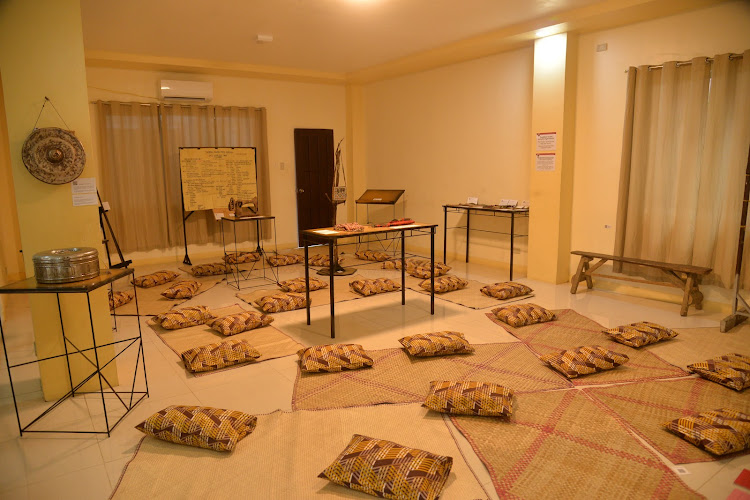
Kidapawan City Cultural Heritage Museum
About Kidapawan City Cultural Heritage Museum
Description
The Kidapawan City Cultural Heritage Museum is one of those places that doesn’t just display artifacts—it sort of pulls you into a story. It’s not a huge, intimidating museum where you feel like you have to whisper and walk on eggshells. Instead, it feels approachable, warm, and deeply personal. The museum was created to showcase the heirlooms and traditions of the Obo Monuvu tribe, an indigenous community that has lived in the Kidapawan area for generations. Walking through its exhibits, you’ll see heirlooms, textiles, musical instruments, and even handwritten genealogies that trace the roots of families back decades. It’s like stepping into someone’s family album, except on a much grander cultural scale.
What makes this museum stand out is how it balances being both educational and welcoming. It’s family-friendly, LGBTQ+ friendly, and even designed as a safe space for transgender visitors. There’s a sense of inclusivity here that you don’t always find in heritage museums. The facilities are accessible too—wheelchair access, proper restrooms, and parking are all in place. And while some visitors might find it modest compared to larger city museums, the genuine storytelling and authenticity more than make up for it. You don’t walk away thinking about the size of the building; you walk away thinking about the people whose stories it holds.
Key Features
- Exhibits featuring heirlooms of the Obo Monuvu tribe, including textiles, jewelry, and tools
- Handwritten genealogies, such as those by Datu Amado Pinantao, showing tribal lineages
- Rotating exhibitions every six months, so there’s always something fresh to see
- Family-friendly environment with interactive storytelling for kids
- Wheelchair accessible entrances, restrooms, and parking
- A safe and inclusive space for LGBTQ+ and transgender visitors
- Rest areas and clean restroom facilities for convenience
Best Time to Visit
If you’re planning a trip, weekdays are usually the best. The museum is open during regular office hours, and visiting on a weekday means fewer crowds, which gives you the chance to really take your time with the exhibits. If you’re the type who likes to pair cultural visits with outdoor adventures, consider timing your visit between late October and December. That’s when Kidapawan also sees an influx of climbers heading to Mount Apo, and the city has a lively energy. Personally, I think mornings are the sweet spot—you get the museum almost to yourself, and then you can head out for lunch at one of the local eateries nearby.
How to Get There
Reaching the museum is pretty straightforward once you’re in Kidapawan City. If you’re coming from Davao, it’s about a three-hour drive by bus or van, depending on traffic and weather. From Cotabato City, it’s closer to four hours. Once you’re in Kidapawan proper, tricycles and jeepneys are the go-to modes of transport, and locals are usually more than happy to point you in the right direction. I’ve found that asking a tricycle driver to take you directly to the museum works best—most of them know exactly where it is. And if you’re using a car, parking isn’t a headache since the museum has its own accessible lot.
Tips for Visiting
First things first: bring a curious mind. The exhibits aren’t just about looking—they’re about listening and asking questions. The staff are friendly and often eager to share more about the stories behind the heirlooms. If you’re traveling with kids, don’t worry about them getting restless; the museum is interactive enough to keep them engaged, especially with the colorful fabrics and musical instruments on display.
Photography is usually allowed, but it’s always polite to ask before snapping away. And honestly, sometimes it’s better to put the phone down and just soak it in. Another tip? Try to visit when a new exhibit opens since they rotate every six months—you’ll get a fresh perspective each time. Oh, and wear comfy shoes. You won’t be walking miles, but you’ll want to move around freely without worrying about sore feet.
Lastly, don’t rush it. I once made the mistake of thinking I could breeze through in 30 minutes before catching a ride to Mount Apo. Big mistake. I ended up staying longer and missing my bus because I got caught up reading the handwritten genealogies. But that’s the beauty of it—the museum rewards those who linger. So give yourself at least an hour or two, and let the stories sink in. You’ll leave with more than just photos—you’ll leave with a deeper appreciation of Kidapawan’s cultural heartbeat.
Key Features
- Exhibits featuring heirlooms of the Obo Monuvu tribe, including textiles, jewelry, and tools
- Handwritten genealogies, such as those by Datu Amado Pinantao, showing tribal lineages
- Rotating exhibitions every six months, so there’s always something fresh to see
- Family-friendly environment with interactive storytelling for kids
- Wheelchair accessible entrances, restrooms, and parking
- A safe and inclusive space for LGBTQ+ and transgender visitors
- Rest areas and clean restroom facilities for convenience
More Details
Updated September 8, 2025
Table of Contents
- Description
- Key Features
- Best Time to Visit
- How to Get There
- Tips for Visiting
- Key Highlights
- Location
- Places to Stay Near Kidapawan City Cultural Heritage Museum
- Find and Book a Tour
- Explore More Travel Guides
- Nearby Places You Might Like
- Traveler Reviews for Kidapawan City Cultural Heritage Museum
- Share Your Experience
Description
The Kidapawan City Cultural Heritage Museum is one of those places that doesn’t just display artifacts—it sort of pulls you into a story. It’s not a huge, intimidating museum where you feel like you have to whisper and walk on eggshells. Instead, it feels approachable, warm, and deeply personal. The museum was created to showcase the heirlooms and traditions of the Obo Monuvu tribe, an indigenous community that has lived in the Kidapawan area for generations. Walking through its exhibits, you’ll see heirlooms, textiles, musical instruments, and even handwritten genealogies that trace the roots of families back decades. It’s like stepping into someone’s family album, except on a much grander cultural scale.
What makes this museum stand out is how it balances being both educational and welcoming. It’s family-friendly, LGBTQ+ friendly, and even designed as a safe space for transgender visitors. There’s a sense of inclusivity here that you don’t always find in heritage museums. The facilities are accessible too—wheelchair access, proper restrooms, and parking are all in place. And while some visitors might find it modest compared to larger city museums, the genuine storytelling and authenticity more than make up for it. You don’t walk away thinking about the size of the building; you walk away thinking about the people whose stories it holds.
Key Features
- Exhibits featuring heirlooms of the Obo Monuvu tribe, including textiles, jewelry, and tools
- Handwritten genealogies, such as those by Datu Amado Pinantao, showing tribal lineages
- Rotating exhibitions every six months, so there’s always something fresh to see
- Family-friendly environment with interactive storytelling for kids
- Wheelchair accessible entrances, restrooms, and parking
- A safe and inclusive space for LGBTQ+ and transgender visitors
- Rest areas and clean restroom facilities for convenience
Best Time to Visit
If you’re planning a trip, weekdays are usually the best. The museum is open during regular office hours, and visiting on a weekday means fewer crowds, which gives you the chance to really take your time with the exhibits. If you’re the type who likes to pair cultural visits with outdoor adventures, consider timing your visit between late October and December. That’s when Kidapawan also sees an influx of climbers heading to Mount Apo, and the city has a lively energy. Personally, I think mornings are the sweet spot—you get the museum almost to yourself, and then you can head out for lunch at one of the local eateries nearby.
How to Get There
Reaching the museum is pretty straightforward once you’re in Kidapawan City. If you’re coming from Davao, it’s about a three-hour drive by bus or van, depending on traffic and weather. From Cotabato City, it’s closer to four hours. Once you’re in Kidapawan proper, tricycles and jeepneys are the go-to modes of transport, and locals are usually more than happy to point you in the right direction. I’ve found that asking a tricycle driver to take you directly to the museum works best—most of them know exactly where it is. And if you’re using a car, parking isn’t a headache since the museum has its own accessible lot.
Tips for Visiting
First things first: bring a curious mind. The exhibits aren’t just about looking—they’re about listening and asking questions. The staff are friendly and often eager to share more about the stories behind the heirlooms. If you’re traveling with kids, don’t worry about them getting restless; the museum is interactive enough to keep them engaged, especially with the colorful fabrics and musical instruments on display.
Photography is usually allowed, but it’s always polite to ask before snapping away. And honestly, sometimes it’s better to put the phone down and just soak it in. Another tip? Try to visit when a new exhibit opens since they rotate every six months—you’ll get a fresh perspective each time. Oh, and wear comfy shoes. You won’t be walking miles, but you’ll want to move around freely without worrying about sore feet.
Lastly, don’t rush it. I once made the mistake of thinking I could breeze through in 30 minutes before catching a ride to Mount Apo. Big mistake. I ended up staying longer and missing my bus because I got caught up reading the handwritten genealogies. But that’s the beauty of it—the museum rewards those who linger. So give yourself at least an hour or two, and let the stories sink in. You’ll leave with more than just photos—you’ll leave with a deeper appreciation of Kidapawan’s cultural heartbeat.
Key Highlights
- Exhibits featuring heirlooms of the Obo Monuvu tribe, including textiles, jewelry, and tools
- Handwritten genealogies, such as those by Datu Amado Pinantao, showing tribal lineages
- Rotating exhibitions every six months, so there’s always something fresh to see
- Family-friendly environment with interactive storytelling for kids
- Wheelchair accessible entrances, restrooms, and parking
- A safe and inclusive space for LGBTQ+ and transgender visitors
- Rest areas and clean restroom facilities for convenience
Location
Places to Stay Near Kidapawan City Cultural Heritage Museum
Find and Book a Tour
Explore More Travel Guides
No reviews found! Be the first to review!
Traveler Reviews for Kidapawan City Cultural Heritage Museum
There are no reviews yet. Be the first one to write one.
Have you visited Kidapawan City Cultural Heritage Museum? Help other travelers by sharing your review.
Find Accommodations Nearby
Recommended Tours & Activities
Visitor Reviews
There are no reviews yet. Be the first one to write one.
Share Your Experience
Have you visited Kidapawan City Cultural Heritage Museum? Help other travelers by leaving a review.