
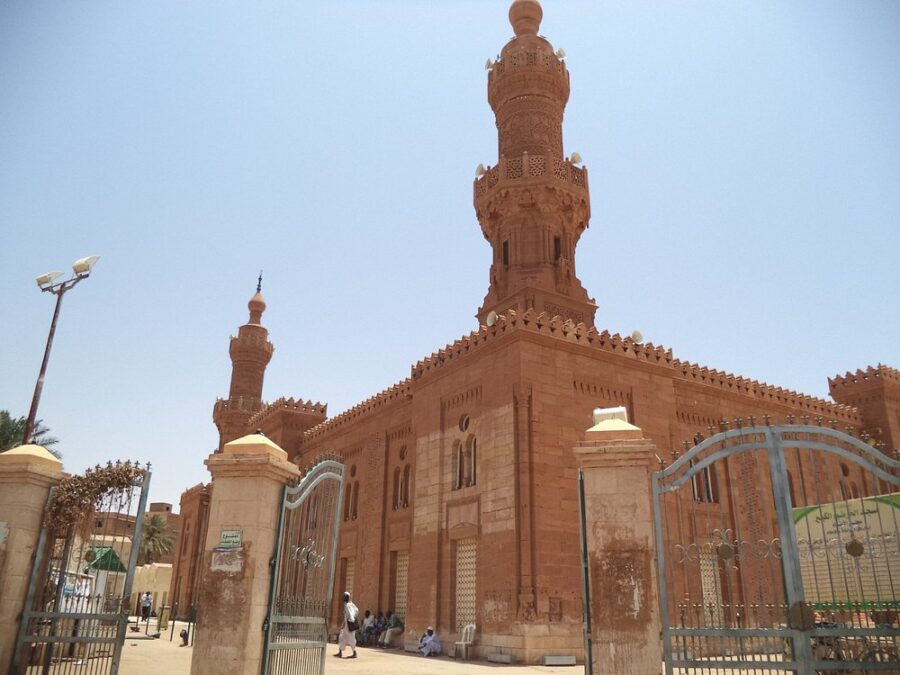
Khartoum Grand Mosque
About Khartoum Grand Mosque
History and Significance
The Khartoum Grand Mosque, one of the oldest mosques in Sudan, has a really interesting history. The grand mosque was built back in 1901, during Turkish rule, thanks to Khedive Abbas. It's not just some old building; it's a real center for Islamic life in Khartoum. And you know what? It's gone through renovations to preserve its original architectural beauty. I think this showcase of Islamic architecture is super important because it reminds us of the past while still serving the needs of the community today. It’s a place where the training of Islamic sciences happens, keeping the traditions alive.
Main Attractions and Activities
When you visit the Khartoum Grand Mosque, you're stepping into a vibrant place, where the atmosphere is filled with devotion. The grand architecture is really something, with its tall minarets reaching into the sky. Inside, the impressive columns and intricate motifs are just beautiful. I think it's essential to remember it as a place where the Sudanese come to pray, especially during Ramadan. The mosque can accommodate so many worshippers, and it’s not just for prayer, you know? It’s a place for community, learning, and reflecting on faith. And to think, this all sits near Tuti Island and the Nile, adding to the serenity.Visitor Experience
Stepping into the Khartoum Grand Mosque is more than just a visit; it's an immersive experience. I think, when you approach the mosque, you're immediately struck by its grandeur. Its minarets stand tall, a powerful visual against the Khartoum skyline. And when you enter, the serene atmosphere envelops you. The mosque, as one of the oldest mosques in Sudan, has this palpable sense of history. I recall visiting mosques in Omdurman, and they had the same aura of peace and reverence. It's a place where you can witness the devotion of the Sudanese people firsthand, especially during prayers. And it's not just about observing; you're invited to appreciate the architectural marvel that this grand mosque truly is.Tips for Visitors
Here are a few pointers from my experiences traveling in Sudan, especially if you're planning a visit to the Khartoum Grand Mosque. Remember to consider some essential aspects of visiting the Mosque:- Dress modestly; this is a place of worship, and respecting local customs is key. Women should cover their heads.
- Visit during non-prayer times to truly appreciate the grandeur of the interior without disrupting worshippers.
- Consider engaging with a local guide; they can provide insights into the mosque's history and its significance within the Sudanese community.
- Don’t forget your camera! The mosque is a stunning example of Islamic architecture, but be mindful of photography restrictions and always ask for permission before taking photos of people.
Accessibility and Facilities
The Khartoum Grand Mosque aims to be accessible to all who wish to experience its grandeur. While it was built during the Turkish rule, renovations have ensured modern facilities are available. You'll find designated areas for ablution before prayer, as well as separate entrances for men and women, a common feature in mosques in Khartoum. I’ve seen that many mosques in Sudan have made efforts to accommodate visitors with disabilities. While I can't say for certain about the Khartoum Grand Mosque specifically, it's always a good idea to inquire about accessibility options beforehand. The location of the mosque in the heart of Khartoum makes it relatively easy to reach by public transport or taxi. It’s often near other landmarks, which might be a plus for those looking to explore the Sudanese capital. The institute of the mosque serves as a training center and helps those who are in search of Islamic sciences.| Feature | Details |
|---|---|
| Accessibility | Designated ablution areas and separate entrances for men and women. |
| Location | Heart of Khartoum, easily accessible by public transport or taxi. |
Unique Features
The Khartoum Grand Mosque isn't just any mosque; it boasts unique features that set it apart from other mosques in Sudan. The grand architecture blends traditional Islamic design with Sudanese motifs, creating a distinct visual identity. I remember visiting the grand mosque and being struck by the intricate geometric patterns adorning the interior walls; they were unlike anything I’d seen elsewhere. The use of local materials in its construction reflects Sudanese craftsmanship, contributing to its authenticity. The towering minarets, visible from afar, serve as iconic landmarks in Khartoum. And while many mosques in Khartoum are beautiful, there's something special about the Khartoum Grand Mosque's unique blend of styles. The institute within the religious complex offers a valuable training in Islamic sciences, further solidifying its importance within the Sudanese community. The mosque can accommodate many worshippers. It is one of the oldest mosques in Khartoum, so it is a place where you can pray, observe, and learn about Islamic sciences.Overall Impressions
My overall impression of the Khartoum Grand Mosque is one of awe and reverence. The sheer scale of the grand mosque is impressive, especially given that it was built during Turkish rule. I think, when you step inside, the atmosphere shifts; it's a place of peace and contemplation, a welcome respite from the hustle and bustle of Khartoum. The architectural details, from the towering columns to the intricate motifs, are a testament to the skill of the artisans who constructed this masterpiece. I’ve visited many mosques in Sudan, and this one stands out not only for its beauty but also for its significance as a cultural and religious center for Sudanese Muslims. It is a showcase of Islamic architecture for all worshippers of Islam to see, pray, and learn. I personally admire the renovation, since it shows the dedication of the Sudanese to preserving their heritage.Pros and Cons
Like any landmark, the Khartoum Grand Mosque has its pros and cons. There are several advantages to visiting this iconic mosque. For example:- Its stunning architecture, a blend of Islamic and Sudanese styles, provides a really unique visual experience.
- Its central location in Khartoum makes it easily accessible to both locals and tourists, allowing many Muslims to pray.
- It is one of the oldest mosques, dating back to 1901.
Key Features
- Dress modestly; this is a place of worship, and respecting local customs is key. Women should cover their heads.
- Visit during non-prayer times to truly appreciate the grandeur of the interior without disrupting worshippers.
- Consider engaging with a local guide; they can provide insights into the mosque's history and its significance within the Sudanese community.
- Don’t forget your camera! The mosque is a stunning example of Islamic architecture, but be mindful of photography restrictions and always ask for permission before taking photos of people.
- Its stunning architecture, a blend of Islamic and Sudanese styles, provides a really unique visual experience.
- Its central location in Khartoum makes it easily accessible to both locals and tourists, allowing many Muslims to pray.
- It is one of the oldest mosques, dating back to 1901.
More Details
Updated September 12, 2025
Table of Contents
- History and Significance
- Main Attractions and Activities
- Visitor Experience
- Tips for Visitors
- Accessibility and Facilities
- Unique Features
- Overall Impressions
- Pros and Cons
- Key Highlights
- Location
- Places to Stay Near Khartoum Grand Mosque
- Find and Book a Tour
- Explore More Travel Guides
- Nearby Places You Might Like
- Traveler Reviews for Khartoum Grand Mosque
- Share Your Experience
History and Significance
The Khartoum Grand Mosque, one of the oldest mosques in Sudan, has a really interesting history. The grand mosque was built back in 1901, during Turkish rule, thanks to Khedive Abbas. It’s not just some old building; it’s a real center for Islamic life in Khartoum. And you know what? It’s gone through renovations to preserve its original architectural beauty. I think this showcase of Islamic architecture is super important because it reminds us of the past while still serving the needs of the community today. It’s a place where the training of Islamic sciences happens, keeping the traditions alive.
Main Attractions and Activities
When you visit the Khartoum Grand Mosque, you’re stepping into a vibrant place, where the atmosphere is filled with devotion. The grand architecture is really something, with its tall minarets reaching into the sky. Inside, the impressive columns and intricate motifs are just beautiful. I think it’s essential to remember it as a place where the Sudanese come to pray, especially during Ramadan. The mosque can accommodate so many worshippers, and it’s not just for prayer, you know? It’s a place for community, learning, and reflecting on faith. And to think, this all sits near Tuti Island and the Nile, adding to the serenity.
Visitor Experience
Stepping into the Khartoum Grand Mosque is more than just a visit; it’s an immersive experience. I think, when you approach the mosque, you’re immediately struck by its grandeur. Its minarets stand tall, a powerful visual against the Khartoum skyline. And when you enter, the serene atmosphere envelops you. The mosque, as one of the oldest mosques in Sudan, has this palpable sense of history. I recall visiting mosques in Omdurman, and they had the same aura of peace and reverence. It’s a place where you can witness the devotion of the Sudanese people firsthand, especially during prayers. And it’s not just about observing; you’re invited to appreciate the architectural marvel that this grand mosque truly is.
Tips for Visitors
Here are a few pointers from my experiences traveling in Sudan, especially if you’re planning a visit to the Khartoum Grand Mosque. Remember to consider some essential aspects of visiting the Mosque:
- Dress modestly; this is a place of worship, and respecting local customs is key. Women should cover their heads.
- Visit during non-prayer times to truly appreciate the grandeur of the interior without disrupting worshippers.
- Consider engaging with a local guide; they can provide insights into the mosque’s history and its significance within the Sudanese community.
- Don’t forget your camera! The mosque is a stunning example of Islamic architecture, but be mindful of photography restrictions and always ask for permission before taking photos of people.
Accessibility and Facilities
The Khartoum Grand Mosque aims to be accessible to all who wish to experience its grandeur. While it was built during the Turkish rule, renovations have ensured modern facilities are available. You’ll find designated areas for ablution before prayer, as well as separate entrances for men and women, a common feature in mosques in Khartoum. I’ve seen that many mosques in Sudan have made efforts to accommodate visitors with disabilities. While I can’t say for certain about the Khartoum Grand Mosque specifically, it’s always a good idea to inquire about accessibility options beforehand. The location of the mosque in the heart of Khartoum makes it relatively easy to reach by public transport or taxi. It’s often near other landmarks, which might be a plus for those looking to explore the Sudanese capital. The institute of the mosque serves as a training center and helps those who are in search of Islamic sciences.
| Feature | Details |
|---|---|
| Accessibility | Designated ablution areas and separate entrances for men and women. |
| Location | Heart of Khartoum, easily accessible by public transport or taxi. |
Unique Features
The Khartoum Grand Mosque isn’t just any mosque; it boasts unique features that set it apart from other mosques in Sudan. The grand architecture blends traditional Islamic design with Sudanese motifs, creating a distinct visual identity. I remember visiting the grand mosque and being struck by the intricate geometric patterns adorning the interior walls; they were unlike anything I’d seen elsewhere. The use of local materials in its construction reflects Sudanese craftsmanship, contributing to its authenticity. The towering minarets, visible from afar, serve as iconic landmarks in Khartoum. And while many mosques in Khartoum are beautiful, there’s something special about the Khartoum Grand Mosque’s unique blend of styles. The institute within the religious complex offers a valuable training in Islamic sciences, further solidifying its importance within the Sudanese community. The mosque can accommodate many worshippers. It is one of the oldest mosques in Khartoum, so it is a place where you can pray, observe, and learn about Islamic sciences.
Overall Impressions
My overall impression of the Khartoum Grand Mosque is one of awe and reverence. The sheer scale of the grand mosque is impressive, especially given that it was built during Turkish rule. I think, when you step inside, the atmosphere shifts; it’s a place of peace and contemplation, a welcome respite from the hustle and bustle of Khartoum. The architectural details, from the towering columns to the intricate motifs, are a testament to the skill of the artisans who constructed this masterpiece. I’ve visited many mosques in Sudan, and this one stands out not only for its beauty but also for its significance as a cultural and religious center for Sudanese Muslims. It is a showcase of Islamic architecture for all worshippers of Islam to see, pray, and learn. I personally admire the renovation, since it shows the dedication of the Sudanese to preserving their heritage.
Pros and Cons
Like any landmark, the Khartoum Grand Mosque has its pros and cons. There are several advantages to visiting this iconic mosque. For example:
- Its stunning architecture, a blend of Islamic and Sudanese styles, provides a really unique visual experience.
- Its central location in Khartoum makes it easily accessible to both locals and tourists, allowing many Muslims to pray.
- It is one of the oldest mosques, dating back to 1901.
However, a potential con is that, during prayer times, the mosque can get quite crowded. Also, while the mosque can accommodate many worshippers, non-Muslim visitors may find it difficult to fully appreciate the religious significance without a proper understanding of Islamic traditions. Another potential drawback is the limited information available in English for tourists who don’t speak Arabic, so it might be a little hard to learn about the history and construction if you are not Sudanese. But, all in all, I think the pros definitely outweigh the cons. I encourage you to visit Al-Kabir Mosque, since it is a place where the training of Islamic sciences is possible.
Key Highlights
- Dress modestly; this is a place of worship, and respecting local customs is key. Women should cover their heads.
- Visit during non-prayer times to truly appreciate the grandeur of the interior without disrupting worshippers.
- Consider engaging with a local guide; they can provide insights into the mosque's history and its significance within the Sudanese community.
- Don’t forget your camera! The mosque is a stunning example of Islamic architecture, but be mindful of photography restrictions and always ask for permission before taking photos of people.
- Its stunning architecture, a blend of Islamic and Sudanese styles, provides a really unique visual experience.
- Its central location in Khartoum makes it easily accessible to both locals and tourists, allowing many Muslims to pray.
- It is one of the oldest mosques, dating back to 1901.
Location
Places to Stay Near Khartoum Grand Mosque
Find and Book a Tour
Explore More Travel Guides
No reviews found! Be the first to review!
Traveler Reviews for Khartoum Grand Mosque
There are no reviews yet. Be the first one to write one.
Have you visited Khartoum Grand Mosque? Help other travelers by sharing your review.
You Might Also Like

Mojo Gallery

Al Mogran Family Park
Al Sunut Forest
Find Accommodations Nearby
Recommended Tours & Activities
Visitor Reviews
There are no reviews yet. Be the first one to write one.
Share Your Experience
Have you visited Khartoum Grand Mosque? Help other travelers by leaving a review.