

Kerala Folklore Museum
About Kerala Folklore Museum
Description
The Kerala Folklore Museum is one of those places that quietly sneaks up on you with its charm. It’s not your typical museum with sterile glass cases and long-winded plaques. Instead, it feels alive — like stepping into a living storybook of Kerala’s culture. The building itself is a masterpiece, built in traditional Kerala architectural style, complete with intricate wood carvings and antique doors that seem to whisper tales from centuries past. Every corner invites curiosity, every artifact feels like it’s got something personal to say.
Inside, the museum houses thousands of artifacts — from ancient musical instruments and traditional masks to sculptures and rare manuscripts. You’ll find yourself wandering through three floors of history, art, and folklore that paint a vivid picture of Kerala’s soul. What I personally love is how the exhibits don’t feel overly curated; it’s as if you’re walking through someone’s ancestral home, discovering treasures left behind by generations. There’s a warmth to it — a sincerity that’s hard to find in modern museums.
And here’s the thing — while some visitors might find it a bit dimly lit or even a tad overwhelming with the sheer volume of artifacts, that’s kind of the point. It’s a sensory experience. The smell of old wood, the soft echo of footsteps on the polished floor, the faint hum of traditional music in the background — it all comes together to transport you somewhere else entirely. It’s not perfect, but that’s what makes it real.
There’s also a small café and a handicraft store on-site, where you can sip a cup of strong Kerala coffee and maybe pick up a handwoven sari or a wooden figurine. The shop supports local artisans, which I think is a beautiful touch — it’s not just about preserving history but keeping it alive and relevant. The staff, often locals themselves, are more than happy to share stories about the pieces, adding that personal layer that makes the visit more meaningful.
Key Features
- Traditional Kerala-style architecture built from antique wood and temple fragments.
- Over 6,000 artifacts showcasing Kerala’s folk art, dance, theater, and craft traditions.
- Dedicated sections for tribal art, ancient household items, and religious sculptures.
- Handmade textiles and crafts available for purchase at the in-house store.
- Wheelchair-accessible entrance and restrooms for added convenience.
- Free parking available on-site, making it easy for travelers with private vehicles.
- Kid-friendly environment with engaging visuals and storytelling displays.
- Onsite café offering local snacks and beverages — perfect for a short break during your visit.
What stands out most is how the museum manages to balance its roles — part art gallery, part cultural archive, part community hub. It’s a place that doesn’t just display Kerala’s folklore, but celebrates it, breathes it, and invites you to be part of it.
Best Time to Visit
If you ask me, the best time to visit is during the cooler months between October and February. The weather is pleasant, and you can explore the museum without breaking into a sweat. Plus, this is also the festival season in Kerala, so the entire city of Kochi feels more alive — you might even catch a traditional dance performance or a local fair nearby.
That said, there’s something oddly calming about visiting during the monsoon too. The rain tapping against the wooden roof, the earthy scent in the air, and the dim light filtering through the antique windows — it’s poetic in its own way. Just make sure to carry an umbrella and wear comfortable shoes, as the surrounding area can get a bit slippery.
How to Get There
Getting to the Kerala Folklore Museum is fairly straightforward. It’s located in Kochi, one of Kerala’s most accessible cities, and well-connected by road, rail, and air. If you’re staying in Fort Kochi or Ernakulam, a short drive or a quick auto-rickshaw ride will get you there in no time. You can also hire a cab for a more comfortable ride, especially if you’re traveling with family or luggage.
For those using public transport, local buses frequently pass through the main road nearby. Kochi’s metro system also makes commuting easier these days, though you’ll need to catch a rickshaw or taxi from the nearest station to reach the museum entrance. If you’re the kind of traveler who enjoys exploring on foot, the walk from nearby ferry points offers a lovely glimpse of local life — fishermen at work, small tea stalls, and the gentle hum of coastal Kerala.
And if you’re driving, you’ll be happy to know there’s a free parking lot right outside. That’s a small but much-appreciated detail, especially in a city where parking can be tricky.
Tips for Visiting
Here’s where a little insider advice can make your visit even better. First off, plan to spend at least two hours here. There’s a lot to see, and rushing through it would be a waste. The museum’s layout can be a bit maze-like, so take your time and let curiosity guide you.
Photography is allowed in most areas, but it’s worth checking before snapping pictures of certain artifacts. Some exhibits are delicate and sensitive to flash. Also, wear comfortable footwear — you’ll be climbing a few stairs since the museum spans multiple floors.
If you’re someone who enjoys understanding the “why” behind things, consider chatting with the staff or guides. They often share fascinating tidbits about the origins of particular pieces — like how a certain mask was used in Theyyam rituals or how old wooden pillars were salvaged from ancient homes. Those stories stick with you long after you’ve left.
Another tip — visit earlier in the day. It’s usually quieter, and you’ll have more space to soak everything in. Later in the afternoon, it tends to get busier with tour groups and families. And don’t skip the museum shop. Even if you’re not planning to buy anything, it’s worth browsing. The craftsmanship is impressive, and many of the items are made by local artisans who rely on such sales for their livelihood.
Oh, and if you’re traveling with kids, they’ll love it here. The colorful masks, life-size statues, and traditional costumes have a way of sparking their imagination. Just keep an eye on them — some exhibits are fragile.
In the end, the Kerala Folklore Museum isn’t just a place to tick off your travel list. It’s an experience — one that lingers. You walk in expecting to learn about Kerala’s past, but you walk out feeling a deeper connection to its present. It’s imperfect, yes, but beautifully so. And maybe that’s exactly why it leaves such a lasting impression.
Key Features
- Traditional Kerala-style architecture built from antique wood and temple fragments.
- Over 6,000 artifacts showcasing Kerala’s folk art, dance, theater, and craft traditions.
- Dedicated sections for tribal art, ancient household items, and religious sculptures.
- Handmade textiles and crafts available for purchase at the in-house store.
- Wheelchair-accessible entrance and restrooms for added convenience.
- Free parking available on-site, making it easy for travelers with private vehicles.
- Kid-friendly environment with engaging visuals and storytelling displays.
- Onsite café offering local snacks and beverages — perfect for a short break during your visit.
More Details
Updated November 6, 2025
Table of Contents
Description
The Kerala Folklore Museum is one of those places that quietly sneaks up on you with its charm. It’s not your typical museum with sterile glass cases and long-winded plaques. Instead, it feels alive — like stepping into a living storybook of Kerala’s culture. The building itself is a masterpiece, built in traditional Kerala architectural style, complete with intricate wood carvings and antique doors that seem to whisper tales from centuries past. Every corner invites curiosity, every artifact feels like it’s got something personal to say.
Inside, the museum houses thousands of artifacts — from ancient musical instruments and traditional masks to sculptures and rare manuscripts. You’ll find yourself wandering through three floors of history, art, and folklore that paint a vivid picture of Kerala’s soul. What I personally love is how the exhibits don’t feel overly curated; it’s as if you’re walking through someone’s ancestral home, discovering treasures left behind by generations. There’s a warmth to it — a sincerity that’s hard to find in modern museums.
And here’s the thing — while some visitors might find it a bit dimly lit or even a tad overwhelming with the sheer volume of artifacts, that’s kind of the point. It’s a sensory experience. The smell of old wood, the soft echo of footsteps on the polished floor, the faint hum of traditional music in the background — it all comes together to transport you somewhere else entirely. It’s not perfect, but that’s what makes it real.
There’s also a small café and a handicraft store on-site, where you can sip a cup of strong Kerala coffee and maybe pick up a handwoven sari or a wooden figurine. The shop supports local artisans, which I think is a beautiful touch — it’s not just about preserving history but keeping it alive and relevant. The staff, often locals themselves, are more than happy to share stories about the pieces, adding that personal layer that makes the visit more meaningful.
Key Features
- Traditional Kerala-style architecture built from antique wood and temple fragments.
- Over 6,000 artifacts showcasing Kerala’s folk art, dance, theater, and craft traditions.
- Dedicated sections for tribal art, ancient household items, and religious sculptures.
- Handmade textiles and crafts available for purchase at the in-house store.
- Wheelchair-accessible entrance and restrooms for added convenience.
- Free parking available on-site, making it easy for travelers with private vehicles.
- Kid-friendly environment with engaging visuals and storytelling displays.
- Onsite café offering local snacks and beverages — perfect for a short break during your visit.
What stands out most is how the museum manages to balance its roles — part art gallery, part cultural archive, part community hub. It’s a place that doesn’t just display Kerala’s folklore, but celebrates it, breathes it, and invites you to be part of it.
Best Time to Visit
If you ask me, the best time to visit is during the cooler months between October and February. The weather is pleasant, and you can explore the museum without breaking into a sweat. Plus, this is also the festival season in Kerala, so the entire city of Kochi feels more alive — you might even catch a traditional dance performance or a local fair nearby.
That said, there’s something oddly calming about visiting during the monsoon too. The rain tapping against the wooden roof, the earthy scent in the air, and the dim light filtering through the antique windows — it’s poetic in its own way. Just make sure to carry an umbrella and wear comfortable shoes, as the surrounding area can get a bit slippery.
How to Get There
Getting to the Kerala Folklore Museum is fairly straightforward. It’s located in Kochi, one of Kerala’s most accessible cities, and well-connected by road, rail, and air. If you’re staying in Fort Kochi or Ernakulam, a short drive or a quick auto-rickshaw ride will get you there in no time. You can also hire a cab for a more comfortable ride, especially if you’re traveling with family or luggage.
For those using public transport, local buses frequently pass through the main road nearby. Kochi’s metro system also makes commuting easier these days, though you’ll need to catch a rickshaw or taxi from the nearest station to reach the museum entrance. If you’re the kind of traveler who enjoys exploring on foot, the walk from nearby ferry points offers a lovely glimpse of local life — fishermen at work, small tea stalls, and the gentle hum of coastal Kerala.
And if you’re driving, you’ll be happy to know there’s a free parking lot right outside. That’s a small but much-appreciated detail, especially in a city where parking can be tricky.
Tips for Visiting
Here’s where a little insider advice can make your visit even better. First off, plan to spend at least two hours here. There’s a lot to see, and rushing through it would be a waste. The museum’s layout can be a bit maze-like, so take your time and let curiosity guide you.
Photography is allowed in most areas, but it’s worth checking before snapping pictures of certain artifacts. Some exhibits are delicate and sensitive to flash. Also, wear comfortable footwear — you’ll be climbing a few stairs since the museum spans multiple floors.
If you’re someone who enjoys understanding the “why” behind things, consider chatting with the staff or guides. They often share fascinating tidbits about the origins of particular pieces — like how a certain mask was used in Theyyam rituals or how old wooden pillars were salvaged from ancient homes. Those stories stick with you long after you’ve left.
Another tip — visit earlier in the day. It’s usually quieter, and you’ll have more space to soak everything in. Later in the afternoon, it tends to get busier with tour groups and families. And don’t skip the museum shop. Even if you’re not planning to buy anything, it’s worth browsing. The craftsmanship is impressive, and many of the items are made by local artisans who rely on such sales for their livelihood.
Oh, and if you’re traveling with kids, they’ll love it here. The colorful masks, life-size statues, and traditional costumes have a way of sparking their imagination. Just keep an eye on them — some exhibits are fragile.
In the end, the Kerala Folklore Museum isn’t just a place to tick off your travel list. It’s an experience — one that lingers. You walk in expecting to learn about Kerala’s past, but you walk out feeling a deeper connection to its present. It’s imperfect, yes, but beautifully so. And maybe that’s exactly why it leaves such a lasting impression.
Key Highlights
- Traditional Kerala-style architecture built from antique wood and temple fragments.
- Over 6,000 artifacts showcasing Kerala’s folk art, dance, theater, and craft traditions.
- Dedicated sections for tribal art, ancient household items, and religious sculptures.
- Handmade textiles and crafts available for purchase at the in-house store.
- Wheelchair-accessible entrance and restrooms for added convenience.
- Free parking available on-site, making it easy for travelers with private vehicles.
- Kid-friendly environment with engaging visuals and storytelling displays.
- Onsite café offering local snacks and beverages — perfect for a short break during your visit.
Location
Places to Stay Near Kerala Folklore Museum
Find and Book a Tour
Explore More Travel Guides
No reviews found! Be the first to review!
Traveler Reviews for Kerala Folklore Museum
There are no reviews yet. Be the first one to write one.
Have you visited Kerala Folklore Museum? Help other travelers by sharing your review.
You Might Also Like
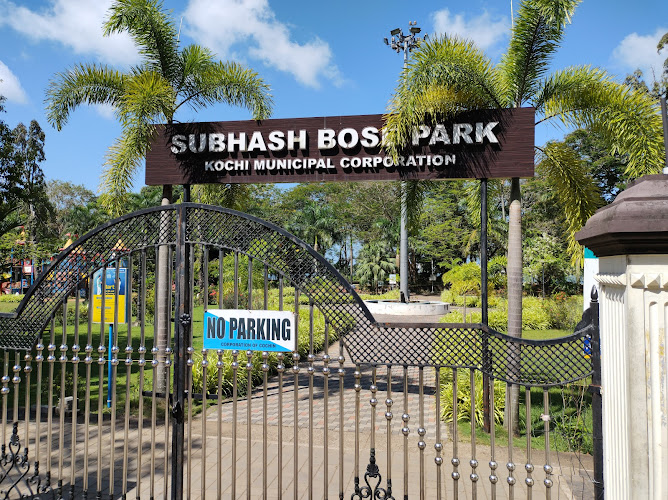
Subhash Bose Park

Mangalavanam Bird Sanctuary

Kerala Museum
Find Accommodations Nearby
Recommended Tours & Activities
Visitor Reviews
There are no reviews yet. Be the first one to write one.
Share Your Experience
Have you visited Kerala Folklore Museum? Help other travelers by leaving a review.