
Kenya Railway Museum
About Kenya Railway Museum
Key Features
More Details
Updated April 15, 2024
## Kenya Railway Museum (Nairobi): what it is, what you’ll actually see, and how to plan your visit
If you want a grounded, object-based introduction to how rail shaped Kenya (and Nairobi itself), the Kenya Railway Museum—also widely referred to as the Nairobi Railway Museum—is the place to do it. It’s a railway museum on Station Road, adjacent to Nairobi Railway Station, and it’s operated by Kenya Railways.
Unlike many transport museums that are mostly panels and replicas, this one is anchored by real historic rolling stock and hardware from the region’s rail era—specifically collections tied to the former East African Railways—and it retains a live rail connection used for moving items for maintenance and collection needs.
—
## Quick facts you can rely on
– Name: Nairobi Railway Museum / Kenya Railway Museum (both names are used)
– Where: Station Road, Nairobi, next to Nairobi Railway Station
– Plus code/address reference: PR4F+MX5, Station Rd, Nairobi, Kenya
– Established: 1971
– Operated by / owner: Kenya Railways (Kenya Railways Corporation)
– Typical opening hours shown publicly: 8:00–17:00 daily (including public holidays) is posted on the museum’s Facebook page; third-party mapping listings also show 08:00–17:00 patterns. Treat this as likely but verify before you go (hours change).
– Public contact numbers shown online: +254 709 907411 (seen on multiple listings). Verify on the day.
Outdated-data flag: opening hours, phone numbers, and admission prices are exactly the kind of details that change without warning. The most reliable “current” signals I can cite here are the museum’s own Facebook listing and major map listings—still, confirm before you travel.
—
## What you’ll see inside (without hype)
### Rolling stock and hardware from East Africa’s rail era
The museum collection is described as holding exhibits from the former East African Railways, and the experience is typically built around seeing historic locomotives and rail equipment up close.
### A museum that still connects to the railway network
A genuinely unusual detail: the museum has maintained its rail connection, which supports moving pieces of the collection for maintenance and repositioning.
### Operational steam locomotives (stored securely)
According to published descriptions, three operational steam locomotives are stored under cover within the main railway works. (This is a behind-the-scenes detail, not a guarantee of what you’ll physically access on a given day.)
—
## How to visit: practical planning notes
### Best time to go (for experience, not mythology)
– If you want more time with exhibits and fewer crowds, aim for earlier in the day within the posted opening window. (This is general museum strategy; exact crowding varies.)
– Nairobi’s central business district can be busy—build in buffer time for city traffic and navigation.
### Getting there
Because it’s adjacent to Nairobi Railway Station, it’s naturally positioned for access from central Nairobi routes.
If you’re using navigation, the PR4F+MX5 plus code is a reliable pinpoint.
### Safety and situational awareness (inclusive, practical)
Nairobi is a major capital city with normal big-city realities. The museum’s central location can be convenient, but plan your arrival/departure intentionally:
– Keep phones and cameras secure when moving around transport hubs.
– If mobility, sensory, or accessibility needs are part of your planning, consider calling ahead—older infrastructure can be variable and “step-free” access isn’t something I can confirm from the available sources.
—
## What to do once you’re there: a simple, high-value approach
If you want the visit to feel coherent (instead of random objects), use a three-part flow:
1. Start with the “why”: look for exhibits that frame rail as infrastructure—how it shaped movement, trade, and the growth of Nairobi as a rail hub.
2. Move to the “how”: focus on the engineering and operational artifacts—rolling stock, tools, rail hardware—anything that reveals how rail systems were run and maintained.
3. Finish with the “what changed”: contrast historic rail systems with what you see outside at Nairobi Railway Station today; the adjacency makes that comparison effortless.
This structure works even if labels are minimal or if some areas are partially accessible on your visit day.
—
## Photography: what to assume, what not to assume
I can’t confirm current camera rules or permit requirements from an official source here. What you can do is:
– Bring a respectful, low-impact setup (phone or small camera).
– Ask staff if there are any restricted zones—especially given the museum’s relationship to live railway operations.
—
## Pair it with nearby Nairobi stops (fast, logical itinerary building)
Because the museum sits by a major transport node, it’s easy to combine with:
– another Nairobi museum/cultural stop, or
– a short CBD walking segment (daytime)
without burning a full day on logistics.
(I’m intentionally not naming specific nearby attractions without a clean, citable source in this response.)
—
## Two contextual internal link opportunities (drop-in suggestions)
Use these as editorial link placements inside your article body:
– Link 1 (city context): Nairobi travel guide → /nairobi/
Placement idea: first mention of “Nairobi Railway Station” or “Nairobi CBD”.
– Link 2 (planning utility): Best things to do in Nairobi → /nairobi/things-to-do/
Placement idea: your “Pair it with nearby stops” section.
(These are suggested internal link targets—swap the slugs to match your site’s taxonomy.)
—
## Key takeaways (what makes it worth the stop)
– It’s a true railway collection tied to East Africa’s rail history, not a generic transport exhibit.
– The adjacent-to-the-station location makes it easy to fit into a Nairobi day plan.
– The preserved rail connection is a rare operational detail that signals this is a working heritage environment, not just static displays.
If you want, paste your RealJourneyTravels.com “boilerplate” sections (How to Get There / Opening Hours / Tickets / Accessibility / FAQ), and I’ll rewrite them so they stay factual, avoid dated claims, and match your on-site schema fields.
Table of Contents
Key Highlights
Kenya Railway Museum
Location
Places to Stay Near Kenya Railway Museum
Find and Book a Tour
Explore More Travel Guides
No reviews found! Be the first to review!
Traveler Reviews for Kenya Railway Museum
There are no reviews yet. Be the first one to write one.
Have you visited Kenya Railway Museum? Help other travelers by sharing your review.
You Might Also Like
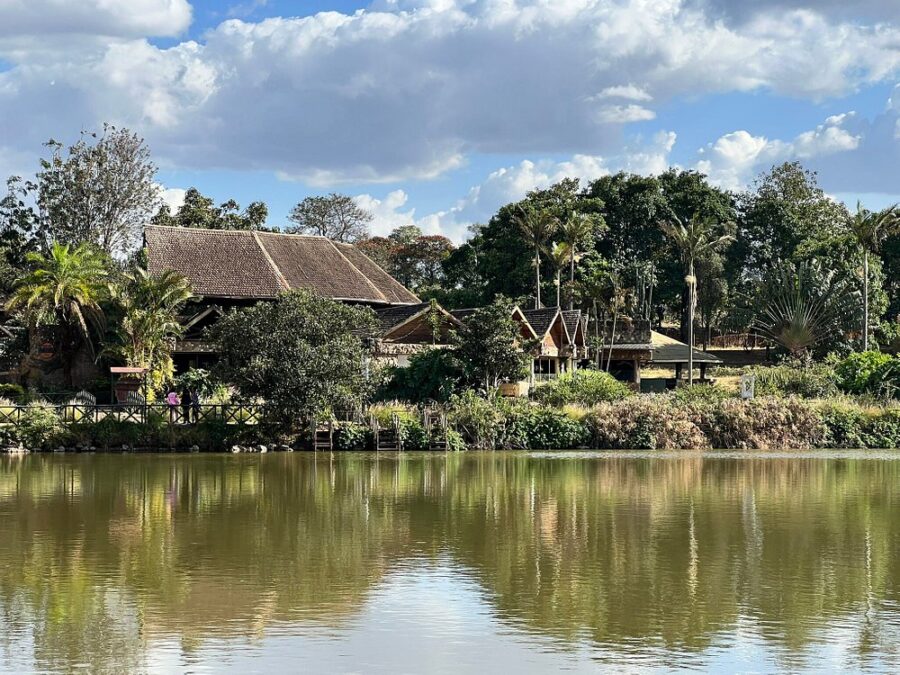
Nairobi Mamba Village
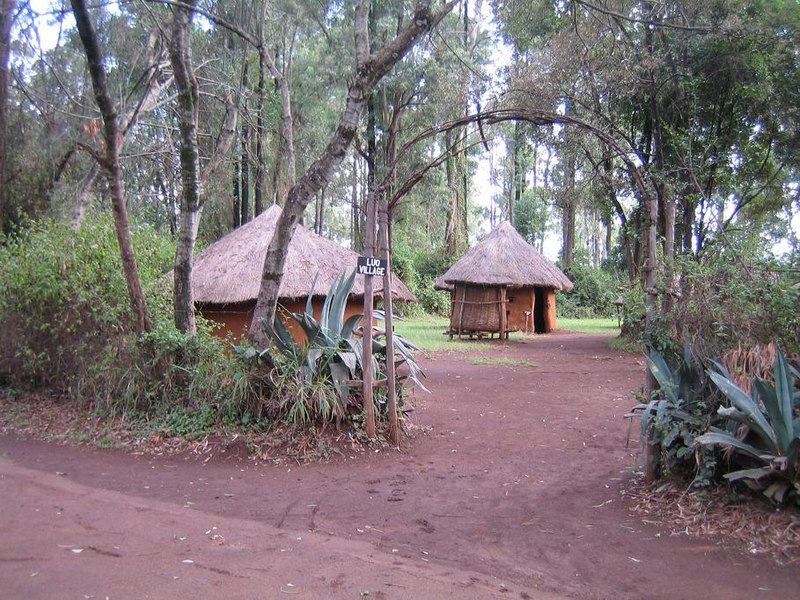
Bomas Of Kenya

Snake Park
Find Accommodations Nearby
Recommended Tours & Activities
Visitor Reviews
There are no reviews yet. Be the first one to write one.
Share Your Experience
Have you visited Kenya Railway Museum? Help other travelers by leaving a review.