
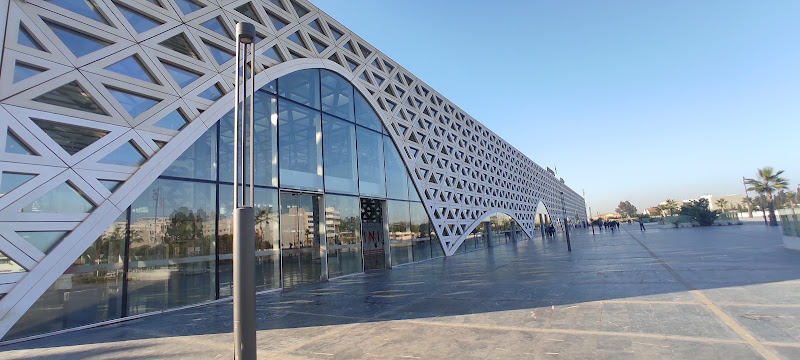
Kenitra
About Kenitra
Description
Kenitra sits along the Sebou River in northwestern Morocco, and honestly, it's one of those places that doesn't always make the typical tourist circuit but probably should. With over half a million people calling it home, this city serves as the provincial capital and plays a significant role in the Rabat-Salé-Kénitra region. But here's the thing - Kenitra isn't trying to be Marrakech or Fes, and that's actually what makes it interesting for travelers who want to experience Morocco beyond the usual postcard destinations. The city grew significantly during the French protectorate period, which left its mark on the urban planning and architecture you'll see today. Walking through certain neighborhoods, you'll notice that distinct colonial-era layout mixed with traditional Moroccan elements. It's this blend that gives Kenitra its character - not exactly old-world Morocco, not quite modern either, but somewhere in between that feels authentic in its own right. The Sebou River defines much of the city's identity. This isn't just geographical positioning either - the river has shaped Kenitra's economy, culture, and daily life for generations. You'll find locals gathering along the riverbanks, especially during cooler hours, and the port activity gives the city a working-town atmosphere that's refreshing after visiting more tourism-heavy destinations. And speaking from experience, there's something grounding about visiting places where tourism isn't the main industry. You get to see how people actually live rather than a sanitized version created for visitors.Key Features
Kenitra offers travelers a range of experiences that reflect both its historical significance and contemporary Moroccan life: • The Sebou River waterfront provides scenic areas for walking and observing local life, with fishermen and small boats creating an authentically maritime atmosphere throughout the day • Mehdia Beach sits just outside the city proper, offering Atlantic Ocean access without the crowds you'd find at more famous coastal destinations - perfect for travelers seeking quieter seaside experiences • The city's central market, or souk, showcases regional products and daily commerce in a less tourist-oriented environment than markets in larger cities • French colonial architecture scattered throughout various neighborhoods demonstrates the historical layers that have shaped modern Kenitra • The forest of Mamora nearby represents one of the largest cork oak forests in the world and provides nature escape opportunities within easy reach • Local restaurants serve authentic Moroccan cuisine at prices that reflect a city catering to residents rather than tourists - your dirham goes further here • The train station connects directly to Rabat, Casablanca, and other major cities, making Kenitra an excellent base for regional exploration • Agricultural markets on the city's outskirts display the region's productive farmland with seasonal fruits, vegetables, and olives that define Moroccan cuisineBest Time to Visit
Timing your visit to Kenitra really depends on what you're after, but I'd steer most travelers toward spring and fall. March through May brings mild temperatures that hover comfortably in the 20s Celsius (that's upper 60s to mid-70s Fahrenheit for those keeping track). The countryside around Kenitra turns green during these months, and honestly, Morocco in spring is just spectacular. You'll see wildflowers, the agricultural areas are at their most productive, and walking around the city doesn't leave you drenched in sweat. September through November offers similar conditions. The summer heat has broken, but you're still getting plenty of sunny days. October in particular tends to be lovely - warm enough for the beach at Mehdia but cool enough that exploring the city on foot feels pleasant rather than punishing. Summer months from June through August can get hot. We're talking temperatures that regularly push into the 30s Celsius (upper 80s to mid-90s Fahrenheit). The proximity to the Atlantic provides some relief through breezes, but if you're not a fan of heat, maybe skip July and August. That said, locals head to Mehdia Beach during summer weekends, so if you want to see how Moroccan families enjoy seaside time, summer weekends give you that cultural insight. Winter is mild compared to Europe or North America, but it does get rainy. December and January see the most precipitation, and while temperatures rarely drop below 10°C (50°F), the dampness can make it feel chillier than the thermometer suggests. But winter travel has advantages too - fewer visitors, lower accommodation prices, and you'll experience the city functioning purely for residents without any seasonal tourism influences.How to Get There
Getting to Kenitra is actually pretty straightforward, which surprises some travelers who assume reaching smaller Moroccan cities requires complicated journeys. The city sits right on Morocco's main north-south railway line, which means train connections are frequent and reliable. If you're flying internationally, you'll most likely arrive at Mohammed V International Airport in Casablanca or Rabat-Salé Airport. From Casablanca, direct trains to Kenitra run multiple times daily and take about 90 minutes. The trains are comfortable, reasonably priced, and honestly one of the better ways to see Moroccan countryside rolling past your window. From Rabat, the journey is even shorter - roughly 40 minutes by train - and trains depart frequently enough that you don't need to stress about catching a specific departure. The Kenitra train station (officially Kenitra Ville) sits centrally located, making it easy to reach most hotels and guesthouses by taxi or even on foot if you're traveling light. And here's a tip from someone who's learned the hard way - always confirm whether your hotel is near Kenitra Ville station or the smaller Kenitra Suburban station. They're different locations, and showing up at the wrong one with luggage isn't fun. Driving is another option if you're renting a car. The A1 motorway connects Kenitra directly to Rabat (about 40 kilometers south) and Tangier to the north. Road conditions are generally good, though Moroccan driving culture takes some getting used to if you're not familiar with it. Parking in the city center can be challenging during business hours, but most accommodations offer parking or can direct you to nearby options. Grand taxis (shared taxis) operate between Kenitra and neighboring cities, following that uniquely Moroccan system where vehicles leave when full rather than on set schedules. It's cheaper than private taxis but requires patience and flexibility. For travelers on tight budgets who don't mind a more local experience, grand taxis work fine for reaching nearby destinations.Tips for Visiting
Kenitra isn't set up for mass tourism, which means you'll need to approach it differently than you would Marrakech or Chefchaouen. First thing - don't expect everyone to speak English. French is widely spoken due to historical connections, and obviously Arabic is the primary language. Having some basic French phrases or a translation app makes daily interactions much smoother. That said, Moroccans are generally helpful and patient with travelers attempting communication, so don't let language concerns prevent you from visiting. The city operates on local rhythms, not tourist schedules. Shops and businesses often close for a few hours midday, and Fridays see reduced business activity due to religious observances. Plan your activities around these patterns rather than expecting constant availability like you'd find in major tourist destinations. Currency-wise, bring cash. While larger establishments accept cards, many smaller shops, restaurants, and taxis operate cash-only. ATMs are available throughout the city, but having dirhams on hand prevents those awkward moments when you're ready to pay and discover card payment isn't possible. Dress modestly, especially if you're visiting during Ramadan or heading to more traditional neighborhoods. Morocco is relatively relaxed compared to some Muslim countries, but Kenitra isn't a beach resort where anything goes. Women should consider covering shoulders and knees in most situations; men should avoid going shirtless except at the actual beach. This isn't about strict rules so much as showing respect and avoiding unwanted attention. Try the street food. Seriously. Some of my best meals in Morocco have come from street vendors and small cafes where locals eat rather than restaurants with multilingual menus. Grilled sardines, msemen (Moroccan pancakes), fresh orange juice, olives, dates - the local food scene reflects the agricultural richness of the surrounding region. Just use common sense about cleanliness and choose busy stalls where food turnover is high. If you're heading to Mehdia Beach, note that public transportation options exist but aren't always convenient. Taxis are relatively inexpensive for the 15-kilometer journey, and if you're traveling with others, splitting a taxi often costs less than you'd expect. The beach itself has cafes and restaurants, but bringing snacks and plenty of water makes sense, especially during summer. The Mamora Forest deserves at least a half-day visit if you enjoy nature. Cork oak harvesting happens on a rotational cycle, and seeing the stripped trees with their distinctive reddish trunks is fascinating. You'll need a car or taxi to reach the forest, but once there, walking trails range from easy strolls to longer hikes. Bargaining happens in markets and with taxi drivers (unless they use meters). Don't be aggressive about it, but understand that initial prices often include room for negotiation. I've found that friendly conversation usually leads to fair prices without the haggling becoming uncomfortable for anyone involved. Finally, use Kenitra as a base for exploring the region. Day trips to Rabat, Salé, or even Casablanca are easily manageable. The accommodation costs less than staying in those cities, and you get the advantage of experiencing a more authentic Moroccan city while still accessing major attractions within the region. It's not the strategy most guidebooks recommend, but after several Morocco trips, I've come to appreciate how staying in less touristy cities enriches the overall experience while making your budget stretch further.Key Features
- Sebou River quays and riverside walks
- Proximity to Atlantic beaches for swimming and sunbathing
- Local markets (souks) and authentic Moroccan daily life
- Historic Kasbah and French-era architecture
- Convenient gateway for day trips to Rabat and surrounding countryside
More Details
Updated January 16, 2026
Table of Contents
Description
Kenitra sits along the Sebou River in northwestern Morocco, and honestly, it’s one of those places that doesn’t always make the typical tourist circuit but probably should. With over half a million people calling it home, this city serves as the provincial capital and plays a significant role in the Rabat-Salé-Kénitra region. But here’s the thing – Kenitra isn’t trying to be Marrakech or Fes, and that’s actually what makes it interesting for travelers who want to experience Morocco beyond the usual postcard destinations.
The city grew significantly during the French protectorate period, which left its mark on the urban planning and architecture you’ll see today. Walking through certain neighborhoods, you’ll notice that distinct colonial-era layout mixed with traditional Moroccan elements. It’s this blend that gives Kenitra its character – not exactly old-world Morocco, not quite modern either, but somewhere in between that feels authentic in its own right.
The Sebou River defines much of the city’s identity. This isn’t just geographical positioning either – the river has shaped Kenitra’s economy, culture, and daily life for generations. You’ll find locals gathering along the riverbanks, especially during cooler hours, and the port activity gives the city a working-town atmosphere that’s refreshing after visiting more tourism-heavy destinations. And speaking from experience, there’s something grounding about visiting places where tourism isn’t the main industry. You get to see how people actually live rather than a sanitized version created for visitors.
Key Features
Kenitra offers travelers a range of experiences that reflect both its historical significance and contemporary Moroccan life:
• The Sebou River waterfront provides scenic areas for walking and observing local life, with fishermen and small boats creating an authentically maritime atmosphere throughout the day
• Mehdia Beach sits just outside the city proper, offering Atlantic Ocean access without the crowds you’d find at more famous coastal destinations – perfect for travelers seeking quieter seaside experiences
• The city’s central market, or souk, showcases regional products and daily commerce in a less tourist-oriented environment than markets in larger cities
• French colonial architecture scattered throughout various neighborhoods demonstrates the historical layers that have shaped modern Kenitra
• The forest of Mamora nearby represents one of the largest cork oak forests in the world and provides nature escape opportunities within easy reach
• Local restaurants serve authentic Moroccan cuisine at prices that reflect a city catering to residents rather than tourists – your dirham goes further here
• The train station connects directly to Rabat, Casablanca, and other major cities, making Kenitra an excellent base for regional exploration
• Agricultural markets on the city’s outskirts display the region’s productive farmland with seasonal fruits, vegetables, and olives that define Moroccan cuisine
Best Time to Visit
Timing your visit to Kenitra really depends on what you’re after, but I’d steer most travelers toward spring and fall. March through May brings mild temperatures that hover comfortably in the 20s Celsius (that’s upper 60s to mid-70s Fahrenheit for those keeping track). The countryside around Kenitra turns green during these months, and honestly, Morocco in spring is just spectacular. You’ll see wildflowers, the agricultural areas are at their most productive, and walking around the city doesn’t leave you drenched in sweat.
September through November offers similar conditions. The summer heat has broken, but you’re still getting plenty of sunny days. October in particular tends to be lovely – warm enough for the beach at Mehdia but cool enough that exploring the city on foot feels pleasant rather than punishing.
Summer months from June through August can get hot. We’re talking temperatures that regularly push into the 30s Celsius (upper 80s to mid-90s Fahrenheit). The proximity to the Atlantic provides some relief through breezes, but if you’re not a fan of heat, maybe skip July and August. That said, locals head to Mehdia Beach during summer weekends, so if you want to see how Moroccan families enjoy seaside time, summer weekends give you that cultural insight.
Winter is mild compared to Europe or North America, but it does get rainy. December and January see the most precipitation, and while temperatures rarely drop below 10°C (50°F), the dampness can make it feel chillier than the thermometer suggests. But winter travel has advantages too – fewer visitors, lower accommodation prices, and you’ll experience the city functioning purely for residents without any seasonal tourism influences.
How to Get There
Getting to Kenitra is actually pretty straightforward, which surprises some travelers who assume reaching smaller Moroccan cities requires complicated journeys. The city sits right on Morocco’s main north-south railway line, which means train connections are frequent and reliable.
If you’re flying internationally, you’ll most likely arrive at Mohammed V International Airport in Casablanca or Rabat-Salé Airport. From Casablanca, direct trains to Kenitra run multiple times daily and take about 90 minutes. The trains are comfortable, reasonably priced, and honestly one of the better ways to see Moroccan countryside rolling past your window. From Rabat, the journey is even shorter – roughly 40 minutes by train – and trains depart frequently enough that you don’t need to stress about catching a specific departure.
The Kenitra train station (officially Kenitra Ville) sits centrally located, making it easy to reach most hotels and guesthouses by taxi or even on foot if you’re traveling light. And here’s a tip from someone who’s learned the hard way – always confirm whether your hotel is near Kenitra Ville station or the smaller Kenitra Suburban station. They’re different locations, and showing up at the wrong one with luggage isn’t fun.
Driving is another option if you’re renting a car. The A1 motorway connects Kenitra directly to Rabat (about 40 kilometers south) and Tangier to the north. Road conditions are generally good, though Moroccan driving culture takes some getting used to if you’re not familiar with it. Parking in the city center can be challenging during business hours, but most accommodations offer parking or can direct you to nearby options.
Grand taxis (shared taxis) operate between Kenitra and neighboring cities, following that uniquely Moroccan system where vehicles leave when full rather than on set schedules. It’s cheaper than private taxis but requires patience and flexibility. For travelers on tight budgets who don’t mind a more local experience, grand taxis work fine for reaching nearby destinations.
Tips for Visiting
Kenitra isn’t set up for mass tourism, which means you’ll need to approach it differently than you would Marrakech or Chefchaouen. First thing – don’t expect everyone to speak English. French is widely spoken due to historical connections, and obviously Arabic is the primary language. Having some basic French phrases or a translation app makes daily interactions much smoother. That said, Moroccans are generally helpful and patient with travelers attempting communication, so don’t let language concerns prevent you from visiting.
The city operates on local rhythms, not tourist schedules. Shops and businesses often close for a few hours midday, and Fridays see reduced business activity due to religious observances. Plan your activities around these patterns rather than expecting constant availability like you’d find in major tourist destinations.
Currency-wise, bring cash. While larger establishments accept cards, many smaller shops, restaurants, and taxis operate cash-only. ATMs are available throughout the city, but having dirhams on hand prevents those awkward moments when you’re ready to pay and discover card payment isn’t possible.
Dress modestly, especially if you’re visiting during Ramadan or heading to more traditional neighborhoods. Morocco is relatively relaxed compared to some Muslim countries, but Kenitra isn’t a beach resort where anything goes. Women should consider covering shoulders and knees in most situations; men should avoid going shirtless except at the actual beach. This isn’t about strict rules so much as showing respect and avoiding unwanted attention.
Try the street food. Seriously. Some of my best meals in Morocco have come from street vendors and small cafes where locals eat rather than restaurants with multilingual menus. Grilled sardines, msemen (Moroccan pancakes), fresh orange juice, olives, dates – the local food scene reflects the agricultural richness of the surrounding region. Just use common sense about cleanliness and choose busy stalls where food turnover is high.
If you’re heading to Mehdia Beach, note that public transportation options exist but aren’t always convenient. Taxis are relatively inexpensive for the 15-kilometer journey, and if you’re traveling with others, splitting a taxi often costs less than you’d expect. The beach itself has cafes and restaurants, but bringing snacks and plenty of water makes sense, especially during summer.
The Mamora Forest deserves at least a half-day visit if you enjoy nature. Cork oak harvesting happens on a rotational cycle, and seeing the stripped trees with their distinctive reddish trunks is fascinating. You’ll need a car or taxi to reach the forest, but once there, walking trails range from easy strolls to longer hikes.
Bargaining happens in markets and with taxi drivers (unless they use meters). Don’t be aggressive about it, but understand that initial prices often include room for negotiation. I’ve found that friendly conversation usually leads to fair prices without the haggling becoming uncomfortable for anyone involved.
Finally, use Kenitra as a base for exploring the region. Day trips to Rabat, Salé, or even Casablanca are easily manageable. The accommodation costs less than staying in those cities, and you get the advantage of experiencing a more authentic Moroccan city while still accessing major attractions within the region. It’s not the strategy most guidebooks recommend, but after several Morocco trips, I’ve come to appreciate how staying in less touristy cities enriches the overall experience while making your budget stretch further.
Key Highlights
- Sebou River quays and riverside walks
- Proximity to Atlantic beaches for swimming and sunbathing
- Local markets (souks) and authentic Moroccan daily life
- Historic Kasbah and French-era architecture
- Convenient gateway for day trips to Rabat and surrounding countryside
Location
Places to Stay Near Kenitra
Find and Book a Tour
Explore More Travel Guides
No reviews found! Be the first to review!
Traveler Reviews for Kenitra
There are no reviews yet. Be the first one to write one.
Have you visited Kenitra? Help other travelers by sharing your review.
Nearby Attractions
You Might Also Like

Laila’s Chlihat Farm
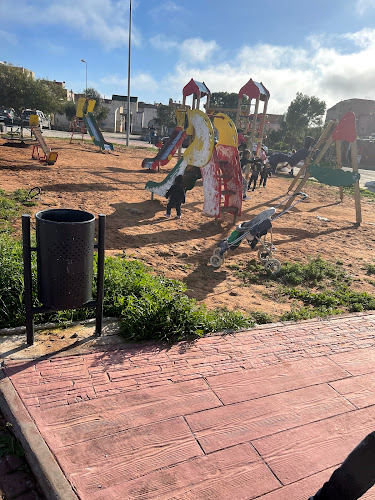
Parc jeux d’enfants El Haddada

La foire de kénitra
Find Accommodations Nearby
Recommended Tours & Activities
Visitor Reviews
There are no reviews yet. Be the first one to write one.
Share Your Experience
Have you visited Kenitra? Help other travelers by leaving a review.