Bangkok Thailand Traditional
About Bangkok Thailand Traditional
Description
Bangkok has this incredible way of preserving its ancient healing traditions while the modern city buzzes all around, and nowhere is this more apparent than in its traditional Thai massage establishments. This particular massage spa represents what authentic Thai bodywork is really about - not the tourist-trap quick fixes you'll find on every corner, but the genuine therapeutic practice that's been refined over centuries. Walking into a proper traditional Thai massage institute in Bangkok feels like stepping into a different era. The atmosphere immediately shifts from the chaos of Bangkok streets to something more grounded and purposeful. I remember my first real Thai massage in the city, and honestly, I had no idea what I was getting myself into. The pressure, the stretching, the way the practitioner uses their entire body weight - it's nothing like those gentle spa massages back home. What sets traditional Thai massage apart is its foundation in ancient healing principles. Practitioners work along energy lines called "sen" in the body, applying rhythmic pressure and assisted stretching that sometimes makes you feel like you're doing yoga, except someone else is doing all the work. The technique dates back over 2,500 years and incorporates influences from Indian, Chinese, and Southeast Asian healing traditions. This establishment has built quite a reputation among both locals and travelers who've done their homework. With wheelchair accessible facilities and modern payment options including contactless methods, it manages to honor tradition while acknowledging contemporary needs. The restroom facilities are available on-site, which might seem like a small detail but trust me, after a two-hour massage session, you'll appreciate not having to wander around looking for one. The space itself maintains that authentic feel without being overly decorated or trying too hard. Traditional Thai massage doesn't require fancy ambiance - the treatment itself is the star. You'll typically receive your massage on a firm mat on the floor rather than an elevated table, wearing loose clothing provided by the establishment. This isn't about luxury in the Western spa sense; it's about effective therapeutic bodywork.Key Features
The traditional massage experience here offers several distinctive elements that travelers should understand before booking: • Authentic Thai massage techniques performed by trained practitioners who understand the traditional sen energy line system and proper body mechanics • Floor-based massage approach using firm mats that allow practitioners to use their body weight effectively for deeper, more therapeutic pressure • Sessions typically range from one to two hours, with longer treatments allowing for more comprehensive full-body work • Wheelchair accessible entrance making the facility more inclusive than many traditional establishments in Bangkok • Appointment-based system that helps ensure practitioner availability and reduces waiting times, especially important during peak tourist seasons • Modern payment infrastructure accepting debit cards, credit cards, and NFC mobile payments alongside cash options • Clean restroom facilities available for clients before and after treatments • Loose cotton clothing provided for the massage session, eliminating the need to undress as you would for oil-based massage • Practitioners who can adjust pressure and technique based on individual comfort levels and physical conditions • Treatment approach that combines acupressure, assisted stretching, and rhythmic compression techniquesBest Time to Visit
Timing your visit to a traditional Thai massage spa in Bangkok requires thinking about both the city's seasonal patterns and daily rhythms. Bangkok's weather plays a bigger role than you might initially think - getting a massage when you're already overheated and drenched in sweat from walking around in 95-degree heat hits different than arriving fresh. The cooler months from November through February offer the most comfortable conditions for exploring Bangkok and incorporating massage into your daily routine. During this period, temperatures hover in the more manageable 75-85 degree range, and you're less likely to arrive at your appointment already exhausted from the heat. These months also coincide with peak tourist season though, which is why booking appointments in advance becomes really important. March through May brings Bangkok's hottest weather, with temperatures often exceeding 95 degrees and high humidity. But here's the thing - this can actually be an ideal time for massage visits. When it's too hot to comfortably walk around midday, scheduling a two-hour traditional massage in an air-conditioned space becomes the perfect way to break up your day. Plus, you might find slightly better availability since some travelers avoid Bangkok during these months. The rainy season from June through October shouldn't be dismissed. Sure, afternoon downpours are common, but they're usually short-lived. And honestly, is there anything better than getting a massage while rain pounds on the roof? The city is less crowded, prices sometimes drop a bit, and the rain cools things down considerably. As for time of day, morning appointments between 10 AM and noon work beautifully. You're fresh, your muscles haven't been stressed by a full day of sightseeing, and you can use the relaxed, loosened-up feeling to enhance the rest of your day. Late afternoon sessions around 4 or 5 PM also make sense - you've been walking around temples and markets all day, and your body is ready for some therapeutic attention. I'd actually avoid scheduling massage as your last activity before bed if you're getting traditional Thai massage. Unlike gentle Swedish massage, Thai bodywork is pretty stimulating and energizing. Some people find themselves alert and energized afterward rather than sleepy.How to Get There
Getting around Bangkok can feel overwhelming at first, but the city's transportation network is actually pretty efficient once you understand the options. For reaching traditional massage establishments, you've got several solid choices depending on where you're staying. The BTS Skytrain and MRT subway systems are your best friends in Bangkok. They're air-conditioned, affordable, reliable, and help you avoid the legendary Bangkok traffic jams. Check which station is closest to the massage spa location and plan your route accordingly. The trains run frequently during daytime hours, and signs are clearly marked in English. A single ride typically costs between 15-50 baht depending on distance. Taxis are abundant and relatively inexpensive compared to Western cities. Always insist the driver use the meter - it should start at 35 baht. If a driver refuses to use the meter, just get another taxi. For traditional massage places that aren't right next to BTS or MRT stations, taxis fill that gap perfectly. Just have the address written in Thai script or show it on your phone. Grab (Southeast Asia's version of Uber) works excellently in Bangkok and eliminates the meter negotiation entirely. The fare is set upfront through the app, and you can pay cashless if you've added a payment method. During rush hour or rain, prices surge a bit, but knowing the cost before you ride brings peace of mind. Tuk-tuks are fun and photogenic, but they're usually more expensive than metered taxis for tourists and the drivers will definitely try to take you to their friend's gem shop or suit tailor first. If you want the tuk-tuk experience, fine, but it's not the practical choice for getting to appointments on time. For the adventurous, Bangkok's public buses go everywhere and cost almost nothing (8-25 baht). But fair warning - routes are confusing, signs aren't always in English, and you'll be sweating in traffic without air conditioning in many cases. Walking works if you're staying nearby, but Bangkok's heat and chaotic sidewalks (when sidewalks exist) make longer walks pretty challenging. What looks like a short distance on Google Maps might take twice as long and leave you exhausted before your massage even begins.Tips for Visiting
Actually knowing what to expect before your first traditional Thai massage makes the experience so much better. These aren't the "secrets" everyone shares - this is practical stuff I wish someone had told me. Book your appointment ahead, especially if you're visiting during high season or want a specific time slot. While walk-ins might be accommodated, appointments recommended really means appointments strongly preferred at quality establishments. You can usually book by phone, messaging apps, or through various booking platforms, and confirmation only takes a minute. Arrive about 10-15 minutes early for your first visit. There's usually a brief intake form asking about medical conditions, injuries, or areas of concern. Being honest here matters - Thai massage can be intense, and practitioners need to know if you have back problems, recent surgery, or other conditions that require modified techniques. Eat lightly before your appointment. You don't want to be starving, but you also don't want a full stomach when someone's pressing their elbow into your abdomen or folding you into positions that compress your midsection. A light snack an hour or two before works perfectly. Traditional Thai massage happens over clothes, but wear or bring loose, comfortable clothing. Most places provide cotton pants and shirts, but they're often one-size-fits-most and might not fit larger body types comfortably. Your own loose yoga pants and a t-shirt work great. Communication is key, and "mai pen rai" (no problem) only gets you so far. If the pressure is too intense, speak up immediately. Practitioners want you to have a good experience, not suffer through it trying to be tough. The Thai phrase "bao bao" means gentle or light, and "nak nak" means strong or firm - learning these helps a lot. Hydrate before and after your session. Traditional Thai massage stimulates circulation and lymphatic drainage, and being well-hydrated helps your body process everything. The practitioners will usually offer water or tea afterward - drink it. Tip around 100-200 baht for standard sessions depending on length and quality. While not officially required, it's customary and greatly appreciated. Your practitioner has spent one to two hours applying significant physical effort for your benefit. Don't schedule back-to-back activities immediately after a long massage session. Give yourself time to ease back into the day. Your muscles will be loose, you might feel a bit spaced out in the best way, and rushing immediately to your next tourist activity wastes the therapeutic benefits. Be aware that traditional Thai massage can leave you slightly sore the next day, especially if you're not used to deep pressure and stretching. This is normal and actually indicates the treatment worked on tight areas. The soreness typically fades within a day. Photography policies vary, but generally, don't take photos during treatment out of respect for other clients and the practitioners. Getting a shot of the exterior or waiting area is usually fine, but ask first. Finally, understand that traditional Thai massage is different every time depending on your practitioner. Each person brings their own style, strength, and interpretation of the techniques. If you find someone whose approach really works for your body, ask for them by name when booking future appointments. Building that relationship creates continuity in your treatment that makes each session more effective. Traditional Thai massage in Bangkok isn't just a tourist activity to check off your list - it's a genuine therapeutic practice that locals use regularly for maintaining health and managing the physical stress of daily life. Approaching it with that mindset rather than expecting a relaxing spa day creates a more authentic and ultimately more beneficial experience.Key Features
- Key Features
- Best Time to Visit
- How to Get There
- Tips for Visiting
More Details
Updated January 16, 2026
Table of Contents
Description
Bangkok has this incredible way of preserving its ancient healing traditions while the modern city buzzes all around, and nowhere is this more apparent than in its traditional Thai massage establishments. This particular massage spa represents what authentic Thai bodywork is really about – not the tourist-trap quick fixes you’ll find on every corner, but the genuine therapeutic practice that’s been refined over centuries.
Walking into a proper traditional Thai massage institute in Bangkok feels like stepping into a different era. The atmosphere immediately shifts from the chaos of Bangkok streets to something more grounded and purposeful. I remember my first real Thai massage in the city, and honestly, I had no idea what I was getting myself into. The pressure, the stretching, the way the practitioner uses their entire body weight – it’s nothing like those gentle spa massages back home.
What sets traditional Thai massage apart is its foundation in ancient healing principles. Practitioners work along energy lines called “sen” in the body, applying rhythmic pressure and assisted stretching that sometimes makes you feel like you’re doing yoga, except someone else is doing all the work. The technique dates back over 2,500 years and incorporates influences from Indian, Chinese, and Southeast Asian healing traditions.
This establishment has built quite a reputation among both locals and travelers who’ve done their homework. With wheelchair accessible facilities and modern payment options including contactless methods, it manages to honor tradition while acknowledging contemporary needs. The restroom facilities are available on-site, which might seem like a small detail but trust me, after a two-hour massage session, you’ll appreciate not having to wander around looking for one.
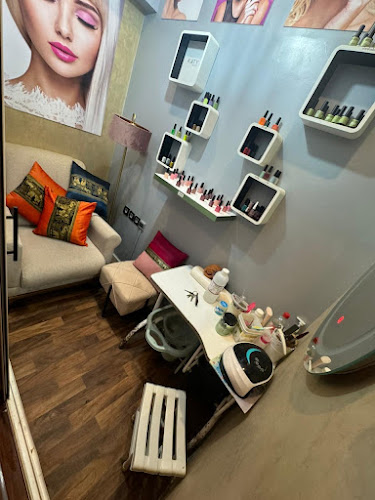
The space itself maintains that authentic feel without being overly decorated or trying too hard. Traditional Thai massage doesn’t require fancy ambiance – the treatment itself is the star. You’ll typically receive your massage on a firm mat on the floor rather than an elevated table, wearing loose clothing provided by the establishment. This isn’t about luxury in the Western spa sense; it’s about effective therapeutic bodywork.
Key Features
The traditional massage experience here offers several distinctive elements that travelers should understand before booking:
• Authentic Thai massage techniques performed by trained practitioners who understand the traditional sen energy line system and proper body mechanics
• Floor-based massage approach using firm mats that allow practitioners to use their body weight effectively for deeper, more therapeutic pressure
• Sessions typically range from one to two hours, with longer treatments allowing for more comprehensive full-body work
• Wheelchair accessible entrance making the facility more inclusive than many traditional establishments in Bangkok
• Appointment-based system that helps ensure practitioner availability and reduces waiting times, especially important during peak tourist seasons
• Modern payment infrastructure accepting debit cards, credit cards, and NFC mobile payments alongside cash options
• Clean restroom facilities available for clients before and after treatments
• Loose cotton clothing provided for the massage session, eliminating the need to undress as you would for oil-based massage
• Practitioners who can adjust pressure and technique based on individual comfort levels and physical conditions
• Treatment approach that combines acupressure, assisted stretching, and rhythmic compression techniques
Best Time to Visit
Timing your visit to a traditional Thai massage spa in Bangkok requires thinking about both the city’s seasonal patterns and daily rhythms. Bangkok’s weather plays a bigger role than you might initially think – getting a massage when you’re already overheated and drenched in sweat from walking around in 95-degree heat hits different than arriving fresh.
The cooler months from November through February offer the most comfortable conditions for exploring Bangkok and incorporating massage into your daily routine. During this period, temperatures hover in the more manageable 75-85 degree range, and you’re less likely to arrive at your appointment already exhausted from the heat. These months also coincide with peak tourist season though, which is why booking appointments in advance becomes really important.
March through May brings Bangkok’s hottest weather, with temperatures often exceeding 95 degrees and high humidity. But here’s the thing – this can actually be an ideal time for massage visits. When it’s too hot to comfortably walk around midday, scheduling a two-hour traditional massage in an air-conditioned space becomes the perfect way to break up your day. Plus, you might find slightly better availability since some travelers avoid Bangkok during these months.
The rainy season from June through October shouldn’t be dismissed. Sure, afternoon downpours are common, but they’re usually short-lived. And honestly, is there anything better than getting a massage while rain pounds on the roof? The city is less crowded, prices sometimes drop a bit, and the rain cools things down considerably.
As for time of day, morning appointments between 10 AM and noon work beautifully. You’re fresh, your muscles haven’t been stressed by a full day of sightseeing, and you can use the relaxed, loosened-up feeling to enhance the rest of your day. Late afternoon sessions around 4 or 5 PM also make sense – you’ve been walking around temples and markets all day, and your body is ready for some therapeutic attention.
I’d actually avoid scheduling massage as your last activity before bed if you’re getting traditional Thai massage. Unlike gentle Swedish massage, Thai bodywork is pretty stimulating and energizing. Some people find themselves alert and energized afterward rather than sleepy.
How to Get There
Getting around Bangkok can feel overwhelming at first, but the city’s transportation network is actually pretty efficient once you understand the options. For reaching traditional massage establishments, you’ve got several solid choices depending on where you’re staying.
The BTS Skytrain and MRT subway systems are your best friends in Bangkok. They’re air-conditioned, affordable, reliable, and help you avoid the legendary Bangkok traffic jams. Check which station is closest to the massage spa location and plan your route accordingly. The trains run frequently during daytime hours, and signs are clearly marked in English. A single ride typically costs between 15-50 baht depending on distance.
Taxis are abundant and relatively inexpensive compared to Western cities. Always insist the driver use the meter – it should start at 35 baht. If a driver refuses to use the meter, just get another taxi. For traditional massage places that aren’t right next to BTS or MRT stations, taxis fill that gap perfectly. Just have the address written in Thai script or show it on your phone.
Grab (Southeast Asia’s version of Uber) works excellently in Bangkok and eliminates the meter negotiation entirely. The fare is set upfront through the app, and you can pay cashless if you’ve added a payment method. During rush hour or rain, prices surge a bit, but knowing the cost before you ride brings peace of mind.
Tuk-tuks are fun and photogenic, but they’re usually more expensive than metered taxis for tourists and the drivers will definitely try to take you to their friend’s gem shop or suit tailor first. If you want the tuk-tuk experience, fine, but it’s not the practical choice for getting to appointments on time.
For the adventurous, Bangkok’s public buses go everywhere and cost almost nothing (8-25 baht). But fair warning – routes are confusing, signs aren’t always in English, and you’ll be sweating in traffic without air conditioning in many cases.
Walking works if you’re staying nearby, but Bangkok’s heat and chaotic sidewalks (when sidewalks exist) make longer walks pretty challenging. What looks like a short distance on Google Maps might take twice as long and leave you exhausted before your massage even begins.
Tips for Visiting
Actually knowing what to expect before your first traditional Thai massage makes the experience so much better. These aren’t the “secrets” everyone shares – this is practical stuff I wish someone had told me.
Book your appointment ahead, especially if you’re visiting during high season or want a specific time slot. While walk-ins might be accommodated, appointments recommended really means appointments strongly preferred at quality establishments. You can usually book by phone, messaging apps, or through various booking platforms, and confirmation only takes a minute.
Arrive about 10-15 minutes early for your first visit. There’s usually a brief intake form asking about medical conditions, injuries, or areas of concern. Being honest here matters – Thai massage can be intense, and practitioners need to know if you have back problems, recent surgery, or other conditions that require modified techniques.
Eat lightly before your appointment. You don’t want to be starving, but you also don’t want a full stomach when someone’s pressing their elbow into your abdomen or folding you into positions that compress your midsection. A light snack an hour or two before works perfectly.
Traditional Thai massage happens over clothes, but wear or bring loose, comfortable clothing. Most places provide cotton pants and shirts, but they’re often one-size-fits-most and might not fit larger body types comfortably. Your own loose yoga pants and a t-shirt work great.
Communication is key, and “mai pen rai” (no problem) only gets you so far. If the pressure is too intense, speak up immediately. Practitioners want you to have a good experience, not suffer through it trying to be tough. The Thai phrase “bao bao” means gentle or light, and “nak nak” means strong or firm – learning these helps a lot.
Hydrate before and after your session. Traditional Thai massage stimulates circulation and lymphatic drainage, and being well-hydrated helps your body process everything. The practitioners will usually offer water or tea afterward – drink it.
Tip around 100-200 baht for standard sessions depending on length and quality. While not officially required, it’s customary and greatly appreciated. Your practitioner has spent one to two hours applying significant physical effort for your benefit.
Don’t schedule back-to-back activities immediately after a long massage session. Give yourself time to ease back into the day. Your muscles will be loose, you might feel a bit spaced out in the best way, and rushing immediately to your next tourist activity wastes the therapeutic benefits.
Be aware that traditional Thai massage can leave you slightly sore the next day, especially if you’re not used to deep pressure and stretching. This is normal and actually indicates the treatment worked on tight areas. The soreness typically fades within a day.
Photography policies vary, but generally, don’t take photos during treatment out of respect for other clients and the practitioners. Getting a shot of the exterior or waiting area is usually fine, but ask first.
Finally, understand that traditional Thai massage is different every time depending on your practitioner. Each person brings their own style, strength, and interpretation of the techniques. If you find someone whose approach really works for your body, ask for them by name when booking future appointments. Building that relationship creates continuity in your treatment that makes each session more effective.
Traditional Thai massage in Bangkok isn’t just a tourist activity to check off your list – it’s a genuine therapeutic practice that locals use regularly for maintaining health and managing the physical stress of daily life. Approaching it with that mindset rather than expecting a relaxing spa day creates a more authentic and ultimately more beneficial experience.
Key Highlights
- Key Features
- Best Time to Visit
- How to Get There
- Tips for Visiting
Location
Places to Stay Near Bangkok Thailand Traditional
Find and Book a Tour
Explore More Travel Guides
No reviews found! Be the first to review!
Traveler Reviews for Bangkok Thailand Traditional
There are no reviews yet. Be the first one to write one.
Have you visited Bangkok Thailand Traditional? Help other travelers by sharing your review.
Find Accommodations Nearby
Recommended Tours & Activities
Visitor Reviews
There are no reviews yet. Be the first one to write one.
Share Your Experience
Have you visited Bangkok Thailand Traditional? Help other travelers by leaving a review.
