

Kazanskiy Zhenskiy Monastyr’
About Kazanskiy Zhenskiy Monastyr’
Description
The Kazanskiy Zhenskiy Monastyr' stands as one of those places that genuinely surprises you when you first walk through its gates. This Russian Orthodox monastery has been drawing visitors for decades, and honestly, it's not hard to see why once you spend some time there. The atmosphere hits you differently than your typical tourist spot—there's this quiet reverence mixed with architectural beauty that makes even the most rushed traveler slow down and take a breath. I remember talking to a fellow traveler who'd stumbled upon this monastery almost by accident, and she told me it ended up being the highlight of her entire trip. That's the thing about religious sites like this one—they often deliver experiences you weren't necessarily expecting. The monastery functions as both an active place of worship and a historical monument, which gives it this dual character that's pretty fascinating to observe. The grounds themselves tell stories through their architecture and layout. You'll find traditional Russian Orthodox design elements throughout, with domes and religious iconography that showcase centuries of artistic tradition. The monastery continues to serve its religious community while welcoming visitors from around the world, creating this interesting intersection of sacred space and cultural attraction. What strikes most people is how well-maintained everything is, considering the historical challenges many Russian religious sites have faced over the years.Key Features
The monastery offers several distinctive elements that set it apart from other religious sites in the region:- Active Religious Community: Unlike many historical monasteries that exist purely as museums, this one maintains its original purpose with practicing nuns who continue centuries-old traditions
- Architectural Significance: The buildings showcase traditional Russian Orthodox architectural styles with carefully preserved details and distinctive onion domes characteristic of the region
- Peaceful Grounds: The monastery territory provides quiet spaces for reflection and photography, offering a respite from the typical tourist hustle
- Cultural Immersion: Visitors gain authentic insight into Russian Orthodox practices and monastic life, which isn't something you encounter at every destination
- Historical Context: The site represents an important piece of regional religious history and has survived various political and social changes throughout Russian history
- Basic Amenities: Restroom facilities are available on-site, which is definitely worth knowing before you visit (trust me on this one)
- Photography Opportunities: The exterior and grounds offer numerous chances for memorable photos, though interior photography may have restrictions out of respect for worship spaces
- Accessibility for Various Travelers: The monastery welcomes international visitors and those unfamiliar with Orthodox traditions, making it approachable for diverse audiences
Best Time to Visit
Timing your visit to the Kazanskiy Zhenskiy Monastyr' can really make a difference in your experience. The monastery is open throughout the year, but each season brings its own character to the place. Spring and early summer months—roughly May through June—offer pleasant weather without the peak tourist crowds. The grounds look particularly beautiful when everything's blooming, and you can actually take your time exploring without feeling rushed or crowded. I've heard from visitors who came during this period that they had plenty of space for quiet contemplation and photography. Summer months from July through August draw more visitors, which makes sense given school holidays and vacation schedules. The weather is warm and comfortable, though you might encounter more tour groups. But honestly, even during busier periods, the monastery maintains a certain peaceful quality that doesn't get completely overwhelmed by crowds. Fall brings a different kind of beauty to the grounds. September and October offer cooler temperatures and fewer tourists, plus the changing foliage creates a stunning backdrop for the traditional architecture. If you don't mind bundling up a bit, this can be an ideal time for a more solitary experience. Winter visits require more preparation—you'll need proper cold-weather gear—but the monastery under snow has this ethereal quality that's really special. The Orthodox Christmas season brings particular significance to the site, with special services that visitors might find meaningful to observe (though check specific dates since Orthodox Christmas falls in January rather than December). Weekday mornings generally offer quieter visiting conditions than weekend afternoons, regardless of season. If you're someone who prefers contemplative spaces without lots of other tourists around, aim for earlier in the day on Tuesday through Thursday.How to Get There
Getting to the Kazanskiy Zhenskiy Monastyr' requires some planning, but it's definitely manageable even for first-time visitors to Russia. The monastery's location makes it accessible through several transportation options, though having some flexibility in your schedule helps. Public transportation provides the most economical route for budget-conscious travelers. Local buses and minibuses (marshrutkas) service the area, though you'll want to have your destination written in Cyrillic if your Russian language skills are limited. And honestly, even if you speak some Russian, having the monastery name written down helps avoid confusion. Bus routes can change, so confirming current schedules through your accommodation or a local tourism office before heading out is smart. Taxi services offer more convenience and directness. Both traditional taxis and ride-sharing apps operate in the region, with the apps often providing better price transparency for foreign visitors. The fare will depend on your starting point, but this option works well if you're traveling in a small group where you can split costs. Make sure your driver knows exactly which monastery you're visiting—there are several religious sites in many Russian cities, and you don't want to end up at the wrong one. Private tours sometimes include the monastery as part of broader religious or historical itineraries. This option costs more but provides context and historical information you might miss exploring independently. Tour guides can explain significance that isn't immediately obvious to outside visitors, which adds real value to the experience. If you're renting a car, GPS navigation systems generally recognize the monastery, though having a physical map as backup never hurts. Parking is available near the grounds, though spaces can be limited during peak visiting times or special religious observances. Walking from nearby accommodations is possible depending on where you're staying, and actually gives you a better sense of the surrounding area than arriving by vehicle. Just factor in weather conditions and your personal fitness level when deciding whether to walk.Tips for Visiting
Making the most of your visit to the Kazanskiy Zhenskiy Monastyr' involves some preparation and awareness of local customs. These aren't complicated rules, but following them shows respect and ensures a better experience for everyone. Dress appropriately for a religious site. This means covered shoulders and knees as bare minimum. Women should bring a headscarf—some monasteries provide them at the entrance, but having your own is better. Long skirts or pants work well, and men should avoid shorts and tank tops. You don't need to dress formally, just modestly. I've seen travelers turned away for inappropriate clothing, and it's an awkward situation nobody wants. Photography etiquette matters here. While exterior shots and grounds photography are generally acceptable, interior spaces may have restrictions. Always ask permission before photographing people, especially nuns or other worshippers. Some areas prohibit photography entirely during services. When in doubt, observe what others are doing or ask staff. Respectful behavior goes beyond clothing. Keep voices low, turn phones to silent mode, and avoid disruptive behavior. This is an active place of worship, not just a tourist attraction. If services are happening, you can usually observe quietly from designated areas, but don't wander around or interrupt. Timing your visit around service schedules can enhance or detract from your experience depending on what you're looking for. If you want to observe Orthodox worship, attending a service provides incredible insight. But if you prefer exploring the architecture and grounds without crowds, coming between services works better. Bringing cash is advisable even though some places accept cards now. You might want to make a small donation, purchase candles, or buy items from any monastery shop. Small bills and coins are most useful. Plan for at least an hour or two at the monastery if you want to properly explore. Rushed visits miss the point of these places. The whole atmosphere encourages slowing down and actually absorbing where you are rather than just checking another sight off your list. Language barriers exist, so having a translation app on your phone helps with reading signs or asking basic questions. Learning a few Russian phrases shows effort and often receives warm responses from locals. Restroom facilities are available, but they might not meet all Western standards for comfort. Bringing pocket tissues or hand sanitizer is practical advice for many places in Russia, and the monastery is no exception. Consider the spiritual dimension of your visit even if you're not religious yourself. This monastery means something profound to many people, and approaching it with openness and respect enriches the experience. You don't have to share the beliefs to appreciate the dedication, history, and beauty that religious devotion has created. Weather preparation matters since you'll be spending time outside on the grounds. Comfortable walking shoes are essential regardless of season. In summer, bring sun protection. In winter, serious cold-weather gear isn't optional—it's necessary. Check for any special events or closures before visiting. Religious holidays, major celebrations, or renovation work might affect access or change the normal atmosphere. Your hotel or local tourism information can usually provide current details. The monastery receives mostly positive feedback from visitors, which speaks to how well it maintains its dual role as worship space and cultural attraction. Approaching it with appropriate expectations—this is a working monastery, not a theme park—ensures you'll be among the many travelers who find it a meaningful and memorable stop.Key Features
- Late-19th-century women’s monastic foundation and historical continuity
- Distinctive blue Cathedral of Our Lady of Kazan and contrasting red Church of St. John the Baptist
- Well-preserved Russian Orthodox iconography and interior frescoes
- Peaceful cloistered grounds ideal for reflection and photography
- Accessible location near Yaroslavl city center with nearby cafes and transport links
More Details
Updated March 30, 2026
Table of Contents
Description
The Kazanskiy Zhenskiy Monastyr’ stands as one of those places that genuinely surprises you when you first walk through its gates. This Russian Orthodox monastery has been drawing visitors for decades, and honestly, it’s not hard to see why once you spend some time there. The atmosphere hits you differently than your typical tourist spot—there’s this quiet reverence mixed with architectural beauty that makes even the most rushed traveler slow down and take a breath.
I remember talking to a fellow traveler who’d stumbled upon this monastery almost by accident, and she told me it ended up being the highlight of her entire trip. That’s the thing about religious sites like this one—they often deliver experiences you weren’t necessarily expecting. The monastery functions as both an active place of worship and a historical monument, which gives it this dual character that’s pretty fascinating to observe.
The grounds themselves tell stories through their architecture and layout. You’ll find traditional Russian Orthodox design elements throughout, with domes and religious iconography that showcase centuries of artistic tradition. The monastery continues to serve its religious community while welcoming visitors from around the world, creating this interesting intersection of sacred space and cultural attraction. What strikes most people is how well-maintained everything is, considering the historical challenges many Russian religious sites have faced over the years.
Key Features
The monastery offers several distinctive elements that set it apart from other religious sites in the region:
- Active Religious Community: Unlike many historical monasteries that exist purely as museums, this one maintains its original purpose with practicing nuns who continue centuries-old traditions
- Architectural Significance: The buildings showcase traditional Russian Orthodox architectural styles with carefully preserved details and distinctive onion domes characteristic of the region
- Peaceful Grounds: The monastery territory provides quiet spaces for reflection and photography, offering a respite from the typical tourist hustle
- Cultural Immersion: Visitors gain authentic insight into Russian Orthodox practices and monastic life, which isn’t something you encounter at every destination
- Historical Context: The site represents an important piece of regional religious history and has survived various political and social changes throughout Russian history
- Basic Amenities: Restroom facilities are available on-site, which is definitely worth knowing before you visit (trust me on this one)
- Photography Opportunities: The exterior and grounds offer numerous chances for memorable photos, though interior photography may have restrictions out of respect for worship spaces
- Accessibility for Various Travelers: The monastery welcomes international visitors and those unfamiliar with Orthodox traditions, making it approachable for diverse audiences
Best Time to Visit
Timing your visit to the Kazanskiy Zhenskiy Monastyr’ can really make a difference in your experience. The monastery is open throughout the year, but each season brings its own character to the place.
Spring and early summer months—roughly May through June—offer pleasant weather without the peak tourist crowds. The grounds look particularly beautiful when everything’s blooming, and you can actually take your time exploring without feeling rushed or crowded. I’ve heard from visitors who came during this period that they had plenty of space for quiet contemplation and photography.
Summer months from July through August draw more visitors, which makes sense given school holidays and vacation schedules. The weather is warm and comfortable, though you might encounter more tour groups. But honestly, even during busier periods, the monastery maintains a certain peaceful quality that doesn’t get completely overwhelmed by crowds.
Fall brings a different kind of beauty to the grounds. September and October offer cooler temperatures and fewer tourists, plus the changing foliage creates a stunning backdrop for the traditional architecture. If you don’t mind bundling up a bit, this can be an ideal time for a more solitary experience.
Winter visits require more preparation—you’ll need proper cold-weather gear—but the monastery under snow has this ethereal quality that’s really special. The Orthodox Christmas season brings particular significance to the site, with special services that visitors might find meaningful to observe (though check specific dates since Orthodox Christmas falls in January rather than December).
Weekday mornings generally offer quieter visiting conditions than weekend afternoons, regardless of season. If you’re someone who prefers contemplative spaces without lots of other tourists around, aim for earlier in the day on Tuesday through Thursday.
How to Get There
Getting to the Kazanskiy Zhenskiy Monastyr’ requires some planning, but it’s definitely manageable even for first-time visitors to Russia. The monastery’s location makes it accessible through several transportation options, though having some flexibility in your schedule helps.
Public transportation provides the most economical route for budget-conscious travelers. Local buses and minibuses (marshrutkas) service the area, though you’ll want to have your destination written in Cyrillic if your Russian language skills are limited. And honestly, even if you speak some Russian, having the monastery name written down helps avoid confusion. Bus routes can change, so confirming current schedules through your accommodation or a local tourism office before heading out is smart.
Taxi services offer more convenience and directness. Both traditional taxis and ride-sharing apps operate in the region, with the apps often providing better price transparency for foreign visitors. The fare will depend on your starting point, but this option works well if you’re traveling in a small group where you can split costs. Make sure your driver knows exactly which monastery you’re visiting—there are several religious sites in many Russian cities, and you don’t want to end up at the wrong one.
Private tours sometimes include the monastery as part of broader religious or historical itineraries. This option costs more but provides context and historical information you might miss exploring independently. Tour guides can explain significance that isn’t immediately obvious to outside visitors, which adds real value to the experience.
If you’re renting a car, GPS navigation systems generally recognize the monastery, though having a physical map as backup never hurts. Parking is available near the grounds, though spaces can be limited during peak visiting times or special religious observances.
Walking from nearby accommodations is possible depending on where you’re staying, and actually gives you a better sense of the surrounding area than arriving by vehicle. Just factor in weather conditions and your personal fitness level when deciding whether to walk.
Tips for Visiting
Making the most of your visit to the Kazanskiy Zhenskiy Monastyr’ involves some preparation and awareness of local customs. These aren’t complicated rules, but following them shows respect and ensures a better experience for everyone.
Dress appropriately for a religious site. This means covered shoulders and knees as bare minimum. Women should bring a headscarf—some monasteries provide them at the entrance, but having your own is better. Long skirts or pants work well, and men should avoid shorts and tank tops. You don’t need to dress formally, just modestly. I’ve seen travelers turned away for inappropriate clothing, and it’s an awkward situation nobody wants.
Photography etiquette matters here. While exterior shots and grounds photography are generally acceptable, interior spaces may have restrictions. Always ask permission before photographing people, especially nuns or other worshippers. Some areas prohibit photography entirely during services. When in doubt, observe what others are doing or ask staff.
Respectful behavior goes beyond clothing. Keep voices low, turn phones to silent mode, and avoid disruptive behavior. This is an active place of worship, not just a tourist attraction. If services are happening, you can usually observe quietly from designated areas, but don’t wander around or interrupt.
Timing your visit around service schedules can enhance or detract from your experience depending on what you’re looking for. If you want to observe Orthodox worship, attending a service provides incredible insight. But if you prefer exploring the architecture and grounds without crowds, coming between services works better.
Bringing cash is advisable even though some places accept cards now. You might want to make a small donation, purchase candles, or buy items from any monastery shop. Small bills and coins are most useful.
Plan for at least an hour or two at the monastery if you want to properly explore. Rushed visits miss the point of these places. The whole atmosphere encourages slowing down and actually absorbing where you are rather than just checking another sight off your list.
Language barriers exist, so having a translation app on your phone helps with reading signs or asking basic questions. Learning a few Russian phrases shows effort and often receives warm responses from locals.
Restroom facilities are available, but they might not meet all Western standards for comfort. Bringing pocket tissues or hand sanitizer is practical advice for many places in Russia, and the monastery is no exception.
Consider the spiritual dimension of your visit even if you’re not religious yourself. This monastery means something profound to many people, and approaching it with openness and respect enriches the experience. You don’t have to share the beliefs to appreciate the dedication, history, and beauty that religious devotion has created.
Weather preparation matters since you’ll be spending time outside on the grounds. Comfortable walking shoes are essential regardless of season. In summer, bring sun protection. In winter, serious cold-weather gear isn’t optional—it’s necessary.
Check for any special events or closures before visiting. Religious holidays, major celebrations, or renovation work might affect access or change the normal atmosphere. Your hotel or local tourism information can usually provide current details.
The monastery receives mostly positive feedback from visitors, which speaks to how well it maintains its dual role as worship space and cultural attraction. Approaching it with appropriate expectations—this is a working monastery, not a theme park—ensures you’ll be among the many travelers who find it a meaningful and memorable stop.
Key Highlights
- Late-19th-century women’s monastic foundation and historical continuity
- Distinctive blue Cathedral of Our Lady of Kazan and contrasting red Church of St. John the Baptist
- Well-preserved Russian Orthodox iconography and interior frescoes
- Peaceful cloistered grounds ideal for reflection and photography
- Accessible location near Yaroslavl city center with nearby cafes and transport links
Location
Places to Stay Near Kazanskiy Zhenskiy Monastyr'
Find and Book a Tour
Explore More Travel Guides
No reviews found! Be the first to review!
Kazanskiy Zhenskiy Monastyr’ is a prominent attractions located in Yaroslavl.
Visit us at: Pervomayskaya Ulitsa, 19 А, Yaroslavl, Yaroslavl Oblast, Russia, 150000.
Traveler Reviews for Kazanskiy Zhenskiy Monastyr’
There are no reviews yet. Be the first one to write one.
Have you visited Kazanskiy Zhenskiy Monastyr’? Help other travelers by sharing your review.
Nearby Attractions
You Might Also Like

Monument to the 1000 anniversary of Yaroslavl
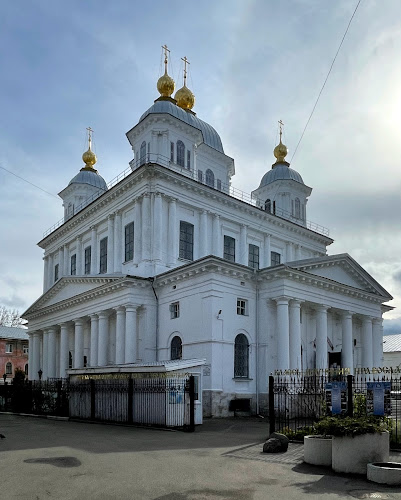
Kazanskiy Zhenskiy Monastyr
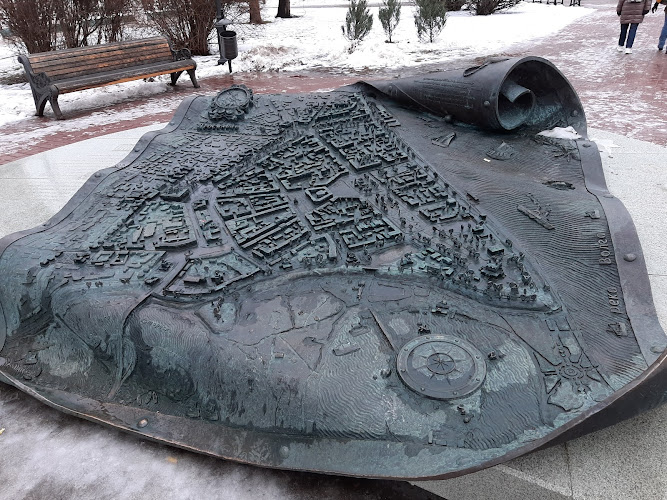
Bronzovaya Karta Yaroslavlya
Find Accommodations Nearby
Recommended Tours & Activities
Visitor Reviews
There are no reviews yet. Be the first one to write one.
Share Your Experience
Have you visited Kazanskiy Zhenskiy Monastyr’? Help other travelers by leaving a review.