
Kawainui Marsh Wildlife Sanctuary
About Kawainui Marsh Wildlife Sanctuary
Description
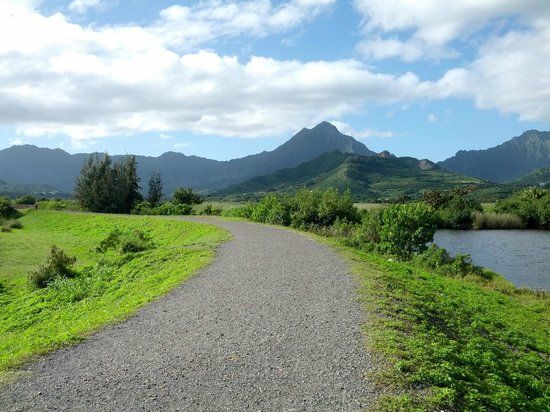
Kawainui Marsh Wildlife Sanctuary sprawls across more than 800 acres of wetland in Kailua, making it one of Hawaii's largest ancient fishponds and a genuinely special place that most tourists completely miss. And honestly? That's part of what makes it so incredible. While everyone else is fighting for parking at Lanikai Beach, you can be walking among native Hawaiian waterbirds in what feels like stepping back in time to pre-contact Hawaii. The sanctuary isn't your typical postcard-perfect Hawaiian attraction, which threw me off when I first visited. There aren't any dramatic cliffs or turquoise lagoons here. Instead, you get this expansive marsh ecosystem that's been feeding Hawaiian communities for over a thousand years. The whole area was once a massive fishpond system called a loko i'a, and walking the trails today, you can still sense that deep cultural significance embedded in the landscape. What really strikes you is how quiet it gets out here, despite being surrounded by residential neighborhoods. The marsh has this way of swallowing up the sounds of modern life, and before you know it, you're surrounded by nothing but bird calls and rustling grasses. It's the kind of place where you can actually hear yourself think, which is rarer than you'd expect in Hawaii these days. The main trail runs along a levee system that gives you elevated views across the wetland, and on clear days, the Ko'olau Mountains create this stunning backdrop that makes every photo look like something from a nature documentary. But what the sanctuary does best is offering a completely different side of Hawaii that doesn't involve beaches or luaus or any of the usual tourist stuff.Key Features
The sanctuary packs in some pretty remarkable features that set it apart from your standard Hawaiian nature walk:- Over 800 acres of preserved wetland habitat that represents one of the last remaining examples of traditional Hawaiian fishpond ecosystems
- Home to four species of endangered Hawaiian waterbirds including the ae'o (Hawaiian stilt), 'alae ke'oke'o (Hawaiian coot), 'alae 'ula (Hawaiian moorhen), and koloa maoli (Hawaiian duck)
- A flat, well-maintained trail system perfect for all fitness levels, with the main path stretching approximately 2.5 miles one way
- Wheelchair accessible facilities and parking, making it genuinely accessible for visitors with mobility considerations
- Native Hawaiian plants throughout the marsh including sedges, grasses, and coastal vegetation that you won't see in most tourist areas
- Cultural and historical significance as an ancient agricultural site that sustained Native Hawaiian communities for centuries
- Dog-friendly trails where leashed pets are welcome to explore alongside their owners
- Completely free admission with no entrance fees or parking charges
- Opportunities for photography, birdwatching, and nature observation without the crowds found at more popular attractions
- Educational interpretive signs along the trail that explain the marsh's ecology and cultural history
Best Time to Visit
Timing your visit to Kawainui Marsh can make the difference between a pleasant walk and an absolutely magical experience. Early mornings are hands-down the best time to show up, ideally around sunrise or shortly after. The birds are most active then, the light is gorgeous for photography, and temperatures are still comfortable before the Hawaiian sun really gets going. I've learned the hard way that midday visits during summer months can be pretty brutal. There's limited shade along the levee trail, and the sun reflects off the water in ways that'll have you squinting the whole time. If you can only visit during the middle of the day, bring serious sun protection and maybe reconsider your life choices that led to walking through an open marsh at noon. The winter months from November through March bring cooler temperatures and sometimes more bird activity, particularly migratory species passing through. But you're also more likely to encounter rain showers, which can make the trail muddy in spots. The marsh takes on a different character in the rain though - more moody and atmospheric if that's your thing. Weekday mornings see fewer visitors than weekends, which matters if you're hoping for solitude and better wildlife viewing. Birds don't love crowds any more than introverts do, so they tend to keep their distance when groups of people are tromping along the trail. Avoid visiting right after heavy rains, as portions of the trail can flood and become difficult to navigate. The marsh is doing exactly what wetlands are supposed to do - absorbing and managing water - but that doesn't make for ideal hiking conditions. Sunset visits have their own appeal, with golden light washing across the marsh and the Ko'olau Mountains turning purple in the fading light. Just make sure you have enough time to get back before dark, as there's no trail lighting whatsoever.How to Get There
Getting to Kawainui Marsh is straightforward enough once you know where you're going, though GPS can sometimes get a bit confused about which entrance to send you toward. The main trailhead has parking facilities and is the best starting point for most visitors. From Waikiki or Honolulu, you're looking at about a 30-minute drive under normal traffic conditions. Take the Pali Highway (Highway 61) through the tunnel, then follow it as it becomes Kailua Road heading into Kailua town. The sanctuary sits right there along Kailua Road, though you'll need to watch for the entrance since it's not as obviously marked as you might expect. Public transportation is possible but not particularly convenient. TheBus route 70 runs to Kailua from downtown Honolulu, but you'll still need to walk a bit from the bus stops to reach the trailhead. For most travelers, having a rental car makes way more sense. Parking is free in the designated lot, which is wheelchair accessible as mentioned earlier. The lot isn't huge though, maybe 20-30 spaces, and it can fill up on weekend mornings when local families come out for walks. I've never seen it completely full, but arriving early guarantees you a spot. If you're already in Kailua town, you can actually bike to the sanctuary pretty easily. The roads have bike lanes, and there are places to secure your bike near the trailhead. Some people even walk over from nearby neighborhoods, making it part of their regular exercise routine. The entrance is clearly marked once you're on Kailua Road heading toward town from the Pali Highway. Just keep your eyes open because it comes up quicker than you'd think, and missing it means circling back through residential streets.Tips for Visiting
Bringing binoculars completely transforms the experience at Kawainui Marsh. Seriously, even cheap ones make a huge difference for spotting birds across the wetland. I didn't bring any my first visit and spent the whole time squinting at distant shapes that may or may not have been endangered waterbirds. Sun protection is non-negotiable here. We're talking sunscreen, hat, sunglasses - the whole arsenal. That levee trail offers virtually zero shade, and the Hawaiian sun is no joke even on overcast days. I once saw a tourist who clearly skipped the sunscreen, and they looked like a boiled lobster by the time they made it back. Water is essential, especially for longer walks. There are no facilities or water fountains along the trail, so bring more than you think you'll need. The combination of sun exposure and humidity means you'll be sweating more than you realize. Wear comfortable walking shoes with decent tread. The trail is mostly flat and well-maintained, but sections can be uneven or muddy depending on recent weather. Those cute sandals you wore on the beach aren't gonna cut it here. Keep dogs leashed at all times, both for their safety and to avoid disturbing the bird populations. The sanctuary allows dogs, which is awesome, but it comes with the responsibility of not letting them chase endangered species. Bring a camera or make sure your phone is charged. The photo opportunities are incredible, from close-ups of native plants to wide shots of the marsh with the mountains behind. The light changes throughout your walk, creating different moods and compositions. Bug spray might be helpful, particularly during wetter months or early morning visits. Mosquitoes exist in wetland environments - shocking, I know - though they're usually not terrible. But a few bites can really ruin an otherwise perfect walk. Stay on designated trails to protect the delicate wetland ecosystem and avoid disturbing nesting birds. There are areas marked as sensitive habitat, and respecting those boundaries is crucial for conservation efforts. Pack out everything you pack in. There aren't trash cans along the trail, and honestly, that's how it should be. Leave no trace principles apply here just like anywhere else in nature. Check the weather before you go, particularly during winter months. A brief rain shower is fine, but you don't want to be caught in a serious storm on an exposed levee trail with nowhere to take shelter. Consider bringing a small field guide to Hawaiian birds or downloading one on your phone beforehand. Being able to identify what you're seeing adds another layer of appreciation to the experience, and you might actually remember the names of those endangered species you're observing. Visit the sanctuary's information boards near the trailhead before setting out. They provide context about the marsh's history, ecology, and cultural significance that enriches the whole experience. Five minutes reading those signs will change how you see everything along the trail. And finally, take your time out there. This isn't a race or a workout - well, it can be if that's your thing - but the real value of Kawainui Marsh reveals itself when you slow down, pay attention, and let yourself notice the details. The way morning light catches on a bird's wing, the patterns in the grasses, the silence that feels almost sacred. That's the stuff you'll remember long after you've forgotten which beach you went to on which day.Key Features
- Over 800 acres of preserved wetland habitat that represents one of the last remaining examples of traditional Hawaiian fishpond ecosystems
- Home to four species of endangered Hawaiian waterbirds including the ae'o (Hawaiian stilt), 'alae ke'oke'o (Hawaiian coot), 'alae 'ula (Hawaiian moorhen), and koloa maoli (Hawaiian duck)
- A flat, well-maintained trail system perfect for all fitness levels, with the main path stretching approximately 2.5 miles one way
- Wheelchair accessible facilities and parking, making it genuinely accessible for visitors with mobility considerations
- Native Hawaiian plants throughout the marsh including sedges, grasses, and coastal vegetation that you won't see in most tourist areas
- Cultural and historical significance as an ancient agricultural site that sustained Native Hawaiian communities for centuries
- Dog-friendly trails where leashed pets are welcome to explore alongside their owners
- Completely free admission with no entrance fees or parking charges
More Details
Updated March 30, 2026
Table of Contents
Description
Kawainui Marsh Wildlife Sanctuary sprawls across more than 800 acres of wetland in Kailua, making it one of Hawaii’s largest ancient fishponds and a genuinely special place that most tourists completely miss. And honestly? That’s part of what makes it so incredible. While everyone else is fighting for parking at Lanikai Beach, you can be walking among native Hawaiian waterbirds in what feels like stepping back in time to pre-contact Hawaii.
The sanctuary isn’t your typical postcard-perfect Hawaiian attraction, which threw me off when I first visited. There aren’t any dramatic cliffs or turquoise lagoons here. Instead, you get this expansive marsh ecosystem that’s been feeding Hawaiian communities for over a thousand years. The whole area was once a massive fishpond system called a loko i’a, and walking the trails today, you can still sense that deep cultural significance embedded in the landscape.
What really strikes you is how quiet it gets out here, despite being surrounded by residential neighborhoods. The marsh has this way of swallowing up the sounds of modern life, and before you know it, you’re surrounded by nothing but bird calls and rustling grasses. It’s the kind of place where you can actually hear yourself think, which is rarer than you’d expect in Hawaii these days.
The main trail runs along a levee system that gives you elevated views across the wetland, and on clear days, the Ko’olau Mountains create this stunning backdrop that makes every photo look like something from a nature documentary. But what the sanctuary does best is offering a completely different side of Hawaii that doesn’t involve beaches or luaus or any of the usual tourist stuff.
Key Features
The sanctuary packs in some pretty remarkable features that set it apart from your standard Hawaiian nature walk:
- Over 800 acres of preserved wetland habitat that represents one of the last remaining examples of traditional Hawaiian fishpond ecosystems
- Home to four species of endangered Hawaiian waterbirds including the ae’o (Hawaiian stilt), ‘alae ke’oke’o (Hawaiian coot), ‘alae ‘ula (Hawaiian moorhen), and koloa maoli (Hawaiian duck)
- A flat, well-maintained trail system perfect for all fitness levels, with the main path stretching approximately 2.5 miles one way
- Wheelchair accessible facilities and parking, making it genuinely accessible for visitors with mobility considerations
- Native Hawaiian plants throughout the marsh including sedges, grasses, and coastal vegetation that you won’t see in most tourist areas
- Cultural and historical significance as an ancient agricultural site that sustained Native Hawaiian communities for centuries
- Dog-friendly trails where leashed pets are welcome to explore alongside their owners
- Completely free admission with no entrance fees or parking charges
- Opportunities for photography, birdwatching, and nature observation without the crowds found at more popular attractions
- Educational interpretive signs along the trail that explain the marsh’s ecology and cultural history
Best Time to Visit
Timing your visit to Kawainui Marsh can make the difference between a pleasant walk and an absolutely magical experience. Early mornings are hands-down the best time to show up, ideally around sunrise or shortly after. The birds are most active then, the light is gorgeous for photography, and temperatures are still comfortable before the Hawaiian sun really gets going.
I’ve learned the hard way that midday visits during summer months can be pretty brutal. There’s limited shade along the levee trail, and the sun reflects off the water in ways that’ll have you squinting the whole time. If you can only visit during the middle of the day, bring serious sun protection and maybe reconsider your life choices that led to walking through an open marsh at noon.
The winter months from November through March bring cooler temperatures and sometimes more bird activity, particularly migratory species passing through. But you’re also more likely to encounter rain showers, which can make the trail muddy in spots. The marsh takes on a different character in the rain though – more moody and atmospheric if that’s your thing.
Weekday mornings see fewer visitors than weekends, which matters if you’re hoping for solitude and better wildlife viewing. Birds don’t love crowds any more than introverts do, so they tend to keep their distance when groups of people are tromping along the trail.
Avoid visiting right after heavy rains, as portions of the trail can flood and become difficult to navigate. The marsh is doing exactly what wetlands are supposed to do – absorbing and managing water – but that doesn’t make for ideal hiking conditions.
Sunset visits have their own appeal, with golden light washing across the marsh and the Ko’olau Mountains turning purple in the fading light. Just make sure you have enough time to get back before dark, as there’s no trail lighting whatsoever.
How to Get There
Getting to Kawainui Marsh is straightforward enough once you know where you’re going, though GPS can sometimes get a bit confused about which entrance to send you toward. The main trailhead has parking facilities and is the best starting point for most visitors.
From Waikiki or Honolulu, you’re looking at about a 30-minute drive under normal traffic conditions. Take the Pali Highway (Highway 61) through the tunnel, then follow it as it becomes Kailua Road heading into Kailua town. The sanctuary sits right there along Kailua Road, though you’ll need to watch for the entrance since it’s not as obviously marked as you might expect.
Public transportation is possible but not particularly convenient. TheBus route 70 runs to Kailua from downtown Honolulu, but you’ll still need to walk a bit from the bus stops to reach the trailhead. For most travelers, having a rental car makes way more sense.
Parking is free in the designated lot, which is wheelchair accessible as mentioned earlier. The lot isn’t huge though, maybe 20-30 spaces, and it can fill up on weekend mornings when local families come out for walks. I’ve never seen it completely full, but arriving early guarantees you a spot.
If you’re already in Kailua town, you can actually bike to the sanctuary pretty easily. The roads have bike lanes, and there are places to secure your bike near the trailhead. Some people even walk over from nearby neighborhoods, making it part of their regular exercise routine.
The entrance is clearly marked once you’re on Kailua Road heading toward town from the Pali Highway. Just keep your eyes open because it comes up quicker than you’d think, and missing it means circling back through residential streets.
Tips for Visiting
Bringing binoculars completely transforms the experience at Kawainui Marsh. Seriously, even cheap ones make a huge difference for spotting birds across the wetland. I didn’t bring any my first visit and spent the whole time squinting at distant shapes that may or may not have been endangered waterbirds.
Sun protection is non-negotiable here. We’re talking sunscreen, hat, sunglasses – the whole arsenal. That levee trail offers virtually zero shade, and the Hawaiian sun is no joke even on overcast days. I once saw a tourist who clearly skipped the sunscreen, and they looked like a boiled lobster by the time they made it back.
Water is essential, especially for longer walks. There are no facilities or water fountains along the trail, so bring more than you think you’ll need. The combination of sun exposure and humidity means you’ll be sweating more than you realize.
Wear comfortable walking shoes with decent tread. The trail is mostly flat and well-maintained, but sections can be uneven or muddy depending on recent weather. Those cute sandals you wore on the beach aren’t gonna cut it here.
Keep dogs leashed at all times, both for their safety and to avoid disturbing the bird populations. The sanctuary allows dogs, which is awesome, but it comes with the responsibility of not letting them chase endangered species.
Bring a camera or make sure your phone is charged. The photo opportunities are incredible, from close-ups of native plants to wide shots of the marsh with the mountains behind. The light changes throughout your walk, creating different moods and compositions.
Bug spray might be helpful, particularly during wetter months or early morning visits. Mosquitoes exist in wetland environments – shocking, I know – though they’re usually not terrible. But a few bites can really ruin an otherwise perfect walk.
Stay on designated trails to protect the delicate wetland ecosystem and avoid disturbing nesting birds. There are areas marked as sensitive habitat, and respecting those boundaries is crucial for conservation efforts.
Pack out everything you pack in. There aren’t trash cans along the trail, and honestly, that’s how it should be. Leave no trace principles apply here just like anywhere else in nature.
Check the weather before you go, particularly during winter months. A brief rain shower is fine, but you don’t want to be caught in a serious storm on an exposed levee trail with nowhere to take shelter.
Consider bringing a small field guide to Hawaiian birds or downloading one on your phone beforehand. Being able to identify what you’re seeing adds another layer of appreciation to the experience, and you might actually remember the names of those endangered species you’re observing.
Visit the sanctuary’s information boards near the trailhead before setting out. They provide context about the marsh’s history, ecology, and cultural significance that enriches the whole experience. Five minutes reading those signs will change how you see everything along the trail.
And finally, take your time out there. This isn’t a race or a workout – well, it can be if that’s your thing – but the real value of Kawainui Marsh reveals itself when you slow down, pay attention, and let yourself notice the details. The way morning light catches on a bird’s wing, the patterns in the grasses, the silence that feels almost sacred. That’s the stuff you’ll remember long after you’ve forgotten which beach you went to on which day.
Key Highlights
- Over 800 acres of preserved wetland habitat that represents one of the last remaining examples of traditional Hawaiian fishpond ecosystems
- Home to four species of endangered Hawaiian waterbirds including the ae'o (Hawaiian stilt), 'alae ke'oke'o (Hawaiian coot), 'alae 'ula (Hawaiian moorhen), and koloa maoli (Hawaiian duck)
- A flat, well-maintained trail system perfect for all fitness levels, with the main path stretching approximately 2.5 miles one way
- Wheelchair accessible facilities and parking, making it genuinely accessible for visitors with mobility considerations
- Native Hawaiian plants throughout the marsh including sedges, grasses, and coastal vegetation that you won't see in most tourist areas
- Cultural and historical significance as an ancient agricultural site that sustained Native Hawaiian communities for centuries
- Dog-friendly trails where leashed pets are welcome to explore alongside their owners
- Completely free admission with no entrance fees or parking charges
Location
Places to Stay Near Kawainui Marsh Wildlife Sanctuary
Find and Book a Tour
Explore More Travel Guides
No reviews found! Be the first to review!
Kawainui Marsh Wildlife Sanctuary is a prominent attractions located in Kailua.
Visit us at: Kailua, HI 96734.
Traveler Reviews for Kawainui Marsh Wildlife Sanctuary
There are no reviews yet. Be the first one to write one.
Have you visited Kawainui Marsh Wildlife Sanctuary? Help other travelers by sharing your review.
You Might Also Like
Kawainui Marsh Bike Trail
Lanikai Beach
Lanikai Monument
Find Accommodations Nearby
Recommended Tours & Activities
Visitor Reviews
There are no reviews yet. Be the first one to write one.
Share Your Experience
Have you visited Kawainui Marsh Wildlife Sanctuary? Help other travelers by leaving a review.