
Katsina Stable
About Katsina Stable
Description
The Katsina Stable is one of those historical landmarks that quietly holds the stories of a bygone era. It’s not just a building—it’s a living piece of Katsina’s history, echoing with the sounds of hooves, the scent of earth, and the whispers of centuries-old traditions. Located in the heart of Katsina, this stable has long been associated with the royal heritage of the ancient Hausa kingdom, where horses were more than just animals—they were symbols of pride, power, and prestige. Walking through the stable, you can almost feel the weight of history pressing gently around you, like the faint trace of dust stirred by a galloping horse.
What makes this place truly special is how it bridges the old and the new. The stable still retains its traditional Hausa architectural flair—mud-brick walls, intricate wooden beams, and arched doorways that speak of craftsmanship from another time. Yet, there’s a sense of calm here that feels timeless. You’ll see children running about, families exploring, and travelers snapping photos of the sturdy horses that are still kept here for ceremonial and cultural events. It’s a spot that feels both grounded and magical, a rare combination in today’s fast-moving world.
Personally, I remember my first visit here—it was a hot afternoon, and the smell of hay mixed with the faint aroma of roasted groundnuts from a nearby vendor. I found myself chatting with one of the caretakers, an elderly man who had worked there for over thirty years. He told me stories of how the horses were once prepared for royal processions, their saddles adorned with colorful leather and silver ornaments. Listening to him, I realized that the Katsina Stable isn’t just about horses—it’s about heritage, community, and the quiet dignity of tradition passed down through generations.
Key Features
- Historical Architecture: The structure showcases traditional Hausa design with earthen walls and wooden supports that have stood the test of time.
- Royal Heritage: Once part of the royal domain, the stable played a key role in housing horses used by Katsina’s rulers and warriors.
- Cultural Significance: The site remains an important part of local festivals and ceremonies, especially during the Durbar celebrations.
- Educational Value: Visitors can learn about horse breeding, care, and the cultural importance of horses in northern Nigeria’s history.
- Family-Friendly Environment: The stable is open to children and families, making it an engaging experience for visitors of all ages.
- Photography Opportunities: The earthy tones, traditional designs, and majestic horses make it a perfect spot for photography enthusiasts.
And honestly, one of the best parts is how approachable it feels. You don’t need to be a history buff to appreciate it. Even if you’re just wandering through, you’ll sense the quiet pride of a place that has seen centuries come and go. The caretakers are usually happy to share stories, and if you’re lucky, you might even catch a glimpse of a local horse training session—an experience that feels almost cinematic in the dusty golden light of late afternoon.
Best Time to Visit
If you’re planning a trip, timing matters. Katsina can get quite hot, especially around April and May, so the cooler months between November and February are ideal. The mornings are crisp, and the evenings carry a gentle breeze that makes exploring far more comfortable. But if you’re after a truly unforgettable experience, try to visit during the Durbar Festival, which usually takes place around major Islamic holidays. The stable comes alive then—horses dressed in vibrant regalia, riders in traditional attire, drums beating in rhythm with the excitement of the crowd. It’s a sight that stays with you long after you leave.
That said, even outside the festival season, the stable has its own charm. The quiet days allow you to take in the details—the texture of the walls, the rhythmic sound of hooves, the occasional laughter of children nearby. It’s peaceful in a way that feels almost meditative. Bring a hat, some water, and a curious heart—you’ll find the experience rewarding in its simplicity.
How to Get There
Getting to the Katsina Stable is relatively straightforward if you’re already in Katsina city. The roads are well connected, and taxis or local tricycles (popularly called keke) can take you close to the site. If you’re coming from outside the state, the nearest major airport is in Katsina itself, which receives flights from Abuja and other Nigerian cities. From the airport, it’s just a short drive through town—a journey that offers glimpses of everyday life in northern Nigeria, from bustling markets to quiet courtyards shaded by neem trees.
For those who prefer a bit of adventure, road trips from neighboring states like Kano or Kaduna can be quite scenic. You’ll pass through stretches of open savannah, dotted with villages and herds of cattle, before arriving in Katsina. Just be sure to plan your trip during daylight hours, as rural roads can be tricky to navigate at night. And if you’re traveling with kids, pack some snacks—they’ll thank you later.
Tips for Visiting
Visiting the Katsina Stable is more than just a sightseeing stop—it’s a chance to step into a living story. To make the most of your visit, here are a few tips I’ve picked up along the way:
- Dress Modestly: Katsina is a culturally conservative area, so light, modest clothing is best. Long sleeves and comfortable shoes are a good idea, especially if you plan to walk around.
- Bring Cash: While some places in town accept digital payments, small cash notes are handy for buying local snacks or tipping guides.
- Ask Before Taking Photos: Out of respect for the caretakers and locals, always ask before photographing people or private areas of the stable.
- Stay Hydrated: The heat can sneak up on you, so carry water and take breaks in shaded spots.
- Engage with Locals: Don’t be shy—chat with the guides or stable hands. They often share fascinating stories that you won’t find in any guidebook.
- Plan for a Few Hours: Give yourself time to wander, observe, and soak in the atmosphere rather than rushing through.
And here’s a little personal tip—if you’re into journaling or sketching, bring your notebook. There’s something about sitting quietly by the stable wall, watching the horses move in the afternoon sun, that stirs creativity. I once spent an hour just sketching the patterns on a horse’s saddle, and it turned into one of my favorite travel memories. It’s that kind of place—simple, grounded, and quietly inspiring.
In the end, the Katsina Stable isn’t just a destination; it’s a window into Nigeria’s deep-rooted traditions. It reminds visitors that history isn’t always found in grand palaces or museums—sometimes it lives in humble stables, in the rhythm of hooves, and in the stories of those who keep the legacy alive. Whether you’re a traveler seeking culture, a photographer chasing authenticity, or a family looking for a meaningful day out, this place offers a glimpse of the past that still feels alive today. And honestly, that’s what makes it worth every moment spent there.
Key Features
- Key Features
- Best Time to Visit
- How to Get There
- Tips for Visiting
More Details
Updated December 1, 2025
Table of Contents
Description
The Katsina Stable is one of those historical landmarks that quietly holds the stories of a bygone era. It’s not just a building—it’s a living piece of Katsina’s history, echoing with the sounds of hooves, the scent of earth, and the whispers of centuries-old traditions. Located in the heart of Katsina, this stable has long been associated with the royal heritage of the ancient Hausa kingdom, where horses were more than just animals—they were symbols of pride, power, and prestige. Walking through the stable, you can almost feel the weight of history pressing gently around you, like the faint trace of dust stirred by a galloping horse.
What makes this place truly special is how it bridges the old and the new. The stable still retains its traditional Hausa architectural flair—mud-brick walls, intricate wooden beams, and arched doorways that speak of craftsmanship from another time. Yet, there’s a sense of calm here that feels timeless. You’ll see children running about, families exploring, and travelers snapping photos of the sturdy horses that are still kept here for ceremonial and cultural events. It’s a spot that feels both grounded and magical, a rare combination in today’s fast-moving world.
Personally, I remember my first visit here—it was a hot afternoon, and the smell of hay mixed with the faint aroma of roasted groundnuts from a nearby vendor. I found myself chatting with one of the caretakers, an elderly man who had worked there for over thirty years. He told me stories of how the horses were once prepared for royal processions, their saddles adorned with colorful leather and silver ornaments. Listening to him, I realized that the Katsina Stable isn’t just about horses—it’s about heritage, community, and the quiet dignity of tradition passed down through generations.
Key Features
- Historical Architecture: The structure showcases traditional Hausa design with earthen walls and wooden supports that have stood the test of time.
- Royal Heritage: Once part of the royal domain, the stable played a key role in housing horses used by Katsina’s rulers and warriors.
- Cultural Significance: The site remains an important part of local festivals and ceremonies, especially during the Durbar celebrations.
- Educational Value: Visitors can learn about horse breeding, care, and the cultural importance of horses in northern Nigeria’s history.
- Family-Friendly Environment: The stable is open to children and families, making it an engaging experience for visitors of all ages.
- Photography Opportunities: The earthy tones, traditional designs, and majestic horses make it a perfect spot for photography enthusiasts.
And honestly, one of the best parts is how approachable it feels. You don’t need to be a history buff to appreciate it. Even if you’re just wandering through, you’ll sense the quiet pride of a place that has seen centuries come and go. The caretakers are usually happy to share stories, and if you’re lucky, you might even catch a glimpse of a local horse training session—an experience that feels almost cinematic in the dusty golden light of late afternoon.
Best Time to Visit
If you’re planning a trip, timing matters. Katsina can get quite hot, especially around April and May, so the cooler months between November and February are ideal. The mornings are crisp, and the evenings carry a gentle breeze that makes exploring far more comfortable. But if you’re after a truly unforgettable experience, try to visit during the Durbar Festival, which usually takes place around major Islamic holidays. The stable comes alive then—horses dressed in vibrant regalia, riders in traditional attire, drums beating in rhythm with the excitement of the crowd. It’s a sight that stays with you long after you leave.
That said, even outside the festival season, the stable has its own charm. The quiet days allow you to take in the details—the texture of the walls, the rhythmic sound of hooves, the occasional laughter of children nearby. It’s peaceful in a way that feels almost meditative. Bring a hat, some water, and a curious heart—you’ll find the experience rewarding in its simplicity.
How to Get There
Getting to the Katsina Stable is relatively straightforward if you’re already in Katsina city. The roads are well connected, and taxis or local tricycles (popularly called keke) can take you close to the site. If you’re coming from outside the state, the nearest major airport is in Katsina itself, which receives flights from Abuja and other Nigerian cities. From the airport, it’s just a short drive through town—a journey that offers glimpses of everyday life in northern Nigeria, from bustling markets to quiet courtyards shaded by neem trees.
For those who prefer a bit of adventure, road trips from neighboring states like Kano or Kaduna can be quite scenic. You’ll pass through stretches of open savannah, dotted with villages and herds of cattle, before arriving in Katsina. Just be sure to plan your trip during daylight hours, as rural roads can be tricky to navigate at night. And if you’re traveling with kids, pack some snacks—they’ll thank you later.
Tips for Visiting
Visiting the Katsina Stable is more than just a sightseeing stop—it’s a chance to step into a living story. To make the most of your visit, here are a few tips I’ve picked up along the way:
- Dress Modestly: Katsina is a culturally conservative area, so light, modest clothing is best. Long sleeves and comfortable shoes are a good idea, especially if you plan to walk around.
- Bring Cash: While some places in town accept digital payments, small cash notes are handy for buying local snacks or tipping guides.
- Ask Before Taking Photos: Out of respect for the caretakers and locals, always ask before photographing people or private areas of the stable.
- Stay Hydrated: The heat can sneak up on you, so carry water and take breaks in shaded spots.
- Engage with Locals: Don’t be shy—chat with the guides or stable hands. They often share fascinating stories that you won’t find in any guidebook.
- Plan for a Few Hours: Give yourself time to wander, observe, and soak in the atmosphere rather than rushing through.
And here’s a little personal tip—if you’re into journaling or sketching, bring your notebook. There’s something about sitting quietly by the stable wall, watching the horses move in the afternoon sun, that stirs creativity. I once spent an hour just sketching the patterns on a horse’s saddle, and it turned into one of my favorite travel memories. It’s that kind of place—simple, grounded, and quietly inspiring.
In the end, the Katsina Stable isn’t just a destination; it’s a window into Nigeria’s deep-rooted traditions. It reminds visitors that history isn’t always found in grand palaces or museums—sometimes it lives in humble stables, in the rhythm of hooves, and in the stories of those who keep the legacy alive. Whether you’re a traveler seeking culture, a photographer chasing authenticity, or a family looking for a meaningful day out, this place offers a glimpse of the past that still feels alive today. And honestly, that’s what makes it worth every moment spent there.
Key Highlights
- Key Features
- Best Time to Visit
- How to Get There
- Tips for Visiting
Location
Places to Stay Near Katsina Stable
Find and Book a Tour
Explore More Travel Guides
No reviews found! Be the first to review!
Traveler Reviews for Katsina Stable
There are no reviews yet. Be the first one to write one.
Have you visited Katsina Stable? Help other travelers by sharing your review.
You Might Also Like
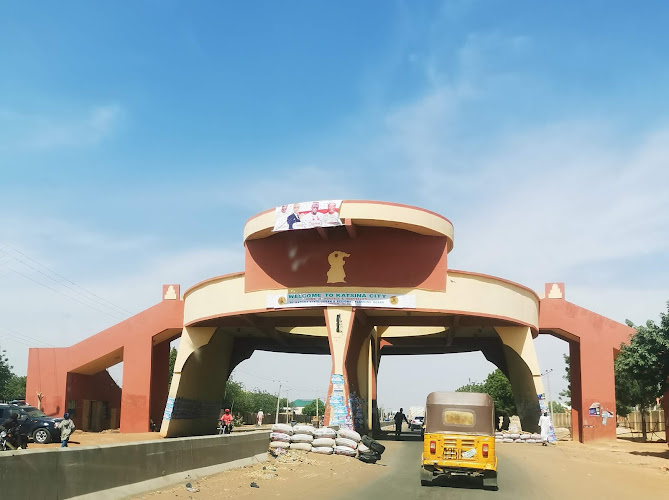
Welcome to Katsina state gate

Katsina Central Market

Katsina Emirate Council
Find Accommodations Nearby
Recommended Tours & Activities
Visitor Reviews
There are no reviews yet. Be the first one to write one.
Share Your Experience
Have you visited Katsina Stable? Help other travelers by leaving a review.