

Kapnoor
About Kapnoor
Description
Kapnoor stands as one of those destinations that you stumble upon almost by accident, yet it leaves an impression that lasts far longer than many of the world's more famous tourist traps. This is a place where authenticity meets adventure, where travelers can genuinely disconnect from the chaos of modern life and reconnect with something more meaningful. I've always believed that the best travel experiences come from places that haven't been completely transformed by tourism, and Kapnoor fits that description perfectly. The landscape here tells stories that guidebooks often miss. You'll find yourself surrounded by terrain that shifts between rugged beauty and unexpected pockets of tranquility. What makes Kapnoor special isn't just what you see but how it makes you feel when you're there. There's an energy to this place that's hard to put into words, honestly. It's the kind of destination where you might plan to stay two days and end up extending your visit because you're not quite ready to leave. Travelers who make their way to Kapnoor typically fall into two categories: those seeking genuine cultural immersion and those looking for outdoor experiences that haven't been sanitized for mass consumption. And both groups tend to find exactly what they're searching for. The local community maintains traditions that have been passed down through generations, and they're remarkably welcoming to visitors who approach with respect and genuine curiosity.Key Features
The distinctive qualities that define Kapnoor make it worth the journey, even when that journey requires a bit more effort than your typical vacation destination:- Unspoiled natural surroundings that provide opportunities for hiking, photography, and simply existing in spaces that haven't been overdeveloped
- Authentic cultural experiences with local communities who still practice traditional ways of life
- Terrain variety that ranges from challenging paths for serious trekkers to gentle walks suitable for families
- Limited commercial development, which means you won't find chain restaurants or cookie-cutter hotels dominating the landscape
- Opportunities for genuine interaction with local residents rather than staged tourist performances
- Weather patterns that create dramatically different experiences depending on when you visit
- Relatively low tourist density compared to more famous destinations in the region
- Local cuisine that reflects generations of culinary tradition, not adapted for tourist palates
- Wildlife viewing possibilities for those patient enough to observe rather than just photograph
- Architectural elements that showcase traditional building methods and design principles
- Stargazing opportunities that rival some of the world's designated dark sky reserves
- Agricultural landscapes where you can observe and sometimes participate in seasonal farming activities
Best Time to Visit
Timing your visit to Kapnoor requires more thought than simply checking when flights are cheapest. The seasons here don't just change the weather, they fundamentally transform the entire character of the place. Most experienced travelers who've been to Kapnoor multiple times will tell you that the shoulder seasons offer the sweet spot. We're talking about those periods when the weather is cooperating but the crowds haven't descended. But here's where it gets interesting, because Kapnoor doesn't really have "crowds" in the traditional sense. Even during peak times, you're not fighting through masses of tourists like you would at more famous destinations. The dry season typically provides the most reliable conditions for outdoor activities. Trails remain accessible, visibility tends to be excellent for photography and sightseeing, and you can plan your days without constantly checking weather forecasts. I remember talking to a fellow traveler who visited during this period and spent entire afternoons exploring without encountering another soul, which is becoming increasingly rare in our hyper-connected world. However, and this might surprise you, the wetter months have their own appeal. The landscape transforms completely, with vegetation becoming lusher and water sources running at full capacity. Yes, you'll need to pack appropriate rain gear and adjust your expectations about hiking conditions. But the tradeoff is experiencing Kapnoor when it's at its most dramatic and dynamic. Temperature variations between seasons can be significant, so pack accordingly. Morning and evening temperatures often drop considerably even during warmer months. Locals will tell you that layering is the key to comfort here, and they're absolutely right. One factor that doesn't get mentioned enough in travel guides is how local festivals and celebrations can enhance your visit. These events aren't staged for tourists, they're genuine community gatherings where you might be welcomed as a guest if you approach respectfully. The timing of these celebrations often follows traditional calendars rather than fixed dates, so some research before your trip pays dividends.How to Get There
Getting to Kapnoor requires a bit more planning than booking a direct flight to a major city, and honestly, that's part of its charm. The journey itself becomes part of the experience rather than just dead time between your home and your destination. Most travelers will need to arrange multiple modes of transportation. You'll likely start by flying into the nearest major airport, which serves as the gateway to the broader region. From there, the options vary depending on your budget, timeline, and sense of adventure. Public transportation exists and functions reasonably well, though schedules can be more flexible than what travelers from highly developed countries might expect. Buses run regularly enough that you won't be stranded, but building some buffer time into your plans makes sense. The advantage of taking local buses is the window they provide into daily life. You'll share space with residents going about their normal routines, which offers insights that you'd miss entirely in a private vehicle. Hiring a private vehicle with a driver is another option that many travelers choose. This costs more but provides flexibility in timing and the ability to stop at interesting spots along the way. A good driver will also serve as an informal guide, pointing out features and sharing stories that you'd otherwise miss. Just make sure you arrange this through reputable channels, and don't be afraid to ask questions before committing. Some adventurous souls opt for renting their own vehicle, though this comes with caveats. Road conditions can vary significantly, signage might be limited or in local languages, and navigation apps don't always have reliable coverage in more remote areas. If you've got experience driving in developing regions and a solid sense of direction, this can work well. Otherwise, it might add stress to what should be a relaxing journey. The final leg of the journey often involves smaller local transportation, which might mean shared taxis, motorcycle taxis, or even walking depending on exactly where you're staying. Embrace this rather than fighting it. These last miles often provide the most memorable moments of the entire trip.Tips for Visiting
After talking with dozens of travelers who've visited Kapnoor and drawing on general travel wisdom, certain recommendations consistently emerge as genuinely useful rather than just filler advice. Accommodation booking deserves your attention well before departure. Kapnoor doesn't have hundreds of hotel rooms waiting for last-minute bookings. The available options tend to be small family-run guesthouses or simple lodges rather than international hotel chains. This is absolutely a positive thing, but it means advance planning prevents disappointment. Read recent reviews carefully, and don't hesitate to communicate directly with property owners before booking. Many speak at least some English and appreciate the personal contact. Cash remains king in Kapnoor. While digital payment systems have penetrated many corners of the globe, this isn't one of them yet. ATMs exist but may not always be functional, so arrive with sufficient local currency. Carrying a mix of denominations makes transactions smoother for everyone involved. Packing for Kapnoor requires thinking beyond the typical tourist checklist. Sturdy footwear is non-negotiable if you plan any hiking or extended walking. A good headlamp or flashlight becomes essential once you experience how dark nights can truly be without urban light pollution. A reusable water bottle with filtration capability lets you stay hydrated without contributing to plastic waste. And please, bring a proper daypack rather than trying to carry everything in your pockets or a flimsy bag. Respect for local customs isn't just polite, it's essential for positive interactions. Dress modestly, especially when visiting any religious or cultural sites. Ask before photographing people, and graciously accept if someone declines. Learn at least a few phrases in the local language, even if your pronunciation is terrible. The effort matters more than perfection, and you'll find that people respond warmly to attempts at communication in their language. Food safety concerns are valid but shouldn't paralyze you with fear. Eat where locals eat, watch how food is prepared, and trust your instincts. Street food often represents the most authentic and delicious eating experiences available. Bring any necessary medications from home, as pharmacies in Kapnoor may not stock everything you're accustomed to having available. Environmental responsibility should guide your actions throughout your visit. Carry out everything you carry in, stick to established trails, and avoid disturbing wildlife. Kapnoor's relative lack of development is a feature, not a bug, and maintaining it requires conscious effort from visitors. Consider hiring local guides for certain activities. This provides income to the community while giving you access to knowledge and perspectives you couldn't gain independently. The cost is modest compared to what you'd pay in more tourist-heavy destinations, and the value often exceeds the expense many times over. Finally, adjust your expectations about connectivity. Internet access exists but may be limited and unreliable. Rather than fighting this, view it as an opportunity to disconnect from the digital world and be fully present in your physical surroundings. Your social media feeds will still be there when you return, and the experiences you have while actually paying attention will be far richer than anything you could capture in a quick smartphone snap.Key Features
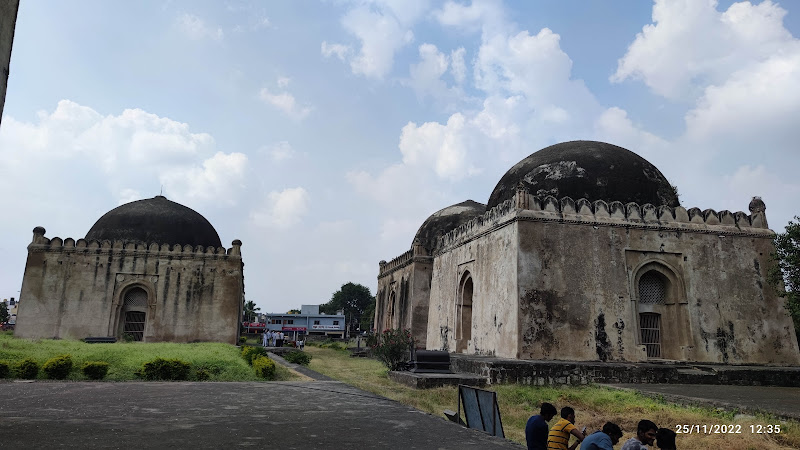
- Bahamani-era stone architecture and arches
- Spacious central courtyard with prayer hall
- Authentic, less-restored atmosphere offering local devotional life
- Photogenic interplay of light, shadow and geometric motifs
- Close contextual links to Gulbarga’s larger historic ensemble (Fort and Jama Masjid)
More Details
Updated January 18, 2026
Table of Contents
Description
Kapnoor stands as one of those destinations that you stumble upon almost by accident, yet it leaves an impression that lasts far longer than many of the world’s more famous tourist traps. This is a place where authenticity meets adventure, where travelers can genuinely disconnect from the chaos of modern life and reconnect with something more meaningful. I’ve always believed that the best travel experiences come from places that haven’t been completely transformed by tourism, and Kapnoor fits that description perfectly.
The landscape here tells stories that guidebooks often miss. You’ll find yourself surrounded by terrain that shifts between rugged beauty and unexpected pockets of tranquility. What makes Kapnoor special isn’t just what you see but how it makes you feel when you’re there. There’s an energy to this place that’s hard to put into words, honestly. It’s the kind of destination where you might plan to stay two days and end up extending your visit because you’re not quite ready to leave.
Travelers who make their way to Kapnoor typically fall into two categories: those seeking genuine cultural immersion and those looking for outdoor experiences that haven’t been sanitized for mass consumption. And both groups tend to find exactly what they’re searching for. The local community maintains traditions that have been passed down through generations, and they’re remarkably welcoming to visitors who approach with respect and genuine curiosity.
Key Features
The distinctive qualities that define Kapnoor make it worth the journey, even when that journey requires a bit more effort than your typical vacation destination:
- Unspoiled natural surroundings that provide opportunities for hiking, photography, and simply existing in spaces that haven’t been overdeveloped
- Authentic cultural experiences with local communities who still practice traditional ways of life
- Terrain variety that ranges from challenging paths for serious trekkers to gentle walks suitable for families
- Limited commercial development, which means you won’t find chain restaurants or cookie-cutter hotels dominating the landscape
- Opportunities for genuine interaction with local residents rather than staged tourist performances
- Weather patterns that create dramatically different experiences depending on when you visit
- Relatively low tourist density compared to more famous destinations in the region
- Local cuisine that reflects generations of culinary tradition, not adapted for tourist palates
- Wildlife viewing possibilities for those patient enough to observe rather than just photograph
- Architectural elements that showcase traditional building methods and design principles
- Stargazing opportunities that rival some of the world’s designated dark sky reserves
- Agricultural landscapes where you can observe and sometimes participate in seasonal farming activities
Best Time to Visit
Timing your visit to Kapnoor requires more thought than simply checking when flights are cheapest. The seasons here don’t just change the weather, they fundamentally transform the entire character of the place.
Most experienced travelers who’ve been to Kapnoor multiple times will tell you that the shoulder seasons offer the sweet spot. We’re talking about those periods when the weather is cooperating but the crowds haven’t descended. But here’s where it gets interesting, because Kapnoor doesn’t really have “crowds” in the traditional sense. Even during peak times, you’re not fighting through masses of tourists like you would at more famous destinations.
The dry season typically provides the most reliable conditions for outdoor activities. Trails remain accessible, visibility tends to be excellent for photography and sightseeing, and you can plan your days without constantly checking weather forecasts. I remember talking to a fellow traveler who visited during this period and spent entire afternoons exploring without encountering another soul, which is becoming increasingly rare in our hyper-connected world.
However, and this might surprise you, the wetter months have their own appeal. The landscape transforms completely, with vegetation becoming lusher and water sources running at full capacity. Yes, you’ll need to pack appropriate rain gear and adjust your expectations about hiking conditions. But the tradeoff is experiencing Kapnoor when it’s at its most dramatic and dynamic.
Temperature variations between seasons can be significant, so pack accordingly. Morning and evening temperatures often drop considerably even during warmer months. Locals will tell you that layering is the key to comfort here, and they’re absolutely right.
One factor that doesn’t get mentioned enough in travel guides is how local festivals and celebrations can enhance your visit. These events aren’t staged for tourists, they’re genuine community gatherings where you might be welcomed as a guest if you approach respectfully. The timing of these celebrations often follows traditional calendars rather than fixed dates, so some research before your trip pays dividends.
How to Get There
Getting to Kapnoor requires a bit more planning than booking a direct flight to a major city, and honestly, that’s part of its charm. The journey itself becomes part of the experience rather than just dead time between your home and your destination.
Most travelers will need to arrange multiple modes of transportation. You’ll likely start by flying into the nearest major airport, which serves as the gateway to the broader region. From there, the options vary depending on your budget, timeline, and sense of adventure.
Public transportation exists and functions reasonably well, though schedules can be more flexible than what travelers from highly developed countries might expect. Buses run regularly enough that you won’t be stranded, but building some buffer time into your plans makes sense. The advantage of taking local buses is the window they provide into daily life. You’ll share space with residents going about their normal routines, which offers insights that you’d miss entirely in a private vehicle.
Hiring a private vehicle with a driver is another option that many travelers choose. This costs more but provides flexibility in timing and the ability to stop at interesting spots along the way. A good driver will also serve as an informal guide, pointing out features and sharing stories that you’d otherwise miss. Just make sure you arrange this through reputable channels, and don’t be afraid to ask questions before committing.
Some adventurous souls opt for renting their own vehicle, though this comes with caveats. Road conditions can vary significantly, signage might be limited or in local languages, and navigation apps don’t always have reliable coverage in more remote areas. If you’ve got experience driving in developing regions and a solid sense of direction, this can work well. Otherwise, it might add stress to what should be a relaxing journey.
The final leg of the journey often involves smaller local transportation, which might mean shared taxis, motorcycle taxis, or even walking depending on exactly where you’re staying. Embrace this rather than fighting it. These last miles often provide the most memorable moments of the entire trip.
Tips for Visiting
After talking with dozens of travelers who’ve visited Kapnoor and drawing on general travel wisdom, certain recommendations consistently emerge as genuinely useful rather than just filler advice.
Accommodation booking deserves your attention well before departure. Kapnoor doesn’t have hundreds of hotel rooms waiting for last-minute bookings. The available options tend to be small family-run guesthouses or simple lodges rather than international hotel chains. This is absolutely a positive thing, but it means advance planning prevents disappointment. Read recent reviews carefully, and don’t hesitate to communicate directly with property owners before booking. Many speak at least some English and appreciate the personal contact.
Cash remains king in Kapnoor. While digital payment systems have penetrated many corners of the globe, this isn’t one of them yet. ATMs exist but may not always be functional, so arrive with sufficient local currency. Carrying a mix of denominations makes transactions smoother for everyone involved.
Packing for Kapnoor requires thinking beyond the typical tourist checklist. Sturdy footwear is non-negotiable if you plan any hiking or extended walking. A good headlamp or flashlight becomes essential once you experience how dark nights can truly be without urban light pollution. A reusable water bottle with filtration capability lets you stay hydrated without contributing to plastic waste. And please, bring a proper daypack rather than trying to carry everything in your pockets or a flimsy bag.
Respect for local customs isn’t just polite, it’s essential for positive interactions. Dress modestly, especially when visiting any religious or cultural sites. Ask before photographing people, and graciously accept if someone declines. Learn at least a few phrases in the local language, even if your pronunciation is terrible. The effort matters more than perfection, and you’ll find that people respond warmly to attempts at communication in their language.
Food safety concerns are valid but shouldn’t paralyze you with fear. Eat where locals eat, watch how food is prepared, and trust your instincts. Street food often represents the most authentic and delicious eating experiences available. Bring any necessary medications from home, as pharmacies in Kapnoor may not stock everything you’re accustomed to having available.
Environmental responsibility should guide your actions throughout your visit. Carry out everything you carry in, stick to established trails, and avoid disturbing wildlife. Kapnoor’s relative lack of development is a feature, not a bug, and maintaining it requires conscious effort from visitors.
Consider hiring local guides for certain activities. This provides income to the community while giving you access to knowledge and perspectives you couldn’t gain independently. The cost is modest compared to what you’d pay in more tourist-heavy destinations, and the value often exceeds the expense many times over.
Finally, adjust your expectations about connectivity. Internet access exists but may be limited and unreliable. Rather than fighting this, view it as an opportunity to disconnect from the digital world and be fully present in your physical surroundings. Your social media feeds will still be there when you return, and the experiences you have while actually paying attention will be far richer than anything you could capture in a quick smartphone snap.
Key Highlights
- Bahamani-era stone architecture and arches
- Spacious central courtyard with prayer hall
- Authentic, less-restored atmosphere offering local devotional life
- Photogenic interplay of light, shadow and geometric motifs
- Close contextual links to Gulbarga’s larger historic ensemble (Fort and Jama Masjid)
Location
Places to Stay Near Kapnoor
Find and Book a Tour
Explore More Travel Guides
No reviews found! Be the first to review!
Traveler Reviews for Kapnoor
There are no reviews yet. Be the first one to write one.
Have you visited Kapnoor? Help other travelers by sharing your review.
Nearby Attractions
You Might Also Like
Gumbaz

Kalaburagi

Fort Rd
Find Accommodations Nearby
Recommended Tours & Activities
Visitor Reviews
There are no reviews yet. Be the first one to write one.
Share Your Experience
Have you visited Kapnoor? Help other travelers by leaving a review.