
Gumbaz
About Gumbaz
Description
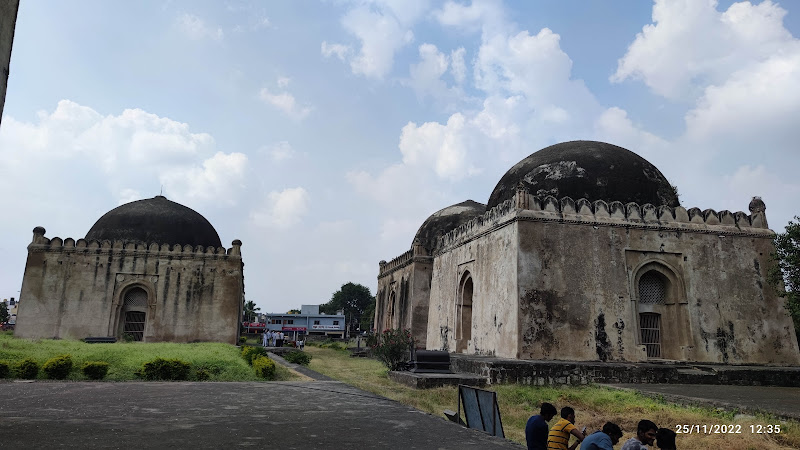
The Gumbaz stands as one of those architectural treasures that doesn't always make it onto the mainstream tourist circuit, which honestly makes it all the more rewarding when you finally stand before its golden domes. This mausoleum complex represents a fascinating chapter in India's Deccan history, and I've always found that places like these tell stories that guidebooks barely scratch the surface of. What strikes most visitors first is the sheer elegance of the structure. The Gumbaz, which literally translates to "dome" in Persian, serves as the final resting place of Tipu Sultan, his father Hyder Ali, and Tipu's mother Fakr-Un-Nisa. Built in 1784 by Tipu Sultan himself, this monument carries the weight of history from the Anglo-Mysore Wars era, a turbulent period that shaped much of South India's modern identity. The architecture follows the Indo-Islamic style, and you'll notice how different it feels from the typical Mughal monuments in North India. There's something distinctly regional about its aesthetic—the proportions, the decorative elements, the way light plays across the facade during different times of day. The central dome rises about 80 feet high, flanked by smaller domes and minarets that create this harmonious symmetry that's really quite photogenic if you're into that sort of thing. Inside, the cenotaphs are adorned with tiger stripes, a nod to Tipu Sultan's famous moniker "Tiger of Mysore." And here's something most people don't realize until they visit—the actual graves lie in a crypt below the main floor, following Islamic burial traditions. The atmosphere inside is contemplative, almost solemn, and there's this peculiar acoustics quality where even whispers seem to carry across the chamber.Key Features
The Gumbaz offers several distinctive elements that set it apart from other historical monuments in the region:- Magnificent Domes: The central dome flanked by four smaller domes creates an iconic silhouette against the sky, particularly stunning during sunset hours when the stonework takes on warm golden hues
- Tiger Motifs: Throughout the structure you'll find tiger stripe patterns on the cenotaphs and decorative elements, reflecting Tipu Sultan's fascination with tigers and his self-styled identity as the Tiger of Mysore
- Persian and Arabic Inscriptions: The walls feature beautiful calligraphy with verses from the Quran and historical inscriptions that document the lives of those interred here
- Spacious Garden Complex: The mausoleum sits within a well-maintained garden with pathways and manicured lawns that provide a peaceful setting for contemplation and photography
- Ebony Doors: The original doors crafted from ebony wood with ivory inlay work showcase the craftsmanship standards of 18th-century Mysore
- Underground Crypt: The actual burial chamber beneath the main floor follows traditional Islamic architectural principles and adds a layer of authenticity to the monument
- Historical Artifacts: A small collection of weapons, paintings, and personal belongings of Tipu Sultan are sometimes displayed, though this varies depending on museum policies
- Architectural Symmetry: The precise mathematical proportions and symmetrical design elements demonstrate the advanced architectural knowledge of the period
Best Time to Visit
Timing your visit to the Gumbaz can make a significant difference in your experience, and I've learned this the hard way through multiple visits in varying seasons. The ideal months fall between October and March when temperatures are manageable and you won't feel like you're melting into the pavement. December and January are particularly pleasant, with daytime temperatures hovering around 20-25°C. You can actually walk around the complex without desperately seeking shade every five minutes, which definitely enhances the whole experience. But here's the thing—winter months also bring more tourist crowds, especially around major holidays and weekends. If you're someone who prefers quieter spaces for reflection and photography, consider visiting on weekdays during these months. Early mornings, right after opening hours, offer the best light for photography and the fewest crowds. I once visited around 9 AM on a Tuesday in November and practically had the entire place to myself for a good hour. Summer months from April to June can be brutal, with temperatures climbing above 35°C. Unless you're particularly tolerant of heat, I'd suggest avoiding this period. The monsoon season from July to September brings relief from the heat, and there's something quite atmospheric about visiting during light drizzle—though heavy rains might put a damper on your plans and make the grounds muddy. For those interested in cultural experiences, try timing your visit during Islamic festivals when the site holds special significance and you might witness local commemorations. However, be respectful that these are religious observances and plan accordingly. The golden hour—that magical period right before sunset—transforms the Gumbaz into something almost ethereal. The way the dying light hits those domes creates photography opportunities that could fill your Instagram feed for weeks. Just make sure you're aware of closing times, which typically fall around 5:30 or 6 PM depending on the season.How to Get There
Reaching the Gumbaz requires some planning, but it's definitely manageable even for independent travelers who haven't mastered the art of navigating Indian transportation systems. The nearest major city is Mysore, located approximately 180 kilometers away. Most travelers use Mysore as their base, which makes sense given its excellent tourist infrastructure and multiple accommodation options. From Mysore, you can hire a taxi for the day, which typically costs around 2000-3000 rupees depending on your negotiation skills and whether you want the driver to wait while you explore. If you're coming from Bangalore, you're looking at roughly 250 kilometers and a 5-6 hour journey by road. The route takes you through some pleasant countryside, though Indian highways require a certain zen-like acceptance of traffic conditions. Many travelers opt for car rentals with drivers, which costs more but eliminates the stress of navigating unfamiliar roads. Public buses run regularly from both Mysore and Bangalore, though they take longer and require more patience. The bus will drop you at the main town, from where you'll need an auto-rickshaw to reach the Gumbaz itself. Auto drivers know the location well—just say "Gumbaz" and they'll understand. Expect to pay 50-100 rupees for this short ride, though agree on the fare beforehand to avoid confusion. For those flying in, the nearest airports are Mysore Airport (about 170 km away) and Bangalore's Kempegowda International Airport (approximately 280 km away). Bangalore's airport has far more international connections, so most overseas visitors route through there and then take ground transportation. Rail connectivity exists through the nearest railway station, which connects to major cities across South India. From the station, taxis and auto-rickshaws are readily available. A growing number of travelers are using app-based taxi services like Ola and Uber for intercity travel, which offers fixed pricing and removes the haggling element entirely. This works well from Bangalore and Mysore.Tips for Visiting
Drawing from personal experience and countless conversations with fellow travelers, here are practical insights that'll make your visit smoother and more meaningful. Dress conservatively since this is an active religious site. While there isn't an enforced dress code per se, showing respect through modest clothing demonstrates cultural sensitivity. Women might want to carry a scarf, and everyone should avoid shorts or sleeveless tops. I've seen visitors turned away or asked to cover up, which wastes time and creates awkward situations. Photography is generally allowed in outdoor areas, but always check current policies before pulling out your camera inside the mausoleum itself. Rules change, and what was permitted during my last visit might not be allowed during yours. Be particularly careful about photographing people without permission—common courtesy that shouldn't need mentioning but often does. Hiring a local guide can significantly enrich your understanding of the site's history. The Archaeological Survey of India sometimes provides guides, or you'll find knowledgeable locals offering services near the entrance. A good guide can point out architectural details and historical context you'd otherwise miss. Expect to pay 200-500 rupees for a thorough guided tour lasting about an hour. Carry sufficient water, especially during warmer months. There aren't many vendors inside the complex, and dehydration creeps up on you faster than you'd think when you're absorbed in exploring historical sites under the Indian sun. The entry fee is minimal—usually around 15 rupees for Indian nationals and 200 rupees for foreign visitors. Keep small denomination notes handy since change can sometimes be an issue at ticket counters. Combine your visit with nearby attractions to make the most of your journey. The area has several other historical sites worth exploring, and most taxi drivers can suggest itineraries that cover multiple locations efficiently. Remove your shoes before entering certain sections of the mausoleum, as this is a religious requirement. There are designated areas for footwear storage, but I always recommend carrying a bag to keep your shoes with you rather than leaving them unattended. Mobile connectivity can be spotty in some areas, so download offline maps and any information you need beforehand. Don't rely entirely on having internet access for navigation or translation apps. Visiting during weekday mornings not only means fewer crowds but also better interaction opportunities with caretakers and staff who are usually less rushed and more willing to share interesting tidbits about the site. Finally, approach the Gumbaz with an open mind and a sense of historical curiosity rather than just checking off another monument from your list. This place witnessed pivotal moments in Indian history, and the more you learn about Tipu Sultan's era, the more meaningful your visit becomes. The architecture is beautiful, sure, but the stories embedded in these walls are what really make the journey worthwhile.Key Features
- Key Features
- Best Time to Visit
- How to Get There
- Tips for Visiting
More Details
Updated January 18, 2026
Table of Contents
Description
The Gumbaz stands as one of those architectural treasures that doesn’t always make it onto the mainstream tourist circuit, which honestly makes it all the more rewarding when you finally stand before its golden domes. This mausoleum complex represents a fascinating chapter in India’s Deccan history, and I’ve always found that places like these tell stories that guidebooks barely scratch the surface of.
What strikes most visitors first is the sheer elegance of the structure. The Gumbaz, which literally translates to “dome” in Persian, serves as the final resting place of Tipu Sultan, his father Hyder Ali, and Tipu’s mother Fakr-Un-Nisa. Built in 1784 by Tipu Sultan himself, this monument carries the weight of history from the Anglo-Mysore Wars era, a turbulent period that shaped much of South India’s modern identity.
The architecture follows the Indo-Islamic style, and you’ll notice how different it feels from the typical Mughal monuments in North India. There’s something distinctly regional about its aesthetic—the proportions, the decorative elements, the way light plays across the facade during different times of day. The central dome rises about 80 feet high, flanked by smaller domes and minarets that create this harmonious symmetry that’s really quite photogenic if you’re into that sort of thing.
Inside, the cenotaphs are adorned with tiger stripes, a nod to Tipu Sultan’s famous moniker “Tiger of Mysore.” And here’s something most people don’t realize until they visit—the actual graves lie in a crypt below the main floor, following Islamic burial traditions. The atmosphere inside is contemplative, almost solemn, and there’s this peculiar acoustics quality where even whispers seem to carry across the chamber.
Key Features
The Gumbaz offers several distinctive elements that set it apart from other historical monuments in the region:
- Magnificent Domes: The central dome flanked by four smaller domes creates an iconic silhouette against the sky, particularly stunning during sunset hours when the stonework takes on warm golden hues
- Tiger Motifs: Throughout the structure you’ll find tiger stripe patterns on the cenotaphs and decorative elements, reflecting Tipu Sultan’s fascination with tigers and his self-styled identity as the Tiger of Mysore
- Persian and Arabic Inscriptions: The walls feature beautiful calligraphy with verses from the Quran and historical inscriptions that document the lives of those interred here
- Spacious Garden Complex: The mausoleum sits within a well-maintained garden with pathways and manicured lawns that provide a peaceful setting for contemplation and photography
- Ebony Doors: The original doors crafted from ebony wood with ivory inlay work showcase the craftsmanship standards of 18th-century Mysore
- Underground Crypt: The actual burial chamber beneath the main floor follows traditional Islamic architectural principles and adds a layer of authenticity to the monument
- Historical Artifacts: A small collection of weapons, paintings, and personal belongings of Tipu Sultan are sometimes displayed, though this varies depending on museum policies
- Architectural Symmetry: The precise mathematical proportions and symmetrical design elements demonstrate the advanced architectural knowledge of the period
Best Time to Visit
Timing your visit to the Gumbaz can make a significant difference in your experience, and I’ve learned this the hard way through multiple visits in varying seasons.
The ideal months fall between October and March when temperatures are manageable and you won’t feel like you’re melting into the pavement. December and January are particularly pleasant, with daytime temperatures hovering around 20-25°C. You can actually walk around the complex without desperately seeking shade every five minutes, which definitely enhances the whole experience.
But here’s the thing—winter months also bring more tourist crowds, especially around major holidays and weekends. If you’re someone who prefers quieter spaces for reflection and photography, consider visiting on weekdays during these months. Early mornings, right after opening hours, offer the best light for photography and the fewest crowds. I once visited around 9 AM on a Tuesday in November and practically had the entire place to myself for a good hour.
Summer months from April to June can be brutal, with temperatures climbing above 35°C. Unless you’re particularly tolerant of heat, I’d suggest avoiding this period. The monsoon season from July to September brings relief from the heat, and there’s something quite atmospheric about visiting during light drizzle—though heavy rains might put a damper on your plans and make the grounds muddy.
For those interested in cultural experiences, try timing your visit during Islamic festivals when the site holds special significance and you might witness local commemorations. However, be respectful that these are religious observances and plan accordingly.
The golden hour—that magical period right before sunset—transforms the Gumbaz into something almost ethereal. The way the dying light hits those domes creates photography opportunities that could fill your Instagram feed for weeks. Just make sure you’re aware of closing times, which typically fall around 5:30 or 6 PM depending on the season.
How to Get There
Reaching the Gumbaz requires some planning, but it’s definitely manageable even for independent travelers who haven’t mastered the art of navigating Indian transportation systems.
The nearest major city is Mysore, located approximately 180 kilometers away. Most travelers use Mysore as their base, which makes sense given its excellent tourist infrastructure and multiple accommodation options. From Mysore, you can hire a taxi for the day, which typically costs around 2000-3000 rupees depending on your negotiation skills and whether you want the driver to wait while you explore.
If you’re coming from Bangalore, you’re looking at roughly 250 kilometers and a 5-6 hour journey by road. The route takes you through some pleasant countryside, though Indian highways require a certain zen-like acceptance of traffic conditions. Many travelers opt for car rentals with drivers, which costs more but eliminates the stress of navigating unfamiliar roads.
Public buses run regularly from both Mysore and Bangalore, though they take longer and require more patience. The bus will drop you at the main town, from where you’ll need an auto-rickshaw to reach the Gumbaz itself. Auto drivers know the location well—just say “Gumbaz” and they’ll understand. Expect to pay 50-100 rupees for this short ride, though agree on the fare beforehand to avoid confusion.
For those flying in, the nearest airports are Mysore Airport (about 170 km away) and Bangalore’s Kempegowda International Airport (approximately 280 km away). Bangalore’s airport has far more international connections, so most overseas visitors route through there and then take ground transportation.
Rail connectivity exists through the nearest railway station, which connects to major cities across South India. From the station, taxis and auto-rickshaws are readily available.
A growing number of travelers are using app-based taxi services like Ola and Uber for intercity travel, which offers fixed pricing and removes the haggling element entirely. This works well from Bangalore and Mysore.
Tips for Visiting
Drawing from personal experience and countless conversations with fellow travelers, here are practical insights that’ll make your visit smoother and more meaningful.
Dress conservatively since this is an active religious site. While there isn’t an enforced dress code per se, showing respect through modest clothing demonstrates cultural sensitivity. Women might want to carry a scarf, and everyone should avoid shorts or sleeveless tops. I’ve seen visitors turned away or asked to cover up, which wastes time and creates awkward situations.
Photography is generally allowed in outdoor areas, but always check current policies before pulling out your camera inside the mausoleum itself. Rules change, and what was permitted during my last visit might not be allowed during yours. Be particularly careful about photographing people without permission—common courtesy that shouldn’t need mentioning but often does.
Hiring a local guide can significantly enrich your understanding of the site’s history. The Archaeological Survey of India sometimes provides guides, or you’ll find knowledgeable locals offering services near the entrance. A good guide can point out architectural details and historical context you’d otherwise miss. Expect to pay 200-500 rupees for a thorough guided tour lasting about an hour.
Carry sufficient water, especially during warmer months. There aren’t many vendors inside the complex, and dehydration creeps up on you faster than you’d think when you’re absorbed in exploring historical sites under the Indian sun.
The entry fee is minimal—usually around 15 rupees for Indian nationals and 200 rupees for foreign visitors. Keep small denomination notes handy since change can sometimes be an issue at ticket counters.
Combine your visit with nearby attractions to make the most of your journey. The area has several other historical sites worth exploring, and most taxi drivers can suggest itineraries that cover multiple locations efficiently.
Remove your shoes before entering certain sections of the mausoleum, as this is a religious requirement. There are designated areas for footwear storage, but I always recommend carrying a bag to keep your shoes with you rather than leaving them unattended.
Mobile connectivity can be spotty in some areas, so download offline maps and any information you need beforehand. Don’t rely entirely on having internet access for navigation or translation apps.
Visiting during weekday mornings not only means fewer crowds but also better interaction opportunities with caretakers and staff who are usually less rushed and more willing to share interesting tidbits about the site.
Finally, approach the Gumbaz with an open mind and a sense of historical curiosity rather than just checking off another monument from your list. This place witnessed pivotal moments in Indian history, and the more you learn about Tipu Sultan’s era, the more meaningful your visit becomes. The architecture is beautiful, sure, but the stories embedded in these walls are what really make the journey worthwhile.
Key Highlights
- Key Features
- Best Time to Visit
- How to Get There
- Tips for Visiting
Location
Places to Stay Near Gumbaz
Find and Book a Tour
Explore More Travel Guides
No reviews found! Be the first to review!
Traveler Reviews for Gumbaz
There are no reviews yet. Be the first one to write one.
Have you visited Gumbaz? Help other travelers by sharing your review.
You Might Also Like

Government Zoo

ಪಾರ್ಕ್ ಏರಿಯಾ ಗಣೇಶ್ ಉದ್ಯಾನ ಕ್ಷೇತ್ರ )

Sri Koranti Hanuman Temple Gulbarga
Find Accommodations Nearby
Recommended Tours & Activities
Visitor Reviews
There are no reviews yet. Be the first one to write one.
Share Your Experience
Have you visited Gumbaz? Help other travelers by leaving a review.