

Kaluga Oblast
About Kaluga Oblast
Description
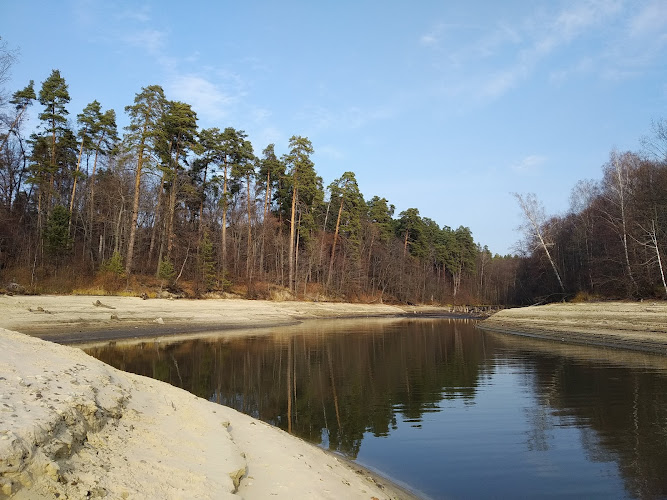
Kaluga Oblast is one of those places that quietly surprises travelers who take the time to explore beyond Russia’s big-name cities. It’s about 180 kilometers southwest of Moscow, but it feels like a different world entirely—slower, greener, and somehow more grounded. The region stretches across rolling plains, thick pine forests, and winding rivers that seem to reflect the sky in endless shades of silver and blue. With a population of just over a million, it’s not exactly remote, but it still feels personal—like the kind of place where you can actually breathe and think.
The administrative center, Kaluga, has a calm charm that sneaks up on you. It’s a city that balances history and progress in a way that feels natural. You’ll find centuries-old churches standing beside modern museums, and cafés where you can sip coffee while students debate philosophy or local politics. It’s also known for its connection to space exploration—this is, after all, the home of Konstantin Tsiolkovsky, the “father of astronautics.” There’s even a museum dedicated to him that feels like stepping into a time capsule of human curiosity and ambition.
What I personally love about Kaluga Oblast is how it feels both familiar and foreign. I remember walking through a small village near the Ugra River one chilly autumn morning—mist rising from the water, a few cows wandering lazily by, and an old woman selling honey from her garden. She told me, half-jokingly, that the bees here “work harder than people.” It’s that kind of place: earthy, honest, and full of quiet stories if you’re willing to listen.
Key Features
- Rich Historical Heritage: From ancient monasteries to Soviet-era monuments, the region’s past is written into its architecture and landscapes.
- Space Exploration Legacy: The Tsiolkovsky State Museum of the History of Cosmonautics is one of the most fascinating museums in Russia.
- Natural Beauty: The Ugra National Park offers pristine forests, clean rivers, and excellent spots for hiking or kayaking.
- Traditional Russian Culture: Local crafts, folk festivals, and hearty cuisine give visitors an authentic taste of rural Russia.
- Accessibility: Its proximity to Moscow makes it an easy weekend escape for travelers looking for something quieter.
And honestly, one of the best things about Kaluga Oblast is how unpretentious it is. It’s not trying to impress anyone—it just is what it is. You can wander through old wooden villages, stumble upon a local market selling homemade cheese and pickled mushrooms, or find yourself in a forest so silent that even your thoughts seem to hush.
Best Time to Visit
If you ask locals, they’ll tell you that Kaluga Oblast is beautiful year-round, but I’d say late spring through early autumn is the sweet spot. From May to September, the weather is mild, the fields are alive with wildflowers, and the rivers are perfect for boating. Summer brings long days and warm evenings ideal for exploring small towns or camping under the stars.
Autumn, though—oh, autumn here is something else. The forests turn into a sea of gold and crimson, and there’s this crispness in the air that makes you want to wrap your hands around a mug of tea and just watch the leaves fall. Winter has its own magic too, especially if you’re into snow-covered landscapes and quiet walks through frost-covered villages. But be prepared—it gets cold, and I mean really cold.
Spring can be a bit muddy, but it’s also when the region feels most alive, with rivers swelling from the thaw and the smell of pine and damp earth everywhere. Every season tells a different story here, and that’s part of what makes Kaluga Oblast so special.
How to Get There
Getting to Kaluga Oblast is pretty straightforward. Most travelers start from Moscow, which is about a two-and-a-half-hour drive away. You can take a train from Moscow’s Kievsky Railway Station—trains run regularly, and the ride is comfortable enough to let you enjoy the scenery. If you prefer driving, the M3 highway (often called the “Ukraine Highway”) takes you straight there.
There’s also a small regional airport in Kaluga that handles domestic flights, so if you’re coming from another Russian city, that might be an option. Once you’re in the region, local buses and taxis can get you around, but honestly, renting a car gives you the freedom to explore the countryside at your own pace. Some of the best places—like hidden monasteries or quiet forest trails—aren’t exactly on the main tourist map.
And if you’re anything like me, you’ll probably end up stopping along the way just to take in the view or grab a snack from a roadside café. There’s something about Russian road trips that always feels a bit unpredictable—in the best possible way.
Tips for Visiting
A few practical things I’ve learned from visiting Kaluga Oblast (and maybe making a few mistakes along the way). First off, pack for the weather—layers are your best friend here. Summers can be warm during the day but cool at night, and winters are icy enough to make you appreciate every cup of hot tea.
If you’re planning to explore the countryside, bring cash. Many small shops and cafés still prefer it over cards, especially in rural areas. And don’t rush. This isn’t a region you “do” in a weekend checklist kind of way. It’s more about slowing down, taking walks, chatting with locals, and letting the place reveal itself to you bit by bit.
Food-wise, try the local dishes—simple, hearty, and full of flavor. Kaluga honey is famous, and the local bread (especially the dark rye) is something you’ll probably crave long after you leave. If you get invited into someone’s home, accept—it’s considered polite, and you’ll likely end up with a table full of homemade food and a few new friends.
Language can be a bit of a barrier outside the main city, but people are generally kind and patient. A few words of Russian go a long way, and even if you stumble through them, locals appreciate the effort. Also, carry a small phrasebook or download a translation app—trust me, it helps when you’re trying to order food or ask for directions in a tiny village.
Lastly, take time to visit the Ugra National Park. It’s not just scenic—it’s almost spiritual. Standing by the river at sunset, hearing nothing but the wind and the water, you realize how rare it is to find places like this anymore. Kaluga Oblast may not be flashy, but it’s real. And sometimes, that’s exactly what travelers are searching for without even knowing it.
So if you’re craving a genuine experience—a place where history, nature, and everyday life blend seamlessly—Kaluga Oblast might just surprise you. It’s the kind of destination that stays with you long after you’ve left, like a quiet echo of something timeless.
Key Features
- Key Features
- Best Time to Visit
- How to Get There
- Tips for Visiting
More Details
Updated December 1, 2025
Table of Contents
Description
Kaluga Oblast is one of those places that quietly surprises travelers who take the time to explore beyond Russia’s big-name cities. It’s about 180 kilometers southwest of Moscow, but it feels like a different world entirely—slower, greener, and somehow more grounded. The region stretches across rolling plains, thick pine forests, and winding rivers that seem to reflect the sky in endless shades of silver and blue. With a population of just over a million, it’s not exactly remote, but it still feels personal—like the kind of place where you can actually breathe and think.
The administrative center, Kaluga, has a calm charm that sneaks up on you. It’s a city that balances history and progress in a way that feels natural. You’ll find centuries-old churches standing beside modern museums, and cafés where you can sip coffee while students debate philosophy or local politics. It’s also known for its connection to space exploration—this is, after all, the home of Konstantin Tsiolkovsky, the “father of astronautics.” There’s even a museum dedicated to him that feels like stepping into a time capsule of human curiosity and ambition.
What I personally love about Kaluga Oblast is how it feels both familiar and foreign. I remember walking through a small village near the Ugra River one chilly autumn morning—mist rising from the water, a few cows wandering lazily by, and an old woman selling honey from her garden. She told me, half-jokingly, that the bees here “work harder than people.” It’s that kind of place: earthy, honest, and full of quiet stories if you’re willing to listen.
Key Features
- Rich Historical Heritage: From ancient monasteries to Soviet-era monuments, the region’s past is written into its architecture and landscapes.
- Space Exploration Legacy: The Tsiolkovsky State Museum of the History of Cosmonautics is one of the most fascinating museums in Russia.
- Natural Beauty: The Ugra National Park offers pristine forests, clean rivers, and excellent spots for hiking or kayaking.
- Traditional Russian Culture: Local crafts, folk festivals, and hearty cuisine give visitors an authentic taste of rural Russia.
- Accessibility: Its proximity to Moscow makes it an easy weekend escape for travelers looking for something quieter.
And honestly, one of the best things about Kaluga Oblast is how unpretentious it is. It’s not trying to impress anyone—it just is what it is. You can wander through old wooden villages, stumble upon a local market selling homemade cheese and pickled mushrooms, or find yourself in a forest so silent that even your thoughts seem to hush.
Best Time to Visit
If you ask locals, they’ll tell you that Kaluga Oblast is beautiful year-round, but I’d say late spring through early autumn is the sweet spot. From May to September, the weather is mild, the fields are alive with wildflowers, and the rivers are perfect for boating. Summer brings long days and warm evenings ideal for exploring small towns or camping under the stars.
Autumn, though—oh, autumn here is something else. The forests turn into a sea of gold and crimson, and there’s this crispness in the air that makes you want to wrap your hands around a mug of tea and just watch the leaves fall. Winter has its own magic too, especially if you’re into snow-covered landscapes and quiet walks through frost-covered villages. But be prepared—it gets cold, and I mean really cold.
Spring can be a bit muddy, but it’s also when the region feels most alive, with rivers swelling from the thaw and the smell of pine and damp earth everywhere. Every season tells a different story here, and that’s part of what makes Kaluga Oblast so special.
How to Get There
Getting to Kaluga Oblast is pretty straightforward. Most travelers start from Moscow, which is about a two-and-a-half-hour drive away. You can take a train from Moscow’s Kievsky Railway Station—trains run regularly, and the ride is comfortable enough to let you enjoy the scenery. If you prefer driving, the M3 highway (often called the “Ukraine Highway”) takes you straight there.
There’s also a small regional airport in Kaluga that handles domestic flights, so if you’re coming from another Russian city, that might be an option. Once you’re in the region, local buses and taxis can get you around, but honestly, renting a car gives you the freedom to explore the countryside at your own pace. Some of the best places—like hidden monasteries or quiet forest trails—aren’t exactly on the main tourist map.
And if you’re anything like me, you’ll probably end up stopping along the way just to take in the view or grab a snack from a roadside café. There’s something about Russian road trips that always feels a bit unpredictable—in the best possible way.
Tips for Visiting
A few practical things I’ve learned from visiting Kaluga Oblast (and maybe making a few mistakes along the way). First off, pack for the weather—layers are your best friend here. Summers can be warm during the day but cool at night, and winters are icy enough to make you appreciate every cup of hot tea.
If you’re planning to explore the countryside, bring cash. Many small shops and cafés still prefer it over cards, especially in rural areas. And don’t rush. This isn’t a region you “do” in a weekend checklist kind of way. It’s more about slowing down, taking walks, chatting with locals, and letting the place reveal itself to you bit by bit.
Food-wise, try the local dishes—simple, hearty, and full of flavor. Kaluga honey is famous, and the local bread (especially the dark rye) is something you’ll probably crave long after you leave. If you get invited into someone’s home, accept—it’s considered polite, and you’ll likely end up with a table full of homemade food and a few new friends.
Language can be a bit of a barrier outside the main city, but people are generally kind and patient. A few words of Russian go a long way, and even if you stumble through them, locals appreciate the effort. Also, carry a small phrasebook or download a translation app—trust me, it helps when you’re trying to order food or ask for directions in a tiny village.
Lastly, take time to visit the Ugra National Park. It’s not just scenic—it’s almost spiritual. Standing by the river at sunset, hearing nothing but the wind and the water, you realize how rare it is to find places like this anymore. Kaluga Oblast may not be flashy, but it’s real. And sometimes, that’s exactly what travelers are searching for without even knowing it.
So if you’re craving a genuine experience—a place where history, nature, and everyday life blend seamlessly—Kaluga Oblast might just surprise you. It’s the kind of destination that stays with you long after you’ve left, like a quiet echo of something timeless.
Key Highlights
- Key Features
- Best Time to Visit
- How to Get There
- Tips for Visiting
Location
Places to Stay Near Kaluga Oblast
Find and Book a Tour
Explore More Travel Guides
No reviews found! Be the first to review!
Traveler Reviews for Kaluga Oblast
There are no reviews yet. Be the first one to write one.
Have you visited Kaluga Oblast? Help other travelers by sharing your review.
You Might Also Like
Lyamzyay

Khrebet Central'nyy
660006
Find Accommodations Nearby
Recommended Tours & Activities
Visitor Reviews
There are no reviews yet. Be the first one to write one.
Share Your Experience
Have you visited Kaluga Oblast? Help other travelers by leaving a review.