
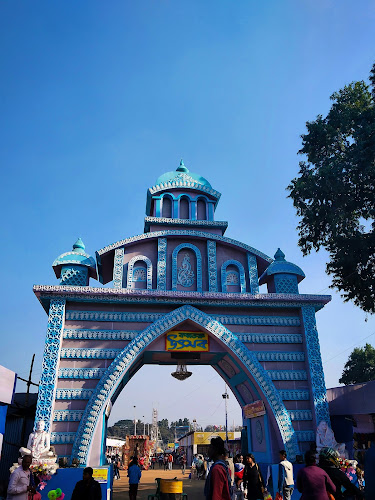
Kalpataru Mela Ground
About Kalpataru Mela Ground
Description
The Kalpataru Mela Ground serves as a cultural hub where tradition meets celebration in a sprawling outdoor venue that draws thousands of visitors each year. This fairground comes alive particularly during special occasions and festivals, offering travelers an authentic glimpse into local customs and community gatherings that you won't find in typical tourist guidebooks. When I first heard about this place from a fellow traveler in a small roadside café, I was skeptical about whether a fairground could really be worth the detour. But after experiencing it myself, I completely understood why people keep coming back year after year. The grounds themselves are expansive enough to accommodate large crowds without feeling cramped, which is honestly a relief if you've ever been to overcrowded festivals where you can barely move. What makes this location particularly special is its role as a gathering point for communities celebrating everything from religious festivals to agricultural fairs and cultural exhibitions. The atmosphere shifts dramatically depending on what's happening - sometimes it's all about food stalls and handicrafts, other times you'll find yourself surrounded by spiritual seekers and devotees. And here's something that pleasantly surprised me: the facility actually puts thought into accessibility. You'll find proper wheelchair-accessible entrances and parking areas, which unfortunately isn't always a given at many traditional fairgrounds across the region. The organizers have also modernized payment systems, so you don't need to worry about carrying massive amounts of cash - debit cards and mobile payment options work just fine here. The ground typically hosts its most significant events around the first of January, aligning with auspicious dates in the Hindu calendar. During these peak times, the transformation is remarkable. Temporary structures pop up overnight, vendors from neighboring regions set up elaborate stalls, and the entire area buzzes with an energy that's genuinely infectious. But even during quieter periods, the space maintains its character as a community gathering spot where locals meet and socialize.Key Features
The Kalpataru Mela Ground offers several distinctive features that make it stand out from other fairground venues:- Comprehensive Accessibility Infrastructure: Wheelchair-accessible entrances and dedicated parking areas ensure that visitors with mobility challenges can participate fully in events without the frustrations common at many traditional venues
- Modern Payment Systems: Unlike many fairgrounds that still operate primarily on cash, this venue accepts debit cards and NFC mobile payments, making transactions smoother for domestic and international visitors alike
- Onsite Service Options: The availability of onsite services means you won't need to leave the premises for basic necessities during extended visits or lengthy festival celebrations
- Spacious Layout: The ground's generous size allows for multiple activities and vendor areas to operate simultaneously without creating congestion or overwhelming crowds
- Cultural Authenticity: Events here reflect genuine local traditions rather than touristy interpretations, giving travelers real insight into regional customs and celebrations
- Community Integration: The fairground serves as an actual community space for locals, not just a tourist attraction, which creates a more authentic and welcoming atmosphere
- Flexible Event Hosting: The venue accommodates everything from religious festivals to agricultural exhibitions, meaning there's always something different depending on when you visit
- Vendor Diversity: During major events, you'll encounter sellers offering traditional handicrafts, regional foods, religious items, and agricultural products that showcase local craftsmanship
- Safety Considerations: The layout and management during events generally maintain good crowd control, though like any large gathering, staying aware of your surroundings is always smart
Best Time to Visit
Timing your visit to Kalpataru Mela Ground really depends on what kind of experience you're after. The absolute best time - when the place truly comes alive - is during the major festival period around January 1st. This isn't just any random date; it corresponds with significant religious observances that draw enormous crowds. I've seen estimates suggesting tens of thousands of people attend during peak festival days, which is either exciting or overwhelming depending on your tolerance for crowds. During these festival periods, you'll experience the fairground at its most authentic. The air fills with incense smoke, devotional music echoes across the grounds, and the sheer variety of food stalls could keep you eating for days. Early mornings during festival times offer a slightly more peaceful experience if you want to observe rituals and ceremonies without being jostled by afternoon crowds. And trust me, by midday during peak season, you'll be navigating through some serious human traffic. But here's a perspective that guidebooks often miss: visiting during off-peak times has its own advantages. If you're someone who gets anxious in large crowds or you're traveling with young children or elderly family members, consider attending smaller events throughout the year. The fairground hosts various regional celebrations, agricultural fairs, and cultural programs that don't draw the massive crowds but still offer genuine cultural experiences. You'll have more space to move around, better opportunities to actually talk with vendors and locals, and honestly, it's just less exhausting. Weather-wise, January actually falls during the cooler months, which is fortunate because standing in open fairgrounds under the intense heat would be brutal. Temperatures are generally pleasant, though mornings and evenings can get chilly, so layering your clothing is smart. If you're visiting during other times of year, be prepared for varying weather conditions - summer months can be quite hot, and monsoon season might affect event schedules. One thing I learned the hard way: check the local calendar before planning your trip. Festival dates sometimes shift based on lunar calculations, so that January 1st marker isn't always fixed. A quick inquiry with local tourism offices or checking with your accommodation can save you from arriving on the wrong dates.How to Get There
Getting to Kalpataru Mela Ground requires some planning, but it's definitely manageable even for first-time visitors to the region. The fairground's location makes it accessible through various transportation options, though your choice will likely depend on where you're starting from and your comfort level with local transit. If you're arriving from a major city, hiring a taxi or using ride-sharing services is probably your most straightforward option. During festival periods, expect higher fares due to demand - it's just basic supply and demand economics. But the convenience of door-to-door service often justifies the extra cost, especially if you're carrying bags or traveling with family. Just negotiate or confirm your fare beforehand to avoid unpleasant surprises at the end of your journey. Local buses do service the area, and if you're budget-conscious or enjoy experiencing local transportation culture, this can be an adventure in itself. However, I'll be honest - during major festivals, buses get absolutely packed. Like sardines-in-a-can packed. It's part of the experience, sure, but it's not for everyone. If you do choose buses, allow extra travel time because routes might be diverted or delayed during large events. For those comfortable with two-wheelers, renting a motorcycle or scooter gives you flexibility and easier parking options compared to cars. The nearby roads can handle vehicle traffic, but during peak times, you might find yourself sitting in some pretty frustrating traffic jams. Two-wheelers let you weave through (carefully and legally, of course) in ways that cars simply cannot. The parking situation deserves mention because it's actually pretty well-organized compared to many similar venues. Designated parking areas exist, including those wheelchair-accessible spots I mentioned earlier. During major events, temporary parking fields open up to handle the overflow. Parking attendants usually help direct traffic, though honestly, their gestures can be confusing if you're not familiar with local hand signals. Just follow where everyone else seems to be going and you'll probably be fine. If you're staying in nearby accommodations, walking might even be possible depending on the distance. I met a traveler who stayed at a small guesthouse about twenty minutes walk away, and she actually preferred the stroll as a way to ease into the festival atmosphere gradually rather than being suddenly thrust into the chaos.Tips for Visiting
After spending time at Kalpataru Mela Ground and talking with dozens of other visitors, I've collected some practical advice that'll make your experience smoother and more enjoyable. First off, arrive early. I can't stress this enough. The difference between arriving at 7 AM versus 11 AM during festival time is like night and day. Early arrival means easier parking, less crowded walkways, and you get to see rituals and ceremonies that only happen in morning hours. Plus, you'll have energy to actually enjoy yourself instead of already being exhausted from fighting crowds. Dress modestly and comfortably. This is a place where religious and cultural traditions are taken seriously, so covering shoulders and knees is respectful and often expected. But also, you'll be doing a lot of walking on uneven ground, so leave those fancy shoes at your hotel. Comfortable walking shoes that you don't mind getting dusty are essential. And speaking of dust - during dry periods, the ground can kick up quite a bit, so consider that when choosing your outfit colors. Bring cash even though card payments are accepted. While the main facilities accept modern payment methods, individual vendors often prefer cash, and you'll want the flexibility to make quick purchases without hunting for someone who takes cards. Small denominations are particularly useful because vendors sometimes struggle with making change for large bills. Hydration is crucial, especially if you're visiting during warmer months or spending several hours at the fairground. Water is usually available from vendors, but bringing your own reusable bottle is environmentally friendly and economical. Just be aware that toilet facilities during major events can get overwhelmed, so plan accordingly. Keep your belongings secure. Large crowds always attract pickpockets - that's just reality anywhere in the world. Use crossbody bags that you can keep in front of you, avoid carrying unnecessary valuables, and stay aware of your surroundings. I typically travel with a small bag that holds just essentials and leave everything else secured at my accommodation. Try the food, but use common sense. The street food at events here can be absolutely delicious - some of the best regional specialties you'll find anywhere. But stick to vendors with high turnover where food is freshly prepared, and maybe avoid items that have been sitting out in the heat for unknown periods. Your stomach will thank you later. Be patient and flexible. Events don't always start exactly on schedule, crowds move at their own pace, and sometimes you'll find yourself in situations that require just going with the flow. That flexibility often leads to the most memorable experiences anyway. Some of my best travel stories come from unexpected delays and detours. If you're photographing, always ask permission before taking pictures of people, especially during religious ceremonies. Most people are gracious about it, but assuming permission can create uncomfortable situations or even offense. And honestly, being respectful about photography often leads to better interactions and more authentic photo opportunities anyway. Consider hiring a local guide for your first visit, particularly if you're unfamiliar with the language or cultural context. Guides can explain the significance of rituals, help you navigate the layout, and often know the best vendors and food stalls. The cost is usually reasonable and the enhanced understanding makes it worthwhile. Finally, manage your expectations. The Kalpataru Mela Ground isn't a polished tourist attraction with air conditioning and perfectly manicured lawns. It's a real fairground where real people gather for purposes that have nothing to do with entertaining tourists. That authenticity is exactly what makes it special, but it also means accepting imperfections, crowds, noise, and occasionally chaotic organization. Embrace the experience for what it is rather than what you might expect based on western standards, and you'll have a much richer, more memorable visit.Key Features
- Seasonal fairs and cultural programs (music, theatre, dance)
- Wide variety of local street food stalls and regional snacks
- Handicraft and local-product markets with artisans
- Nighttime illumination and family-friendly rides
- Large open space suitable for events, exhibitions and community gatherings
More Details
Updated March 30, 2026
Table of Contents
Description
The Kalpataru Mela Ground serves as a cultural hub where tradition meets celebration in a sprawling outdoor venue that draws thousands of visitors each year. This fairground comes alive particularly during special occasions and festivals, offering travelers an authentic glimpse into local customs and community gatherings that you won’t find in typical tourist guidebooks. When I first heard about this place from a fellow traveler in a small roadside café, I was skeptical about whether a fairground could really be worth the detour. But after experiencing it myself, I completely understood why people keep coming back year after year.
The grounds themselves are expansive enough to accommodate large crowds without feeling cramped, which is honestly a relief if you’ve ever been to overcrowded festivals where you can barely move. What makes this location particularly special is its role as a gathering point for communities celebrating everything from religious festivals to agricultural fairs and cultural exhibitions. The atmosphere shifts dramatically depending on what’s happening – sometimes it’s all about food stalls and handicrafts, other times you’ll find yourself surrounded by spiritual seekers and devotees.
And here’s something that pleasantly surprised me: the facility actually puts thought into accessibility. You’ll find proper wheelchair-accessible entrances and parking areas, which unfortunately isn’t always a given at many traditional fairgrounds across the region. The organizers have also modernized payment systems, so you don’t need to worry about carrying massive amounts of cash – debit cards and mobile payment options work just fine here.
The ground typically hosts its most significant events around the first of January, aligning with auspicious dates in the Hindu calendar. During these peak times, the transformation is remarkable. Temporary structures pop up overnight, vendors from neighboring regions set up elaborate stalls, and the entire area buzzes with an energy that’s genuinely infectious. But even during quieter periods, the space maintains its character as a community gathering spot where locals meet and socialize.
Key Features
The Kalpataru Mela Ground offers several distinctive features that make it stand out from other fairground venues:
- Comprehensive Accessibility Infrastructure: Wheelchair-accessible entrances and dedicated parking areas ensure that visitors with mobility challenges can participate fully in events without the frustrations common at many traditional venues
- Modern Payment Systems: Unlike many fairgrounds that still operate primarily on cash, this venue accepts debit cards and NFC mobile payments, making transactions smoother for domestic and international visitors alike
- Onsite Service Options: The availability of onsite services means you won’t need to leave the premises for basic necessities during extended visits or lengthy festival celebrations
- Spacious Layout: The ground’s generous size allows for multiple activities and vendor areas to operate simultaneously without creating congestion or overwhelming crowds
- Cultural Authenticity: Events here reflect genuine local traditions rather than touristy interpretations, giving travelers real insight into regional customs and celebrations
- Community Integration: The fairground serves as an actual community space for locals, not just a tourist attraction, which creates a more authentic and welcoming atmosphere
- Flexible Event Hosting: The venue accommodates everything from religious festivals to agricultural exhibitions, meaning there’s always something different depending on when you visit
- Vendor Diversity: During major events, you’ll encounter sellers offering traditional handicrafts, regional foods, religious items, and agricultural products that showcase local craftsmanship
- Safety Considerations: The layout and management during events generally maintain good crowd control, though like any large gathering, staying aware of your surroundings is always smart
Best Time to Visit
Timing your visit to Kalpataru Mela Ground really depends on what kind of experience you’re after. The absolute best time – when the place truly comes alive – is during the major festival period around January 1st. This isn’t just any random date; it corresponds with significant religious observances that draw enormous crowds. I’ve seen estimates suggesting tens of thousands of people attend during peak festival days, which is either exciting or overwhelming depending on your tolerance for crowds.
During these festival periods, you’ll experience the fairground at its most authentic. The air fills with incense smoke, devotional music echoes across the grounds, and the sheer variety of food stalls could keep you eating for days. Early mornings during festival times offer a slightly more peaceful experience if you want to observe rituals and ceremonies without being jostled by afternoon crowds. And trust me, by midday during peak season, you’ll be navigating through some serious human traffic.
But here’s a perspective that guidebooks often miss: visiting during off-peak times has its own advantages. If you’re someone who gets anxious in large crowds or you’re traveling with young children or elderly family members, consider attending smaller events throughout the year. The fairground hosts various regional celebrations, agricultural fairs, and cultural programs that don’t draw the massive crowds but still offer genuine cultural experiences. You’ll have more space to move around, better opportunities to actually talk with vendors and locals, and honestly, it’s just less exhausting.
Weather-wise, January actually falls during the cooler months, which is fortunate because standing in open fairgrounds under the intense heat would be brutal. Temperatures are generally pleasant, though mornings and evenings can get chilly, so layering your clothing is smart. If you’re visiting during other times of year, be prepared for varying weather conditions – summer months can be quite hot, and monsoon season might affect event schedules.
One thing I learned the hard way: check the local calendar before planning your trip. Festival dates sometimes shift based on lunar calculations, so that January 1st marker isn’t always fixed. A quick inquiry with local tourism offices or checking with your accommodation can save you from arriving on the wrong dates.
How to Get There
Getting to Kalpataru Mela Ground requires some planning, but it’s definitely manageable even for first-time visitors to the region. The fairground’s location makes it accessible through various transportation options, though your choice will likely depend on where you’re starting from and your comfort level with local transit.
If you’re arriving from a major city, hiring a taxi or using ride-sharing services is probably your most straightforward option. During festival periods, expect higher fares due to demand – it’s just basic supply and demand economics. But the convenience of door-to-door service often justifies the extra cost, especially if you’re carrying bags or traveling with family. Just negotiate or confirm your fare beforehand to avoid unpleasant surprises at the end of your journey.
Local buses do service the area, and if you’re budget-conscious or enjoy experiencing local transportation culture, this can be an adventure in itself. However, I’ll be honest – during major festivals, buses get absolutely packed. Like sardines-in-a-can packed. It’s part of the experience, sure, but it’s not for everyone. If you do choose buses, allow extra travel time because routes might be diverted or delayed during large events.
For those comfortable with two-wheelers, renting a motorcycle or scooter gives you flexibility and easier parking options compared to cars. The nearby roads can handle vehicle traffic, but during peak times, you might find yourself sitting in some pretty frustrating traffic jams. Two-wheelers let you weave through (carefully and legally, of course) in ways that cars simply cannot.
The parking situation deserves mention because it’s actually pretty well-organized compared to many similar venues. Designated parking areas exist, including those wheelchair-accessible spots I mentioned earlier. During major events, temporary parking fields open up to handle the overflow. Parking attendants usually help direct traffic, though honestly, their gestures can be confusing if you’re not familiar with local hand signals. Just follow where everyone else seems to be going and you’ll probably be fine.
If you’re staying in nearby accommodations, walking might even be possible depending on the distance. I met a traveler who stayed at a small guesthouse about twenty minutes walk away, and she actually preferred the stroll as a way to ease into the festival atmosphere gradually rather than being suddenly thrust into the chaos.
Tips for Visiting
After spending time at Kalpataru Mela Ground and talking with dozens of other visitors, I’ve collected some practical advice that’ll make your experience smoother and more enjoyable.
First off, arrive early. I can’t stress this enough. The difference between arriving at 7 AM versus 11 AM during festival time is like night and day. Early arrival means easier parking, less crowded walkways, and you get to see rituals and ceremonies that only happen in morning hours. Plus, you’ll have energy to actually enjoy yourself instead of already being exhausted from fighting crowds.
Dress modestly and comfortably. This is a place where religious and cultural traditions are taken seriously, so covering shoulders and knees is respectful and often expected. But also, you’ll be doing a lot of walking on uneven ground, so leave those fancy shoes at your hotel. Comfortable walking shoes that you don’t mind getting dusty are essential. And speaking of dust – during dry periods, the ground can kick up quite a bit, so consider that when choosing your outfit colors.
Bring cash even though card payments are accepted. While the main facilities accept modern payment methods, individual vendors often prefer cash, and you’ll want the flexibility to make quick purchases without hunting for someone who takes cards. Small denominations are particularly useful because vendors sometimes struggle with making change for large bills.
Hydration is crucial, especially if you’re visiting during warmer months or spending several hours at the fairground. Water is usually available from vendors, but bringing your own reusable bottle is environmentally friendly and economical. Just be aware that toilet facilities during major events can get overwhelmed, so plan accordingly.
Keep your belongings secure. Large crowds always attract pickpockets – that’s just reality anywhere in the world. Use crossbody bags that you can keep in front of you, avoid carrying unnecessary valuables, and stay aware of your surroundings. I typically travel with a small bag that holds just essentials and leave everything else secured at my accommodation.
Try the food, but use common sense. The street food at events here can be absolutely delicious – some of the best regional specialties you’ll find anywhere. But stick to vendors with high turnover where food is freshly prepared, and maybe avoid items that have been sitting out in the heat for unknown periods. Your stomach will thank you later.
Be patient and flexible. Events don’t always start exactly on schedule, crowds move at their own pace, and sometimes you’ll find yourself in situations that require just going with the flow. That flexibility often leads to the most memorable experiences anyway. Some of my best travel stories come from unexpected delays and detours.
If you’re photographing, always ask permission before taking pictures of people, especially during religious ceremonies. Most people are gracious about it, but assuming permission can create uncomfortable situations or even offense. And honestly, being respectful about photography often leads to better interactions and more authentic photo opportunities anyway.
Consider hiring a local guide for your first visit, particularly if you’re unfamiliar with the language or cultural context. Guides can explain the significance of rituals, help you navigate the layout, and often know the best vendors and food stalls. The cost is usually reasonable and the enhanced understanding makes it worthwhile.
Finally, manage your expectations. The Kalpataru Mela Ground isn’t a polished tourist attraction with air conditioning and perfectly manicured lawns. It’s a real fairground where real people gather for purposes that have nothing to do with entertaining tourists. That authenticity is exactly what makes it special, but it also means accepting imperfections, crowds, noise, and occasionally chaotic organization. Embrace the experience for what it is rather than what you might expect based on western standards, and you’ll have a much richer, more memorable visit.
Key Highlights
- Seasonal fairs and cultural programs (music, theatre, dance)
- Wide variety of local street food stalls and regional snacks
- Handicraft and local-product markets with artisans
- Nighttime illumination and family-friendly rides
- Large open space suitable for events, exhibitions and community gatherings
Location
Places to Stay Near Kalpataru Mela Ground
Find and Book a Tour
Explore More Travel Guides
No reviews found! Be the first to review!
Kalpataru Mela Ground is a prominent Fairground located in Durgapur.
Visit us at: F8X4+VJC, Dr Bidhan Chandra Roy Avenue, DPL Coke Oven Colony, Durgapur, West Bengal 713201, Inde.
Traveler Reviews for Kalpataru Mela Ground
There are no reviews yet. Be the first one to write one.
Have you visited Kalpataru Mela Ground? Help other travelers by sharing your review.
Nearby Attractions
You Might Also Like
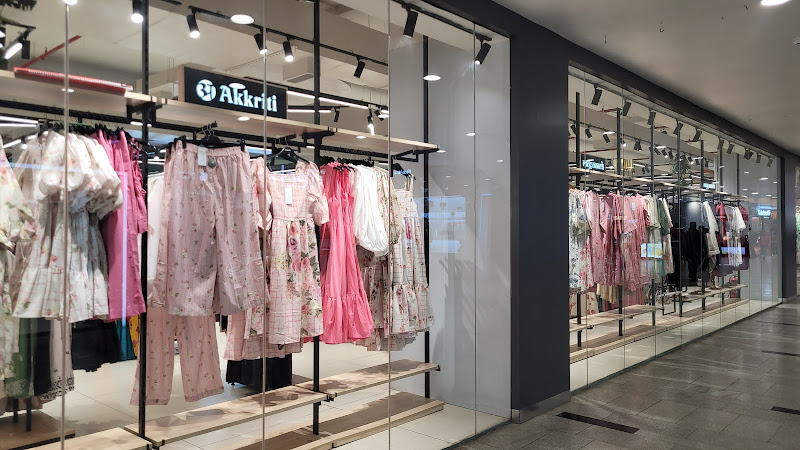
Junction Mall

Visvesvaraya Auditorium IEI Durgapur west bengal
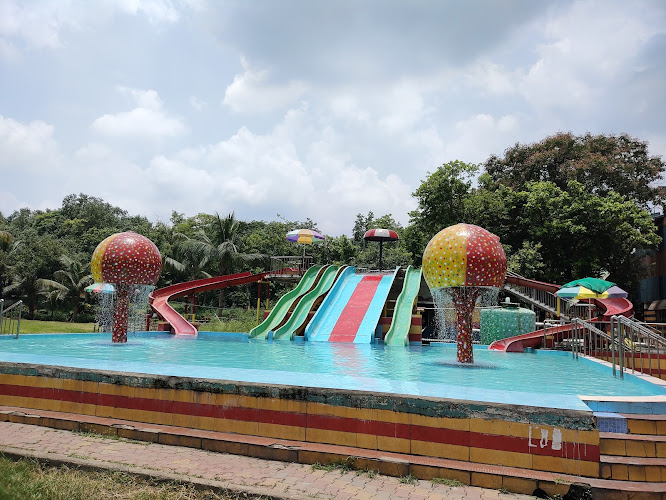
Anand Amusement Park
Find Accommodations Nearby
Recommended Tours & Activities
Visitor Reviews
There are no reviews yet. Be the first one to write one.
Share Your Experience
Have you visited Kalpataru Mela Ground? Help other travelers by leaving a review.